
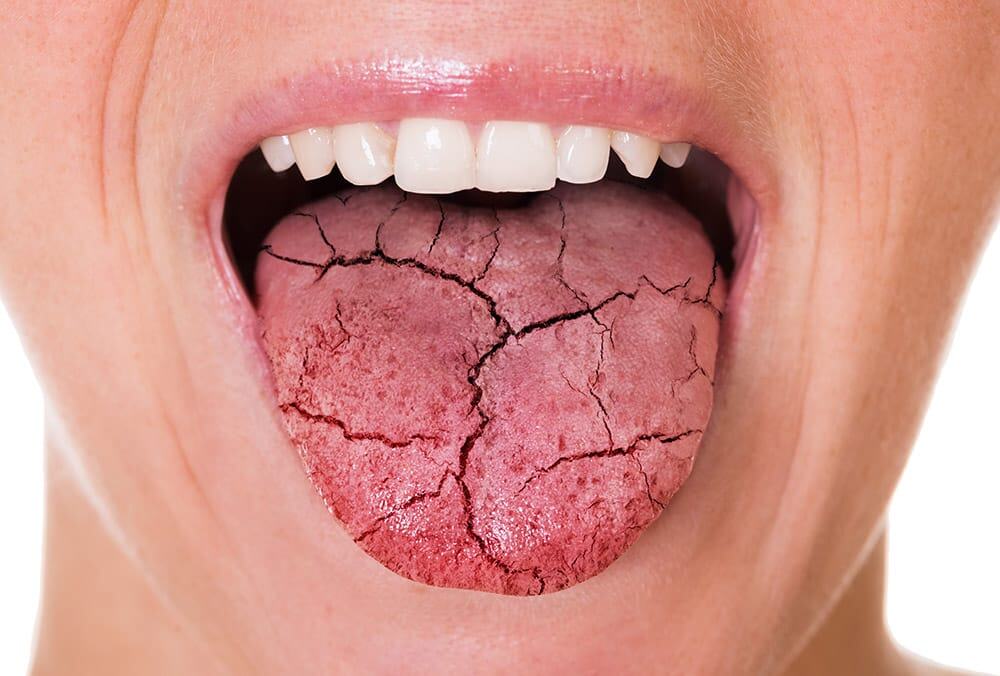

Understanding Dry Mouth (Xerostomia)
Many individuals wonder about the various tooth decay causes, and dry mouth, medically known as xerostomia, is a significant factor that can accelerate this process. This condition, characterized by a persistent lack of saliva, affects not only comfort but also the health of your teeth and gums. Understanding its implications is the first step toward effective management and prevention of further oral health issues.
Dry mouth, or xerostomia, is more than just a feeling of thirst; it’s a condition that can manifest with a variety of uncomfortable symptoms and have significant oral health consequences. Saliva is essential for lubrication, digestion, and protection against microbial infections, and its absence can lead to noticeable changes in the mouth. Understanding the dangers of dry mouth is the first step toward managing it.
| Symptom/Cause | Description | Potential Impact |
|---|---|---|
| Dryness and Stickiness | A feeling of parchedness or a sticky sensation in the mouth. | Difficulty swallowing, speaking, and tasting food. |
| Thick or Stringy Saliva | Saliva may appear frothy or have a rope-like consistency. | Reduced lubrication, increased risk of oral irritation. |
| Sore Throat, Hoarseness | Irritation and dryness in the throat area. | Discomfort, difficulty speaking for extended periods. |
| Burning Sensation | A persistent burning feeling, often on the tongue or mouth lining. | Pain, discomfort, and altered taste perception. |
| Mouth Sores or Cracked Lips | Dryness can lead to fissures and open sores. | Increased susceptibility to infection, pain. |
| Difficulty Chewing or Swallowing | Lack of saliva impairs the initial stages of digestion. | Challenges with eating, potential for nutritional deficiencies. |
| Increased Dental Issues | Higher risk of cavities, gum disease, and yeast infections. | Significant oral health deterioration requiring extensive dental care. |
The symptoms of dry mouth can vary in intensity and frequency, often becoming more pronounced during sleep. Understanding these signs is crucial for timely intervention and to prevent the progression of related oral health problems, such as the accelerated tooth decay causes that can arise from prolonged xerostomia.
Common Causes of Dry Mouth
A variety of factors can contribute to the development of dry mouth, ranging from the medications we take to underlying health conditions and our daily lifestyle choices. Identifying the specific cause is essential for finding the most effective relief strategies and protecting your oral health. For some individuals, jaw discomfort associated with dry mouth may be related to temporomandibular joint issues, and you can learn more about Botox for TMJ as a potential treatment.
- Medication Side Effects: Many prescription and over-the-counter drugs list dry mouth as a common side effect.
- Medical Conditions: Certain systemic diseases directly impact saliva production.
- Cancer Treatments: Radiation therapy to the head and neck, and chemotherapy, can significantly affect salivary glands.
- Nerve Damage: Injury or surgery affecting nerves that control salivary glands can lead to reduced function.
- Dehydration: Insufficient fluid intake can lower overall body fluid levels, including saliva.
- Lifestyle Habits: Smoking, alcohol consumption, and certain dietary choices can exacerbate dryness.
Medication-Induced Xerostomia
Many medications can lead to dry mouth, and it’s important to discuss any persistent dryness with your doctor or dentist. For more information on the potential dangers and solutions for dry mouth, you can explore our comprehensive guide to dry mouth dangers and relief.
One of the most frequent culprits behind dry mouth is medication. Hundreds of drugs, both prescription and over-the-counter, have xerostomia as a known side effect. These medications can interfere with the nerve signals that stimulate saliva production or alter the composition of saliva itself. If you experience jaw pain or discomfort related to dry mouth, consider exploring options like Botox for dental pain relief for more.
Systemic Diseases Affecting Saliva
Various medical conditions can lead to dry mouth by directly impacting the salivary glands or the body’s overall fluid balance. Conditions such as Sjog’s syndrome, diabetes, and HIV/AIDS are often associated with reduced saliva flow, highlighting the interconnectedness of systemic health and oral well-being. For those experiencing tooth loss due to such conditions, understanding Alberta denture costs is a crucial part of planning for oral health restoration.
Cancer Therapy and Dry Mouth
Treatments for cancer, particularly radiation therapy to the head and neck region, can cause significant damage to the salivary glands. Chemotherapy can also temporarily reduce saliva production. This damage can be long-lasting or even permanent, requiring diligent oral care and management strategies to prevent issues like plaque buildup, which is distinct from tartar.
Medications: A Frequent Culprit
The influence of medications on saliva production cannot be overstated, making them a primary reason for xerostomia in many individuals. The impact can range from mild dryness to severe discomfort, significantly affecting oral health and quality of life. It is crucial to be aware of the types of drugs that commonly cause this side effect, and our guide to dry mouth dangers and relief offers further insight.
- Antihistamines and Decongestants: Commonly used for allergies and colds, these can reduce saliva flow.
- Antidepressants and Anti-anxiety Medications: Many psychiatric drugs list dry mouth as a side effect.
- Pain Medications: Certain analgesics can affect saliva production.
- Diuretics: Water pills used for blood pressure and heart conditions can lead to dehydration, including reduced saliva.
- Muscle Relaxants: These can sometimes cause a drying effect in the mouth.
- Medications for Parkinson’s Disease: Some drugs used to manage Parkinson’s symptoms can lead to xerostomia.
For example, a patient managing chronic pain might be prescribed opioids or non-steroidal anti-inflammatory drugs (NSAIDs) that, alongside their therapeutic benefits, contribute to a persistent feeling of dryness in the mouth, increasing their risk for other dental issues. Addressing dry mouth is essential for maintaining oral hygiene, and understanding options like dental crowns can be part of a comprehensive treatment plan.
Medical Conditions Linked to Dry Mouth
Beyond medication, a range of medical conditions can significantly contribute to the development of dry mouth. These conditions often affect the body’s autoimmune responses, hormonal balance, or neurological functions, all of which play a role in regulating saliva production and maintaining oral moisture. Understanding the specific dangers of dry mouth can help you seek appropriate treatment and prevention strategies.
Smoking and alcohol consumption can significantly dehydrate the body and reduce saliva flow, worsening dry mouth symptoms. For those experiencing discomfort from teeth grinding or clenching, exploring options like bruxism treatment may offer relief.
Both smoking and excessive alcohol intake are well-known contributors to dry mouth. Nicotine can constrict blood
If you experience persistent dry mouth, difficulty eating or speaking, a burning sensation in your mouth, or notice an increase in cavities, it’s time to seek expert advice. A dental professional can assess your oral health, discuss your medical history, and recommend appropriate treatment options.
Potential Complications of Untreated Dry Mouth
Ignoring the persistent symptom of dry mouth can lead to a cascade of negative effects on oral health, significantly impacting your well-being. The protective functions of saliva are lost, leaving the mouth vulnerable to various issues that can become serious if left unaddressed, such as understanding the causes of stale breath.
Dental Health Deterioration
Without sufficient saliva to neutralize acids and wash away food particles, the risk of dental caries (cavities) increases dramatically. Bacteria thrive in a dry environment, leading to rapid tooth decay, especially around the gum line and on chewing surfaces. Gum disease (periodontitis) also becomes more prevalent due to the lack of saliva’s cleansing action, and understanding how your brushing technique impacts your gums is crucial for maintaining oral health, so consider the differences between electric and manual toothbrushes.
Oral Infections and Discomfort
The lack of saliva can also lead to an overgrowth of yeast, causing oral thrush, a common fungal infection. This can manifest as white patches on the tongue and inner cheeks, along with soreness and difficulty swallowing. Additionally, dry mouth can exacerbate symptoms of other oral conditions, such as canker sores or mouth ulcers, making them more frequent and painful. Understanding the dangers of dry mouth is crucial for prevention and timely treatment. If you are experiencing persistent oral discomfort, seeking professional advice from a qualified dentist is recommended; our [Edmonton dentist guide] can help you find the right care.
A healthy mouth relies on saliva to maintain a balanced microbial environment. When saliva is scarce, opportunistic infections, such as oral thrush (a fungal infection caused by Candida albicans), can flourish. This can lead to painful white patches in the mouth, soreness, and difficulty eating.
Conclusion and Next Steps
Dry mouth, or xerostomia, is a complex condition with a wide array of potential causes, from medications and medical conditions to lifestyle habits. Recognizing these triggers is the first step toward finding effective relief and preventing the detrimental effects on oral health, including the accelerated tooth decay causes. Understanding the dangers of dry mouth is crucial for maintaining overall oral health.
If you are experiencing persistent dry mouth, it is essential to consult with your dental team. They can help diagnose the root cause, offer personalized management strategies, and ensure your oral health is protected. Proactive steps and professional guidance from a dentist or hygienist are key to maintaining a comfortable and healthy mouth.
Frequently Asked Questions
Understanding dry mouth is crucial for maintaining overall oral health. Here are answers to some common questions about xerostomia and its management. If you are considering cosmetic dental work, understanding the differences between options like veneers vs. crowns can help you make an informed decision about your smile.
| Question | Answer |
|---|---|
| What is xerostomia? | Xerostomia is the medical term for dry mouth, a condition characterized by a lack of adequate saliva production. |
| Can dry mouth be cured? | While some causes of dry mouth can be reversed (e.g., adjusting medication or increasing fluid intake), others, like damage from radiation therapy, may be permanent. Management focuses on symptom relief and preventing complications. |
| How can I relieve dry mouth symptoms? | Symptom relief includes sipping water frequently, chewing sugar-free gum or sucking on sugar-free candies to stimulate saliva, using over-the-counter saliva substitutes, and maintaining good oral hygiene. Consulting a dentist is recommended for persistent issues. |
| Is dry mouth a sign of a serious health problem? | While often caused by medications or lifestyle factors, dry mouth can sometimes be an early symptom of underlying medical conditions such as Sjog’s syndrome or diabetes. It’s important to discuss persistent dry mouth with a healthcare professional, as it can lead to serious oral health issues. |