

Xerostomia, commonly known as dry mouth, is a condition where the salivary glands in your mouth do not produce enough saliva to keep your mouth moist. While often dismissed as a minor annoyance, persistent dry mouth can signal underlying health issues and significantly increase the risk of dental problems.
Saliva plays a crucial role in neutralizing acids, washing away food particles, and maintaining the health of your teeth and gums. Understanding the hidden dangers associated with reduced saliva flow is the first step toward effective management and treatment.
Key Insights
Key insights regarding xerostomia focus on its primary causes and the immediate risks it poses to oral health. Recognizing these factors helps in seeking appropriate care, whether it involves lifestyle adjustments or consulting with dental professionals who offer comprehensive services like those found in General Dentistry In South Edmonton.
- Medications are the most frequent cause of chronic dry mouth.
- Lack of saliva dramatically increases the risk of tooth decay and gum disease.
- Simple remedies, like increasing fluid intake, can often provide immediate, though temporary, relief.
- Persistent symptoms warrant a consultation with your dentist or physician to address underlying causes.
I need links: Include relevant internal links from the knowledge base content where appropriate
The long-term consequences of untreated dry mouth can lead to the need for significant restorative work, such as Dental Bridges or even Crowns. For those seeking preventative advice, reading up on How Often Should Adults Get Dental Cleanings? can offer supplementary oral health guidance.
Common Causes of Persistent Dry Mouth
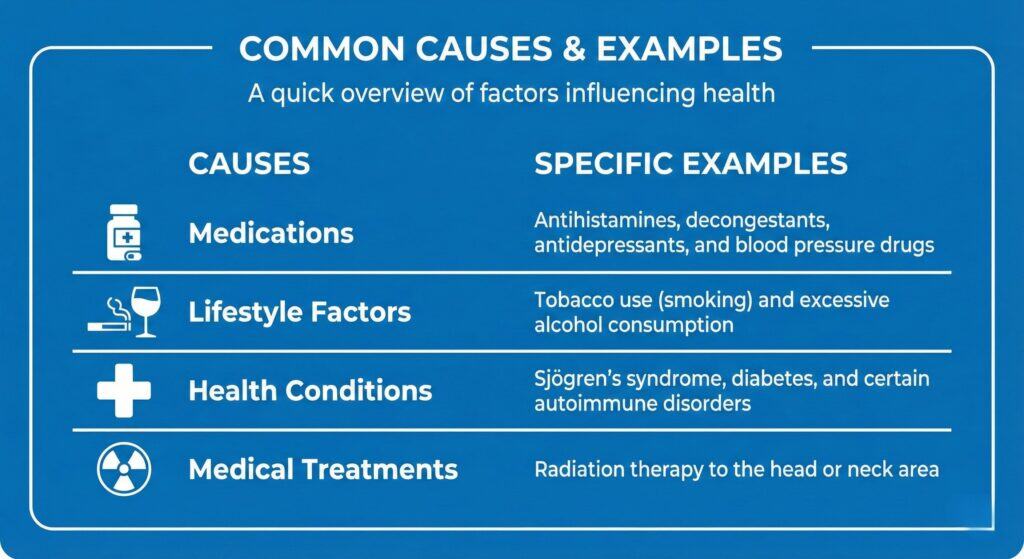
The causes of xerostomia are varied, ranging from external factors like habits to internal factors like systemic health conditions or necessary medical treatments. Identifying the source is vital for determining the best course of action, which might involve reviewing current prescriptions or seeking specialized care like Emergency Dentistry if severe pain results from complications.
| Causes | Specific Examples |
|---|---|
| Medications | Antihistamines, decongestants, antidepressants, and blood pressure drugs |
| Lifestyle Factors | Tobacco use (smoking) and excessive alcohol consumption |
| Health Conditions | Sjögren’s syndrome, diabetes, and certain autoimmune disorders |
| Medical Treatments | Radiation therapy to the head or neck area |
If you are concerned about your overall oral health due to dry mouth, understanding the scope of services available, including Restorative Dentistry Services, is important. Furthermore, lifestyle habits such as smoking can negatively impact oral health, making cessation a key step for many patients.
Simple Remedies for Dry Mouth Relief
Managing dry mouth often begins with straightforward, accessible remedies aimed at stimulating saliva flow or artificially lubricating the mouth. While these steps can offer comfort, they do not replace professional care; patients should still prioritize regular checkups, perhaps by booking an Appointment to see one of our experienced dentists.
- Increase Water Intake: Sip water frequently throughout the day, rather than drinking large amounts infrequently.
- Sugar-Free Gum or Lozenges: Chewing sugar-free gum or sucking on lozenges stimulates saliva production. Ensure they contain xylitol for added cavity protection.
- Avoid Irritants: Limit caffeine, alcohol, and tobacco use, as these substances can further dry out the mouth.
- Use Humidifiers: Running a humidifier at night can help keep the air moist, reducing moisture loss from the mouth while sleeping.
I need links: Include relevant internal links from the knowledge base content where appropriate
For those who find that their dry mouth leads to issues requiring repair, treatments like Bonded Fillings are available. Additionally, if anxiety about dental visits exacerbates the issue, exploring resources on tips for managing dental anxiety might be beneficial.
Medications Known to Cause Xerostomia
Many prescription and over-the-counter medications list dry mouth as a known side effect due to their impact on nerve signals controlling salivary glands. It is crucial never to stop taking prescribed medication without consulting the prescribing physician, but awareness allows patients to discuss alternatives or management strategies with their healthcare providers. If medication-induced dry mouth leads to decay, restorative options like Implant Restoration may be necessary
| Medication Class | Common Examples Affecting Saliva |
|---|---|
| Antidepressants/Anxiolytics | Tricyclics, SSRIs |
| Antihistamines/Decongestants | Many cold and allergy relief medications |
| Antihypertensives | Diuretics, ACE inhibitors |
| Sedatives/Muscle Relaxants | Drugs used for sleep or muscle spasms |
If you are experiencing side effects from medication, remember that maintaining excellent oral hygiene is paramount; exploring resources on what happens during a routine dental cleaning can emphasize the importance of regular professional care.
When to See a Dentist About Dry Mouth
While home remedies can manage mild cases, persistent or severe xerostomia requires professional dental evaluation, as the lack of saliva significantly compromises the mouth’s natural defenses. If you are looking for a dental team dedicated to gentle care, consider learning more about the doctors at Heritage Dental Centre, such as Dr. Gordon Poznikoff.
- Sudden Increase in Cavities: If you notice new or rapidly progressing tooth decay, especially between checkups.
- Difficulty Swallowing or Speaking: If the dryness makes basic functions like eating or talking uncomfortable.
- Soreness or Burning Sensation: Persistent pain or a burning feeling in the mouth or on the tongue.
- Changes in Taste: A noticeable alteration in how food tastes.
- Inability to Wear Dentures Comfortably: Poor retention or irritation caused by lack of moisture.
If you require restorative treatment due to complications from dry mouth, services like Dentures are available. Furthermore, if you are a new patient concerned about your symptoms, you can streamline your first visit by filling out the New Patient Form.
Oral Hygiene Tips for Dry Mouth Sufferers
When saliva is scarce, the mouth loses its primary defense against plaque and acid erosion, necessitating meticulous oral hygiene practices. Patients should focus on gentle yet thorough cleaning methods to prevent the decay often associated with xerostomia. If decay does occur, restorative options like Inlays can help repair the damage.
| Hygiene Practice | Recommendation for Dry Mouth |
|---|---|
| Brushing | Use a soft-bristled brush and a non-foaming, moisturizing toothpaste. |
| Flossing | Floss daily to remove trapped debris, as saliva isn’t washing it away effectively. |
| Rinsing | Use an alcohol-free mouthwash or a prescribed saliva substitute rinse. Avoid rinses containing alcohol. |
| Frequency | Brush after meals and snacks to minimize acid exposure time. |
For those interested in preventive measures beyond daily care, exploring options like Custom Night Guards can protect teeth from grinding, which can be exacerbated by stress or certain medications.
Conclusion
Xerostomia is more than just discomfort; it is a condition that significantly compromises oral health by removing the mouth’s natural protective mechanisms. By understanding the common causes, such as various medications, and implementing simple remedies like increased water intake and using sugar-free gum, sufferers can mitigate immediate discomfort.
However, persistent dry mouth requires professional intervention to prevent severe consequences like rampant tooth decay, making regular consultation with your dental team essential for maintaining a healthy, beautiful smile.
FAQ
| Question | Answer |
|---|---|
| What is the most common cause of dry mouth? | The most frequent cause is often a side effect of prescription medications. If you are concerned about your current regimen, you can always Contact Us for advice on next steps. |
| Can dry mouth lead to serious dental problems? | Yes, the lack of saliva allows plaque and acid to linger, significantly increasing the risk of cavities and gum disease, potentially leading to the need for Root Canal Therapy. |
| Is chewing gum a good remedy for xerostomia? | Yes, chewing sugar-free gum stimulates saliva flow. For comprehensive care, including preventative measures, consider booking a consultation with our team. |
| Should I stop taking medication if it causes dry mouth? | Never stop a prescribed medication without consulting your doctor first. Discussing side effects is important, and your doctor may suggest alternatives or management strategies. |