
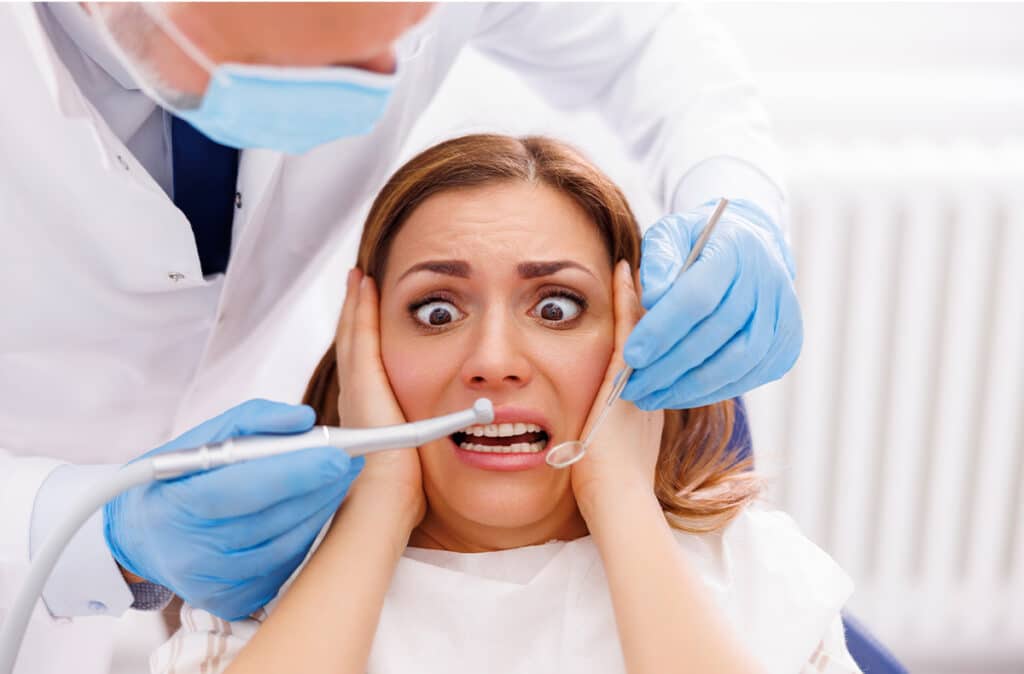

Many individuals experience a degree of nervousness when anticipating dental appointments, a common condition known as dental anxiety. This apprehension can range from mild unease to intense phobia, often preventing people from seeking necessary dental care. Understanding and addressing these feelings is the first step towards ensuring a comfortable and stress-free dental experience.
At Heritage Dental Centre, we recognize that dental anxiety is a significant concern for many patients. Our goal is to create a supportive environment where you feel heard, understood, and at ease throughout your visit. We are committed to providing compassionate care and employing strategies to help you manage any apprehension you may feel.
This comprehensive guide offers practical insights and effective techniques to help you cope with dental anxiety. By exploring various methods, from communication strategies to relaxation techniques, you can empower yourself to achieve a calmer dental future and maintain optimal oral health without undue stress. For more in-depth information on managing these feelings, explore our dental anxiety help resources.
Understanding Dental Anxiety
Dental anxiety is a complex emotional response that can stem from various sources, including past negative experiences, fear of pain, embarrassment about dental condition, or a general sense of helplessness in a clinical setting. Recognizing these underlying causes is fundamental to developing effective coping mechanisms. For some individuals, jaw tension associated with anxiety can be addressed with treatments like Botox for TMJ, offering a novel approach to comfort.
Common signs of dental anxiety can include sweating, increased heart rate, trembling, or even a desire to flee before or during an appointment. It’s important to remember that these feelings are valid and that many people share similar experiences. Awareness is the key to starting the process of overcoming this challenge.
Understanding the origins and manifestations of dental anxiety allows both you and your dental team to work collaboratively towards a solution. By openly discussing your concerns, you can begin to build trust and ensure that your dental visits are as comfortable as possible, leading to better long-term oral health outcomes.
Strategies for Dental Anxiety
Successfully managing dental anxiety involves adopting a proactive approach that incorporates various coping strategies. These methods aim to reduce fear and promote a sense of control and relaxation before and during dental procedures, making your visits more manageable. For those experiencing discomfort from involuntary muscle contractions, exploring options like botox for dental pain relief can be a beneficial avenue.
Communication is Key
Open communication with your dental team is crucial for managing dental anxiety; you can find more tips on how to approach this on our dental anxiety help page.
Open and honest communication with your dental team is paramount. Clearly articulate your fears, concerns, and any past negative experiences. Your dentist and their staff are trained to listen and adapt their approach to make you feel more comfortable. Don’t hesitate to ask questions about procedures; understanding what to expect can significantly reduce anxiety. If you’re looking for a new dental professional, our guide to finding a dentist can help.
Relaxation Techniques
Incorporating relaxation techniques can profoundly impact your experience. Simple deep breathing exercises, progressive muscle relaxation, or mindfulness practices can help calm your nervous system. Focusing on your breath or visualizing a peaceful scene can shift your attention away from anxious thoughts and create a sense of tranquility, which can be especially helpful when considering Alberta denture costs for more.
Distraction Methods
Engaging your mind with distractions can be highly effective. Listening to music or podcasts through headphones, watching videos on a tablet, or even squeezing a stress ball can help divert your focus from the dental work. Understanding the difference between plaque and tartar can also be helpful in maintaining good oral hygiene, and your dental team can provide more information on this topic. Discussing these options with your dental team beforehand ensures they can accommodate your chosen distraction.
Communication with Your Dentist
Establishing a strong line of communication with your dental provider is one of the most powerful tools in managing dental anxiety. Your dental team is your ally in achieving a comfortable and positive dental experience, and they are prepared to help you navigate your concerns. For more insights on finding the right professional, consider this guide to choosing a dentist.
- Express Your Concerns Early: Before your appointment even begins, inform the dental office staff, your hygienist, and your dentist about your anxiety.
- Use a Signal System: Agree on a hand signal or cue with your dentist that you can use if you need a break or are feeling overwhelmed during a procedure.
- Ask Questions: Don’t hesitate to ask about the steps involved in a procedure, the instruments being used, or the sensations you might feel. Knowledge can reduce the fear of the unknown.
- Discuss Pain Management: Talk about your pain threshold and explore options for anesthetic or sedation to ensure your comfort throughout the treatment.
- Provide Feedback: After your appointment, offer feedback on what worked well and what could be improved to help tailor future visits to your needs.
Relaxation & Distraction Techniques
Employing specific relaxation and distraction techniques can significantly ease dental anxiety, transforming a potentially stressful appointment into a more manageable experience. These methods empower you to take an active role in managing your comfort. For more in-depth strategies, explore our comprehensive dental anxiety help, which also touches on related issues like how to address stale breath.
- Deep Breathing Exercises: Inhale slowly and deeply through your nose, hold for a few seconds, and exhale slowly through your mouth. This helps to slow your heart rate and calm your nervous system.
- Mindfulness Meditation: Focus on the present moment without judgment. Pay attention to your senses, such as the feeling of your feet on the floor or the sounds in the room, to anchor yourself.
- Guided Imagery: Visualize a peaceful and calming place, such as a beach or a serene forest. Engage all your senses in this mental escape to distract from the dental environment.
- Listening to Music or Podcasts: Bring your headphones and curate a playlist of calming music or an engaging podcast to divert your attention.
- Stress Balls or Fidget Toys: The simple act of squeezing a stress ball or manipulating a fidget toy can provide a physical outlet for nervous energy and help keep your hands occupied.
Sedation Options for Dental Anxiety
For individuals whose dental anxiety is severe or significantly impacts their ability to receive care, sedation dentistry offers a highly effective solution. These options are designed to help patients relax and remain comfortable throughout their dental appointments. Understanding how different brushing techniques can affect your gums, similar to how sedation affects your comfort, is also important; for instance, learn about electric toothbrush gum health in Edmonton.
Minimal Sedation
During minimal sedation, you are awake but very relaxed. Nitrous oxide, often called “laughing gas,” is commonly used for this purpose. It’s inhaled through a mask and takes effect quickly, helping to ease anxiety and reduce discomfort. Its effects wear off rapidly after the mask is removed. If you’re looking for a dentist who offers this type of comfort, consider our guide to choosing a dentist for more.
Moderate Sedation
Also known as conscious sedation, moderate sedation involves taking an oral sedative medication before the procedure. You will feel drowsy and may have little to no memory of the procedure afterward. Your dentist will monitor you closely throughout the appointment to ensure your safety and comfort, and can explain the differences between a dentist and a hygienist.
Deep Sedation and General Anesthesia
In cases of extreme dental phobia or for complex procedures, deep sedation or general anesthesia may be recommended. With deep sedation, you are on the edge of consciousness, while general anesthesia renders you completely unconscious. These options are administered and closely monitored by trained professionals to ensure maximum safety, and are often considered alongside options like veneers or crowns for smile makeovers.
Preparing for Your Dental Visit
Understanding and addressing dental anxiety is crucial for maintaining good oral health. If you experience significant fear or anxiety related to dental visits, exploring resources for dental anxiety help can provide effective strategies and support.
Proactive preparation can significantly reduce pre-appointment jitters and contribute to a smoother, more positive dental visit. Planning ahead ensures you feel more in control and less anxious when you arrive at the clinic.
- Schedule Wisely: If possible, book appointments during times when you are typically less stressed, such as earlier in the day or when you don’t have pressing commitments afterward.
- Bring a Support Person: If your anxiety is high, consider asking a trusted friend or family member to accompany you to the appointment.
- Familiarize Yourself: If you are visiting a new practice, consider looking at their website or taking a brief tour beforehand to become familiar with the environment.
- Practice Relaxation: In the days leading up to your appointment, practice the relaxation techniques you plan to use, such as deep breathing or visualization.
- Confirm Details: Double-check your appointment time, location, and any pre-appointment instructions to avoid last-minute stress.
Seeking Professional Help for Anxiety
While self-help strategies are beneficial, some individuals may find that their dental anxiety is persistent or severe, requiring more specialized support. Reaching out to dental professionals or mental health experts can provide the necessary tools and guidance. For more in-depth information on managing these feelings, explore our comprehensive guide to dental anxiety, which also touches on cosmetic options like dental veneers.
- Talk to Your Dentist: Your dentist is the first point of contact. They can recommend specific strategies, sedation options, or refer you to specialists if needed.
- Consider Therapy: Cognitive Behavioral Therapy (CBT) is highly effective for anxiety disorders, including dental phobia. A therapist can help you understand and reframe your fearful thoughts and behaviors.
- Explore Sedation Dentistry: As discussed, various sedation options are available to make dental procedures tolerable and even comfortable for those with significant anxiety.
- Join a Support Group: Connecting with others who experience similar anxieties can be validating and provide shared coping strategies and encouragement.
Conclusion: Your Calmer Dental Future
Managing dental anxiety is an achievable goal, and by implementing the strategies outlined, you can transform your dental visit experience. Remember that your comfort and well-being are paramount, and your dental team is dedicated to supporting you every step of the way.
Taking proactive steps, communicating openly, and utilizing relaxation and distraction techniques can significantly reduce fear and apprehension. Don’t let anxiety prevent you from receiving the essential dental care you deserve. Embrace these tools and look forward to a future of healthier, happier smiles with greater peace of mind.
We encourage you to discuss your concerns openly with our team at Heritage Dental Centre. We are committed to providing a supportive, understanding, and comfortable environment tailored to your needs, ensuring your journey to optimal oral health is as stress-free as possible. If you’re experiencing discomfort, our guide to gum & jaw pain relief can offer some initial insights.
Frequently Asked Questions
| Question | Answer |
|---|---|
| What are the most common causes of dental anxiety? | Dental anxiety can stem from various factors, including fear of pain, past negative dental experiences, feelings of embarrassment, a fear of needles, or a general sense of losing control in a clinical environment. |
| How can I communicate my dental anxiety to my dentist effectively? | You can effectively communicate your anxiety by informing the dental office staff and your dentist about your fears before your appointment. Using agreed-upon signals during procedures and asking questions about treatments can also help. |
| Are there effective relaxation techniques I can use during a dental visit? | Yes, several relaxation techniques can help, such as deep breathing exercises, mindfulness meditation, guided imagery, and listening to calming music through headphones. |
| What is nitrous oxide, and how does it help with dental anxiety? | Nitrous oxide, often called “laughing gas,” is a mild sedative inhaled through a mask. It helps patients relax and feel less anxious during dental procedures. Its effects are quick to take hold and wear off rapidly once the mask is removed. |
| When should I consider seeking professional help for dental anxiety? | If your dental anxiety is severe, persistent, prevents you from attending dental appointments, or significantly impacts your oral health, it’s advisable to seek professional help from your dentist or a mental health specialist. For more information on managing these feelings, explore our dental anxiety comfort guide. |