
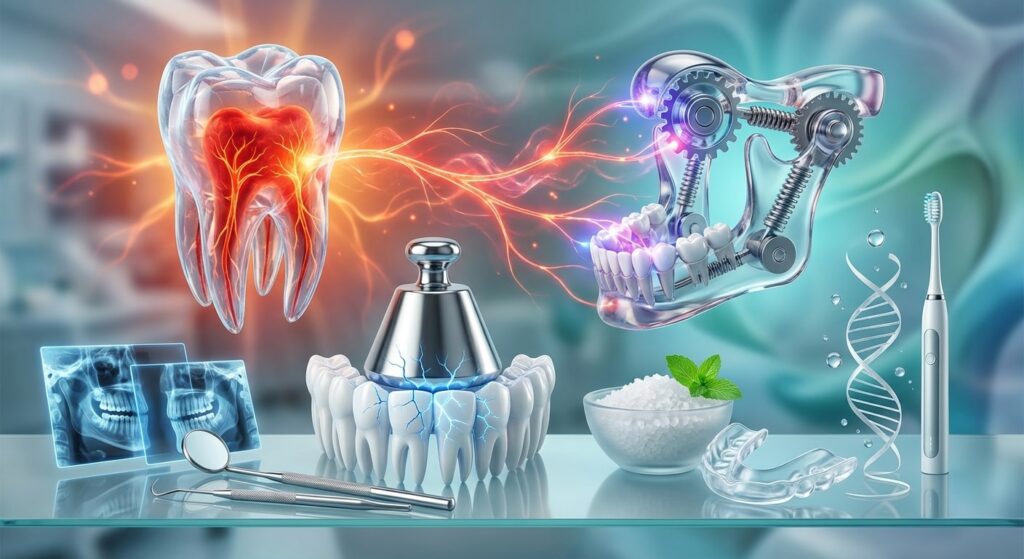

Understanding Toothache & Jaw Pain
Experiencing toothache jaw pain in Edmonton is a common concern for many residents, often indicating underlying issues that require attention. These types of discomfort can range from a mild ache to severe, debilitating pain, significantly impacting daily life and oral health.
It is crucial to understand that persistent toothache jaw pain should not be ignored, as it often signals a dental problem that needs prompt professional diagnosis and treatment. Addressing these symptoms early can prevent more serious complications and lead to quicker relief.
This guide aims to provide a clear overview of toothache and jaw pain experienced in Edmonton, explaining why these issues are prevalent and highlighting the importance of seeking timely care from dental professionals. For cosmetic concerns, understanding dental veneer costs and benefits can also be helpful.
Common Causes of Toothache & Jaw Pain
Experiencing toothache jaw pain in Edmonton can stem from a variety of underlying issues, ranging from simple dental irritations to more complex conditions. Understanding these causes is the first step towards finding effective relief and maintaining good oral health. Our team at Heritage Dental Centre frequently encounters patients seeking answers for discomfort originating from their teeth and jaws, and we offer solutions such as dental crowns to address many of these concerns.
Dental infections are a primary culprit behind severe toothache jaw pain. When bacteria penetrate a tooth’s pulp, they can lead to an abscess, causing intense throbbing pain that often radiates into the jaw. Similarly, deep cavities that are left untreated can irritate the tooth’s nerve, resulting in significant discomfort that can extend to the jawbone.
Gum disease, also known as periodontal disease, is another common contributor to jaw discomfort. As gum inflammation progresses, it can lead to receding gums and, in more advanced stages, infection that spreads to the jawbone. This can cause a dull ache in the jaw and even loosen teeth.
Bruxism, the involuntary grinding or clenching of teeth, particularly during sleep, puts excessive pressure on the jaw muscles and temporomandibular joints (TMJ). This constant strain can lead to generalized toothache jaw pain, headaches, and jaw stiffness. For more information on managing this condition, explore our resources on bruxism treatment for more.
Temporomandibular joint (TMJ) disorders encompass a range of conditions affecting the jaw joint and the muscles that control jaw movement. Symptoms can include clicking or popping sounds when opening or closing the mouth, limited jaw mobility, and significant pain in the jaw, face, and surrounding areas, which can sometimes be mistaken for toothache jaw pain.
Here are some of the common causes contributing to toothache jaw pain:
- Dental infections and abscesses
- Deep cavities and tooth decay
- Gum disease (gingivitis and periodontitis)
- Bruxism (teeth grinding and clenching)
- Temporomandibular Joint (TMJ) disorders
- Impacted wisdom teeth
- Sinus infections
- Facial trauma
Identifying the Symptoms
Understanding the specific symptoms of toothache and jaw pain is crucial for effective self-assessment and seeking the right professional help. While both can cause significant discomfort, their manifestations can differ, offering clues to their underlying causes. Recognizing these signs can empower you to communicate your concerns clearly to a dental professional.
Distinguishing between toothache and jaw pain involves paying close attention to the location, nature, and triggers of your discomfort. A toothache typically presents as a sharp, throbbing, or persistent pain directly related to a specific tooth or the surrounding gum area. Jaw pain, on the other hand, may feel like a dull ache, tenderness, or even sharp, shooting sensations in the jawbone, joint, or muscles. It’s important to note that toothache jaw pain in Edmonton can often be interconnected, with issues in one area affecting the other. For more information on jaw pain, you can explore TMJ disorders symptoms and causes for more.
Several symptoms can help you identify the nature of your discomfort:
- Toothache Symptoms: These often include sharp or throbbing pain in or around a tooth, sensitivity to hot or cold temperatures, pain when biting down, swelling of the gums near the affected tooth, and sometimes a foul taste in the mouth if an abscess has formed.
- Jaw Pain Symptoms: Jaw pain can manifest as a persistent ache or tenderness in the jaw joint area, clicking or popping sounds when opening or closing the mouth, difficulty chewing, pain that radiates to the ear or temple, and stiffness in the jaw muscles.
- Referred Pain: It’s common for pain originating from a tooth to radiate into the jaw, or for jaw issues to cause discomfort that feels like it’s coming from a tooth. This referred pain can make diagnosis challenging without professional evaluation, but understanding the causes of tooth sensitivity can sometimes provide clues.
When you experience discomfort, consider these questions to help pinpoint the problem: Is the pain localized to a single tooth, or does it feel more generalized in the jaw? Does the pain worsen with chewing or temperature changes? Are there any audible sounds when you move your jaw? Answering these questions can provide valuable information for your dentist when you seek relief for your toothache jaw pain, and understanding TMJ symptoms and causes can be particularly helpful.
When to Seek Professional Dental Help
While some minor toothaches or jaw discomfort might resolve on their own, it’s crucial to recognize when professional dental intervention is necessary. Persistent or severe pain, especially when related to toothache jaw pain in Edmonton, should never be ignored. Early diagnosis and treatment can prevent complications and ensure long-term oral health.
Several red flags indicate that you should schedule an appointment with your dentist promptly. These signs suggest that the underlying issue may require more than simple home care and could potentially worsen without professional attention. If you experience significant dental anxiety, our resources on managing dental anxiety can help you feel more at ease before your visit.
Signs That Warrant Immediate Dental Attention
When experiencing toothache jaw pain, certain symptoms signal the need for immediate professional assessment. These can range from the intensity of the pain to specific accompanying conditions that require expert diagnosis and treatment. For instance, understanding TMJ symptoms and causes can help identify if your jaw pain requires specialized care. Sometimes, a damaged tooth might require more than just a filling, and learning about dental crown benefits can provide insight into restorative options.
- Severe, throbbing pain that interferes with daily activities, eating, or sleeping.
- Pain that lasts for more than a couple of days or worsens over time.
- Swelling in the jaw, face, or gums that is noticeable or causes difficulty in opening the mouth.
- A fever accompanying the toothache or jaw pain, which could indicate a serious infection.
- Visible signs of infection, such as pus discharge or a foul taste in the mouth.
- Pain that radiates to the ear or head, suggesting a more widespread issue.
- Trauma to the mouth or jaw area, even if no immediate severe pain is felt.
If you encounter any of these symptoms, it is essential to seek professional dental help without delay. Ignoring these warning signs can lead to more significant dental problems, including the spread of infection or irreversible damage.
Understanding Persistent vs. Temporary Pain
It’s important to differentiate between temporary discomfort and persistent pain. A mild ache might be manageable with over-the-counter pain relievers and rest, but a toothache jaw pain that lingers or intensifies often points to a deeper problem. This could stem from an untreated cavity, gum disease, or a temporomandibular joint (TMJ) disorder, which you can learn more about at our page on TMJ disorder symptoms and causes for more.
Our team at Heritage Dental Centre understands that experiencing pain can be distressing. We are dedicated to providing prompt and effective care for all dental concerns, ensuring that residents of Edmonton receive the relief they need. Don’t hesitate to reach out if you are experiencing discomfort; professional assessment is key to resolving the issue effectively.
Home Remedies and Self-Care Tips
While professional dental care is essential for addressing the root cause of toothache and jaw pain, several home remedies and self-care strategies can offer temporary relief. These methods are designed to soothe discomfort and manage symptoms until you can see a dentist. Remember, these are supportive measures and not a substitute for a proper diagnosis and treatment plan from a dental professional in Edmonton.
Managing toothache jaw pain edmonton requires a multi-faceted approach, and incorporating these home care tips can make a significant difference in your comfort level. Always prioritize consulting with a dental expert for persistent or severe pain.
- Saltwater Rinse: Mix half a teaspoon of salt in a glass of warm water. Swish this solution around your mouth for about 30 seconds, then spit it out. This can help reduce inflammation and clean any infected areas, providing temporary relief from toothache and jaw pain.
- Cold Compress: Apply a cold compress or an ice pack wrapped in a cloth to the outside of your cheek in the affected area for 15-20 minutes at a time. This can help numb the pain and reduce swelling, offering comfort for jaw pain and associated discomfort.
- Over-the-Counter Pain Relievers: Non-prescription pain medications like ibuprofen or acetaminophen can be effective in managing the pain associated with toothaches and jaw discomfort. Always follow the dosage instructions on the packaging and consult a pharmacist or doctor if you have any underlying health conditions.
- Elevate Your Head: When resting or sleeping, try to keep your head elevated. Using an extra pillow can help reduce pressure and throbbing in the head and jaw area, potentially alleviating some of the discomfort.
- Soft Foods and Gentle Chewing: If chewing is painful, opt for soft foods that require less effort to eat, such as soups, yogurt, mashed potatoes, or smoothies. Avoid hard, crunchy, or chewy foods that can exacerbate jaw pain or irritate a sore tooth.
It’s important to understand that these home remedies are intended for short-term relief. If your symptoms persist or worsen, it is crucial to seek professional dental assistance. A dentist can accurately diagnose the underlying cause of your toothache jaw pain and recommend the most effective treatment plan. Ignoring persistent pain can lead to more serious complications, so don’t hesitate to contact a dental professional when needed. Understanding the stale mouth meaning can also be helpful in identifying potential causes of discomfort.
Professional Treatment Options
When experiencing persistent toothache jaw pain in Edmonton, professional dental treatments are essential for effective and lasting relief. Our team at Heritage Dental Centre offers a range of advanced procedures tailored to address the root cause of your discomfort. These treatments go beyond temporary fixes, aiming to restore your oral health and eliminate pain at its source.
Understanding the specific dental issue is the first step in effective treatment. Whether it’s an infection, decay, or a structural problem, our dentists will diagnose the exact cause of your toothache jaw pain. Based on this diagnosis, a personalized treatment plan will be developed to ensure the best possible outcome for your oral health, including addressing concerns like whether it is normal for early canines to emerge.
Addressing Dental Infections and Decay
Infections and decay are common culprits behind toothaches. Our dentists are skilled in diagnosing and treating these issues, which may include procedures like root canals or fillings. For more extensive damage, we offer solutions such as dental crown benefits to restore the tooth’s structure and function.
Dental infections and decay are common culprits behind severe toothache and radiating jaw pain. Prompt and effective treatment is crucial to prevent further complications. Our clinic is equipped to handle these issues with precision and care.
Root Canal Therapy
For deep infections within the tooth’s pulp, root canal therapy is a highly effective procedure. This treatment removes infected tissue, cleans the root canals, and seals them to prevent further bacterial invasion. It’s a vital service for saving a tooth that might otherwise require extraction and can significantly alleviate toothache jaw pain. Understanding how to properly care for your teeth, especially concerning gum health, is also important, and our guide on electric vs manual toothbrush options can help.
Tooth Extractions
In cases where a tooth is too damaged to be saved, or an impacted wisdom tooth is causing severe pain, extraction may be necessary. Our dentists perform extractions with minimal discomfort, followed by advice on managing the area and discussing replacement options if needed. This procedure can provide immediate relief from intense toothache jaw pain. Understanding the roles of a dental hygienist vs dentist can also help you navigate your dental care journey.
Managing Temporomandibular Joint (TMJ) Disorders
Temporomandibular joint (TMJ) disorders can cause significant jaw pain, often accompanied by toothache symptoms. We offer specialized treatments to manage these conditions and restore proper jaw function. Learn more about TMJ disorder symptoms and causes to better understand your condition. Sometimes, damage to a tooth can also contribute to jaw discomfort, and in such cases, we might recommend a dental crown to restore its structure and function.
- Bite Adjustments: If teeth grinding or misalignment contributes to your jaw pain, bite adjustments can help correct the occlusion and reduce stress on the TMJ.
- Splint Therapy: Custom-fitted oral appliances, or splints, can be used to prevent teeth grinding and clenching during sleep, offering relief from TMJ-related pain and toothache jaw pain.
- Physical Therapy Referrals: For some TMJ issues, we may recommend targeted physical therapy exercises to strengthen jaw muscles and improve joint mobility.
Other Advanced Treatments
Beyond common dental procedures, we offer treatments for more complex issues contributing to toothache and jaw pain. These services are designed to provide comprehensive care for our Edmonton patients, including help with Tmj symptoms causes.
- Gum Disease Treatment: Advanced periodontal treatments can address infections of the gums that may spread to the jawbone, causing significant pain and discomfort.
- Dental Implants: For missing teeth that might contribute to shifting teeth and jaw strain, dental implants offer a stable and long-lasting solution.
Each of these professional treatment options is designed to tackle the specific causes of toothache and jaw pain, ensuring our patients in Edmonton receive the targeted care they need for lasting oral health and comfort.
Preventing Future Toothache & Jaw Pain
Understanding the various causes of toothache and jaw pain is the first step toward effective prevention and treatment. If you are experiencing persistent discomfort, it is crucial to seek professional dental advice to diagnose the underlying issue and develop a personalized treatment plan. For more information on jaw pain causes, you can explore our guide to TMJ symptoms and causes.
Preventing future toothache and jaw pain in Edmonton involves a proactive approach centered around consistent oral hygiene and regular professional dental care. By incorporating simple yet effective practices into your daily routine, you can significantly reduce the risk of experiencing discomfort and maintain optimal oral health.
Adhering to a thorough daily oral hygiene regimen is paramount. This includes brushing your teeth at least twice a day with fluoride toothpaste and flossing once daily to remove plaque and food particles from between teeth and along the gumline. Regular dental check-ups are equally crucial; they allow our dental professionals to detect early signs of potential problems like cavities or gum disease before they escalate into painful conditions. These visits are also an opportunity to discuss any concerns you may have about toothache jaw pain, and to learn about options like dental crowns if needed.
- Consistent Brushing and Flossing. Brush your teeth for two minutes twice a day using fluoride toothpaste. Ensure you floss daily to remove debris that brushing alone cannot reach.
- Regular Dental Check-ups. Schedule routine visits with your dentist in Edmonton, typically every six months, for professional cleanings and examinations. This allows for early detection and treatment of potential issues.
- Balanced Diet. Limit sugary snacks and acidic beverages, as these can contribute to tooth decay and enamel erosion, increasing the likelihood of toothache. A diet rich in fruits, vegetables, and calcium supports overall oral health.
- Avoid Grinding or Clenching. If you suspect you grind your teeth (bruxism), particularly at night, discuss options with your dentist. They may recommend a custom night guard to protect your teeth and jaw from excessive pressure, which you can learn more about in our bruxism treatment guide.
- Proper Mouthguard Use. For athletes, wearing a custom-fitted mouthguard during sports activities can prevent dental injuries that could lead to toothache or jaw trauma.
When to Visit Your Dentist in Edmonton
Experiencing persistent or severe toothache jaw pain in Edmonton necessitates a prompt visit to a dental professional. While home remedies can offer temporary relief, they are not a substitute for a proper diagnosis and treatment plan from a qualified dentist. Recognizing when to seek professional help is crucial for managing your oral health effectively. If you’re experiencing jaw pain, understanding TMJ symptoms and causes can be very helpful, as can learning about the various 7 causes of tooth sensitivity.
Ignoring ongoing discomfort can lead to more significant problems down the line. Issues like untreated infections can spread, causing more complex health concerns. Our team at Heritage Dental Centre is prepared to help you understand the root cause of your toothache jaw pain and provide the necessary care.
The following signs indicate it’s time to schedule an appointment with your dentist in Edmonton:
- Intense or throbbing pain that doesn’t subside with over-the-counter pain relievers.
- Swelling in your gums, jaw, or face.
- Difficulty opening or closing your mouth, or pain when chewing.
- Fever or a general feeling of being unwell accompanying the dental pain.
- Pain that has lasted for more than a few days.
- Visible signs of infection, such as pus or a foul taste in your mouth.
If you are experiencing any of these symptoms, it is vital to contact a dental professional without delay. Early intervention can prevent complications and ensure a faster recovery from your toothache jaw pain.
Our dental team is dedicated to providing comprehensive care for all your dental needs. We understand that dealing with toothache jaw pain can be distressing, and we are here to offer solutions and relief. Don’t hesitate to reach out to us for an evaluation and treatment plan tailored to your specific condition.
Understanding the Link: Toothache & Jaw Pain
Jaw pain can be a complex issue with various underlying causes. If you’re experiencing discomfort in your jaw, understanding the potential reasons is the first step toward finding relief. For more information on jaw pain symptoms and causes, explore our guide to TMJ disorders and jaw pain.
The interconnectedness of toothache and jaw pain is a critical aspect of oral health that often gets overlooked. Issues with your teeth can manifest as discomfort in your jaw, and conversely, jaw problems can cause referred pain that feels like a toothache. This complex relationship means that accurately diagnosing the source of pain is essential for effective treatment. Understanding this link is the first step in finding relief for your toothache jaw pain edmonton.
When you experience toothache jaw pain in Edmonton, it’s important to recognize that these two symptoms are frequently related. A problem originating in a single tooth, such as decay or infection, can send signals of pain that your brain interprets as originating from the jaw. Similarly, conditions affecting the temporomandibular joint (TMJ) or the muscles surrounding your jaw can lead to pain that is felt in your teeth. To learn more about jaw pain causes, explore our guide to TMJ symptoms and causes.
Differentiating between toothache and jaw pain can sometimes be challenging due to their overlapping symptoms. However, certain indicators can help pinpoint the origin. Toothaches are typically localized to a specific tooth or group of teeth and may worsen with biting, temperature changes, or pressure. Jaw pain, on the other hand, might be more diffuse, affecting the joint itself, the muscles, or radiating to the ears, temples, or neck. If you suspect your jaw pain is related to TMJ issues, understanding the TMJ symptoms and causes can provide clarity.
| Toothache Symptoms | Jaw Pain Symptoms |
|---|---|
| Sharp, shooting, or dull aching pain in a specific tooth. | Tenderness or pain in the jaw joint, muscles, or surrounding areas. |
| Pain that intensifies with hot or cold stimuli. | Difficulty opening or closing the mouth, or a clicking/popping sound. |
| Pain that worsens when biting or chewing. | Headaches, particularly in the temples. |
| Sensitivity to sweet foods. | Earaches or pain around the ear. |
| Swelling around the affected tooth or gum. | Facial pain or tenderness. |
The link between toothache and jaw pain is further emphasized when considering the pathways of nerve signals. The trigeminal nerve, responsible for sensation in the face, innervates both the teeth and the jaw. An irritation or inflammation in one area can easily trigger pain signals that are perceived in another, making a comprehensive dental examination crucial for accurate diagnosis. Considering your diet can also impact oral health; learn about the best and worst foods for your teeth.
Real-World Scenarios: Toothache & Jaw Pain
In our Edmonton practice, we frequently see patients experiencing the discomfort of toothache and jaw pain. These cases often present with unique challenges that require a personalized approach. For instance, a patient might come in with severe toothache that has recently started radiating into their jaw, a classic sign that an infection may be spreading.
Another common scenario involves individuals who have been dealing with persistent, dull jaw pain for weeks or months. Upon examination, we often discover that this discomfort is linked to issues like bruxism (teeth grinding) or temporomandibular joint (TMJ) disorders, which can be exacerbated by stress. Understanding the interplay between toothache and jaw pain is crucial for effective treatment. If you’re experiencing jaw pain, understanding the TMJ symptoms and causes can help you seek the right care.
We also encounter cases where a seemingly minor toothache escalates rapidly, leading to significant swelling and intense jaw pain. These situations underscore the importance of not delaying a visit to the dentist, as early intervention can prevent more serious complications. Our team is adept at diagnosing the root cause of both toothache and jaw pain, ensuring our patients in Edmonton receive the appropriate care.
Consider a scenario where a patient reports a sharp toothache, particularly when biting down. This could indicate a cracked tooth or a deep cavity that has reached the nerve. The pain may then extend to the jaw muscles, causing stiffness and discomfort. Our dental professionals in Edmonton are skilled at pinpointing these issues through thorough examination and diagnostic tools.
Another relatable experience involves patients who notice their jaw clicking or popping when they open their mouth, accompanied by a persistent ache. This often points towards a TMJ disorder, which can be influenced by various factors including dental alignment and muscle tension. Addressing these multifaceted issues with targeted treatments is key to providing relief for toothache jaw pain edmonton residents. Learn more about TMJ symptoms and causes, and if dental anxiety is a concern, our guide to overcoming fear can offer support.
Don’t Ignore Your Pain: Seek Relief
Experiencing persistent toothache and jaw pain in Edmonton can significantly impact your daily life, affecting your ability to eat, speak, and sleep comfortably. It is crucial to understand that these symptoms are your body’s way of signaling an underlying issue that requires professional attention. Delaying treatment can lead to more severe complications and prolonged discomfort.
Ignoring your toothache jaw pain in Edmonton is never the solution. While temporary relief might be found through home remedies, these do not address the root cause of the problem. Professional dental care is essential for accurate diagnosis and effective treatment, ensuring your oral health is restored and maintained. Our team is dedicated to providing comprehensive solutions for all your dental concerns.
The connection between tooth pain and jaw discomfort is often intricate. When you experience dental issues, the pain can easily radiate to the jaw, and vice versa. Recognizing this link is the first step towards understanding the full scope of your condition. Seeking prompt evaluation from a dental professional can help unravel these complex issues and pave the way for effective relief, such as exploring options for TMJ disorder symptoms and causes.
Don’t let toothache and jaw pain dictate your well-being any longer. Taking proactive steps towards seeking professional help is an investment in your health and comfort. We encourage you to reach out to our dental practice to discuss your symptoms and explore the treatment options available to you.
For lasting relief from toothache jaw pain in Edmonton, scheduling a consultation is the most effective approach. Our experienced dental professionals are equipped to diagnose the source of your discomfort and implement a personalized treatment plan. We are committed to helping you regain comfort and maintain optimal oral health. You can also learn more about TMJ symptoms and causes to better understand your condition.