
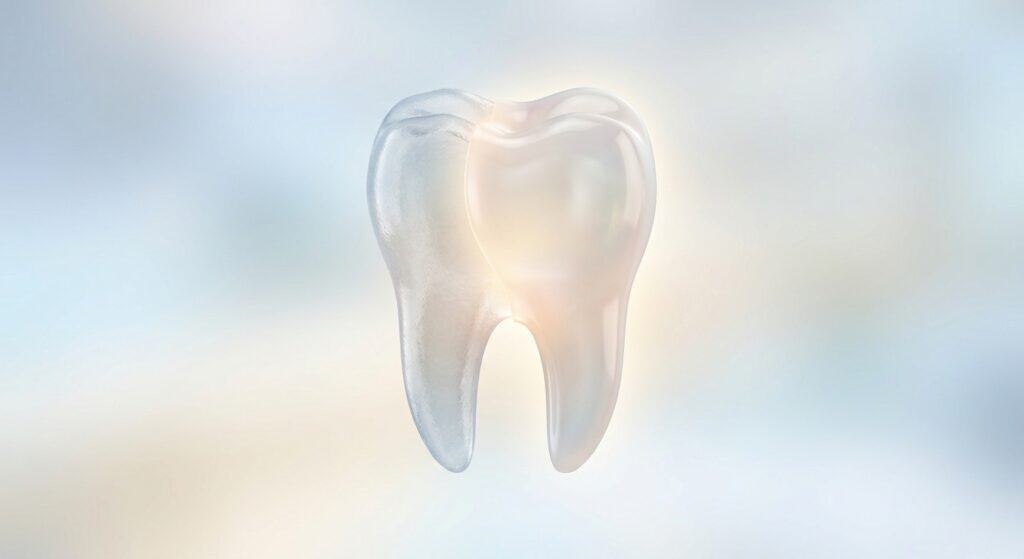

Understanding Dental Crowns: Restoring Your Smile
Dental crowns are a vital restorative and cosmetic solution used to cover a damaged or weakened tooth, effectively restoring its strength, shape, and appearance. When a tooth is significantly compromised by decay, fracture, or extensive dental work, a crown acts like a protective cap, safeguarding the underlying structure and preventing further damage. They are a cornerstone of modern dentistry for transforming smiles and preserving oral health.
These custom-made caps are meticulously designed to blend seamlessly with your natural teeth, offering a durable and aesthetically pleasing solution for various dental concerns. Whether used to support a dental bridge, cover a tooth after a root canal, or simply enhance the look of a misshapen tooth, dental crowns play a crucial role in achieving a healthy and confident smile.
The versatility of dental crowns makes them an excellent choice for restoring both the function and beauty of your smile. From repairing damage to improving aesthetics, they offer long-term benefits and can significantly boost your confidence by enhancing your smile’s natural appearance. They are an essential part of comprehensive dental care.
What Are Dental Crowns Used For?
Dental crowns are used to cover a damaged or weakened tooth, restoring its shape, size, strength, and appearance. They protect the tooth from further damage and decay, serving as a versatile solution for various dental issues. Crowns are essential for maintaining oral health and preserving your natural smile.
Crowns are typically used to protect a tooth with a large filling when there isn’t much tooth left. They are also used to protect a weak tooth from breaking or to restore a broken tooth. Additionally, crowns can hold a dental bridge in place or cover a dental implant.
Other common uses include covering a tooth that has had root canal treatment, which often makes it brittle. They can also be used for purely cosmetic reasons, such as covering misshapen or severely discolored teeth. For more information on how crowns fit into a broader restorative plan, explore options like dental implants or dental bridges.
Benefits of Dental Crowns for a Healthier Smile
Dental crowns offer extensive advantages for restoring and enhancing your oral health. They are a crucial part of essential dental restoration, providing a strong, durable solution for damaged or weakened teeth. By addressing various dental issues, crowns significantly contribute to a healthier, more robust smile that can last for years.
One of the primary benefits of dental crowns is their ability to restore a tooth’s original shape, size, and strength. This restorative function is vital for teeth that have been significantly worn down, broken, or are structurally compromised by decay. Crowns also dramatically improve the appearance of discolored or misshapen teeth, offering a natural-looking solution that boosts confidence.
Furthermore, dental crowns serve a protective role, preventing weak teeth from fracturing and supporting teeth that have large fillings. They are essential for holding a dental bridge in place or covering a dental implant, ensuring functional stability. For those seeking aesthetic improvements, crowns can also be a key component of cosmetic dentistry, effectively addressing issues like misshapen or severely stained teeth that dental veneers might not fully correct.
Reasons You Might Need a Dental Crown
Dental crowns are essential for restoring a tooth’s strength, shape, and appearance when it has been damaged or weakened. They act as a protective cap, safeguarding the underlying tooth structure from further decay or fracture. If you are experiencing significant tooth damage, persistent pain, or have undergone certain dental procedures, a crown may be recommended to protect your smile and maintain oral health.
Several scenarios can necessitate the placement of a dental crown. Severe decay that has compromised a large portion of the tooth, a fractured or broken tooth, or a tooth that has undergone root canal therapy often requires a crown. Crowns also play a crucial role in supporting a dental bridge or covering a dental implant, thereby preserving the integrity of your bite and smile. If you’re concerned about a weakened tooth, seeking an evaluation for a crown is a vital step in essential dental restoration, as detailed in our comprehensive guide to dental restoration.
For teeth that are severely discolored, misshapen, or worn down, dental crowns offer a cosmetic solution to transform your smile. They can provide a natural-looking aesthetic, boosting your confidence and improving the overall appearance of your teeth. If you’re considering aesthetic improvements, exploring options like dental veneers or crowns can help achieve your desired look. A dental crown can effectively cover imperfections and restore the uniformity and beauty of your smile, making it a versatile option for both functional and aesthetic concerns.
Types of Dental Crowns: Materials and Benefits
Dental crowns are custom-made caps designed to cover a damaged or weakened tooth, restoring its shape, size, strength, and appearance. The material chosen for a dental crown significantly impacts its durability, aesthetics, and cost. Understanding the different types available is crucial for making an informed decision about your smile’s restoration. We offer various dental restoration options to meet diverse patient needs.
Common materials used for dental crowns include porcelain, ceramic, metal alloys, and porcelain-fused-to-metal. Each material offers distinct advantages and may be better suited for different teeth or functional requirements. For instance, metal crowns are known for their exceptional strength, while porcelain and ceramic options provide a more natural tooth appearance, making them popular for cosmetic enhancements. Our team can help you determine the best fit for your smile.
Porcelain-fused-to-metal (PFM) crowns offer a balance of strength and aesthetics, with the metal providing a durable core and the porcelain outer layer mimicking natural tooth color. Ceramic crowns are an excellent choice for those seeking a highly aesthetic and biocompatible option, especially for front teeth where appearance is paramount. For posterior teeth requiring maximum durability, gold alloys or other strong metal combinations are often recommended. Exploring dental veneer options can also be part of a cosmetic smile transformation, offering another way to enhance appearance.
The Dental Crown Procedure: What to Expect
Receiving a dental crown typically involves two main appointments. The first visit focuses on preparing the tooth, taking impressions, and fitting a temporary crown. This initial step is crucial for ensuring the final restoration fits perfectly and addresses your specific needs.
During your first appointment, your dentist will examine the tooth to be crowned and prepare it by removing decay and shaping it to accommodate the crown. Following preparation, detailed impressions of your teeth are taken and sent to a dental laboratory where your custom-made crown will be crafted. Before you leave, a temporary crown is fitted to protect the prepared tooth.
At your second appointment, typically a few weeks later, the temporary crown is removed, and the permanent dental crown is checked for fit, color, and comfort. Once satisfied, the crown is permanently cemented into place, restoring the tooth’s strength, function, and appearance. This meticulous process ensures a seamless integration with your natural smile.
How Long Do Dental Crowns Last?
The lifespan of a dental crown is a significant consideration for anyone undergoing this restorative treatment. On average, dental crowns can last between 10 to 15 years, with many patients enjoying their benefits for even longer. This longevity is a testament to their durability and effectiveness in protecting and restoring damaged teeth, offering a long-term solution for improved oral health. For more information on maintaining dental restorations, check out our dental restorations care guide.
Several factors influence how long your dental crowns will last. The quality of the materials used, such as porcelain or zirconia, plays a crucial role in their durability. Additionally, the skill of the dental professional performing the placement and your personal oral hygiene habits are paramount. Consistent brushing, flossing, and regular dental check-ups are essential for maximizing the lifespan of your crowns, much like maintaining any other natural tooth.
While dental crowns are highly durable, they are not indestructible. Factors like grinding or clenching your teeth, biting down on hard objects, or poor oral hygiene can shorten their lifespan. Understanding these factors and taking preventative measures can help ensure your dental crown continues to function and look its best for many years, contributing to sustained oral health and a confident smile. For more information on restorative options, exploring expert tips for restorations can provide further insights into their function and longevity.
Caring for Your Dental Crown
Proper daily care is essential for the longevity and optimal performance of your dental crowns. Integrating simple habits into your routine can ensure your restored smile remains healthy and vibrant. Regular brushing and flossing are the cornerstones of maintaining both natural teeth and any dental restorations.
Gently brush your crown and surrounding gums twice a day using a soft-bristled toothbrush and fluoride toothpaste. Floss daily, paying special attention to the area where the crown meets the gum line to remove food particles and bacteria. Consider using an antimicrobial mouthwash to further reduce bacteria.
While dental crowns are durable, avoid biting or chewing on very hard objects like ice or hard candy, which could potentially damage them. Use your crowns for their intended purpose—eating and speaking—to preserve their condition. If you experience any issues, such as a loose crown or discomfort, contact your dental professional promptly. For more general advice on maintaining oral health, you can explore our family dental tips.
Dental Crown Costs and Insurance
Understanding the cost of dental crowns is a crucial step in planning your restorative treatment. Several factors influence the overall price, including the materials used, the complexity of the procedure, and the dentist’s expertise. For instance, materials like porcelain and zirconia tend to be more expensive than others, reflecting their durability and aesthetic qualities. These investments are essential for restoring both the function and appearance of your smile.
The exact cost of a dental crown can vary significantly, but it’s important to view this as an investment in your long-term oral health and confidence. Factors such as the geographic location of the dental practice and whether additional procedures are needed, like a root canal or bone graft, can also impact the final price. We recommend discussing your specific needs with our team to receive a personalized estimate. Understanding options like dental implants or dental bridges can also help in comparing overall treatment costs for tooth replacement.
For many patients, dental insurance can help offset the cost of crowns, especially when they are deemed medically necessary for restoring tooth function. Our team can assist you in navigating your insurance coverage and understanding what portion of the dental crown cost might be covered. Exploring options like dental veneers or inlays and onlays may also be relevant depending on your specific restorative needs, and we are happy to provide information on these as well. To learn more about the general process and common reasons for needing restorative work, you can refer to resources discussing dental crowns.
Are Dental Crowns Painful?
A common concern when considering dental crowns is the potential for pain. Fortunately, modern dental techniques and anesthesia ensure that the process of receiving a dental crown is generally very comfortable. Your dentist will typically administer local anesthetic to numb the tooth and surrounding gum tissue before any work begins, making the entire procedure virtually painless.
The dental crown procedure itself involves preparing the tooth, taking impressions, and fitting a temporary crown. While you might experience some sensitivity in the treated tooth for a few days after the anesthetic wears off, this is usually mild and manageable with over-the-counter pain relievers.
Your comfort is a top priority for our dental professionals. If you have any anxiety about dental procedures or pain, please discuss this with our team. We can explore options like sedation dentistry to ensure your experience is as relaxed and pain-free as possible. Understanding the steps involved can also help alleviate concerns.
Cosmetic Applications of Dental Crowns
Dental crowns offer remarkable possibilities for cosmetic enhancement, transforming the appearance of teeth to achieve a naturally beautiful and harmonious smile. They are an excellent solution for correcting aesthetic imperfections such as severe discoloration, misshapen teeth, or chips that detract from your overall smile’s appeal. By carefully matching the color, shape, and size of your natural teeth, cosmetic dental crowns can seamlessly integrate, boosting your confidence and self-esteem.
Beyond mere aesthetics, dental crowns can also be a vital part of broader cosmetic dental work. For instance, when addressing significant tooth damage or misalignment, crowns can serve as the final restoration after procedures like dental implants or to support a beautiful smile created with dental veneers. They are also a key component in creating complete smiles through dental bridges or by providing a natural-looking finish to restored teeth.
The versatility of dental crowns in cosmetic dentistry means they can address a range of concerns, from minor shape corrections to complete smile makeovers. They are a cornerstone of advanced cosmetic dentistry, providing durable and aesthetically pleasing results that help individuals feel more confident when they smile.
Are Dental Crowns Right for You?
Deciding if dental crowns are the ideal solution for your smile involves considering both your restorative and aesthetic goals. If you’re experiencing significant tooth damage, decay, or have undergone a root canal, a crown can protect and strengthen the remaining tooth structure. For those seeking to improve the appearance of misshapen, discolored, or worn-down teeth, cosmetic dental crowns offer a natural-looking transformation. To learn more about maintaining your smile’s health, explore our family dental tips.
To determine if dental crowns are the best fit, it’s helpful to explore alternative treatments and discuss your specific needs with a dental professional. While crowns are highly effective for many situations, other options like dental veneers might be more suitable for purely cosmetic concerns with less structural damage. Understanding the purpose of each restoration is key to making an informed decision about your oral health.
Your dentist will assess the condition of your teeth and discuss various restorative and cosmetic dentistry options available. This consultation will help you weigh the benefits of dental crowns against alternatives such as inlays or onlays, dental implants, or dental bridges. By carefully considering these factors, you can confidently choose the path that leads to your healthiest and most radiant smile.
Conclusion: Investing in Your Smile with Dental Crowns
Dental crowns are a significant investment in both your oral health and your overall confidence. By restoring damaged or weakened teeth, they provide a durable and aesthetically pleasing solution that can transform your smile. Whether addressing decay, damage, or cosmetic concerns, crowns offer a long-term path to a healthier, more radiant appearance.
Considering the various options available, from porcelain to zirconia, allows for a tailored approach to meet individual needs. These modern materials ensure that your restored teeth look and feel natural, seamlessly integrating with your existing smile. The enduring benefits of dental crowns extend beyond mere aesthetics, playing a crucial role in preserving tooth structure and preventing further dental issues.
For those looking to enhance their smile’s appearance or restore functionality, exploring options like dental veneers or considering comprehensive cosmetic dentistry services can provide further avenues for transformation. Ultimately, investing in dental crowns is an investment in a brighter, more confident future, ensuring your smile remains healthy and vibrant for years to come. For further restorative options, explore our services in dental implants, cosmetic dentistry, dental bridges, and dental veneers.