

Overview
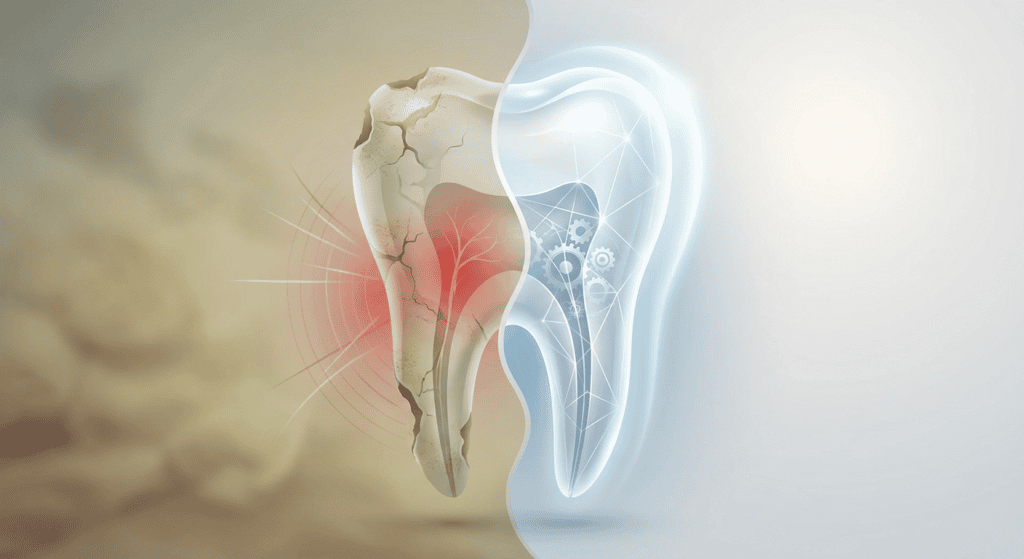
Tooth decay is damage to a tooth’s surface, or enamel, caused by acids produced by bacteria in the mouth. This common dental problem can affect anyone, leading to cavities and more severe dental issues if left untreated.
Understanding how tooth decay develops and what steps you can take to prevent it helps keep your smile healthy.
- Definition: Gain a clear picture of what tooth decay is and how it impacts oral wellness.
- Sources: Explore the primary causes of decay, from diet to oral hygiene habits.
- Indicators: Learn to identify common symptoms and pain associated with dental damage.
- Treatments: Find out about various root canal options and other procedures for advanced decay.
- Protection: Discover practical methods for preventing future decay through daily care.
- Next Steps: Get advice on addressing decay concerns and seeking timely dental help.
Tooth Decay: What It Is
Tooth decay, often called cavities or dental caries, is the damage to a tooth’s surface, or enamel. This damage occurs when bacteria in your mouth produce acids that attack the enamel, creating small holes. Over time, these holes can grow deeper, affecting the inner layers of the tooth and potentially leading to pain or infection. Regular dental care helps prevent this process.
The progression of tooth decay can vary, starting as a small, unnoticeable spot and potentially growing into a large cavity if not addressed. Early detection through routine dental checkups allows for simpler treatments like fillings. Without treatment, tooth decay can lead to significant discomfort and more complex procedures. Our team helps you maintain good oral hygiene to keep your smile healthy.
Causes of Tooth Decay
Tooth decay starts when bacteria in your mouth interact with sugars from the foods and drinks you consume. These bacteria produce acids that attack the tooth enamel, the hard outer layer of your teeth. Over time, these acid attacks weaken the enamel, creating small holes or cavities. The process of tooth decay can worsen without proper oral hygiene and regular dental check-ups, leading to deeper damage.
Several factors contribute to the development of tooth decay, making some individuals more prone to cavities. Understanding these common causes helps in taking preventative measures. For example, our team can offer preventative dental care tailored to your needs.
| Factor | Description |
|---|---|
| Sugary and Acidic Foods | Frequent consumption of sugary snacks, drinks, and acidic foods creates an ideal environment for bacteria to thrive and produce harmful acids. These acids quickly break down tooth enamel, beginning the process of tooth decay. Limiting these items is a simple way to protect your smile. |
| Poor Oral Hygiene | Not brushing twice daily or failing to floss allows plaque to build up on your teeth. Plaque is a sticky film of bacteria that constantly forms on your teeth. When plaque stays on teeth, bacteria continue to produce acids that attack the enamel, leading to cavities. Regular oral hygiene practices are important. |
| Dry Mouth | Saliva helps wash away food particles and neutralize acids produced by bacteria. A dry mouth, often caused by certain medications or medical conditions, means less saliva production. This increases the risk of tooth decay because there is less natural protection against acid attacks. |
| Lack of Fluoride | Fluoride, a natural mineral, helps strengthen tooth enamel and makes it more resistant to acid attacks. It can even reverse very early signs of tooth decay. Many toothpastes and some public water supplies contain fluoride. Your dentist can also provide professional fluoride treatments for more. |
| Deep Grooves on Teeth | Some teeth have deep pits and grooves, particularly molars. These areas can trap food particles and bacteria, making them difficult to clean with brushing alone. This makes them more susceptible to tooth decay. Dental sealants can offer a protective barrier for these vulnerable areas. |
Symptoms and Pain
As tooth decay advances, it often presents with distinct signs and increasing discomfort. Recognizing these indicators early allows for timely intervention, potentially preventing more serious dental issues. The type and intensity of pain can vary depending on how far the decay has spread within the tooth.
| Common Symptoms of Advancing Tooth Decay | Description |
|---|---|
| Tooth Sensitivity | A common early sign, sensitivity occurs when consuming hot, cold, sweet, or acidic foods and drinks. This happens as decay erodes the enamel, exposing the inner layers of the tooth. |
| Mild to Sharp Pain | Pain can range from a mild ache to sharp jolts, especially when biting down or applying pressure. This indicates that the decay may be affecting deeper tooth structures. |
| Persistent Toothache | An ongoing ache that does not subside suggests significant tooth decay, possibly reaching the pulp where nerves are located. Seek prompt attention for persistent toothaches. |
| Visible Holes or Pits | As decay progresses, it can create noticeable holes or pits on the tooth surface. These are areas where bacteria have eroded the enamel and dentin. |
| Dark Spots or Stains | Brown, black, or white staining on any tooth surface can indicate areas of active tooth decay. These discoloration points are often where bacteria have begun their damage. |
| Bad Breath or Bad Taste | Bacterial accumulation in decayed areas can lead to chronic bad breath or an unpleasant taste in the mouth. This is a sign of infection within the tooth structure. |
| Swelling Around the Tooth | In advanced cases, infection can spread, causing swelling or tenderness in the gum around the affected tooth. This symptom often accompanies severe tooth decay requiring immediate care. |
Identifying Decay Stages by Discomfort
The intensity and type of pain often reflect the stage of tooth decay. Mild sensitivity to temperature or sweets may signal early enamel erosion. Constant throbbing pain, especially at night, indicates that the decay has likely reached the inner pulp, containing nerves and blood vessels. This stage usually requires more involved treatment, such as a root canal procedure.
Ignoring these pain signals allows tooth decay to worsen, potentially leading to abscesses or tooth loss. Early detection through regular dental checkups and cleanings helps address issues before they become severe. For any signs of pain or sensitivity, schedule an appointment with a dental professional to assess the situation and recommend appropriate care.
Root Canal Treatment Options
When tooth decay reaches the inner pulp of a tooth, a root canal may be the recommended treatment to relieve pain and save the tooth. This procedure involves removing the infected or inflamed pulp, cleaning and shaping the inside of the root canal, and then filling and sealing the space. A dental crown or filling is typically placed on top to restore the tooth’s function and appearance. Seeking early treatment for significant tooth decay can prevent more extensive damage and complications.
Other treatments for severe tooth decay include fillings for smaller cavities or extractions if the tooth cannot be saved. Your dentist will assess the extent of the decay and recommend the most appropriate option to address your specific condition and provide lasting relief. Regular checkups help catch issues before they progress.
| Pain Relief Method | Description |
|---|---|
| Root Canal Therapy | Removes infected pulp from inside the tooth, alleviating severe pain caused by deep decay. |
| Dental Fillings | Used for smaller cavities to remove decayed material and restore the tooth structure, stopping pain from exposed nerves. |
| Tooth Extractions | Removes a tooth that is too damaged by decay to be saved, offering immediate pain relief for untreatable cases. |
| Medication | Over-the-counter pain relievers or prescribed antibiotics can manage discomfort and infection before or after dental procedures. |
Preventing Future Tooth Decay
Preventing tooth decay keeps your smile healthy and avoids discomfort. Consistent daily habits make a big difference in protecting your teeth from cavities. You can significantly reduce your risk of tooth decay with proper oral care and smart dietary choices.
Daily Oral Care Practices
Good daily habits are your primary defense against tooth decay. Regular cleaning removes plaque and food particles before they can cause harm. Establish a routine that works for you and stick to it.
- Brush Twice Daily: Use fluoride toothpaste and a soft-bristled brush to clean all tooth surfaces. Fluoride helps strengthen enamel, making it more resistant to acid attacks.
- Floss Daily: Flossing removes food trapped between teeth and along the gum line where your toothbrush cannot reach. This stops plaque buildup in these hard-to-access areas.
- Use Mouthwash (Optional): An antiseptic or fluoride mouthwash can provide an extra layer of protection by reducing bacteria and strengthening enamel. Discuss options with your dentist.
- Regular Dental Cleanings: Professional cleanings remove tartar and plaque that daily brushing and flossing might miss. These visits allow dentists to monitor your oral health and catch early signs of tooth decay.
Diet and Lifestyle Adjustments
What you eat and drink directly impacts your oral health and can either promote or prevent tooth decay. Making thoughtful choices about your diet can significantly lower your risk.
- Limit Sugary Foods and Drinks: Sugar feeds the bacteria in your mouth that produce acids, leading to tooth decay. Reduce your intake of candies, sodas, and processed snacks.
- Eat a Balanced Diet: A diet rich in fruits, vegetables, and lean proteins provides essential nutrients for strong teeth and gums. Foods like cheese and plain yogurt can also help neutralize acids. Consider a healthy diet to support your dental health.
- Stay Hydrated with Water: Drinking water throughout the day helps rinse away food particles and maintains saliva flow, which naturally cleanses your mouth and neutralizes acids.
- Avoid Tobacco Products: Smoking and chewing tobacco increase your risk of gum disease and tooth decay. Quitting these habits significantly improves your overall oral and general health. Resources are available to help you stop.
Addressing Tooth Decay Concerns
Taking prompt action against tooth decay is very important to keep your oral health strong. Ignoring early signs can lead to more serious issues, such as severe pain, infection, or even tooth loss. Regular dental visits allow for early detection and intervention, preventing minor problems from escalating.
Our team at Heritage Dental Centre helps patients maintain healthy smiles. We provide services ranging from routine cleanings to restorative treatments. For concerns about tooth decay, or to schedule a check-up, contact our office for more.