
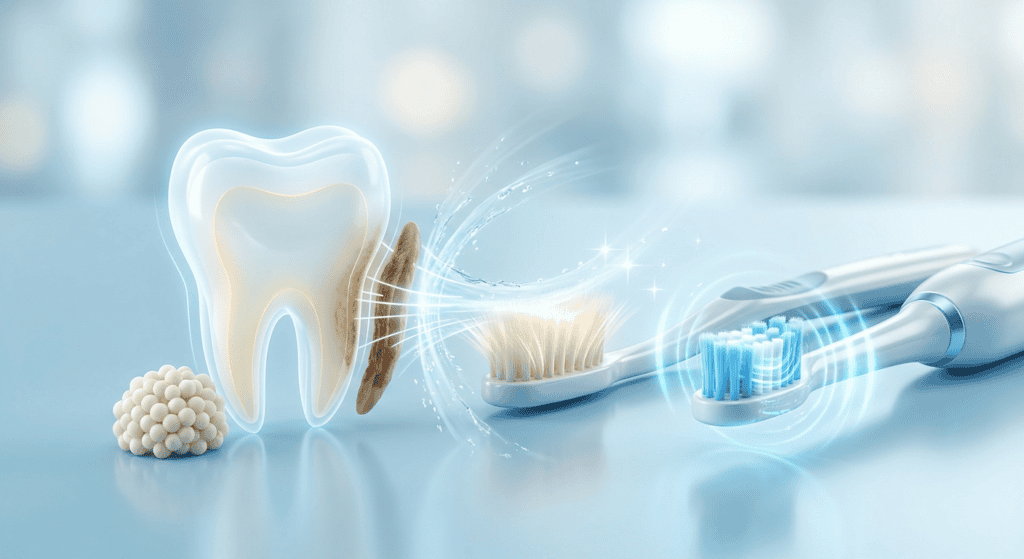
A detailed digital illustration showing a tooth undergoing cleaning, with dental tools, plaque removal, and sparkling clean teeth, emphasizing oral hygiene and dental treatment.

Oral Hygiene Guide: Plaque, Tartar, Brushing & Dentin

Master effective oral hygiene with expert tips on brushing to combat plaque and tartar. Learn how to achieve healthier teeth and a confident smile. Get started now!

Understanding Oral Hygiene: Plaque, Tartar, and Your Smile

Mastering oral hygiene is essential for a healthy mouth and a confident smile. Understanding the basics, like the differences between plaque and tartar, is the first step toward effective daily care. These sticky substances are the primary culprits behind many common dental issues if not managed properly.

Plaque is a colorless film of bacteria that constantly forms on your teeth, while tartar (calculus) is hardened plaque that can only be removed by a dental professional. Both contribute to tooth decay and gum disease if left unchecked, underscoring the importance of consistent and thorough cleaning routines. To learn more about this distinction, review our plaque vs tartar teeth guide.

Maintaining optimal oral hygiene involves more than just brushing; it requires a comprehensive approach that includes regular professional dental care. By understanding these foundational elements, you can better protect your teeth and gums from damage and disease, leading to a lifetime of healthy smiles.

PlaqueTartar (Calculus)
Soft, sticky film of bacteria and food particles.Hardened plaque that adheres strongly to teeth.
Forms continuously on teeth and along the gum line.Forms when plaque is left on teeth for extended periods and calcifies.
Can be removed with daily brushing and flossing.Requires professional dental cleaning (scaling) to remove.
Contributes to tooth decay and gum inflammation (gingivitis).Aggravates gum disease (periodontitis) and can lead to tooth loss.

Plaque vs. Tartar: Key Differences and Implications

Understanding the distinction between plaque and tartar is fundamental to effective oral hygiene. Plaque is a sticky, colorless film of bacteria that constantly forms on your teeth. If not removed daily, it can harden into tartar, a more stubborn substance.

The key difference lies in their composition and removability. Plaque is a soft deposit that can be brushed and flossed away. Tartar, also known as calculus, is calcified plaque that adheres firmly to the tooth surface and requires professional cleaning to remove. This difference in removability has significant implications for your dental health, and you can learn more about the difference between plaque and tartar on our site.

Recognizing these differences helps in implementing the correct strategies for maintaining a healthy mouth. Daily brushing and flossing are crucial for preventing plaque buildup, while regular dental check-ups are essential for professional cleaning and the removal of hardened tartar. This proactive approach is vital for preventing more serious dental issues.

Effective Methods for Removing Plaque and Tartar

Plaque, a sticky film of bacteria, constantly forms on teeth and must be removed daily to prevent hardening into tartar. Effective plaque removal is the first step in preventing cavities and gum disease. Brushing at least twice a day with fluoride toothpaste disrupts plaque accumulation on all tooth surfaces and along the gum line.

Complementing brushing with daily flossing or using interdental brushes is essential for cleaning areas that toothbrushes cannot reach. These mechanical cleaning methods prevent plaque from calcifying into tartar. While diligent home care is crucial, tartar, once formed, is difficult to remove without professional help.

Professional dental cleanings are indispensable for removing tartar. Dental hygienists use specialized instruments to scale away tartar deposits. Regular dental check-ups and cleanings are vital for maintaining overall oral health and preventing more serious dental concerns. Understanding the difference between plaque and tartar is key to appreciating the necessity of both home care and professional intervention. Learn more about plaque vs tartar.

Choosing Your Toothbrush: Manual vs. Electric

Selecting the right toothbrush is a fundamental step in establishing effective oral hygiene practices. The choice often boils down to two main categories: manual toothbrushes and electric toothbrushes. Each type offers a unique approach to cleaning your teeth and gums, and understanding their differences is key to making an informed decision for your daily routine.

Many individuals ponder whether a manual or electric toothbrush is superior for their dental care needs. While both can be effective when used correctly, they operate differently and cater to various preferences and requirements. Our team at Heritage Dental Centre is here to guide you through this decision.

The journey to optimal oral hygiene involves carefully considering all aspects of your routine, including the tools you use. A well-chosen toothbrush can significantly impact your ability to remove plaque, prevent cavities, and maintain healthy gums. For professional advice on how to best care for your teeth, consider scheduling regular dental exams and hygiene therapy.

Manual vs. Electric Toothbrushes: Pros, Cons, and Recommendations

Choosing between a manual and an electric toothbrush is a key decision for your oral hygiene. Both types have distinct advantages and disadvantages, and the best option often hinges on personal preference, physical dexterity, and specific dental needs. Understanding these differences helps in selecting a tool that promotes effective cleaning and supports healthy gums. For more on this topic, explore our guide on electric vs. manual toothbrushes.

Manual toothbrushes are simple, affordable, and readily available. Their effectiveness depends entirely on your brushing technique and ability to reach all tooth surfaces. Electric toothbrushes, conversely, utilize powered oscillations or rotations to clean teeth, often requiring less user effort and potentially offering a more consistent clean for many individuals.

Ultimately, the most crucial factor is consistent and correct brushing technique, regardless of the toothbrush type. Consulting with dental professionals for personalized advice on your oral care routine is always beneficial.

  • Manual Toothbrushes: Pros
    • Affordable and widely accessible.
    • No need for charging or batteries.
    • Allow for precise control over brushing pressure and technique.
    • Travel-friendly.
  • Manual Toothbrushes: Cons
    • Effectiveness relies heavily on user technique.
    • May not clean as thoroughly as electric options for some users.
    • Can be harder to reach certain areas of the mouth.
    • May be less effective for individuals with limited mobility.
  • Electric Toothbrushes: Pros
    • Often provide a more thorough clean due to powered movements.
    • Easier to use, especially for those with dexterity issues.
    • Many models include built-in timers and pressure sensors.
    • Can be more motivating for consistent brushing.
  • Electric Toothbrushes: Cons
    • Higher initial cost.
    • Require charging or battery replacement.
    • Replacement brush heads can be expensive.
    • Bulkier and less convenient for travel.

Guidance on Selecting the Best Toothbrush for Your Needs

Choosing the right toothbrush is a crucial step in maintaining optimal oral hygiene. Factors such as bristle softness, head size, and handle comfort all play a role in effective cleaning and preventing damage to your gums and enamel. For more information on maintaining a healthy mouth, consider these family dental tips.

Consider your specific oral health needs when making a selection. For instance, individuals with sensitive gums or exposed dentin might benefit more from a soft-bristled brush, while those with braces may require specialized designs. Consulting with a dental professional can offer personalized recommendations tailored to your unique situation. Regular dental exams are key to understanding these needs.

When selecting a toothbrush, pay attention to the following points: the size and shape of the brush head should comfortably reach all areas of your mouth, including the back molars. Bristles should be soft to prevent gum irritation and enamel wear, aligning with recommendations for gentle yet thorough cleaning. Handle ergonomics are also important; a comfortable grip ensures better control during brushing, which is essential for effective plaque removal and supporting overall hygiene therapy.

Exposed Dentin: Causes, Symptoms, and Prevention

Exposed dentin occurs when the protective outer layers of your teeth, enamel and cementum, wear away, revealing the sensitive inner layer called dentin. This can lead to discomfort and an increased risk of dental issues. Understanding the causes is the first step toward prevention and management.

Several factors contribute to dentin exposure. These include aggressive brushing, acidic foods and drinks, teeth grinding (bruxism), and gum recession. When dentin is exposed, the tiny tubules within it become vulnerable, leading to sensitivity when consuming hot, cold, sweet, or acidic substances. Recognizing these signs is crucial for addressing the problem promptly. For more information on maintaining oral health, check out our family dental tips.

  • Aggressive Brushing: Using a hard-bristled toothbrush or brushing too forcefully can wear down enamel.
  • Acidic Foods and Drinks: Frequent consumption of items like citrus fruits, sodas, and sports drinks can erode tooth enamel.
  • Teeth Grinding (Bruxism): Unconscious grinding or clenching of teeth, especially during sleep, puts excessive force on enamel.
  • Gum Recession: When gums pull away from teeth, they expose the root surface, which is covered by cementum and is softer than enamel.
  • Tooth Erosion: This is the loss of tooth structure due to chemical processes, often linked to acidic diets or medical conditions like acid reflux.

Preventing exposed dentin involves mindful oral hygiene and addressing underlying issues. Gentle brushing with a soft-bristled toothbrush and fluoride toothpaste is essential for maintaining enamel integrity. Limiting acidic foods and beverages, and rinsing your mouth with water afterward, can also help protect your teeth. If you suspect you grind your teeth, discuss options like a night guard with your dentist. Regular dental check-ups allow professionals to monitor your oral health and provide early intervention strategies, such as discussing the importance of dental check-ups for detecting early signs of wear and recession.

Treating Exposed Dentin and Managing Sensitivity

When dentin becomes exposed, it can lead to significant tooth sensitivity and discomfort. Fortunately, several effective treatments are available to address exposed dentin and manage sensitivity. These treatments aim to protect the vulnerable dentin, reduce pain, and restore the tooth’s health and function.

Various restorative dentistry options can be employed to cover exposed dentin and alleviate sensitivity. These include the application of desensitizing agents, dental bonding, or even more comprehensive treatments like crowns or veneers, depending on the extent of the exposure. For personalized care and to determine the best approach for your specific needs, consulting with our professionals at Heritage Dental Centre is essential. You can learn more about these options in our restorative dentistry guide.

  • Desensitizing Toothpastes. These contain compounds that block the transmission of sensation from the tooth surface to the nerve. Consistent use can lead to a noticeable reduction in sensitivity over time.
  • Dental Bonding. A tooth-colored resin material can be applied to the exposed root surface to seal it off and provide a protective barrier. This is a common and effective treatment for localized sensitivity.
  • Fluoride Varnish or Gel Application. Dentists can apply higher concentrations of fluoride to strengthen enamel and dentin, helping to reduce sensitivity and prevent further decay. This is often done during regular dental checkups.
  • Dental Crowns. For more severe cases where a large portion of the tooth structure is compromised, a dental crown can cover the entire tooth, providing complete protection and restoring function. This is a key service for comprehensive dental health.
  • Dental Veneers. Similar to crowns, veneers can be used to cover the front surface of teeth, masking exposed dentin and improving aesthetics. We offer guidance on understanding dental veneer costs and benefits.

Managing tooth sensitivity also involves adopting good oral hygiene practices and making mindful lifestyle choices. Using a soft-bristled toothbrush and gentle brushing technique is crucial to avoid further irritating exposed areas. Avoiding acidic foods and drinks, which can erode enamel, can also significantly help in preventing and managing sensitivity. For more in-depth understanding, exploring resources on oral hygiene can provide valuable insights into maintaining a healthy mouth, and for additional tips, check out our family dental tips.

The Role of Professional Dental Visits in Oral Hygiene

Regular professional dental visits are absolutely indispensable for maintaining superior oral hygiene. These appointments are not just for cleaning; they are crucial for early detection of potential issues that might otherwise go unnoticed. Dentists and hygienists possess the tools and expertise to address problems at their earliest stages, preventing them from escalating into more complex and costly conditions.

Professional dental cleanings are particularly vital for the removal of tartar, a hardened form of plaque that cannot be eliminated through daily brushing and flossing alone. A thorough dental cleaning removes this stubborn buildup, which can harbor bacteria and contribute to gum disease. Beyond cleaning, routine dental exams allow professionals to identify signs of tooth decay, oral cancer, and other health concerns. Early intervention is key to successful treatment and preserving your oral and overall well-being.

The comprehensive care provided during these visits extends to specialized treatments like hygiene therapy, which is essential for managing gum health. By attending regular appointments, you are investing in the long-term health of your smile and preventing a myriad of potential problems. These professional interventions, combined with a diligent at-home routine, form the bedrock of excellent oral hygiene, ensuring your teeth and gums remain healthy for years to come. For more insights into maintaining healthy teeth, consulting resources on proper teeth care can be beneficial.

Common Oral Hygiene Myths Debunked

Many people hold onto common misconceptions about oral hygiene that can hinder their efforts to maintain a healthy smile. Understanding the facts behind these myths is crucial for adopting effective practices. Dispelling these myths ensures you’re not inadvertently harming your teeth and gums through outdated or incorrect information.

One prevalent myth is that aggressive brushing is the best way to ensure cleanliness. In reality, vigorous scrubbing can lead to enamel erosion and gum recession, making teeth more susceptible to sensitivity and decay. Another common belief is that if your teeth don’t hurt, your oral hygiene is perfect; however, many dental issues, such as early-stage gum disease or cavities, are painless until they become advanced.

It’s also often thought that sugar-free sodas are harmless to teeth, but their high acidity can still erode enamel. Furthermore, the idea that you only need to brush your teeth until they feel “clean” can be misleading, as plaque can be invisible and require thorough, proper brushing techniques. Regular professional cleanings are essential for removing hardened plaque, known as tartar, which cannot be removed by brushing alone, reinforcing the importance of scheduled visits for comprehensive dental hygiene therapy and dental exams. For more on maintaining a healthy smile, explore our advanced tips for a healthier smile.

Oral Hygiene and Its Link to Overall Health

Maintaining excellent oral hygiene extends far beyond having a bright smile; it plays a critical role in your overall systemic health. The health of your mouth can reflect and influence the health of your entire body, making diligent dental care essential. Regular professional cleanings and check-ups are vital components of this comprehensive approach to well-being.

Research has increasingly highlighted the connections between oral health and various systemic conditions. For instance, poor oral hygiene can contribute to an increased risk of cardiovascular disease, diabetes complications, and respiratory infections. The bacteria present in the mouth, if left unchecked, can enter the bloodstream or be inhaled into the lungs, leading to widespread inflammation and infection.

Prioritizing your dental health through consistent daily practices and regular visits to your dental professional can have profound positive effects on your overall health. Understanding these connections empowers individuals to make informed choices that benefit both their smile and their general well-being. For maintaining optimal oral health, professional hygiene therapy and regular dental check-ups are fundamental.

Your Comprehensive Oral Hygiene Routine: Next Steps

Establishing a thorough daily oral hygiene routine is paramount for preventing dental issues and maintaining a healthy smile. This involves a combination of diligent home care practices and regular professional dental visits. By consistently following these steps, you can effectively manage plaque and prevent tartar buildup. For more information on this topic, you can explore our plaque vs tartar differences.

A comprehensive routine should include brushing your teeth at least twice a day for two minutes each time, and flossing daily to clean between teeth. Regular dental check-ups are crucial for professional cleaning and early detection of problems. For individuals with specific needs, treatments may be recommended by your dentist.

  • Consistent Brushing: Use a fluoride toothpaste and a toothbrush suited to your needs, ensuring you reach all surfaces of your teeth.
  • Daily Flossing: Floss at least once a day to remove food particles and plaque from areas your toothbrush cannot reach.
  • Dietary Awareness: Limit sugary and acidic foods and drinks that can contribute to tooth decay and enamel erosion.
  • Professional Care: Schedule regular dental cleanings and check-ups to maintain optimal oral health and address any emerging concerns.

Achieving and Maintaining Peak Oral Hygiene

Mastering oral hygiene is an ongoing commitment that yields significant rewards for your overall health and well-being. By consistently applying the principles discussed, from diligent brushing and flossing to understanding the nuances of plaque and tartar, you create a strong foundation for a healthy smile that lasts a lifetime. Remember that regular professional care, such as dental check-ups and hygiene therapy, is an integral part of this journey.

To achieve and maintain peak oral hygiene, it’s essential to integrate effective practices into your daily routine. This includes daily brushing and flossing, utilizing the right tools, and understanding when to seek professional intervention. For those concerned about specific issues like exposed dentin, targeted treatments can provide relief and protection. Your commitment to these practices ensures your smile remains healthy and vibrant.

The path to optimal oral hygiene involves consistent effort and informed choices. By understanding the role of plaque and tartar, selecting appropriate brushing tools, and addressing issues like exposed dentin, you are well-equipped to protect your teeth and gums. Prioritizing regular visits to your dental professional for services like dental exams and hygiene therapy will further safeguard your long-term oral health.

Sign Up for an Appointment

It just takes a few minutes to book a visit online.

"*" indicates required fields

Name*
MM slash DD slash YYYY
Dental Blog

More Dental Blog Posts

Keep reading some of our latest articles about all things dental.