
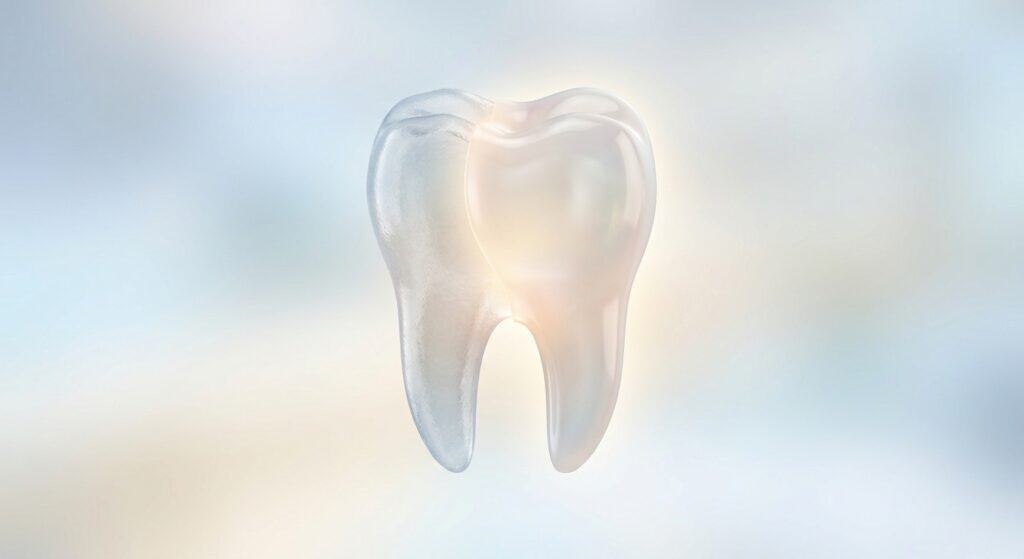
Dental crown on molar tooth, close-up view.

Dental Crown Benefits: Restore Your Smile & Oral Health

Restore your smile and oral health with dental crowns. Discover the benefits and find out how they can transform your teeth. Learn more now!

Understanding Dental Crown Benefits

Understanding the significant dental crown benefits is crucial for anyone considering restoring their smile and improving overall oral health. Dental crowns act as protective caps, shielding damaged teeth and revitalizing their appearance and function. They are a versatile and effective solution for a variety of dental issues, offering a durable and aesthetically pleasing outcome.

The primary goal of a dental crown is to restore a tooth’s strength, shape, size, and overall appearance. When a tooth is compromised by decay, damage, or has undergone a root canal, a crown provides the necessary reinforcement. This restoration not only saves the natural tooth structure but also prevents further complications and contributes to a healthier, more functional mouth.

For those experiencing significant tooth damage or aesthetic concerns, exploring the dental crown benefits can lead to a renewed sense of confidence. These restorations offer a robust solution that blends seamlessly with natural teeth, improving bite alignment and making everyday activities like eating and speaking more comfortable. Discovering why you may need a dental crown is the first step toward achieving optimal oral well-being, and understanding the advantages of cosmetic options like veneers can also be helpful when considering your smile makeover.

What is a Dental Crown?

A dental crown, often referred to as a tooth cap, is a custom-made covering that encases a damaged tooth. It is designed to restore the tooth’s original shape, size, and strength, while also improving its overall appearance. Crowns serve a vital role in restorative dentistry, protecting compromised teeth from further damage and enhancing their function.

The primary purpose of a dental crown is to cover a tooth that is broken, worn down, or has significant decay. It acts as a protective shield, reinforcing the remaining tooth structure and preventing it from fracturing. This restorative solution is crucial for maintaining the integrity of your bite and preventing the need for more extensive dental work down the line.

Dental crowns are essential for several reasons in maintaining oral health. They are frequently used after a root canal procedure to protect the weakened tooth. Additionally, crowns can support a tooth with a large filling when there isn’t much tooth left, or they can be used to anchor a dental bridge. Understanding how these restorations function is key to appreciating their numerous dental crown benefits. If you experience anxiety about dental procedures, exploring options for dental anxiety management can help ease your concerns.

Why You Might Need a Dental Crown

There are several common reasons why a dentist might recommend a dental crown, including protecting a weak tooth from breaking, restoring a broken or severely worn-down tooth, covering and supporting a tooth with a large filling, and holding a dental bridge in place. A crown can also cover misshapen or severely discolored teeth, and it is often the final step in a root canal procedure. To learn more about the specific circumstances that necessitate this treatment, you can explore the various reasons for needing a dental crown for more.

Several dental issues can necessitate the need for a dental crown, a restorative solution designed to protect and rebuild a tooth. Understanding why you may need a dental crown can help you determine if it is the right option for your oral health. These situations often involve significant damage or decay that compromises the tooth’s structure and function.

One of the most common reasons for needing a dental crown is extensive tooth decay. When decay is too advanced for a simple filling, a crown can cover the entire damaged portion of the tooth, preventing further decay and restoring its shape. This procedure is crucial for saving a tooth that might otherwise require extraction.

Fractured or broken teeth also frequently require a dental crown. A crack or break can weaken the tooth, making it susceptible to further damage and pain. A crown provides the necessary support and protection, effectively holding the tooth together and allowing you to chew normally again. This is especially important for teeth that bear significant biting force.

A tooth that has undergone root canal treatment is often weakened and more brittle. Dentists typically recommend placing a dental crown over a tooth after a root canal to protect it from fracturing. The crown acts as a strong cap, reinforcing the treated tooth and ensuring its long-term survival and functionality.

Significant wear and tear on a tooth, often caused by grinding (bruxism) or aggressive brushing, can also lead to the need for a crown. When a tooth becomes worn down, it can become sensitive, painful, and prone to breakage. A crown can restore the tooth’s original shape and size, protecting it from further erosion.

Dental crowns are also essential for supporting a dental bridge or covering a dental implant. When a tooth is missing, a bridge uses adjacent teeth as anchors, and these anchor teeth often need crowns for support. Similarly, a dental crown is typically the final restoration placed on top of a dental implant to create a functional and aesthetically pleasing tooth.

The Core Dental Crown Benefits

Understanding the various reasons why a dentist might recommend a crown can help you make informed decisions about your oral health; for more details on these reasons, please see our guide to why you may need a dental crown.

Dental crowns offer a multitude of advantages that go beyond mere aesthetics, playing a crucial role in restoring both the appearance and functional integrity of your smile. Our experience serving the local area has shown that dental crown benefits extend far beyond just aesthetics, providing crucial structural support for many patients. They are a versatile and effective solution for a variety of dental concerns, significantly enhancing overall oral health. To understand more about why you might need one, explore our guide on reasons for needing a dental crown.

These restorative coverings are designed to fully encase a damaged tooth, offering protection and strength. They can transform a weakened or compromised tooth into a healthy, functional one, thereby preventing further damage and discomfort. The benefits are extensive, touching on everything from improving your bite to safeguarding your tooth from future issues.

  • Restored Strength and Durability. A dental crown acts like a protective cap, reinforcing a tooth that has been significantly weakened by decay, a large filling, or fracture. This restoration of structural integrity prevents the tooth from breaking and allows you to chew and speak normally.
  • Improved Appearance. For teeth that are discolored, misshapen, or severely worn down, dental crowns offer a cosmetic solution. They are custom-made to match the color, shape, and size of your natural teeth, seamlessly blending in to create a beautiful and uniform smile.
  • Protection After Root Canals. Teeth that have undergone root canal therapy often become more brittle. A crown is typically recommended after a root canal to protect the treated tooth from fracturing and to seal it off from further infection.
  • Support for Dental Bridges. When a tooth is missing, dental crowns are often placed on the adjacent teeth to anchor a dental bridge. These crowns provide the necessary support structure for the bridge, restoring your ability to chew and speak comfortably.
  • Prevention of Further Damage. A crown shields a vulnerable tooth from additional wear and tear. For teeth that are severely worn down, a crown can restore their original height and prevent further erosion, safeguarding them from decay and sensitivity. Learn more about why you may need a dental crown.

Types of Dental Crowns and Materials

Choosing the right material for your dental crown is crucial, as each offers unique benefits regarding durability, appearance, and cost. Understanding these options empowers you to make an informed decision that best suits your needs and aesthetic goals.

Different materials provide varying levels of strength and visual appeal, influencing how natural the crown looks and how long it lasts. Our team at Heritage Dental Centre can help guide you through the selection process to find the perfect fit for your smile. For a comprehensive understanding of smile restoration options, consider exploring our cosmetic dental crowns guide.

MaterialDurabilityAestheticsCost
PorcelainModerateExcellent (most natural-looking)Moderate to High
CeramicGoodExcellent (similar to porcelain)High
Metal Alloys (e.g., gold, palladium)Excellent (very durable)Low (metallic appearance)Moderate
Porcelain-Fused-to-Metal (PFM)GoodGood (porcelain layer hides metal)Moderate

Porcelain and ceramic crowns are highly favored for their natural appearance, making them ideal for front teeth where aesthetics are paramount. Their tooth-like translucency allows them to blend seamlessly with surrounding natural teeth.

Metal crowns, while not as aesthetically pleasing, offer superior strength and durability, making them a robust choice for molars or teeth that undergo significant chewing pressure. They are highly resistant to chipping and breaking.

Porcelain-fused-to-metal (PFM) crowns offer a compromise, combining the strength of metal with the aesthetic appeal of porcelain. However, the metal substructure can sometimes show through as a dark line at the gum line over time.

The Dental Crown Procedure: What to Expect

Embarking on the journey to get a dental crown involves several key stages, designed to ensure a precise fit and optimal restoration of your tooth. Understanding this process, from your initial consultation through to the final placement and aftercare, can help demystify the procedure and prepare you for what to expect at each step. Our team is dedicated to making this experience as comfortable and informative as possible, highlighting the essential dental crown benefits you’ll receive. We also want to ensure you understand any potential issues, such as the causes of stale mouth meaning.

Initial Consultation and Preparation

Your dental crown journey begins with a thorough examination by your dentist. This includes reviewing your dental history, taking X-rays, and assessing the condition of the affected tooth. If a crown is deemed the best solution, the dentist will discuss the various material options and their associated dental crown benefits, as well as other common pediatric dental concerns like baby fang teeth first.

  • The tooth is examined to determine the extent of damage or decay.
  • Digital X-rays are taken to assess the tooth’s root and surrounding bone.
  • The dentist will discuss the necessity of a crown and its potential benefits for your oral health.
  • Anesthesia is administered to ensure comfort during the preparation phase.
  • The tooth is reshaped by filing away a portion of its outer surface to make room for the crown.

Temporary Crown Placement and Permanent Crown Creation

After preparing the tooth, a temporary crown is placed to protect it while the permanent crown is being custom-made. This temporary restoration helps maintain the tooth’s shape and function during the interim period. The impressions or digital scans are then sent to a dental laboratory where skilled technicians craft your permanent crown, and understanding how to properly clean it can help prevent issues like gum recession, which is why knowing the difference between an electric vs manual toothbrush is important.

  • An impression or digital scan of the prepared tooth is taken.
  • A temporary crown, typically made of acrylic or metal, is fitted over the prepared tooth.
  • This temporary crown protects the tooth from sensitivity and prevents shifting while the permanent one is fabricated.
  • Impressions are sent to a dental laboratory for the custom creation of your permanent crown.

Final Fitting and Placement

Once the permanent crown is ready, it is carefully fitted and adjusted to ensure a perfect bite and comfortable feel. The dentist will check the color and shape to match your natural teeth. If everything is satisfactory, the crown is permanently cemented into place, completing the restoration process and helping you understand why you may need a dental crown.

Once the permanent crown is ready, you will return to the dental office for its placement. The dentist will check the fit, color, and bite before permanently cementing the crown into place. This final step ensures that the crown is secure, comfortable, and aesthetically pleasing, fully restoring the dental crown benefits you sought. Understanding the roles of a dental hygienist vs dentist can help you navigate your dental care journey.

  • The temporary crown is removed.
  • The permanent crown is checked for proper fit, alignment, and bite.
  • Minor adjustments can be made to ensure optimal comfort and function.
  • The permanent crown is cemented into place using dental cement, permanently bonding it to the prepared tooth.
  • Post-placement instructions for care and hygiene are provided to ensure the longevity of the crown.

How Much Do Dental Crowns Cost?

Understanding the cost of dental crowns is an important part of considering this restorative treatment. The investment in dental crown benefits can vary significantly based on several factors. Our team at Heritage Dental Centre is committed to providing transparent pricing and discussing all options to fit your needs.

The overall expense for dental crowns is influenced by the materials used, the complexity of the case, and the dentist’s experience. Generally, prices can range from approximately $1,500 to $3,000 per tooth, though some options might fall outside this range. It’s essential to have a thorough consultation to get a precise estimate.

Several factors contribute to the final price of a dental crown. These include the type of material selected, such as porcelain, ceramic, metal alloys, or a combination. The location of the tooth being treated and the additional procedures required before placing the crown, like a root canal or bone graft, also impact the cost. To understand more about why you might need this procedure, explore our guide on reasons for a dental crown for more.

To help you make an informed decision about the dental crown benefits and their associated costs, consider the following breakdown of influencing factors:

  • Material Choice: Different materials have varying durability, aesthetics, and price points. For example, all-ceramic crowns often offer the most natural appearance but can be more expensive than porcelain-fused-to-metal options.
  • Geographic Location: Dental practice costs can differ based on the region and the cost of living. Practices in major metropolitan areas may have higher overheads, potentially reflected in their pricing.
  • Dentist’s Expertise: A highly experienced cosmetic dentist or prosthodontist may charge more for their specialized skills and advanced techniques in crown placement.
  • Laboratory Fees: Custom-made crowns are fabricated in dental laboratories, and their fees are incorporated into the overall treatment cost. Complex designs or specialized materials can increase these lab charges.
  • Additional Procedures: If a tooth requires significant preparation, such as extensive decay removal, a root canal therapy, or a post and core buildup, these preparatory steps will add to the total expense, which is why understanding why you may need a dental crown is important.

While the initial cost of dental crowns might seem substantial, it’s crucial to view it as an investment in your oral health and overall well-being. The long-term benefits, such as preventing further damage, restoring function, and improving aesthetics, often outweigh the upfront expense. Many dental practices offer payment plans or financing options to make the treatment more accessible.

It is always advisable to discuss payment options and insurance coverage with your dental provider. While dental insurance may cover a portion of the cost for medically necessary crowns, cosmetic applications are typically not covered. Understanding your insurance policy thoroughly can help manage expectations regarding out-of-pocket expenses for the dental crown benefits you receive.

Maintaining Your Dental Crowns

Proper care and maintenance are crucial for ensuring the longevity and optimal performance of your dental crowns. By incorporating a few key practices into your daily routine, you can protect your investment and keep your smile looking its best. Adhering to these steps will help prevent potential issues and maintain the aesthetic and functional benefits of your crowns.

Just like your natural teeth, dental crowns require diligent care to remain healthy and strong. Regular cleaning not only helps preserve the crown itself but also safeguards the underlying tooth structure and surrounding gum tissue. This diligent approach to oral hygiene is fundamental for long-term dental health, and understanding why you may need a dental crown can help you better care for it.

  1. Brush your teeth at least twice a day using a soft-bristled toothbrush and fluoride toothpaste. Pay special attention to the gum line where the crown meets the tooth, gently cleaning away plaque and food particles.
  2. Floss daily to remove debris from between your teeth and under the edges of your crown. Using a floss threader or interdental brushes can be particularly helpful for ensuring thorough cleaning around the crown.
  3. Rinse your mouth with an antiseptic or fluoride mouthwash daily. This helps to reduce bacteria and provides an extra layer of protection against decay and gum disease, especially around the crown margins.
  4. Avoid chewing on hard objects such as ice, pen tips, or hard candy, as this can potentially chip or damage your dental crowns. Using your crowns only for their intended purpose of eating will significantly prolong their lifespan.
  5. Visit your dentist for regular check-ups and professional cleanings, typically every six months. Your dental professional can assess the condition of your crowns, check for any signs of wear or damage, and provide expert advice on maintenance, as discussed in our guide to why you may need a dental crown.

By following these simple yet effective maintenance steps, you can ensure your dental crowns continue to serve you well, providing a strong, beautiful, and functional smile for years to come. Consistent oral hygiene practices are the cornerstone of preserving the health of both your natural teeth and restorative dental work.

Common Questions About Dental Crowns

Understanding dental crown benefits can lead to many questions. Our team is here to provide clear answers to frequently asked questions about dental crowns, addressing concerns and clarifying aspects of this restorative treatment. For information on a related cosmetic option, see our guide to what are dental veneers. Gaining knowledge about dental crown benefits can help you make informed decisions about your oral health.

What are the potential downsides of dental crowns?

While dental crowns offer numerous advantages, there are a few potential downsides to consider. Sometimes, sensitivity to hot or cold temperatures can occur, especially shortly after placement; understanding the 7 causes of tooth sensitivity can help manage this. Improperly fitted crowns might lead to discomfort or even increased risk of infection. In rare cases, a crown may loosen or detach, requiring professional attention.

How long do dental crowns typically last?

With proper care and good oral hygiene, dental crowns can last for many years, often between 10 to 15 years or even longer. Regular dental check-ups are crucial for monitoring the condition of your crowns and surrounding teeth, and understanding the impact of your diet can also contribute to their longevity; our guide to a healthy smile covers the best and worst foods for your teeth. This helps ensure their longevity and your continued oral health.

Are there alternatives to dental crowns?

In some situations, alternatives to dental crowns might be suitable depending on the extent of tooth damage. Dental onlays can be used to reinforce teeth when a full crown isn’t necessary. For aesthetic concerns on the front teeth, dental veneers might be an option. In cases of minor decay or damage, a simple dental filling could suffice. For more information on veneers, see our guide to dental veneers for more.

Conclusion: Embrace Your Healthiest Smile

Dental crowns offer a powerful solution for restoring the strength, function, and aesthetic appeal of damaged or weakened teeth. By understanding the significant dental crown benefits, individuals can make informed decisions about their oral health and achieve a more confident, radiant smile.

These restorations are invaluable for protecting teeth after root canals, strengthening severely decayed or fractured teeth, and improving the overall appearance of your smile. They seamlessly blend with your natural teeth, providing a durable and long-lasting solution. Embracing dental crowns is a proactive step towards maintaining optimal oral health and enjoying the full capabilities of your smile for years to come. Learn more about why you may need a dental crown to restore your smile.

If you’re experiencing dental issues that a crown could address, consulting with our dental professionals at Heritage Dental Centre is the next step. We can assess your unique situation and discuss how dental crowns can help you achieve your healthiest smile. For those who experience nervousness, our dental anxiety guide can offer helpful strategies.

This comprehensive guide has explored the many advantages of dental crowns, highlighting their role in restoring both oral health and aesthetic confidence. Considering dental crowns is a significant step towards a stronger, more beautiful smile.

For personalized advice and to explore how dental crowns can benefit you, please contact our team at Heritage Dental Centre. We are dedicated to helping you achieve lasting oral wellness.

Sign Up for an Appointment

It just takes a few minutes to book a visit online.

"*" indicates required fields

Name*
MM slash DD slash YYYY
Dental Blog

More Dental Blog Posts

Keep reading some of our latest articles about all things dental.