Understanding Braces Vs Invisalign Options
Deciding between braces vs Invisalign is a significant step toward achieving a straighter, healthier smile. Both methods aim to correct misaligned teeth and bite issues, but they employ distinct approaches and offer different patient experiences. Understanding the fundamental differences between these two popular orthodontic treatments is the first crucial step in making an informed choice for your dental well-being.
While traditional braces have been a long-standing solution for orthodontic correction, Invisalign has emerged as a prominent alternative, known for its discretion and convenience. Each system has its own set of advantages and considerations that can influence treatment effectiveness, comfort, and overall satisfaction for patients seeking to improve their smile’s appearance and function.
This guide will delve into the specifics of braces vs Invisalign, exploring their unique characteristics, benefits, and potential drawbacks. By comparing these options side-by-side, we aim to provide clarity and help you confidently determine which orthodontic solution is best suited for your individual needs and lifestyle. For those considering less invasive cosmetic options, exploring dental veneers might also be beneficial.
- Traditional Braces: These involve metal or ceramic brackets attached to the teeth, connected by wires and adjusted by an orthodontist to gradually move teeth into alignment. They are highly effective for complex orthodontic issues.
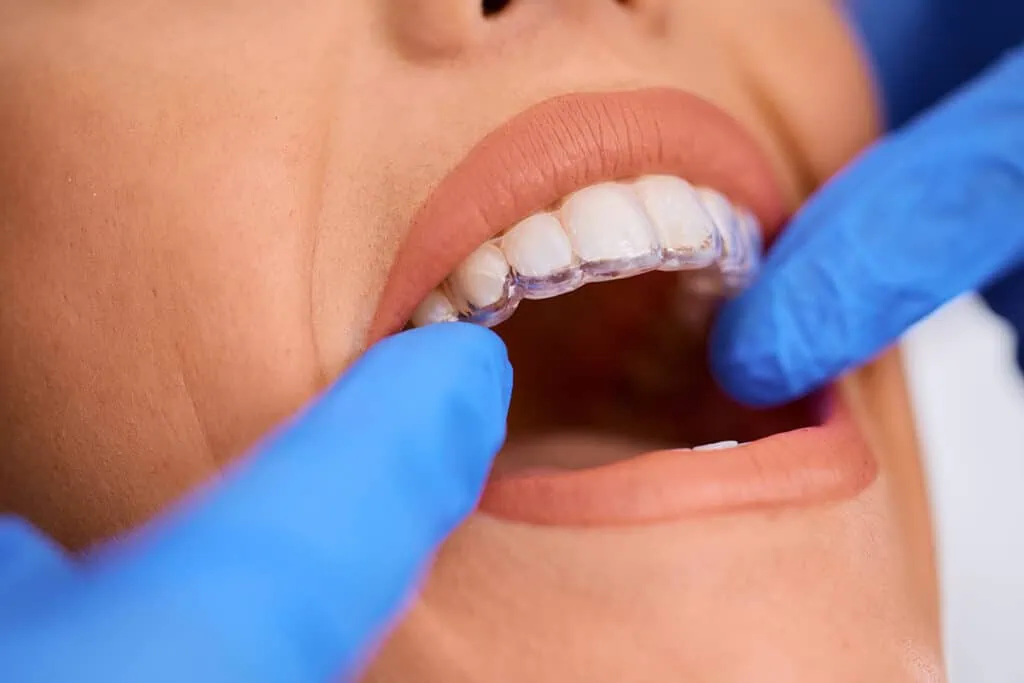
- Invisalign: This system uses a series of clear, custom-made aligners that fit snugly over the teeth. Patients switch to a new set of aligners every one to two weeks, allowing for gradual tooth movement in a nearly invisible way.
What Are Traditional Braces?
Traditional braces have been a trusted orthodontic solution for many years, effectively correcting a wide range of alignment issues. They consist of metal brackets, wires, and tiny elastic bands that work together to apply gentle, continuous pressure. This pressure gradually guides teeth into their desired positions over time, addressing problems like overcrowding, gaps, and bite misalignments. For those seeking a less visible option, Invisalign clear aligners offer a modern alternative.
The mechanics of traditional braces involve the archwire, which runs through the brackets attached to each tooth. This wire is adjusted periodically by an orthodontist, dictating the direction and force applied to move the teeth. This methodical process ensures precise control over tooth movement, making braces a robust option for complex cases. While they are highly effective, it’s important to maintain good oral hygiene to prevent issues during treatment.
Key components and characteristics of traditional braces include:
- Metal Brackets: Small, rectangular pieces adhered to the front of each tooth.
- Archwire: A thin wire that connects the brackets, guiding tooth movement.
- Ligatures (Elastics): Small rubber bands that hold the archwire in place and can be colored for aesthetic choice.
- Routine Adjustments: Regular visits to the orthodontist are necessary to tighten the archwire and advance treatment.
The effectiveness of traditional braces in correcting malocclusions is well-documented. They are capable of addressing significant dental imperfections, offering a stable and predictable path toward a straighter smile. Understanding how braces vs invisalign differ is crucial for patients making this decision.
Understanding Invisalign: The Clear Alternative
In contrast to traditional braces, Invisalign uses a series of custom-made, clear aligners that are virtually invisible. These aligners are designed to gradually shift your teeth into their desired positions. Patients typically wear each set of aligners for about two weeks before moving to the next, making them a discreet and convenient option for many. For more information on this alternative, you can explore our guide to clear aligners.
Invisalign represents a modern approach to orthodontic treatment, offering a discreet and often more comfortable way to straighten teeth compared to traditional braces. This system utilizes a series of custom-made, virtually invisible clear aligners that gradually shift your teeth into their desired positions. The primary appeal of Invisalign lies in its aesthetic subtlety and the convenience it offers patients throughout their treatment journey. For more details on this innovative treatment, explore our Invisalign clear aligners guide.
The Invisalign system is built around advanced 3D digital scanning technology and computer-aided design. This allows for precise treatment planning, where orthodontists can map out the exact movements of your teeth from the beginning to the end of your treatment. Each set of aligners is designed to be worn for approximately one to two weeks before being replaced with the next in the series, continuously applying gentle pressure to move teeth incrementally. This consistent, controlled movement is key to achieving effective results.
One of the significant advantages of Invisalign is its removability. Unlike braces, which are fixed to the teeth, Invisalign aligners can be taken out for eating, drinking, brushing, and flossing. This greatly simplifies oral hygiene routines, allowing patients to maintain excellent dental health throughout their treatment. It also means there are no dietary restrictions related to hard, sticky, or chewy foods that can often damage traditional braces.
The process for starting Invisalign treatment typically begins with a consultation with a qualified orthodontist or dentist. During this appointment, the dental professional will assess your suitability for Invisalign, discuss your smile goals, and take digital impressions or scans of your teeth. Based on this information, a personalized treatment plan is created, detailing the number of aligners needed and the estimated treatment duration. Patients then receive their first set of aligners and instructions on how to wear and care for them. For more information on this innovative orthodontic solution, explore our Invisalign clear aligners guide.
For many individuals seeking to correct misalignments, Invisalign offers a compelling option. Its discreet nature makes it particularly attractive for adults and teenagers who may feel self-conscious about wearing visible braces. The effectiveness of Invisalign can address a wide range of orthodontic issues, from minor crowding and spacing to more complex bite problems. The clear braces alternative is designed to blend seamlessly with your natural smile. For more information on this treatment, see our Invisalign clear aligners guide.
Key Differences: Braces vs Invisalign Compared
While both braces and Invisalign aim to straighten teeth, their methods and patient experience differ significantly. Understanding these distinctions is crucial when deciding which orthodontic treatment is best suited for your individual needs. We will explore the core differences in appearance, comfort, treatment process, and maintenance. For those with dental fears, exploring options for dental anxiety management can make the entire process more comfortable.
Appearance: Visible vs. Virtually Invisible
The most apparent difference between braces and Invisalign lies in their aesthetics. Traditional braces, whether metal or ceramic, involve visible brackets and wires attached to the front of the teeth. This means they are noticeable when you smile or speak. Invisalign, on the other hand, utilizes a series of clear, custom-made plastic aligners that fit snugly over the teeth. These aligners are nearly invisible, making them a highly discreet option for those who are self-conscious about wearing visible orthodontic appliances. For permanent tooth restoration, understanding the benefits of a dental crown can be helpful.
Comfort and Lifestyle Integration
Comfort levels and how each treatment integrates into daily life are key considerations. Braces can sometimes cause initial discomfort due to the pressure from wires and brackets, and patients may experience occasional irritation to their cheeks and gums. Eating certain foods can also be challenging, requiring modifications to avoid damage to the braces. Invisalign aligners are generally more comfortable, made of smooth plastic that doesn’t irritate the mouth. A significant lifestyle advantage of Invisalign is that the aligners are removable, allowing patients to eat their preferred foods without restriction and to easily maintain oral hygiene by brushing and flossing as usual. For more information on discreet orthodontic options, explore our guide to clear aligners, which offers a different approach than standard dental cleaning versus whitening.
Treatment Process and Maintenance
The journey with braces and Invisalign involves distinct processes and maintenance requirements. Braces require regular in-office adjustments by an orthodontist to tighten the wires and move the teeth gradually. Oral hygiene with braces necessitates specialized brushing and flossing techniques to clean around the brackets and wires effectively. With Invisalign, patients typically wear each set of aligners for about two weeks before switching to the next in the series, with check-ups scheduled every 6-8 weeks to monitor progress. Maintaining Invisalign involves rinsing the aligners daily and brushing them with a toothbrush and non-abrasive toothpaste, along with consistent at-home oral care, and being mindful of issues like stale mouth meaning.
Treatment Duration and Effectiveness
The duration and effectiveness of braces versus Invisalign can vary depending on the complexity of the dental issue. For simpler cases, Invisalign often offers a faster treatment timeline compared to traditional braces, with many patients completing their treatment in 12-18 months. However, for severe misalignments, bite problems, or complex tooth movements, traditional braces might be more efficient and provide more precise control. Both treatment options are highly effective when used as directed by a qualified orthodontist for the intended range of dental corrections, and understanding early dental development, such as with baby fang teeth, is also important.
Cost and Insurance Coverage
The financial aspect of orthodontic treatment is a significant consideration for many patients. Costs can vary widely based on the type of treatment, the length of treatment, and the specific dental needs of the individual. Insurance coverage for orthodontic procedures also differs, with some plans offering partial or full coverage for braces and Invisalign, while others may have limitations or exclusions. It is advisable to consult with your dental insurance provider and your orthodontist’s office to understand your benefits and the total out-of-pocket expenses associated with your chosen treatment plan, as detailed in our guide to smile health investment for more.
The cost of braces and Invisalign can be comparable, but there are factors that influence the final price. Generally, the expense is determined by the severity of the misalignment, the length of treatment, and the orthodontist’s fees. Invisalign treatments are sometimes slightly more expensive than traditional metal braces, though ceramic braces can be priced similarly to Invisalign. Insurance coverage for orthodontic treatments often varies; some plans may cover a portion of the cost for both braces and Invisalign, while others might have limitations. It’s essential to consult with your dental insurance provider and your orthodontist’s office to understand your specific coverage details for braces vs invisalign.
Who Is a Good Candidate for Each?
Determining suitability for braces versus Invisalign depends on several factors, including the complexity of your orthodontic issue, your lifestyle, and your personal preferences. Both treatments aim to correct misaligned teeth and bite problems, but they are better suited for different situations and patient needs. A thorough consultation with an orthodontic professional is crucial to ascertain which option will yield the best results for your unique smile.
When considering braces vs Invisalign, it’s important to understand the types of dental issues each is best at addressing. Traditional braces are often the preferred choice for more severe or complex orthodontic problems, such as significant gaps between teeth, severely crowded teeth, or major bite issues like overbites or underbites. Their robust nature and continuous pressure can effectively manage these more challenging cases. Invisalign, on the other hand, excels with milder to moderate alignment issues. It is ideal for straightening crooked teeth, closing small gaps, and correcting minor bite irregularities.
Eligibility for Invisalign also hinges on a patient’s ability to adhere to the treatment protocol. This includes consistently wearing the clear aligners for the recommended 20-22 hours per day and removing them for eating, drinking (anything other than water), and oral hygiene. Patients who may struggle with this level of compliance might find traditional braces a more suitable alternative. For individuals with specific dental work, such as bridges or implants, traditional braces might also be a more straightforward option, as the aligner trays need to fit snugly around the existing dental structure. For more information on clear aligner treatments, check out our guide to clear aligners.
Several factors influence who is a good candidate for each treatment. For instance, braces are generally recommended for growing children and teenagers, as they can also help guide jaw development. Their fixed nature ensures consistent pressure, which is beneficial for younger patients whose teeth and jaw are still developing. Invisalign is a popular choice for adults and older teenagers seeking a more discreet treatment option, as the clear aligners are nearly invisible.
A key consideration for Invisalign candidacy is the presence of dental restorations. While Invisalign can work around some dental work, extensive bridges or other complex restorations might make it difficult to achieve a proper fit for the aligner trays. Furthermore, the stability of the teeth is paramount; conditions like severe gum disease or insufficient bone density could disqualify a patient from either braces or Invisalign until these underlying issues are resolved. Consulting with our dental professionals at Heritage Dental Centre can help clarify your candidacy for braces vs Invisalign, and you can learn more about the process in our Invisalign clear aligners guide.
The Treatment Process: What to Expect
Understanding the journey for both braces and Invisalign is crucial for setting realistic expectations. From your initial consultation to the final retainer, each step is designed to guide you toward a straighter, healthier smile. The process involves careful planning, active treatment, and diligent post-treatment care, often in coordination with your dental hygienist or dentist.
Initial Consultation and Planning
- First Visit: Assessment and Discussion: Your orthodontic journey begins with a thorough examination by your dental professional. This includes X-rays, dental impressions, and a discussion about your smile goals and any concerns you may have regarding braces vs Invisalign.
- Treatment Plan Creation: Based on the assessment, a personalized treatment plan is developed. For braces, this involves selecting the type of brackets and wires. For Invisalign, this includes creating a series of custom-made clear aligners using advanced 3D imaging technology.
- Understanding the Timeline and Costs: During this phase, you will receive a clear overview of the estimated treatment duration and the associated costs for your chosen orthodontic method, as well as information on why you may need a dental crown for more.
Active Treatment Phase
This phase involves the consistent use of your chosen orthodontic appliance. For braces, this means regular adjustments to tighten the wires and move teeth into position. For Invisalign, it requires wearing your aligners for the recommended 20-22 hours per day and switching to a new set every one to two weeks, as per your dentist’s instructions. This stage is where you’ll see the most dramatic changes in your smile, and it’s important to maintain good oral hygiene throughout. If you’re considering orthodontic treatment, understanding the benefits of different options can help you make an informed decision; for instance, learning about dental crown benefits can be useful for understanding restorative options.
- Braces Application: If you opt for traditional braces, the brackets will be bonded to your teeth, and archwires will be connected. This process is generally comfortable and straightforward.
- Receiving Invisalign Aligners: For Invisalign, you will receive your first set of aligners, along with instructions on how to wear and care for them. You’ll typically wear each set for about two weeks before moving to the next.
- Regular Adjustments and Check-ups: With braces, you’ll have periodic appointments (usually every 4-8 weeks) for tightening or replacing wires and bands. Invisalign patients will have more frequent, shorter check-ups (typically every 6-10 weeks) to ensure the aligners are fitting correctly and the teeth are moving as planned.
Completion and Retention
Once your treatment is complete, you will enter the retention phase. This involves wearing retainers to keep your teeth in their new positions. For braces, this might mean wearing a retainer at night, while Invisalign patients may also transition to a retainer. Understanding your Invisalign clear aligner guide can help you manage this transition effectively. Jaw pain can sometimes be related to bite alignment, so understanding TMJ disorders symptoms and causes is also beneficial.
- Removal of Braces: Once your teeth have reached their desired position, the braces will be carefully removed.
- Fitting of Retainers: After braces are removed or when you complete your Invisalign treatment, retainers are essential. These custom-made devices are worn to keep your teeth in their new, aligned positions and prevent them from shifting back.
- Long-Term Oral Health Monitoring: Regular dental check-ups with your dentist are vital throughout and after orthodontic treatment to maintain optimal oral hygiene and monitor the stability of your results.
Pros and Cons at a Glance
Choosing between braces and Invisalign involves weighing the advantages and disadvantages of each system. Both aim to correct misaligned teeth, but they offer distinct experiences and outcomes. Understanding these differences can significantly help in making the best decision for your oral health and aesthetic goals.
Our experience serving the regional community has shown that patients often prioritize discretion when choosing between braces and Invisalign. This preference, alongside factors like comfort and lifestyle, plays a crucial role in the selection process for many individuals seeking orthodontic treatment. For those considering alternatives to traditional braces, our guide to clear aligners offers valuable insights. If you are also interested in cosmetic improvements, you might want to learn about dental veneers.
| Pros | Cons |
|---|---|
| Braces: Highly effective for complex alignment issues. Durable and reliable. Often more cost-effective for severe cases. Visible progress can be motivating. | Braces: Can be aesthetically unappealing to some. Requires diligent oral hygiene to prevent food trapping and decay. May cause initial discomfort or mouth sores. Dietary restrictions are common (e.g., avoiding sticky or hard foods). |
| Invisalign: Nearly invisible, offering a discreet appearance. Removable for eating, drinking, and brushing. Generally more comfortable than traditional braces. Less restrictive diet. | Invisalign: May not be suitable for very complex orthodontic cases. Requires consistent wear (20-22 hours per day) for effectiveness. Aligners can be misplaced or lost. Potential for temporary speech changes. Can be more expensive for simpler cases. |
Cost Considerations for Braces and Invisalign
Understanding the financial investment is a crucial part of choosing between braces and Invisalign. While both treatments aim to straighten teeth, their pricing structures can differ significantly. It’s important to note that the exact cost for braces vs invisalign will vary based on the complexity of your case, the duration of treatment, and your specific dental provider. For a deeper dive into the financial aspects of smile transformations, consider exploring dental veneer costs and benefits for more.
Several factors influence the overall cost of orthodontic treatment. These include the severity of your bite or alignment issues, the materials used (e.g., ceramic versus metal braces), and whether additional procedures like retainers are required post-treatment. Insurance coverage can also play a role, so it’s advisable to check with your provider regarding orthodontic benefits, or consult our guide on invisalign clear aligners for a modern straightening option.
| Factor | Description |
|---|---|
| Case Complexity | More severe misalignment typically requires longer treatment times and specialized appliances, increasing the overall cost. |
| Treatment Duration | The length of time you need orthodontic appliances on your teeth directly impacts the final price, as it correlates with the number of appointments and lab work. |
| Materials and Type | Traditional metal braces are often the most budget-friendly option, while ceramic braces and advanced clear aligner systems like Invisalign may come at a higher price point. |
| Geographic Location | Costs for dental services can vary by region, with urban areas sometimes having higher fees than rural locations. |
When comparing braces and Invisalign directly, traditional metal braces are often the most cost-effective option. Ceramic braces, which are tooth-colored and more discreet, tend to be slightly more expensive than metal braces. Invisalign, with its custom-made clear aligners and advanced technology, is generally positioned at the higher end of the orthodontic cost spectrum.
However, the perceived value can differ. Invisalign’s convenience, aesthetic appeal, and potentially shorter treatment times for some individuals might justify the higher investment for certain patients. Our team can provide a detailed breakdown of costs based on your personalized treatment plan, helping you make an informed financial decision.
Making Your Choice: Which Is Right for You?
Deciding between braces and Invisalign involves considering your unique needs, lifestyle, and the specific orthodontic issues you wish to address. Both methods offer effective teeth straightening, but their suitability can vary significantly from person to person.
Your choice should be guided by a professional assessment of your dental health, the complexity of your alignment issues, and your personal preferences regarding treatment experience and aesthetics. Consulting with our dental professionals at Heritage Dental Centre is the crucial first step in making an informed decision.
To help you navigate this decision, consider these key factors: for example, understanding the reasons you might need a dental crown can be crucial.
- Treatment Complexity: For very complex bite issues or severe misalignment, traditional braces may offer more precise control and predictable results. Invisalign is highly effective for moderate to complex cases, but extreme situations might still favour braces.
- Aesthetics and Discretion: If the appearance of your orthodontic appliances is a major concern, Invisalign’s virtually invisible aligners are a significant advantage. Clear braces offer a more discreet look than traditional metal braces, but Invisalign is generally considered the most aesthetically pleasing option.
- Lifestyle and Convenience: Consider your daily routine. Invisalign aligners are removable, making them ideal for easy cleaning, eating, and special occasions. Braces require more diligent oral hygiene and dietary adjustments.
- Commitment to Oral Hygiene: Both treatments require a commitment to oral care. However, the removable nature of Invisalign means you are solely responsible for wearing them the recommended 20-22 hours a day and keeping them clean. Braces are fixed, so while cleaning is important, the appliance is always in place.
- Treatment Duration and Maintenance: While treatment times can be comparable, Invisalign often allows for shorter overall treatment periods for many patients. Post-treatment, retainers are essential for both braces and Invisalign to maintain your new smile.
For more information on this innovative orthodontic solution, you can explore our comprehensive Invisalign clear aligners guide.
Ultimately, the “best” option is the one that aligns with your individual circumstances and goals. A thorough consultation with our team will help determine which of these effective orthodontic treatments is the perfect fit for achieving your desired smile transformation.
Your Smile Transformation Awaits
Embarking on the journey to a straighter, more confident smile is an exciting prospect, whether you choose the proven reliability of traditional braces or the modern discretion of Invisalign. Both orthodontic treatments offer remarkable transformations, capable of correcting misalignments and enhancing your overall oral health.
The path to your ideal smile is a personal one, and with the advancements in orthodontic care, you have excellent options to consider. Understanding the nuances of braces vs Invisalign, as detailed in our guide to clear aligners, empowers you to select the treatment that best aligns with your lifestyle, aesthetic preferences, and specific dental needs. If you experience discomfort, understanding the common causes of tooth sensitivity can also be helpful.
We encourage you to take the next step in achieving the smile you’ve always desired. Consult with our experienced dental professionals to discuss your orthodontic goals and determine whether braces or Invisalign is the perfect fit for your smile transformation. Your journey to a beautifully aligned smile begins with this important decision.