
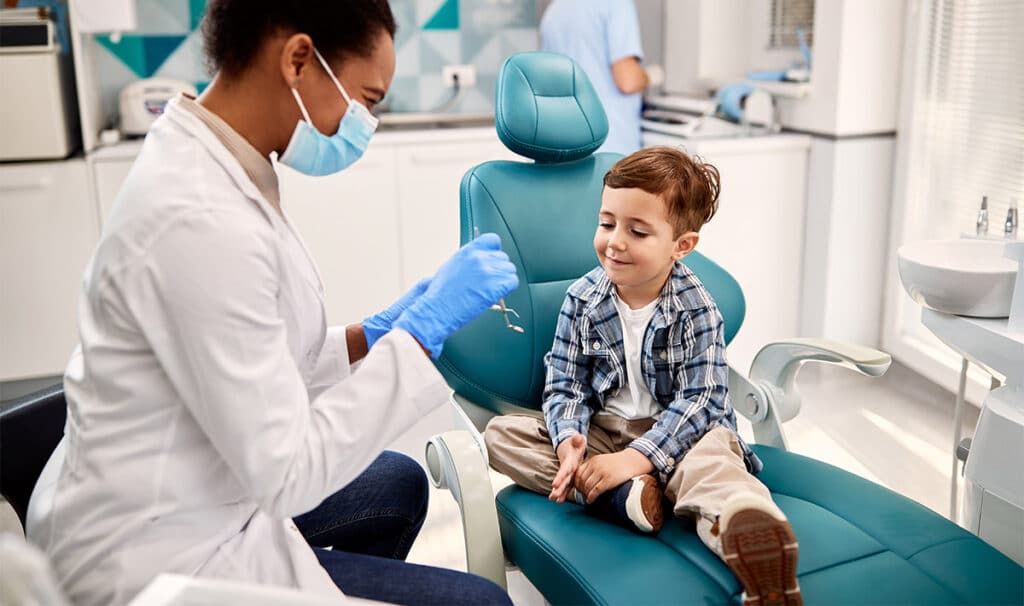

Our comprehensive guide is designed to empower parents with the knowledge they need to navigate their child’s dental journey. From understanding the first tooth to establishing effective brushing routines, we cover essential aspects of pediatric dental care, including preparing for kids dentist appointments for more. By prioritizing your child’s oral health now, you contribute significantly to their overall health and confidence.
As your child grows, their smile evolves through distinct dental milestones. Recognizing these stages helps parents provide appropriate care and anticipate their child’s evolving needs. From the initial eruption of baby teeth to the development of a full set, each phase is a crucial part of their oral health journey. Understanding the link between oral health and overall health is key to a child’s well-being.
The journey begins with teething, often a sensitive period for infants, followed by the steady appearance of primary teeth. Understanding the typical timeline for these developments can alleviate parental concerns and highlight when to seek professional advice. Our team is dedicated to supporting you through each stage, including providing guidance on when to expect your child’s first teeth.
The transition from baby teeth to permanent teeth is another significant milestone. While baby teeth are temporary, they are vital for speech development, proper chewing, and guiding the eruption of permanent teeth. Ensuring their health is as important as caring for adult teeth.
- Teething: The emergence of primary teeth, typically starting between 6-12 months.
- Primary Tooth Eruption: The full set of 20 baby teeth usually appears by age 3.
- Permanent Tooth Eruption: The first permanent molars often appear around age 6, followed by other permanent teeth.
Establishing Good Oral Hygiene Habits Early
Instilling excellent oral hygiene habits from an early age is fundamental for preventing dental problems and ensuring a lifetime of healthy teeth. These practices, introduced gently and consistently, help children develop a positive relationship with their dental care routine, especially when it comes to understanding baby fang teeth first eruption. For parents seeking guidance on this journey, our kids smile tips are a valuable resource.
Brushing Techniques for Little Smiles
Begin brushing your child’s teeth as soon as the first tooth erupts, using a soft-bristled toothbrush and a tiny smear of fluoride toothpaste (about the size of a grain of rice). As your child gets older, you can increase the amount of toothpaste to a pea-sized amount. Ensure you brush all surfaces of their teeth gently, twice a day. When choosing between an electric toothbrush vs manual, consider the benefits for gum health, as discussed in our guide to electric vs manual toothbrushes for more.
- Use a soft-bristled toothbrush appropriate for your child’s age.
- Apply a smear of fluoride toothpaste (grain of rice size) for children under 3.
- For children aged 3-6, use a pea-sized amount of fluoride toothpaste.
- Brush gently, ensuring all surfaces of the teeth are cleaned.
- Encourage your child to spit out excess toothpaste.
The Importance of Flossing for Children
Once your child’s teeth begin to touch, it’s time to introduce flossing. Flossing removes plaque and food particles from between the teeth and under the gumline, areas that brushing alone cannot reach. This step is crucial for preventing cavities and gum disease. For younger children, you may need to assist them with flossing, using child-friendly flossers or regular floss. Learning about common dental problems and how to prevent them can help parents guide their children effectively.
Once teeth begin to touch, typically around age 2-3, it’s time to introduce flossing. Flossing removes food particles and plaque from between teeth and under the gumline where a toothbrush cannot reach. You may need to assist your child with flossing until they develop the dexterity to do it themselves. For parents concerned about their child’s oral health, understanding kids dental tips is essential, and exploring options like botox in dentistry: what you need to know can also be beneficial for certain oral health concerns.
Introducing Dental Visits as a Positive Experience
Scheduling your child’s first dental visit by their first birthday or within six months of their first tooth erupting is crucial. These early visits help familiarize your child with the dental environment and allow our professionals to monitor their oral development, providing guidance on preventing common issues like cavities. For more information on when your child’s first teeth typically emerge, you can consult our guide on childhood tooth eruption, and for help selecting the right professional, consider our advice on how to choose a dentist for more.
Diet and Nutrition for Healthy Teeth
A child’s diet plays a significant role in their dental health. Nourishing foods contribute to strong teeth and healthy gums, while sugary snacks and drinks can lead to tooth decay. Making informed dietary choices is a proactive step in safeguarding your child’s smile. Understanding the importance of regular dental check-ups, including information on dental x-ray safety, is also crucial. For more extensive damage, you might consider learning about options like dental crowns vs veneers. Some patients also find relief from certain dental discomforts through treatments like how Botox can help dental patients feel better.
- Offer a balanced diet rich in fruits, vegetables, lean proteins, and dairy products.
- Limit sugary snacks and beverages, such as candy, cookies, and juice, to mealtimes.
- Encourage drinking water throughout the day to help rinse the mouth and maintain hydration.
- Avoid sticky or chewy candies that can adhere to teeth for extended periods.
- Ensure adequate intake of calcium and vitamin D, essential for strong tooth development.
When to Schedule Your Child’s First Dental Visit
The American Academy of Pediatric Dentistry recommends that a child’s first dental visit should occur by their first birthday or within six months after their first tooth erupts. This early introduction to dental care is vital for establishing a positive relationship with the dentist and for early detection of potential issues.
- First Tooth Eruption: Schedule a visit within six months of the first tooth appearing.
- Age One: A visit by age one is recommended, regardless of tooth eruption.
- Concerns About Habits: If your child is thumb-sucking excessively or grinding teeth, explore options for bruxism treatment for more.
- Sudden Tooth Sensitivity: If your child complains of tooth pain or sensitivity.
- Trauma or Injury: Following any mouth injury, seek immediate dental attention.
Common Childhood Dental Issues & Prevention
Children are susceptible to various dental issues, but with proper care and preventative measures, most can be avoided or managed effectively. Understanding these common problems is the first step toward protecting your child’s oral health. Knowing the difference between a dentist vs hygienist can also help you navigate your child’s dental care appointments, and understanding what causes stale mouth meaning can help prevent it. For those concerned about long-term tooth replacement options, understanding Alberta denture costs can be a valuable part of financial planning.
| Common Dental Issue | Prevention Strategies |
|---|---|
| Cavities (Tooth Decay) | Regular brushing and flossing with fluoride toothpaste, limiting sugary foods and drinks, regular dental check-ups. |
| Enamel Erosion | Reducing consumption of acidic foods and drinks (like soda and citrus juices), rinsing the mouth with water after consuming acidic items. |
| Gum Disease (Gingivitis) | Consistent oral hygiene to remove plaque, regular dental cleanings, avoiding tobacco products. |
| Tooth Sensitivity | Using fluoride toothpaste, avoiding very hot or cold foods, ensuring proper brushing techniques. |
| Bad Breath (Halitosis) | Maintaining good oral hygiene, ensuring the tongue is cleaned, staying hydrated, regular dental check-ups. |
Protecting Your Child’s Teeth from Injury
Accidents can happen, and protecting your child’s teeth from injury is crucial. Mouthguards are highly recommended during sports activities to prevent damage. For more information on protecting teeth, you can explore our guide on night guard benefits for more.
Accidents happen, and protecting your child’s teeth from injury is an important aspect of pediatric dental care. Proactive measures can significantly reduce the risk of dental trauma, ensuring their developing smiles remain intact. For example, if a tooth is severely damaged, options like dental crowns can restore its function and appearance, similar to how they are used for cosmetic enhancements, as discussed in our comparison of veneers versus crowns.
Sports Safety and Mouthguards
For children participating in sports, wearing a mouthguard is crucial to prevent injuries. These custom-fitted devices can protect teeth, lips, and jaws from impact, and you can learn more about managing dental anxiety and other protective measures.
For children participating in sports, especially those involving physical contact or a risk of falls, wearing a mouthguard is essential. A properly fitted mouthguard can protect teeth, lips, and the jaw from impact, preventing fractures, dislocations, and other injuries. Discuss custom mouthguard options with your dental professional.
Preventing Falls and Accidents
Childproofing your home and supervising young children during play can help prevent falls that could lead to dental injuries. Ensure play areas are safe, and supervise activities on playgrounds or in sports settings. Educating children about safe play can also contribute to injury prevention, and in the event of an injury, understanding the reasons you may need a dental crown can be helpful for future care.
Managing Dental Emergencies
In the event of a dental emergency, such as a knocked-out tooth, immediate action is crucial. Rinse the tooth gently, avoid touching the root, and if possible, place it back in the socket or in milk. Contact our dental team immediately for guidance and to schedule an emergency appointment. Understanding the difference between plaque and tartar can also help in preventing future issues; our plaque vs tartar guide explains these concepts.
Conclusion: Prioritizing Pediatric Dental Care
Consistent pediatric dental care is an investment in your child’s overall health and well-being. By implementing good oral hygiene practices, maintaining a balanced diet, and attending regular dental check-ups, you are laying the groundwork for a lifetime of healthy smiles and confident self-expression.
Our team is dedicated to providing a welcoming and supportive environment for your child’s dental needs. We encourage you to schedule regular appointments and to reach out with any questions or concerns you may have about your child’s oral health, including potential issues like TMJ disorders and their causes. Together, we can ensure your child enjoys the benefits of excellent dental care throughout their formative years, and you can learn more about early tooth eruption in our baby fang teeth first guide.
Remember, a healthy smile contributes not only to physical health but also to a child’s self-esteem. Let us partner with you in prioritizing your child’s pediatric dental care for a brighter, healthier future.
Frequently Asked Questions
We understand that parents often have questions regarding their child’s dental health. Here are answers to some common inquiries about pediatric dental care and specific concerns like your child’s first dental visit for more.
| Question | Answer |
|---|---|
| Is it normal to be born with fangs? | While it’s uncommon, some babies may be born with unusually shaped or prominent canine teeth, sometimes referred to as “fangs.” This typically isn’t a cause for concern and often resolves as other teeth erupt. However, if you notice any unusual features, it’s always best to consult with our dental professionals for personalized advice. You can learn more about baby fang teeth and their eruption. |
| Can baby teeth come in out of order? | Yes, it is quite common for baby teeth to erupt out of order. While there is a general timeline, individual development can vary. Some teeth may appear earlier or later than expected, or in a different sequence. As long as the teeth are healthy and there are no signs of crowding or other issues, this variation is usually not a problem. |
| Can teeth erupt in the wrong order? | Similar to baby teeth, permanent teeth can sometimes erupt in an order that deviates from the typical sequence. Factors like genetics, premature loss of baby teeth, or underlying dental conditions can influence eruption patterns. Your dentist will monitor this closely during regular check-ups to ensure proper alignment and development. |
| Do canine teeth grow first in babies? | Canine teeth, also known as “eye teeth,” are typically among the later primary teeth to erupt, usually appearing between 16 and 22 months of age. The central incisors (front teeth) are generally the first to emerge. If you have concerns about your child’s teething patterns, please reach out to our team for guidance on pediatric dental care. |