

Your Edmonton Dental Checkup Guide
Considering the impact of teeth whitening on your smile, it’s crucial to understand that the foundation of any radiant smile begins with consistent professional dental care. Routine dental check-ups in Edmonton are not just about addressing immediate concerns; they are a proactive investment in your long-term oral and overall health. For residents of Heritage Dental Centre, prioritizing these appointments ensures that your journey to a brighter, healthier smile is well-supported by preventative care and early detection. If you’re new to the area or looking for a new dental home, our guide to choosing a dentist can help you find the right fit.
Many individuals wonder if professional teeth whitening is a substitute for regular dental visits. While cosmetic treatments can significantly enhance appearance, they do not replace the diagnostic and preventative measures taken during a routine dental check-up. Understanding what happens during these appointments is key to appreciating their full value, especially when aiming for optimal oral hygiene and aesthetics.
This guide delves into the essential aspects of routine dental check-ups in Edmonton, providing insights into what you can expect, why they are indispensable, and how they contribute to maintaining not only a healthy mouth but also a confident, bright smile. Our goal is to equip you with the knowledge to make informed decisions about your dental care and to encourage regular visits to your trusted dental professionals.
What is a Routine Dental Check-up?
A routine dental check-up is a comprehensive examination and cleaning performed by a dentist or dental hygienist. It goes beyond a simple cleaning by including a thorough assessment of your oral health, identifying potential issues before they become serious problems. Understanding the distinction between a check-up and a cleaning is vital for appreciating the full scope of care provided during these essential visits. For more complex dental needs, such as restorative work, understanding the differences between crowns and veneers can be beneficial.
| Dental Check-up Component | Dental Cleaning Component |
|---|---|
| Oral cancer screening | Removal of plaque and tartar |
| Examination of teeth for decay | Polishing teeth to remove surface stains |
| Gum disease assessment | Flossing to clean between teeth |
| Bite and jaw joint evaluation | Application of fluoride treatment (if needed) |
| Review of dental history and concerns | Patient education on oral hygiene |
What Happens During a Dental Check-up
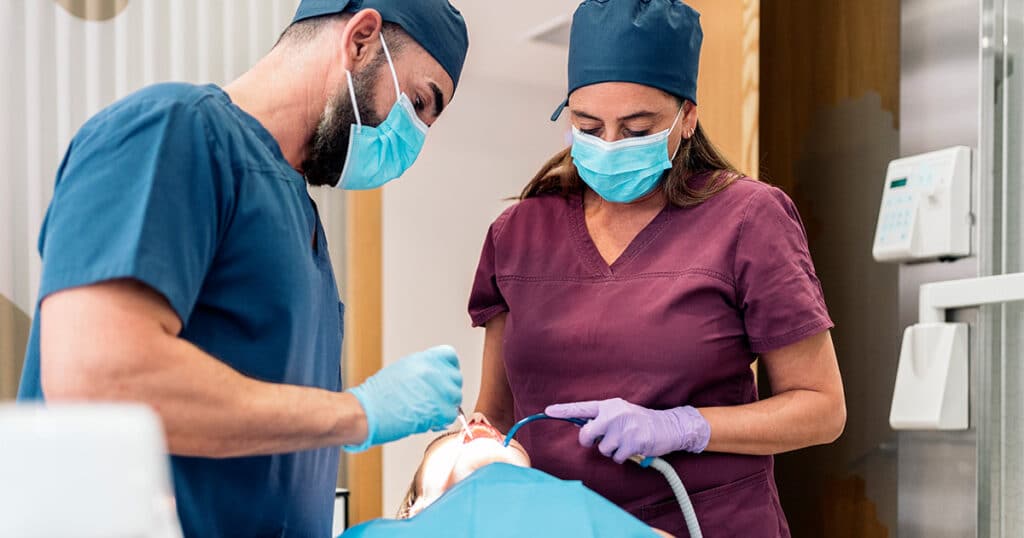
During your check-up, the dentist will meticulously examine your teeth, gums, and mouth for any signs of decay, disease, or other issues. This includes checking for cavities, assessing gum health, and screening for oral cancer. They will also evaluate your bite and jaw joint function. If you have concerns about your smile’s appearance, they can discuss options like dental crowns or other cosmetic procedures.
Your dental check-up experience is designed to be thorough yet comfortable, ensuring every aspect of your oral health is assessed. From the moment you sit in the chair, our team focuses on providing a detailed evaluation and personalized care plan. We also offer advanced treatments, such as exploring botox for dental concerns, to address a wider range of patient needs.
- Initial Assessment: Your appointment typically begins with a brief discussion about any concerns you may have, changes in your health, or new symptoms.
- Oral Examination: The dentist will meticulously examine each tooth for signs of decay, cracks, or wear.
- Gum Health Evaluation: Gum tissues are checked for redness, swelling, bleeding, and pocket depth, which are indicators of gum disease.
- Soft Tissue Check: A visual inspection of the tongue, cheeks, palate, and throat is conducted to screen for any abnormalities, including early signs of oral cancer.
- Bite and Jaw Assessment: The alignment of your bite and the function of your temporomandibular joint (TMJ) may be assessed.
- X-rays (if necessary): Diagnostic imaging may be taken to view areas not visible during a visual exam.
- Personalized Advice: Based on the findings, you’ll receive tailored recommendations for at-home care and any necessary treatment plans.
Oral Cancer Screening
This comprehensive check is a vital part of your routine visit, helping to detect any potential issues early.
This screening is a vital part of your routine check-up, helping to detect any potential issues early. If you’re curious about the different types of dental restorations, our guide to restoring your smile with crowns explains how they can be used. For those experiencing jaw pain or discomfort, understanding gum & jaw pain relief can be crucial.
During your routine dental check-up, a crucial part of the examination involves an oral cancer screening. This non-invasive procedure allows dentists to detect potential signs of oral cancer in its earliest stages, significantly improving the chances of successful treatment. Your dentist will carefully examine your tongue, gums, cheeks, palate, and throat for any unusual sores, lumps, or discolored patches that could indicate precancerous or cancerous cells. Understanding the stale mouth meaning can also be important for overall oral hygiene.
Cavity Detection
Identifying cavities early is a primary goal of a dental check-up. Your dentist will use visual inspection, a dental explorer tool, and sometimes dental X-rays to locate any areas of decay. Small cavities can often be treated with simple fillings, preventing them from progressing to more complex and costly procedures that might involve root canals or extractions, especially when considering the timing of baby teeth first eruption for more. While this is a common concern, some patients may also find relief from dental anxiety through treatments like Botox, which can be helpful for those experiencing discomfort or fear related to dental procedures.
Gum Health Assessment
The health of your gums is as important as the health of your teeth. During the check-up, your dentist will measure the depth of the pockets between your teeth and gums, check for bleeding, and assess for signs of inflammation. Early detection of gum disease (gingivitis or periodontitis) allows for prompt intervention, helping to prevent further damage to the supporting structures of your teeth and reducing the risk of tooth loss. If you’re concerned about gum health, understanding the link between oral health and overall health can provide valuable insights, especially regarding how brushing techniques impact gum recession.
Bite and Jaw Examination
A healthy bite and properly functioning jaw are essential for comfortable eating and speaking. Your dentist will evaluate your bite for alignment issues and check your temporomandibular joints (TMJ) for any signs of stress, clicking, or pain. Addressing bite problems early can prevent issues like teeth grinding (bruxism), jaw pain, and uneven tooth wear. Understanding the factors influencing denture costs in Alberta can be helpful for long-term planning.
Why Are Routine Dental Check-ups Important?
Routine dental check-ups are fundamental pillars of maintaining excellent oral health and contribute significantly to your overall well-being. By visiting your dentist regularly, you engage in proactive healthcare that can prevent minor issues from escalating into major dental emergencies. When considering who to see, understanding how to choose a dentist can help you find the right fit for your needs.
- Early detection of cavities and gum disease: Catching problems like decay and gingivitis early means simpler, less invasive, and less costly treatments.
- Prevention of more serious oral health issues: Regular cleanings remove plaque and tartar buildup that can lead to cavities, gum disease, and other complications; learning about plaque vs tartar can help you understand this process.
- Monitoring of overall oral hygiene habits: Dentists can assess the effectiveness of your home care routine and provide personalized tips for improvement.
- Connection to systemic health conditions: Research has shown links between oral health and conditions such as diabetes, heart disease, and respiratory illnesses, making dental check-ups vital for monitoring your general health.
- Maintaining a healthy, confident smile: Regular care ensures your teeth and gums remain healthy, contributing to a brighter appearance and boosting your self-confidence.
How Often Should You Have a Dental Check-up?
The frequency of dental check-ups is not one-size-fits-all and depends on various individual factors. While a general guideline exists, your dentist will provide a personalized recommendation based on your specific oral health status and risk factors. For instance, if you are considering cosmetic dental procedures, your dentist will tailor your check-up schedule accordingly.
Polishing is the final step in a dental cleaning, where the teeth are smoothed and cleaned to remove any remaining stains or surface irregularities. This leaves your teeth feeling exceptionally clean and looking their best. If you’re interested in improving the appearance of your smile, you might want to explore options like dental crowns, which differ from veneers in their application. Understanding dental x-ray safety is also important for your overall oral health.
After scaling, your teeth are polished using a slow-speed handpiece with a soft rubber cup and a special gritty toothpaste. Polishing helps to smooth out any rough spots on the tooth surface and removes minor surface stains, making it more difficult for plaque to adhere and leaving your teeth feeling exceptionally smooth and looking brighter.
Interdental Cleaning and Fluoride Treatment
For a brighter smile, consider exploring cosmetic dental procedures such as cosmetic dentistry options.
The cleaning process also includes meticulous cleaning between your teeth using dental floss or specialized interdental brushes. This ensures that all areas, including hard-to-reach spaces, are cleaned. Often, a fluoride varnish or gel is applied to the teeth to strengthen enamel and provide added protection against cavities, especially beneficial for those at higher risk. Learn more about fluoride’s role in dental health for more. For those experiencing jaw pain or discomfort, understanding gum and jaw pain relief can be crucial.
The Role of X-rays in Dental Check-ups
Dental X-rays are an invaluable diagnostic tool used during routine check-ups to provide a comprehensive view of your oral health. They allow dentists to see conditions that are not visible during a visual examination, such as decay between teeth or issues within the bone and tooth roots. Modern dental X-rays use low doses of radiation and are considered very safe.
- Detecting hidden decay: X-rays can reveal cavities between teeth or under existing fillings that are not apparent otherwise.
- Assessing bone health: They help in evaluating the bone supporting your teeth, detecting early signs of gum disease or bone loss.
- Identifying infections and abnormalities: X-rays can pinpoint infections in the tooth root (abscesses), cysts, or tumors that may not present outward symptoms.
- Monitoring tooth development: For children, X-rays help track the eruption of permanent teeth and identify any developmental issues.
- Planning treatment: When dental work is needed, X-rays provide crucial information for accurate diagnosis and effective treatment planning, and understanding the difference between a dentist and hygienist can help you prepare.
Signs You Might Need a Dental Check-up Sooner
While regular appointments are scheduled, certain signs and symptoms should prompt you to contact your dentist for an unscheduled check-up. Ignoring these indicators can lead to more significant dental problems and discomfort. For instance, persistent bad breath or bleeding gums could signal an underlying issue that requires immediate attention; learn more about bleeding gums: when to worry for more.
- Persistent toothache or sensitivity: Any ongoing pain or heightened sensitivity to hot, cold, or pressure warrants professional attention.
- Bleeding or swollen gums: These are classic signs of gingivitis or more advanced gum disease that needs prompt treatment.
- A persistent sore in the mouth that doesn’t heal: Sores that last longer than two weeks could be a sign of oral cancer or other issues requiring investigation.
- Chipped or broken teeth: Damage to teeth, whether from trauma or gradual wear, should be addressed to prevent further complications and pain. If the damage is significant, you might consider options like crowns vs. veneers to restore your smile’s appearance and function.
- Loose teeth: In adults, loose teeth can indicate underlying gum disease or injury and require immediate evaluation.
- Jaw pain or clicking: Discomfort or sounds in the jaw joint may signal temporomandibular joint (TMJ) disorders.
Book Your Next Dental Check-up
In conclusion, routine dental check-ups are indispensable for maintaining optimal oral health and, by extension, your overall well-being. They serve as a critical line of defense against common dental ailments, allowing for early detection and intervention, which invariably leads to better outcomes and less invasive treatments. If you experience nervousness, exploring options for overcoming dental anxiety can make these essential appointments more comfortable.
- Preventative Care: Regular visits help prevent problems before they start, saving you discomfort and expense.
- Early Diagnosis: Catching issues like cavities, gum disease, and oral cancer in their nascent stages dramatically improves treatment success rates.
- Professional Cleaning: Ensuring your teeth are free from plaque and tartar buildup is vital for preventing decay and gum disease.
- Overall Health Monitoring: Your mouth is a window to your body; check-ups can reveal signs of systemic health issues.
- Maintaining a Bright Smile: Consistent care supports the health and appearance of your teeth, contributing to confidence.
Frequently Asked Questions
Understanding the importance of regular dental check-ups is key to maintaining optimal oral health. These visits allow for for early detection of potential problems, professional cleanings to remove plaque and tartar, and monitoring of your overall health. If you’re looking for a new dental provider, our guide on how to choose a dentist can help you make an informed decision. For more complex dental issues, understanding why you may need a dental crown is also important.
| Question | Answer |
|---|---|
| What is the primary goal of a dental check-up? | The primary goal is to maintain optimal oral health through preventative care, early detection of dental problems, and professional cleaning. |
| How often should I get a dental check-up if I have excellent oral hygiene? | Even with excellent oral hygiene, it’s generally recommended to have check-ups every 6-12 months. However, your dentist will advise on the best frequency for your specific needs. |
| Are dental X-rays safe? | Yes, dental X-rays use very low doses of radiation and are considered safe. The benefits of detecting hidden issues often outweigh the minimal risks. |
| Can a dental check-up detect signs of other health issues? | Yes, your dentist can observe signs related to conditions like diabetes, vitamin deficiencies, and oral cancer during a comprehensive check-up. |
| What happens if I miss my scheduled dental check-up? | Missing an appointment can delay the detection of potential issues, allowing minor problems to worsen and potentially become more complex and costly to treat. |