
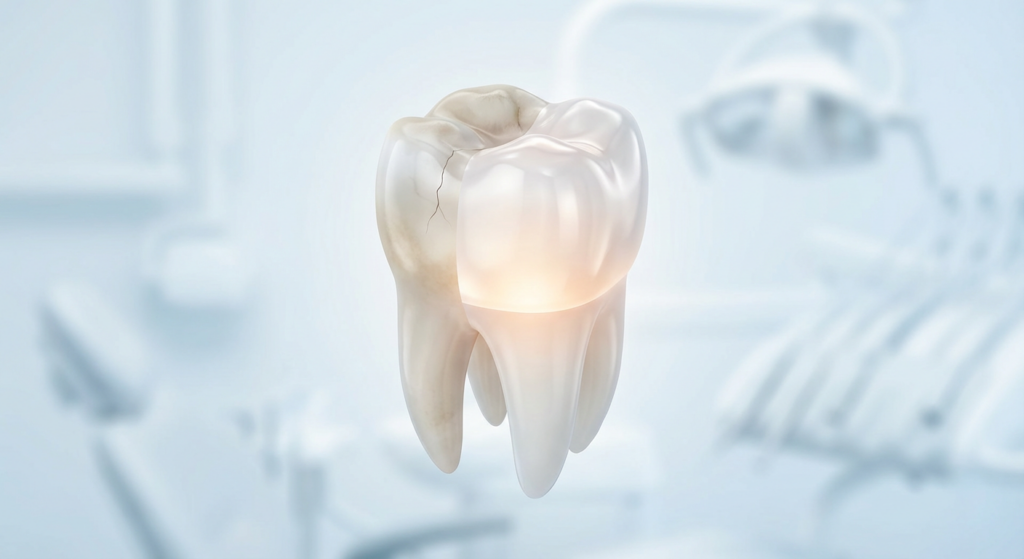

Understanding Dental Crowns
A dental crown serves as a protective cap for a damaged or weakened tooth, restoring its strength, shape, and appearance. These restorations are essential for maintaining the function of your bite and preventing further damage to the tooth’s internal structure. Investing in a dental crown is a proactive step towards preserving your natural smile and overall oral health.
When a tooth is compromised by decay, fracture, or extensive wear, a dental crown acts as a vital shield. It covers the entire visible portion of the tooth above the gum line, providing structural integrity and protecting it from the forces of chewing and biting. This restoration is a cornerstone of restorative dentistry, offering a long-term solution for many dental issues.
Our team at Heritage Dental Centre is dedicated to providing comprehensive dental services, including the placement of custom-fitted dental crowns. We understand the importance of a healthy and beautiful smile, and our experienced professionals are here to guide you through the process, ensuring you receive the best possible care. Explore our range of dental services designed to meet your unique needs.
What Is a Dental Crown?
When considering restorative options, it’s helpful to understand the differences between various treatments, such as veneers versus crowns, to determine the best fit for your smile goals.
A dental crown, often referred to as a tooth cap, is a custom-made covering that encases a damaged tooth. Its primary function is to restore the tooth’s original size, shape, and strength, while also improving its overall appearance. Crowns are typically used to support a tooth with little tooth structure remaining, or to hold a dental bridge in place. They are cemented onto the tooth or dental implant, becoming a permanent part of your oral anatomy.
The need for a dental crown can arise from various situations, including extensive decay requiring more than a filling, a fractured or broken tooth, a tooth that has undergone root canal treatment, or to cover a misshapen or severely discolored tooth. A crown effectively protects the underlying tooth from further damage and helps maintain its position within the dental arch. If you’re considering this restorative option, our guide to dental crowns can provide more details.
| Restoration Type | Primary Function | When It’s Typically Used |
|---|---|---|
| Dental Crown | Covers and protects an entire tooth | Extensive decay, fractures, root canals, severe discoloration |
| Dental Filling | Restores a small to moderate area of tooth decay | Cavities, minor chips |
| Dental Veneer | Improves the appearance of the front surface of a tooth | Stains, chips, minor misalignments, cosmetic concerns |
Metal Crowns
Metal crowns are known for their exceptional strength and durability, making them a good choice for molars or teeth that bear significant chewing forces. They are often made from alloys like gold, palladium, nickel, or chromium. While highly resilient, their metallic color may be a drawback for aesthetic considerations, especially in visible areas of the smile. For patients concerned about finding the right dental professional, our guide on how to choose a dentist can provide valuable assistance.
Composed of alloys like gold, palladium, nickel, or chromium, metal crowns are renowned for their exceptional strength and durability. They can withstand biting and chewing forces without chipping or breaking, making them a long-lasting option, especially for back teeth. Their primary disadvantage is their metallic color, which is not aesthetically pleasing for visible teeth.
- Advantages: High durability, resistance to chipping and breaking, less tooth removal required.
- Disadvantages: Metallic color is not aesthetically pleasing, potential for allergic reactions in some individuals.
Porcelain-Fused-to-Metal (PFM) Crowns
PFM crowns offer a balance between aesthetics and strength. They consist of a metal substructure covered with a layer of porcelain. This combination provides the durability of metal with the tooth-like appearance of porcelain. However, the porcelain layer can sometimes chip or wear away, and a dark line may appear at the gum line over time due to the metal.
- Advantages: Good aesthetics, stronger than all-porcelain crowns.
- Disadvantages: Porcelain can chip, metal may show as a dark line at the gum, potential for wear on opposing teeth.
For a comprehensive understanding of various crown options and their benefits, explore our detailed guide to dental crowns.
For personalized advice on the best crown material for your needs, our team is ready to assist. You can schedule a consultation by visiting our contact page for more. Learn more about our dental crowns and how they can benefit your smile.
How Long Do Dental Crowns Last?
The lifespan of a dental crown is influenced by several factors, including the material used, the patient’s oral hygiene practices, and the location of the crown in the mouth. With proper care and regular dental check-ups, dental crowns can last for many years. Having served the Edmonton community for over 15 years, we’ve observed that dental crowns, when properly cared for, can indeed last upwards of 10-15 years, with many exceeding this timeframe.
Consistent oral hygiene is paramount for prolonging the life of your dental crown. This includes brushing twice daily, flossing daily, and using an antimicrobial mouthwash if recommended by your dentist. Avoiding habits like grinding your teeth (bruxism) or chewing on hard objects, such as ice or pens, can also significantly reduce the risk of damage to your crown, and for more on this, see our guide to relieving teeth clenching and grinding for more.
Regular dental check-ups allow our professionals to monitor the condition of your crown and surrounding gums, identifying any potential issues early on. We offer expert guidance on maintaining your dental restorations and ensuring their longevity. For more information on maintaining your oral health, explore our dental hygiene tips for more. To discuss your needs for dental crowns, please contact us.
Dental Crown Costs and Insurance
The cost of a dental crown can vary based on the materials used, the complexity of the procedure, and your geographic location. Generally, crowns made from porcelain or PFM tend to be less expensive than those made from gold alloys. However, the durability and aesthetic qualities of each material should be weighed against the cost.
Dental insurance plans often provide coverage for dental crowns, especially when they are deemed medically necessary to restore a damaged tooth’s function. The extent of coverage can differ significantly between plans, so it’s advisable to review your policy details or contact your insurance provider directly. Our team is happy to assist you in understanding your insurance benefits and navigating the financial aspects of your treatment.
We are committed to making dental care accessible and offer various financial options to help manage treatment costs. For a clearer understanding of how insurance works, you can read our dental insurance coverage explained blog post. When selecting a provider, consider our tips on how to choose a dentist for more. Discussing your specific needs for dental crowns is the first step toward a healthier smile.
Caring for Your Dental Crown
Maintaining good oral hygiene is crucial for the longevity of your dental crown and the health of your natural teeth. While a crown itself is not susceptible to decay, the underlying tooth structure and the surrounding gums can still be affected by plaque and bacteria. Therefore, consistent and proper care is essential to prevent complications such as gum disease or decay around the crown’s margin. Choosing the right dentist can also significantly impact the success and longevity of your dental work; consider our guide on how to choose a dentist to make an informed decision.
Daily brushing and flossing are the cornerstones of caring for your dental crown. Use a soft-bristled toothbrush and fluoride toothpaste to clean all surfaces of your teeth, including the area where the crown meets the gum line. Flossing should be done gently to remove food particles and plaque from between teeth and under the edges of the crown. Regular dental check-ups and cleanings are also vital for monitoring the crown’s condition and ensuring overall oral health, which you can learn more about in our guide to dental check-ups for more.
- Brush Twice Daily: Use a soft-bristled toothbrush and fluoride toothpaste to clean all surfaces of your teeth, paying special attention to the gum line.
- Floss Daily: Gently clean between your teeth and under the edges of your crown to remove plaque and food debris.
- Use Mouthwash: An antimicrobial or fluoride mouthwash can help reduce bacteria and strengthen enamel, but consult your dentist first.
- Avoid Hard Objects: Do not chew on ice, hard candy, or use your teeth to open packages, as this can chip or dislodge the crown.
- Address Teeth Grinding: If you grind your teeth (bruxism), discuss options like a night guard with your dentist to protect your crown and natural teeth.
- Regular Dental Visits: Attend all scheduled dental check-ups and cleanings to ensure the crown remains in good condition and to catch any potential issues early.
By following these simple yet effective care tips, you can help ensure your dental crown lasts for many years. For more advice on maintaining healthy teeth, please refer to our dental hygiene tips. Ready to restore your smile with durable dental crowns? Contact us today!
Benefits of Getting a Dental Crown
Dental crowns offer a multitude of benefits, significantly improving both the health and aesthetics of your smile. They are a versatile restorative solution that can address a wide range of dental issues, from structural damage to cosmetic imperfections. By protecting and strengthening a compromised tooth, crowns play a vital role in maintaining your overall oral function and well-being.
One of the primary advantages of a dental crown is its ability to restore a damaged tooth to its original strength and functionality. Whether a tooth is weakened by decay, a fracture, or root canal therapy, a crown provides a protective shell that allows you to chew and speak normally without discomfort or risk of further damage. This restoration is key to preventing tooth loss and preserving your natural bite.
Beyond their functional benefits, dental crowns also enhance the appearance of your smile. They can be custom-matched to the color and shade of your natural teeth, effectively concealing discoloration, chips, or misshapen teeth. This cosmetic improvement can boost confidence and lead to a more radiant smile. Explore our gallery to see examples of smile transformations. Learn more about dental crowns and how they can benefit you, and understand the importance of dental x-ray safety during your treatment.
Conclusion: Restore Your Smile
Dental crowns are an invaluable tool in modern dentistry, offering a robust solution for restoring damaged, weakened, or aesthetically compromised teeth. They provide essential structural support, protect against further damage, and can significantly enhance the appearance of your smile, contributing to improved confidence and overall oral health. Understanding the reasons for needing a crown and the types available empowers you to make informed decisions about your dental care.
At Heritage Dental Centre, we are committed to providing high-quality dental crowns tailored to your individual needs. Our experienced team utilizes advanced techniques and materials to ensure durable, beautiful, and long-lasting restorations. We aim to help you achieve and maintain a healthy, functional, and radiant smile for years to come.
If you suspect you may need a dental crown or wish to learn more about how this restorative treatment can benefit you, we encourage you to schedule a consultation. You can explore our comprehensive dentist vs hygienist roles, learn more about our dental crowns, or contact us directly to book your appointment. Let us help you restore your smile and your confidence.
Frequently Asked Questions
Here are answers to some common questions about dental crowns. Understanding these points can help you feel more prepared for your dental visit and treatment. For a comprehensive overview of restorative options, explore dental crowns and their benefits, or compare them to other cosmetic solutions like veneers.
| Question | Answer |
|---|---|
| What are the main reasons someone might need a dental crown? | You might need a dental crown if you have a tooth that is extensively decayed, fractured, worn down, has a large filling, or has undergone root canal treatment. Crowns are also used to hold dental bridges in place or to cover misshapen or severely discolored teeth. Learn more about dental crowns and how they can restore your smile. |
| Are dental crowns painful to get? | The procedure for placing a dental crown typically involves local anesthesia to numb the area, minimizing discomfort. You might experience some sensitivity after the anesthesia wears off, but this is usually temporary and manageable with over-the-counter pain relievers. |
| How do I care for a dental crown? | Caring for a dental crown is similar to caring for your natural teeth. You should brush twice daily, floss daily, and use an antiseptic mouthwash if recommended. Avoid biting down on very hard objects, as this could potentially damage the crown. |
| Can a dental crown fall off? | While dental crowns are cemented securely, there is a possibility they can become loose or fall off, especially if the cement washes out or if excessive force is applied. If this happens, contact your dentist immediately to have it re-cemented or replaced. |
| Do dental crowns require special cleaning? | Dental crowns do not require special cleaning beyond regular brushing and flossing. The key is to maintain excellent oral hygiene to prevent decay and gum disease around the crown margins. |