

Understanding Dental Anxiety
Overcoming dental anxiety is a significant concern for many individuals, often preventing them from seeking essential oral healthcare. This common condition can stem from various factors, including past negative experiences, fear of pain, or a feeling of helplessness during dental procedures. Recognizing and understanding dental anxiety is the crucial first step toward a more comfortable and positive dental experience.
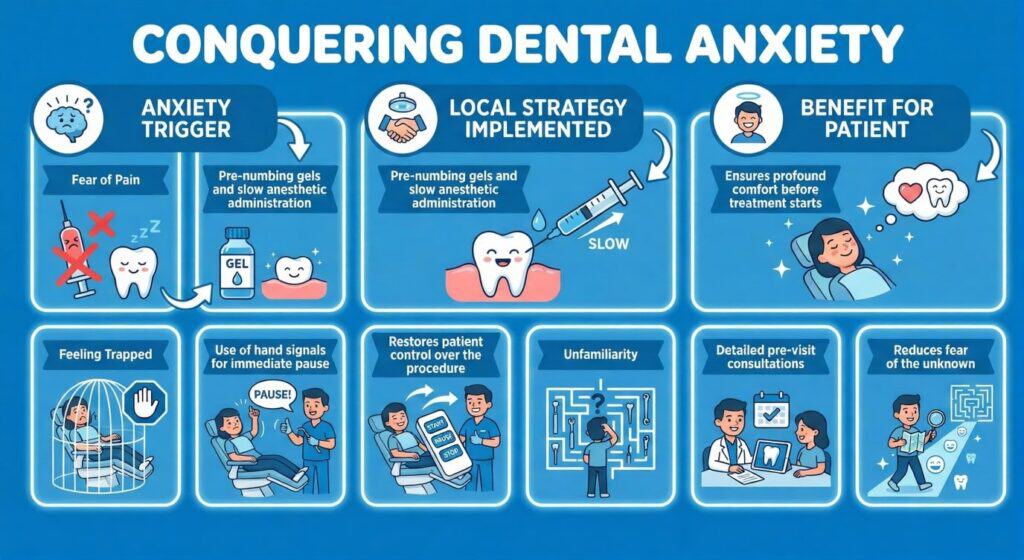
The causes of dental anxiety are diverse and deeply personal, ranging from a fear of needles and the sounds of dental drills to more complex psychological roots like post-traumatic stress or general anxiety disorders. It’s important to remember that these feelings are valid and shared by a substantial portion of the population, making the pursuit of solutions like those for managing dental anxiety essential.
The impact of unaddressed dental anxiety can be profound, leading to delayed or avoided dental care, which in turn can result in more serious oral health issues. This avoidance cycle can create a greater need for extensive and potentially more intimidating treatments down the line. Our team is dedicated to helping patients navigate these challenges and find effective strategies for overcoming dental anxiety.
Core Principles of Relaxing Dental Care
Providing a relaxing dental experience goes beyond just being gentle; it involves a holistic approach centered on patient comfort and trust. The core principles of this approach focus on open communication, patient empowerment, and a calming environment. These elements work together to alleviate apprehension and foster a positive relationship between the patient and the dental team.
At the heart of relaxing dental care is clear, empathetic communication. Dentists and their staff make it a priority to explain every step of a procedure, answer questions thoroughly, and ensure patients feel heard and understood. This transparency helps to demystify the dental process and reduce the fear of the unknown, which is a significant contributor to dental anxiety. When patients understand what is happening, they feel more in control. For those experiencing significant worry, exploring strategies for managing dental anxiety can be very beneficial.
Patient empowerment is another crucial principle. This means giving individuals choices and control over their treatment whenever possible. Whether it’s choosing the type of music to listen to, deciding on the pace of the procedure, or using a signal to pause treatment, these options help patients feel less like passive recipients and more like active participants in their care. This sense of agency can dramatically reduce feelings of helplessness.
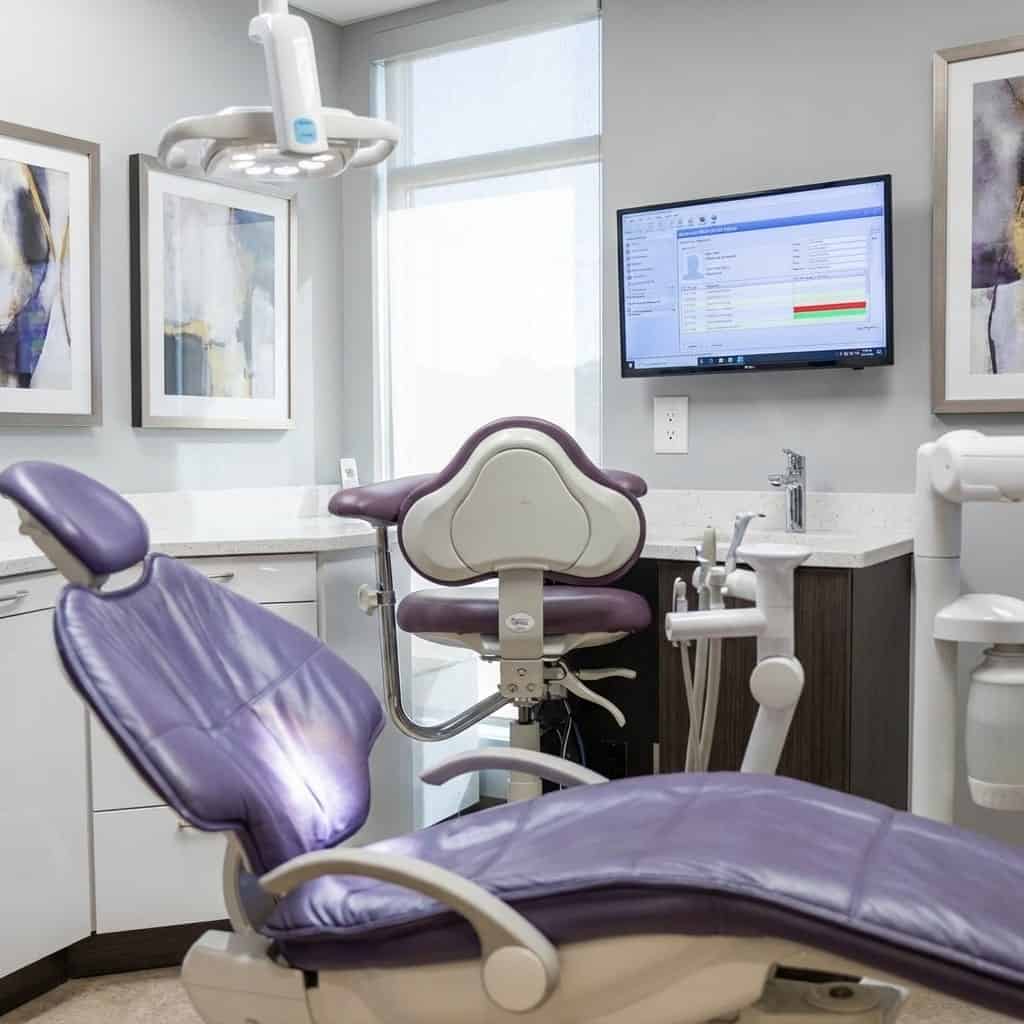
Creating a serene and welcoming environment is also fundamental. This includes comfortable seating, calming decor, and the availability of amenities that promote relaxation. For example, offering warm blankets, neck pillows, or even mild sedation options when necessary can transform the dental office from a place of fear into a space of comfort. The overall atmosphere plays a significant role in a patient’s experience, and understanding how to manage dental anxiety can further enhance this.
The strategies for overcoming dental anxiety are built upon these core principles. They aim to address the psychological and emotional aspects of fear, ensuring that every visit is as comfortable as possible. This commitment to patient well-being is what sets apart practices dedicated to providing truly relaxing dental care. For those seeking such an environment, understanding these principles is the first step towards a more positive dental journey.
Strategies for Overcoming Dental Anxiety
Overcoming dental anxiety is achievable with the right tools and techniques. This section focuses on empowering you with actionable strategies that can significantly reduce your apprehension before and during dental appointments. By implementing these methods, you can take control of your feelings and ensure you receive the necessary dental care without undue stress. For more information on managing your fear, explore our dental anxiety management resources for more.
Mindfulness and Relaxation Techniques
Incorporating mindfulness and relaxation techniques into your routine can profoundly impact your experience with dental anxiety. These methods help calm your nervous system and redirect your focus away from potential fears. Practicing these consistently can build resilience and make dental visits more manageable. For more on this topic, explore our dental anxiety management resources, and learn about how dental crowns can help restore your smile.
- Deep Breathing Exercises: Focus on slow, deep inhales through your nose and long, controlled exhales through your mouth. This can help slow your heart rate and promote a sense of calm.
- Progressive Muscle Relaxation: Systematically tense and then release different muscle groups in your body. This helps you become aware of physical tension and learn to release it.
- Guided Imagery: Visualize a peaceful and comforting place or scenario. Engaging your senses in this imagined environment can be a powerful distraction from dental chair worries.
Communication and Empowerment Strategies
Open communication with your dental team is crucial for overcoming dental anxiety. Feeling heard and understood can transform your dental experience. Don’t hesitate to express your concerns and work collaboratively to create a comfortable treatment plan. Understanding the difference between a routine dental cleaning and cosmetic whitening can also help manage expectations and reduce anxiety about what to expect during your visit; learn more about dental cleaning vs whitening for more.
- Inform Your Dentist: Clearly communicate your anxiety to your dental provider before your appointment. Let them know what specific situations or sensations trigger your fear.
- Establish a Signal: Agree on a non-verbal signal, such as raising your hand, to indicate if you need a break or are feeling overwhelmed during a procedure. This gives you a sense of control.
- Ask Questions: Understand what is happening during your visit. Asking questions about procedures can demystify the process and reduce the unknown, which is often a source of anxiety.
- Discuss Sedation Options: For those with severe anxiety, discuss the possibility of sedation dentistry with your dentist. Options like nitrous oxide or oral sedatives can significantly ease your fears.
Distraction and Sensory Management
Managing the sensory input of a dental appointment can be a key strategy in overcoming dental anxiety. By controlling or distracting from certain sights, sounds, and sensations, you can create a more pleasant environment for yourself. For more strategies, explore our comprehensive guide to managing dental anxiety, and learn about related topics like stale mouth meaning.
- Listen to Music or Podcasts: Bring headphones and listen to calming music, an engaging podcast, or an audiobook to divert your attention from the dental environment.
- Focus on a Comfort Object: Some individuals find comfort in holding a stress ball or a small, smooth object during their appointment.
- Wear Sunglasses: If bright dental lights are a trigger, wearing sunglasses can help reduce visual stimulation.
Advanced Solutions for Severe Dental Fear
For individuals experiencing severe dental fear or phobia, standard relaxation techniques might not be sufficient. Fortunately, advanced solutions are available to ensure that even those with the most intense anxiety can receive necessary dental care. These methods focus on creating a profoundly safe and comfortable environment, often involving sedation or specialized psychological approaches.
Understanding and addressing severe dental fear requires a multi-faceted approach. The goal is to minimize discomfort, prevent panic, and build trust, allowing for effective treatment. Dentists experienced in treating anxious patients are crucial in implementing these advanced strategies. They are trained to recognize the signs of escalating fear and to respond with appropriate interventions. For more information on managing your fear, explore our dental anxiety management resources, which also cover topics like early canine development.
Sedation Dentistry Options
Sedation dentistry offers a way to manage anxiety and fear, making dental procedures more bearable. Different levels of sedation are available, tailored to the patient’s needs and the complexity of the treatment. This allows patients to relax deeply, often with little to no memory of the procedure afterward. For those experiencing significant dental anxiety, exploring options for dental anxiety management can be a crucial first step. Understanding the best tools for maintaining oral health, such as the difference between an electric vs manual toothbrush, can also contribute to a more comfortable dental experience.
- Minimal Sedation: The patient is awake but relaxed.
- Moderate Sedation: The patient may slur their words and might not remember much of the procedure. This is often referred to as “conscious sedation.”
- Deep Sedation: The patient is on the edge of consciousness but can still be aroused. They will remember very little or nothing of the procedure.
- General Anesthesia: The patient is completely unconscious.
Nitrous oxide, commonly known as “laughing gas,” is a form of minimal sedation that helps patients relax during treatment. Oral sedatives, in the form of a pill taken before the appointment, can also induce a state of relaxation. For deeper sedation needs, intravenous (IV) sedation is an option, delivering medication directly into the bloodstream for rapid and controllable effects. General anesthesia is typically reserved for very complex procedures or for patients with extreme phobias.
Behavioral and Psychological Therapies
Beyond sedation, behavioral and psychological therapies play a vital role in helping patients cope with severe dental fear. These techniques address the underlying psychological causes of anxiety and equip individuals with long-term coping mechanisms.
- Cognitive Behavioral Therapy (CBT): CBT helps patients identify and challenge negative thought patterns related to dental visits. It teaches coping strategies to manage fear and change avoidance behaviors.
- Exposure Therapy: Gradually exposing patients to dental stimuli in a controlled and supportive environment can desensitize them to their fears. This might start with simply sitting in the waiting room and progress to simulated dental procedures.
- Mindfulness and Relaxation Techniques: Practices such as deep breathing exercises, progressive muscle relaxation, and guided imagery can be used before and during dental appointments to promote a sense of calm.
These therapeutic approaches, often used in conjunction with sedation, provide a comprehensive strategy for overcoming severe dental fear. By addressing both the physical and psychological aspects of anxiety, dental professionals can help patients achieve a more positive and less stressful dental experience. The key is finding a dental team that understands and is equipped to provide these specialized solutions for overcoming dental anxiety. For more information on managing this, see our guide to dental anxiety management, which also explains the roles of professionals like a dental hygienist versus dentist.
Benefits of a Gentle Dental Experience
Opting for a dental practice that prioritizes a gentle approach offers numerous advantages beyond just a more comfortable visit. When dental anxiety is addressed proactively, patients are more likely to attend regular check-ups and preventative care appointments. This consistent care is fundamental to maintaining excellent oral hygiene and detecting potential issues early, often before they become serious or painful. For those experiencing significant fear, exploring resources on dental anxiety management can be a crucial first step, and understanding when a dental crown might be necessary can also alleviate some concerns.
The benefits of a gentle dental experience extend directly to improved oral health. By reducing fear and stress, individuals are more likely to comply with treatment plans and maintain consistent oral hygiene routines at home. This partnership between patient and dental team fosters trust and encourages a positive long-term relationship with dental care, leading to healthier smiles for years to come.
- Reduced Stress and Fear. A gentle approach significantly minimizes the anxiety and fear many individuals associate with dental visits, making the entire experience more pleasant.
- Improved Oral Health Outcomes. Patients who feel comfortable are more likely to attend regular appointments, leading to better prevention, early detection, and successful treatment of dental conditions.
- Enhanced Patient Compliance. When patients trust their dental team and feel understood, they are more receptive to advice and committed to following recommended treatment plans and home care routines.
- Positive Reinforcement. A positive and anxiety-free experience can help reframe a patient’s perception of dental care, turning a source of dread into a manageable part of their overall health regimen.
- Better Overall Well-being. Oral health is intrinsically linked to general health. By addressing dental anxiety, we contribute to a patient’s overall sense of well-being and reduce the systemic impact of untreated dental issues.
Preparing for Your Relaxed Dental Appointment
For those who experience significant anxiety, exploring various dental anxiety management techniques can be a crucial step in ensuring a comfortable and positive dental visit.
Taking proactive steps before, during, and after your dental appointment can significantly reduce feelings of anxiety and contribute to a more comfortable experience. Thoughtful preparation helps you feel more in control and can transform a potentially stressful situation into a manageable one. These strategies are designed to empower you, ensuring that your visits to the dentist are as smooth and stress-free as possible, and can even help if you are experiencing jaw pain related to tmj disorders symptoms causes for more.
Pre-Appointment Preparation: Setting the Stage for Calm
The days and hours leading up to your dental visit are crucial for setting a positive tone. Gentle preparation can make a substantial difference in managing your anxiety. By implementing a few key strategies beforehand, you can approach your appointment with a greater sense of peace, and our guide to dental anxiety management offers valuable insights. For those considering cosmetic enhancements, understanding options like dental veneers can also be part of a positive outlook.
- Schedule Wisely: Choose an appointment time that typically works best for you, avoiding times when you’re usually rushed or stressed. Early morning appointments can sometimes be beneficial as they are often less rushed.
- Communicate Your Concerns: Inform the dental office about your anxiety when booking your appointment. This allows them to allocate extra time, prepare the staff, and discuss potential comfort measures.
- Practice Relaxation Techniques: In the days leading up to your appointment, engage in activities that help you relax, such as deep breathing exercises, meditation, or gentle yoga.
- Familiarize Yourself: If possible, consider a quick tour of the dental office beforehand to familiarize yourself with the environment, which can reduce the unknown.
During the Appointment: Maintaining Comfort and Control
Once you are at the dental office, several techniques can help you remain calm and in control throughout your procedure. Open communication with your dental team is key to ensuring your comfort and addressing any developing anxieties. For more information on managing your fear, explore our dental anxiety management resources. If you experience discomfort, understanding the underlying causes of tooth sensitivity can be helpful.
- Establish a Signal: Agree on a non-verbal signal with your dentist or hygienist to indicate if you need a break or are feeling uncomfortable. This signal can be as simple as raising your hand.
- Distraction Techniques: Bring headphones to listen to calming music, an audiobook, or a podcast. Focusing on something enjoyable can divert your attention from the dental work.
- Mindful Breathing: Practice slow, deep breaths throughout the appointment. Inhaling through your nose and exhaling slowly through your mouth can help regulate your heart rate and promote relaxation.
- Ask Questions: Don’t hesitate to ask your dental provider to explain what they are doing. Understanding the process can demystify the experience and reduce fear of the unknown.
- Request Breaks: If you agreed on a signal or feel the need, don’t hesitate to ask for a short break. A brief pause can help you regain composure.
Post-Appointment Care and Reflection
The care and attention you give yourself after your dental appointment can reinforce the positive experience and help manage any lingering unease. Reflecting on your visit can also provide valuable insights for future appointments. For those experiencing significant fear, exploring strategies for managing dental anxiety can be very beneficial, and understanding the impact of your diet on your oral health by reviewing the best worst foods teeth can also contribute to a healthier smile.
- Reward Yourself: Plan a small, enjoyable activity after your appointment as a positive reinforcement. This could be anything from enjoying a favorite meal to spending time on a hobby.
- Gentle Self-Care: Follow any post-treatment instructions from your dentist carefully. If you experienced any discomfort, use recommended over-the-counter pain relievers as needed.
- Reflect on Your Experience: Consider what strategies worked best for you during the appointment. Note any specific aspects of the visit that contributed to your comfort or any areas where you might need additional support next time. This self-awareness is a powerful tool for future visits.
- Schedule Your Next Visit: Booking your next appointment before you leave the office can help maintain momentum and prevent anxiety from building up again. This proactive step ensures you stay on track with your oral health.
Choosing the Right Dental Provider
Selecting a dental provider who understands and addresses dental anxiety is crucial for a positive and less stressful experience. Look for a practice that emphasizes patient comfort and communication. It’s important to feel heard and understood, so don’t hesitate to ask questions about their approach to anxious patients. For more information on managing your fears, explore our dental anxiety management resources for more.
When searching for a dentist, consider the specific environment and atmosphere of the practice. A welcoming and calming reception area, along with staff who are trained to be empathetic and patient, can make a significant difference. The goal is to find a dental team that prioritizes your peace of mind throughout your visit.
Here are key factors to consider when selecting a dental professional experienced in helping patients with overcoming dental anxiety: our guide to dental anxiety management can help.
| Factors to Consider | Description |
|---|---|
| Communication Style | Does the dentist and staff explain procedures clearly and patiently, and do they encourage you to ask questions? A good provider will check in with you regularly during treatment. |
| Office Atmosphere | Is the waiting room and treatment area designed to be calming? Look for practices that offer a tranquil environment. |
| Sedation Options | Inquire about the availability of sedation dentistry or other comfort measures like noise-canceling headphones or blankets. |
| Patient Reviews | Read reviews from other patients, particularly those who have mentioned dental anxiety or a positive experience with nervous patients. |
| Initial Consultation | Consider scheduling an initial consultation to meet the team and discuss your concerns before committing to a full treatment plan. This allows you to gauge their approach and comfort level. |
Finding a dentist who specializes in helping individuals with overcoming dental anxiety means they are likely to employ techniques designed to make you feel more at ease. This might include a slower pace of treatment, breaks when needed, and a genuine commitment to your comfort. A supportive dental team can transform a daunting experience into a manageable one, ensuring your oral health needs are met without undue stress. For more information on managing your fears, explore our dental anxiety management resources for more.
Your Next Steps Towards Comfortable Dental Care
Taking the first step towards overcoming dental anxiety is a significant achievement. At Heritage Dental Centre, we are committed to providing a supportive and anxiety-friendly environment. We understand that seeking dental care can be challenging, and we are here to help you navigate that journey with ease and confidence.
Our team is dedicated to ensuring your comfort throughout your dental visit. We offer a range of solutions and a compassionate approach to make your experience as relaxing as possible. If you are ready to prioritize your oral health without the burden of fear, we invite you to take the next step.
- Schedule a consultation: Contact us to book an initial consultation. This allows us to discuss your concerns, explain our approach, and answer any questions you may have about overcoming dental anxiety.
- Discuss your needs: During your consultation, share your specific fears and anxieties with our dental professionals. This open communication helps us tailor your treatment plan to your comfort level.
- Begin your journey: Once you feel comfortable, we can schedule your first appointment. We will work with you to ensure a calm and positive dental experience, from the moment you enter our practice to the completion of your treatment.
We believe that everyone deserves access to quality dental care in a stress-free setting. Let us help you achieve a healthier smile and a more comfortable relationship with your dental visits. Your journey to a relaxed dental experience starts with understanding your smile health investment options.