
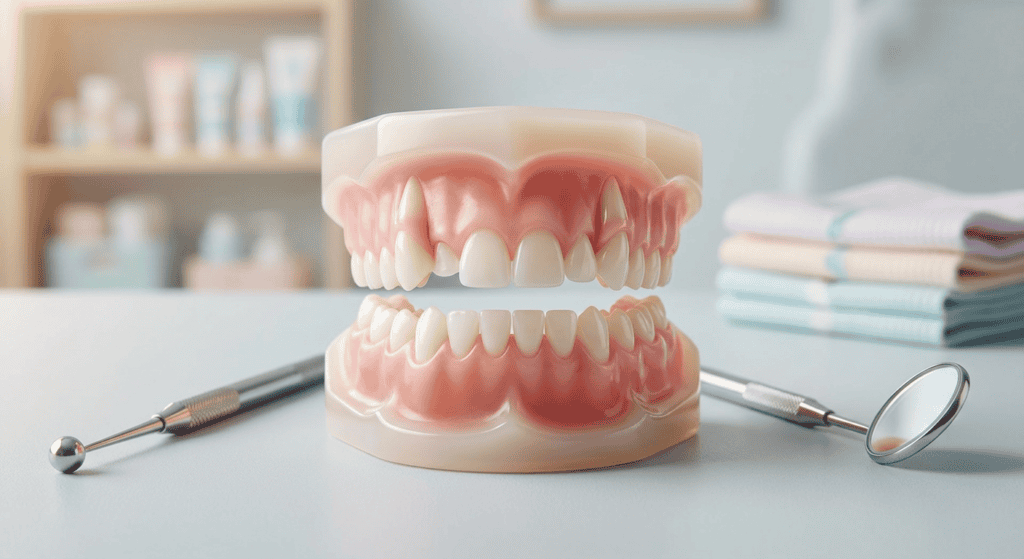

Understanding Baby Fang Teeth First
Many parents wonder if it’s normal for baby fang teeth to erupt first. While the typical eruption sequence usually starts with the front incisors, canine teeth (often called “fang teeth”) can sometimes emerge earlier. This variation is generally not a cause for alarm and is often within the spectrum of normal dental development for infants.
The emergence of baby fang teeth first means that the pointed teeth located on either side of the incisors are appearing before the central or lateral incisors. Although less common than the standard pattern, this early canine eruption is a phenomenon that occurs in some babies and is usually harmless. It’s important for parents to understand that individual timelines for tooth development can vary significantly.
Understanding this early canine eruption helps alleviate parental concerns about their child’s oral development. While it might look unusual, it doesn’t necessarily indicate any underlying dental problems or predict future orthodontic issues. Dentists often reassure parents that this variation is a natural part of the teething process for some little ones, and for more information on general dental care, you can explore our general dentistry services.
When Do Baby Teeth Typically Erupt?
Understanding the typical timeline for baby teeth eruption provides essential context when considering unusual patterns, such as baby fang teeth first. While most babies follow a predictable sequence, there’s a degree of natural variation. Dentists and pediatricians generally agree on an average range for when each type of primary tooth emerges.
The journey of a baby’s first teeth usually begins with the lower central incisors, appearing around six months of age. Following these, the upper central incisors typically emerge. This initial phase sets the stage for the rest of the primary dentition to follow. Knowing this standard eruption pattern helps parents gauge what to expect and identify when something might be outside the norm.
Canine teeth, often referred to as “fang teeth” due to their pointed shape, usually make their appearance later in the teething process. They typically erupt between 16 and 22 months of age, situated between the incisors and the molars. The emergence of baby fang teeth first, therefore, deviates from this common sequence and is worth understanding, especially when considering how dental restorations can impact overall oral development.
It’s important to remember that these timelines are averages, and slight variations are quite normal. Factors like genetics can influence the exact timing. However, significant deviations, such as canine teeth erupting before any incisors, might warrant a closer look. Understanding this typical eruption schedule helps clarify how baby fang teeth first fits into the broader picture of infant dental development.
The Role of Canines in a Child’s Smile
Canine teeth, often referred to as “fang teeth,” play a crucial role in a child’s oral development and function. These pointed teeth are located on either side of the incisors, both in the upper and lower jaws. Their primary function is to help tear and shred food, making them essential for breaking down tougher textures.
Even when baby fang teeth erupt first, their purpose remains the same. They are vital for efficient chewing, aiding digestion by preparing food for further breakdown in the stomach. This early eruption, while sometimes surprising, means these important teeth are ready to assist with eating sooner. If a tooth becomes damaged, exploring options like dental crown benefits can help restore its function and appearance.
- Chewing and Tearing. Canine teeth are designed with pointed tips to grip and tear food, a function distinct from the slicing action of incisors and the grinding of molars. This capability is important for a varied diet.
- Speech Development. The position and shape of canine teeth also contribute to proper speech articulation. They help to shape sounds and ensure clear pronunciation, even at an early stage of development.
- Guiding Permanent Teeth. Like other primary teeth, baby canines help maintain the proper spacing and guide the eruption of their permanent successors. This ensures that the adult teeth come in correctly aligned.
Understanding the importance of these teeth, whether they appear on schedule or as baby fang teeth first, helps parents appreciate the intricate process of dental development. Early eruption of canines is generally a normal variation, and their role in chewing and guiding future teeth remains consistent. For more detailed information on baby tooth eruption timelines, parents can consult resources that explain the typical sequence and variations, such as those detailing pediatric dental care for more.
Common Concerns About Early Canine Eruption
It’s natural for parents to have questions and even worries when their baby’s first teeth don’t follow the typical timeline. When baby fang teeth erupt first, some common concerns might arise regarding potential alignment issues or future dental problems. However, in most cases, early canine eruption is a normal variation and doesn’t indicate a cause for concern, though cosmetic options like dental veneer costs and benefits can be explored later if desired.
Reassurance on Early Canine Eruption
The eruption order of baby teeth can vary significantly among infants. While incisors usually appear first, it’s not uncommon for canine teeth, often referred to as “fang teeth” due to their pointed shape, to emerge earlier than expected. This variation is generally harmless and does not typically predict future orthodontic problems. The jaw has ample space to accommodate teeth as they emerge, and the natural process of tooth development often self-corrects minor deviations in timing. For more information on common dental developments, you can explore our guide to pediatric dental care.
Many parents worry if their baby is getting canine teeth first, fearing this might lead to crooked teeth later on. Dentists and pediatricians often reassure parents that such variations are normal and usually resolve on their own as more teeth erupt. The early appearance of these teeth doesn’t inherently mean they will be permanently out of place or cause misalignment. Understanding the typical eruption patterns can provide comfort, but also knowing when to seek professional advice is key, especially if you experience dental anxiety management.
While early canine eruption is usually not a cause for alarm, it’s always beneficial to discuss any concerns with a pediatric dentist. They can provide personalized reassurance and monitor your child’s dental development. The dental professionals at Heritage Dental Centre are equipped to address these concerns and offer guidance. Early monitoring can help ensure that your child’s oral health is on the right track from the very beginning of their tooth journey.
When to Consult a Pediatric Dentist
While it’s often normal for baby fang teeth to erupt first, there are specific instances when seeking professional guidance from a pediatric dentist is advisable. Early detection and consultation can ensure your child’s dental development proceeds as smoothly as possible. You can learn more about our pediatric care services at Heritage Dental Centre’s pediatric care.
Our team has years of experience working with families in our community and understands the common concerns that arise. We’ve seen many parents worry when their baby’s baby fang teeth erupt first, but with the right information and a professional assessment, it’s frequently just a normal stage of development. For more information on common dental procedures, check out our guide to common dental procedures for more.
- Significant Delays or Early Eruption: If your baby’s first tooth appears very late (after 18 months) or if teeth erupt significantly earlier than expected, it’s worth discussing with a pediatric dentist. This also applies if the eruption pattern seems highly unusual compared to standard timelines.
- Signs of Discomfort or Infection: While teething can cause discomfort, persistent fussiness, fever, vomiting, or signs of infection around the gums (like swelling or pus) warrant immediate dental attention.
- Concerns About Spacing or Alignment: If you notice that the early erupting baby fang teeth seem unusually spaced, crowded, or misaligned with neighboring teeth, a pediatric dentist can assess potential future orthodontic needs.
- Difficulty Feeding or Chewing: Any issues with your baby’s ability to feed or begin to chew solid foods due to their teeth could indicate a need for professional evaluation.
Regular dental check-ups, starting around your child’s first birthday or six months after their first tooth emerges, are crucial. These appointments allow dentists to monitor eruption patterns, assess oral health, and address any parental concerns, including those related to when baby fang teeth first appear.
Maintaining Oral Health During Teething
Caring for your baby’s mouth during the teething process is crucial for establishing good oral hygiene from the start. This is especially important if you notice that baby fang teeth are among the first to emerge. Gentle gum care, proper cleaning techniques, and appropriate dietary choices can help ensure your little one’s comfort and promote healthy dental development, and understanding the dental crown benefits can be helpful for future dental care.
Gentle Gum and Tooth Care
As new teeth, including those initial baby fang teeth, begin to break through the gums, it’s essential to keep the area clean. Before teeth even appear, you can gently wipe your baby’s gums with a clean, damp washcloth after feedings. Once the first teeth erupt, transition to a soft-bristled baby toothbrush with a tiny smear of fluoride-free toothpaste. Brushing twice a day, in the morning and before bed, helps remove milk residue and bacteria that can lead to early childhood cavities, which is different from cosmetic procedures like dental whitening.
Introducing Brushing and Diet
As your child’s teeth emerge, it’s important to introduce proper brushing habits and consider their diet. Learning about the best and worst foods for teeth can help you make informed choices to support their developing smile.
Introducing a regular brushing routine early on helps your baby get accustomed to the sensation. If your baby is particularly sensitive to brushing, especially when baby fang teeth first emerge, try offering a silicone finger brush or letting them chew on a clean, damp washcloth. For dietary considerations, while breast milk or formula is primary, be mindful of sugary drinks or excessive snacking between meals once solids are introduced. Healthy snacks like soft fruits or vegetables can be beneficial, but always supervise to prevent choking hazards. Understanding the meaning of stale mouth can also be helpful in identifying potential issues.
Comfort Measures and When to Seek Advice
Teething can be uncomfortable for babies, leading to fussiness and difficulty sleeping. Offer safe teething toys made of BPA-free materials to provide relief. You can also gently massage your baby’s gums with a clean finger. If your baby experiences a high fever, prolonged discomfort, or if you have significant concerns about the eruption pattern, such as the appearance of baby fang teeth first, it’s always best to consult with a pediatric dentist. They can offer personalized advice and ensure everything is developing as it should, including understanding the best tools for gum health like learning about electric vs manual toothbrush gum care.
Preventing Dental Issues as Baby Teeth Erupt
As your baby’s first teeth begin to emerge, it’s a crucial time to establish good oral hygiene practices. Regular cleaning, even before teeth appear, helps remove bacteria. Once teeth erupt, gentle brushing with a soft-bristled toothbrush twice a day is recommended. Introducing fluoride toothpaste, in an age-appropriate amount, can further protect against cavities. For parents concerned about the long-term health and appearance of these initial teeth, understanding options like cosmetic dental crowns can be beneficial for significant damage or decay.
Proactive oral care is essential from the very first tooth to ensure healthy development and prevent future dental problems. This is especially true when considering the eruption sequence, such as when baby fang teeth first appear. By implementing good habits early, parents can set the foundation for a lifetime of strong oral health for their child.
The eruption of baby teeth, even if it deviates from the typical timeline like canine teeth appearing first, presents an opportunity to establish crucial dental hygiene practices. Consistent care can mitigate risks and promote a healthy smile as more teeth emerge and eventually give way to permanent ones. For parents seeking to understand more about early dental care, our pediatric dental care guide offers valuable insights.
- Establish a Gentle Cleaning Routine: As soon as the first tooth breaks through the gums, begin gently cleaning it. Use a soft, infant-sized toothbrush with a tiny smear of fluoride-free toothpaste or just water. Wipe the gums with a clean, damp washcloth if brushing is not yet feasible.
- Monitor for Early Signs of Decay: Even with primary teeth, early childhood caries (cavities) can develop. Be vigilant for any white spots or discolored patches on the teeth, which could indicate the beginning of decay. Promptly address any concerns with your pediatric dentist.
- Introduce Fluoride Toothpaste Appropriately: Once your child is around age two and can spit effectively, you can transition to a fluoride toothpaste. Use a rice-grain-sized amount. Fluoride strengthens enamel and helps prevent cavities, making it a vital component of your child’s dental care.
- Avoid Sugary Liquids and Prolonged Bottle Feeding: Never let your baby fall asleep with a bottle containing milk, formula, juice, or sweetened liquids, as this can lead to severe tooth decay (baby bottle tooth decay). Limit the frequency of sugary snacks and drinks.
- Schedule Regular Dental Check-ups: The first dental visit should occur by age one or within six months of the first tooth erupting. These early check-ups allow dentists to monitor development, identify potential issues, and provide guidance on preventive care, even if baby fang teeth first erupted.
- Ensure Proper Nutrition for Healthy Teeth: A balanced diet rich in calcium and vitamin D is crucial for strong tooth development. Offer nutrient-dense foods and limit processed snacks and sugary beverages that can contribute to dental problems.
Comparing Early Canines to Other Baby Teeth
While the typical eruption sequence for baby teeth follows a general pattern, some variations are entirely normal. Understanding this pattern helps distinguish between typical teething and potential concerns. When baby fang teeth erupt first, it deviates from the most common timeline but doesn’t necessarily indicate a problem.
The standard order of tooth eruption usually begins with the lower central incisors, followed by the upper central incisors. After these front teeth emerge, the lateral incisors appear. Canines, often referred to as “fang teeth” due to their pointed shape, typically erupt later in the teething process, usually between 16 and 22 months of age. However, it’s not uncommon for these canines to appear earlier or even before the incisors, a phenomenon that can surprise parents.
The emergence of baby fang teeth first can be visually striking. While incisors are broad and flat, canines are sharper and more pointed, designed for tearing food. This difference in shape and position is crucial for a child’s developing bite and chewing ability. If your baby is experiencing this, it’s helpful to compare it to the usual timeline for other primary teeth, as outlined in our guide to pediatric dental care.
| Tooth Type | Typical Eruption Age (Months) | Typical Order |
|---|---|---|
| Lower Central Incisors | 6-10 | 1st |
| Upper Central Incisors | 8-12 | 2nd |
| Upper Lateral Incisors | 9-13 | 3rd |
| Lower Lateral Incisors | 10-16 | 4th |
| First Molars | 13-19 | 5th |
| Canines (Fang Teeth) | 16-22 | 6th |
| Second Molars | 23-31 | 7th |
As the table illustrates, canines are typically among the later primary teeth to emerge. The fact that baby fang teeth first appear signifies a variation in this sequence. However, this variation itself is often not a cause for alarm. Dentists understand that teething timelines can differ significantly from child to child.
The eruption of other teeth, like the first molars, can also sometimes occur earlier or later than the average. For instance, first molars might be delayed, or second molars could appear unusually early. These variations, including the early eruption of canines, highlight the flexible nature of infant dental development. If you have specific concerns about your child’s teething order, consulting with a pediatric dental professional is always the best course of action.
Frequently Asked Questions About Early Teeth
As your baby’s first teeth begin to emerge, it’s natural to have questions, especially if their dental development seems a bit different from what you expected. When baby fang teeth erupt first, parents often wonder if this is normal and what it signifies. This section aims to provide clear, concise answers to common queries, helping you feel more confident about your baby’s oral health journey. Understanding why you may need a dental crown can also be helpful information.
When do canine teeth typically appear?
Canine teeth, often referred to as “fang teeth” due to their pointed shape, usually erupt in infants between 16 to 22 months of age. These teeth are located on either side of the incisors (the front teeth). While this is the average timeframe, individual timelines can vary significantly, and it’s not uncommon for canines to emerge earlier or later than this range, sometimes related to jaw alignment issues like those discussed in TMJ symptoms and causes for more.
Is it normal for canine teeth to erupt before front teeth?
While the typical eruption sequence places incisors first, followed by canines, variations are quite common in pediatric dentistry. If your baby’s canine teeth appear before their front teeth, it’s generally not a cause for alarm, but it’s always wise to discuss any concerns with your dentist, who can offer personalized advice and ensure everything is developing as expected.
Yes, it can be normal for canine teeth to erupt before or alongside the front incisors, though it is less common. While the lower central incisors are typically the first teeth to appear, followed by the upper central incisors, variations in eruption order do occur. If your baby is getting baby fang teeth first, it doesn’t necessarily indicate an underlying problem, but it’s always a good idea to monitor their development and consider cosmetic options like dental veneers if desired later.
Are canine teeth the most painful during teething?
Many parents report that the eruption of canine teeth can be particularly uncomfortable for babies. This is often due to their sharper shape and the fact that they emerge through denser gum tissue. The pain associated with teething can vary greatly from one baby to another, and the duration of discomfort can also differ. If your baby shows significant distress during teething, consult with a pediatric dentist to understand the potential causes of tooth sensitivity.
Next Steps for Parents
Understanding your child’s dental development is crucial. For more information on common dental procedures and what to expect, you can explore our guide to common dental procedures.
Navigating the early stages of your baby’s dental development can bring about questions, especially when their teeth don’t follow the typical pattern. Understanding that baby fang teeth erupting first is often normal is a significant step. The key is to remain proactive and informed about your child’s oral health journey.
Encouraging regular dental check-ups is crucial for monitoring your baby’s teething progress. These appointments allow dental professionals to assess development, offer guidance, and address any concerns early on. Building a relationship with a pediatric dentist ensures you have expert support throughout your child’s growth, and you can learn more about pediatric dental care options.
- Schedule Regular Dental Check-ups. Even before all baby teeth erupt, establishing a routine with a pediatric dentist is beneficial. This allows for early detection of any potential issues and provides peace of mind.
- Maintain Excellent Oral Hygiene. As soon as the first tooth appears, begin gentle brushing with a soft-bristled toothbrush and a tiny smear of fluoride toothpaste. Consistent cleaning helps prevent early childhood cavities.
- Observe Your Child’s Teething Symptoms. Pay attention to any signs of discomfort, such as irritability, drooling, or fussiness. Knowing these symptoms can help you provide comfort and identify when a tooth is about to emerge.
- Stay Informed About Dental Development. Resources like guides on infant teething and dental care can offer valuable insights. Understanding the typical eruption patterns, as well as variations like baby fang teeth first, empowers you to make informed decisions about your child’s oral health, and learn more about pediatric dental care.
Conclusion: Your Child’s Dental Journey
Embarking on your child’s dental health journey is a significant milestone. Understanding the nuances of infant tooth eruption, such as when baby fang teeth first appear, can help ease parental concerns and foster a proactive approach to oral care. Remember that many variations in teething are normal and often resolve on their own.
The eruption of baby fang teeth first, while perhaps surprising, is generally not a cause for alarm. This phenomenon can be attributed to individual genetic factors and developmental variations. Focusing on consistent oral hygiene and regular dental check-ups will set a strong foundation for your child’s lifelong smile. For more information on maintaining a healthy smile, explore our oral health tips for more.
- Normal Variation: It’s important to recognize that the order of tooth eruption can vary significantly among infants. Early canine eruption is a less common but perfectly normal occurrence.
- Focus on Hygiene: Regardless of the eruption sequence, maintaining good oral hygiene from the very first tooth is crucial. Gentle brushing and a healthy diet support overall dental wellness.
- Professional Guidance: If you have any concerns about your child’s teething or oral development, consulting with a pediatric dentist is always recommended. They can provide personalized advice and ensure everything is progressing as it should.
As you navigate your child’s growth, remember that each stage of dental development is a step towards a healthy future. By staying informed and seeking professional support when needed, you are providing the best possible start for your child’s lifelong dental health. For more insights into infant teething, exploring resources on baby fang teeth first can offer further understanding and peace of mind.