
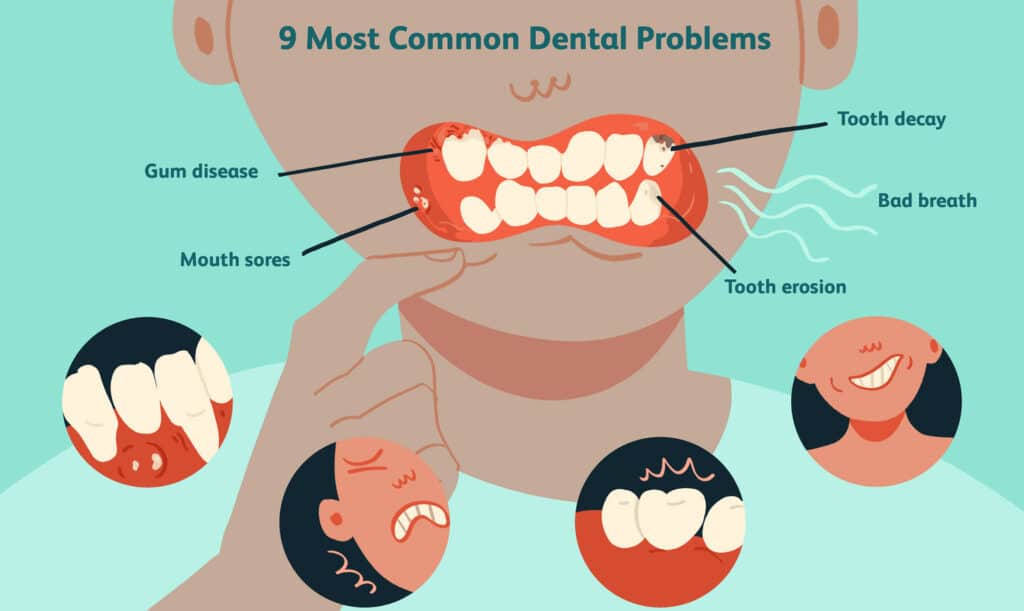

Understanding Common Mouth Problems
Many parents and caregivers wonder about the best ways to navigate common mouth problems and ensure their children maintain optimal oral health. This comprehensive guide is designed to provide a foundational understanding of these issues, emphasizing the critical importance of proactive oral care from an early age.
Our goal is to equip you with the knowledge to identify potential concerns, understand their origins, and implement effective preventative strategies. By exploring the scope of common oral health challenges, you can better support your family’s journey towards a healthy smile.
We will delve into various conditions, from minor irritations to more significant dental issues, and discuss how simple daily practices can make a world of difference. Discover how prioritizing oral hygiene can lead to a lifetime of healthy teeth and gums, and explore resources for advanced dental solutions like cosmetic dentistry and dental implants when needed.
Common Mouth Issues Explored
Understanding the signs and potential severity of various mouth problems is the first step toward effective management and prevention. This section introduces common oral health concerns, helping you recognize what to look out for.
| Mouth Issue | General Symptoms | Potential Severity |
|---|---|---|
| Cavities | Tooth sensitivity, visible pits or holes in teeth, toothache | Can range from mild to severe, potentially leading to infection |
| Gum Inflammation (Gingivitis) | Red, swollen, or bleeding gums | Mild, but can progress to more serious gum disease if untreated |
| Dry Mouth (Xerostomia) | Sticky feeling in the mouth, difficulty chewing or swallowing, bad breath | Can increase risk of cavities and gum disease |
| Tooth Sensitivity | Pain or discomfort when consuming hot, cold, sweet, or acidic foods/drinks | Ranges from mild discomfort to significant pain |
Recognizing these symptoms early allows for timely intervention, preventing minor issues from escalating. For effective home care, understanding proper oral hygiene is paramount. If you’re looking to improve the appearance of your smile, options like teeth whitening can be explored after addressing any underlying health concerns, or for more significant structural changes, consider the differences between crowns and veneers for more.
Mouth Sores: Types and Causes
Mouth sores are a common and often uncomfortable ailment that can affect individuals of all ages. Understanding the different types, their characteristics, and the factors that trigger them is key to finding relief and preventing recurrence. If you’re experiencing persistent toothaches or jaw pain, it’s important to seek professional advice, and our guide to gum & jaw pain relief can offer initial insights.
Canker Sores (Aphthous Ulcers)
Canker sores are small, shallow lesions that appear inside the mouth. They are typically round or oval with a white or yellowish center and a red border. While their exact cause is unknown, they are often linked to minor injuries to the mouth, stress, certain foods, or nutritional deficiencies, which can sometimes be indicators of stale mouth meaning. For some individuals, chronic conditions or even muscle tension might play a role, and understanding these connections is key, similar to how Botox in dentistry can address certain muscular issues.
Cold Sores (Fever Blisters)
Cold sores are fluid-filled blisters that usually form on the lips or around the mouth, though they can sometimes occur inside the mouth. They are caused by the herpes simplex virus (HSV-1) and are contagious. Triggers can include stress, illness, sun exposure, or hormonal changes, similar to how some parents track the baby fang teeth first eruption. For those experiencing discomfort or muscle tension related to dental issues, understanding how Botox can help dental patients feel better may offer relief.
Traumatic Mouth Sores
These sores result from physical injury to the soft tissues of the mouth. This can include accidental bites, irritation from sharp teeth or dental appliances, or burns from hot food or drinks. They usually heal on their own within a week or two, but be mindful of proper oral hygiene to prevent further irritation, especially when considering an electric toothbrush vs. manual for gum recession. If you are experiencing persistent sores or are concerned about the cost of potential treatments, reviewing Alberta denture costs might be helpful.
Oral Thrush (Yeast Infection)
Oral thrush is a fungal infection caused by an overgrowth of Candida yeast. It typically appears as white, creamy patches on the tongue, inner cheeks, and roof of the mouth. It is more common in infants, older adults, or individuals with weakened immune systems or those taking certain medications.
Effective management of these and other dental emergencies often starts with prompt attention. Regular dental cleaning appointments are crucial for maintaining oral health and can help in the early detection of any developing issues. When seeking care, understanding how to choose a dentist can ensure you receive the best possible treatment for your needs.
Gum Disease: From Gingivitis to Periodontitis
Gum disease is a progressive condition that begins with inflammation and can lead to significant damage to the tissues and bone supporting the teeth if left untreated. Understanding its stages is vital for maintaining healthy gums.
- Gingivitis: This is the initial and milder form of gum disease. Symptoms include red, swollen, and bleeding gums, often due to plaque buildup. It is typically reversible with good oral hygiene and professional dental cleaning.
- Periodontitis: If gingivitis is not treated, it can advance to periodontitis. In this stage, the inflammation spreads below the gum line, causing the gums to pull away from the teeth and forming pockets that collect bacteria.
- Advanced Periodontitis: This is the most severe stage. The tissues and bone supporting the teeth are destroyed, which can lead to loose teeth and eventual tooth loss. Treatment at this stage may involve complex procedures, including dental implants if teeth are lost.
If you’re experiencing symptoms of gum disease, it’s important to seek professional help. Learn more about non-surgical gum therapy which can help manage and treat these conditions.
Regular professional dental cleaning is essential for removing plaque and tartar that contribute to gum disease. If you suspect you have any signs of gum issues, seeking prompt treatment at a dental clinic specializing in gum disease is highly recommended, and they can also discuss important topics like dental x-ray safety with you.
Tooth Decay and Sensitivity
Tooth decay and sensitivity are among the most prevalent dental concerns, affecting millions of people. Understanding the factors that contribute to their development can empower individuals to take preventative measures and manage discomfort. For instance, understanding common causes of tooth sensitivity can help you address the issue more effectively.
- Dietary Habits: Frequent consumption of sugary and acidic foods and drinks erodes tooth enamel, increasing the risk of decay and sensitivity.
- Poor Oral Hygiene: Inadequate brushing and flossing allow plaque bacteria to thrive, producing acids that attack tooth enamel.
- Genetics: Some individuals may have naturally thinner enamel or be more predisposed to decay.
- Grinding or Clenching Teeth (Bruxism): This can wear down enamel over time, leading to increased sensitivity. For this condition, exploring bruxism treatment options may be beneficial.
- Gum Recession: When gums recede, the root surfaces of the teeth become exposed, which are more sensitive to stimuli.
Practicing consistent oral hygiene, including regular brushing and flossing, is crucial for preventing decay and sensitivity. Professional dental cleaning also plays a vital role in removing stubborn plaque and tartar. For those experiencing significant issues, treatments for cavities and decay are available.
Other Oral Health Concerns
Beyond the more common issues, several other oral health concerns can impact overall well-being. Our team at Heritage Dental Centre has observed various conditions in our South Edmonton patients, highlighting the need for comprehensive dental care. For instance, understanding the TMJ disorders can help identify potential pain and movement difficulties.
- Dry Mouth (Xerostomia): Often a side effect of medications, dry mouth can significantly increase the risk of cavities and gum disease.
- Bad Breath (Halitosis): While often linked to hygiene, persistent bad breath can sometimes indicate underlying health issues.
- Jaw Joint Disorders (TMJ Disorders): These can cause pain, clicking, and difficulty with jaw movement.
- Oral Cancer: Early detection is critical for successful treatment, making regular dental check-ups essential.
For patients experiencing tooth loss or significant damage, advanced solutions like dental implants can restore function and aesthetics. We also offer services in cosmetic dentistry to enhance smiles, and teeth whitening treatments for brighter smiles. Understanding the distinct roles of a dentist versus a hygienist can help you navigate your dental appointments effectively. Learn more about the dentist vs hygienist roles for more.
When to Seek Professional Dental Care
Recognizing when to seek professional dental help is crucial for maintaining optimal oral health and preventing minor issues from becoming major problems. Timely intervention can save discomfort, time, and money in the long run.
You should contact a dental professional if you experience any of the following: persistent toothaches, bleeding gums that don’t improve with care, loose teeth, swelling in your mouth or face, sores that don’t heal within two weeks, or any sudden changes in your oral comfort or appearance. Regular dental check-ups, typically scheduled every six months for professional dental cleaning and examination, are essential for preventative care.
For urgent situations, remember that dental emergencies require immediate attention. Our team is here to help you navigate these situations and maintain your oral health. You can learn more about our practice and commitment to patient care on our About Us page. If you are considering cosmetic improvements, understanding the differences between options like veneers and crowns can help you achieve your desired smile.
Preventing Mouth Problems: Daily Tips
Proactive daily care is the most effective strategy for preventing a wide range of common mouth problems. By incorporating a few key practices into your routine, you can significantly improve your oral health and maintain a radiant smile. For instance, understanding the link between oral health and overall health can motivate consistent care.
- Brush Twice Daily: Use fluoride toothpaste and a soft-bristled brush to clean all surfaces of your teeth for at least two minutes each time. Pay attention to the gum line.
- Floss Daily: Flossing removes plaque and food particles from between teeth and under the gum line, areas your toothbrush can’t reach.
- Use Mouthwash: An antimicrobial mouthwash can help reduce plaque and gingivitis, freshen breath, and provide additional fluoride protection.
- Maintain a Healthy Diet: Limit sugary snacks and drinks, and consume a balanced diet rich in fruits, vegetables, and dairy products.
- Visit Your Dentist Regularly: Schedule routine check-ups and professional dental cleaning appointments, typically every six months, or as recommended by your dental professional.
- Consider Fluoride Treatments: For enhanced cavity protection, especially for children and those at high risk, discuss fluoride treatments with your dentist.
- Explore Pediatric Dentistry: For children, establishing good habits early with specialized pediatric dentistry is crucial for long-term oral health.
Consistent adherence to these practices, alongside professional guidance on oral hygiene, forms the bedrock of a healthy mouth and a confident smile.
Conclusion: Your Oral Health Journey
Embarking on and maintaining a path of optimal oral health is a continuous journey, and understanding common mouth problems is a vital part of that process. By recognizing potential issues, practicing diligent daily care, and seeking professional guidance when needed, you are well-equipped to safeguard your smile.
At Heritage Dental Centre, we are committed to supporting you every step of the way. We encourage you to utilize the knowledge gained from this guide and engage proactively with your dental health. Whether you need routine care or are considering advanced treatments like cosmetic dentistry, our team is ready to assist you.
We invite you to explore our services further and contact us to schedule your next appointment. Remember, a healthy mouth contributes significantly to your overall well-being, and we are here to help you achieve and maintain it. Visit our homepage Heritage Dental Centre for more information.
Frequently Asked Questions
Understanding common dental issues and their prevention can sometimes lead to questions. Here, we address some frequently asked questions to provide further clarity and support your oral health journey.
| Question | Answer |
|---|---|
| What are the earliest signs of gum disease? | The earliest signs of gum disease (gingivitis) include gums that are red, swollen, and tend to bleed easily during brushing or flossing. Learn more about bleeding gums for more. |
| How often should children visit the dentist? | Children should have their first dental visit by age one or within six months of their first tooth erupting. Regular check-ups, typically every six months, are then recommended. |
| Can stress cause mouth problems? | Yes, stress can contribute to various mouth problems, including canker sores, teeth grinding (bruxism), and can sometimes exacerbate existing gum issues. For bruxism treatment, consider our bruxism treatment guide. |
| What is the best way to prevent tooth decay? | Preventing tooth decay involves a combination of brushing twice daily with fluoride toothpaste, flossing daily, maintaining a balanced diet low in sugar, and attending regular dental check-ups and cleanings. |
| Are cold sores contagious? | Yes, cold sores, which are caused by the herpes simplex virus, are contagious through direct contact with the sore or by sharing items like utensils or towels. |