

Overview
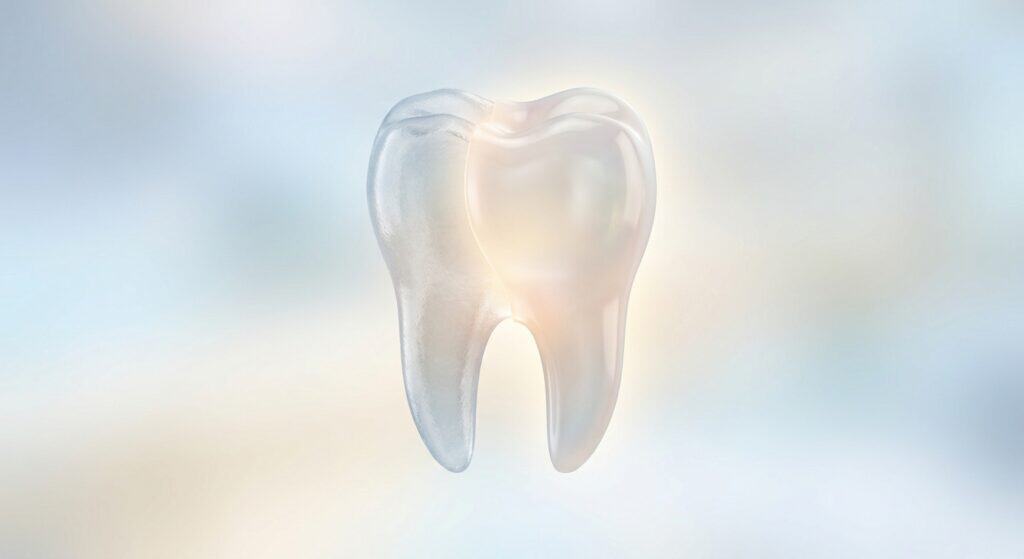
Dental crowns are caps placed over damaged teeth, restoring their shape, size, strength, and appearance. They provide a protective covering for teeth weakened by decay, fractures, or extensive dental work, ensuring they remain functional for many years.
These restorations offer a practical approach to preserving oral health and improving smile aesthetics. Discover how dental crowns can benefit your smile and overall dental wellness.
- Definition: Gain clarity on what crowns are and their primary uses.
- Advantages: Learn about the many benefits crowns offer for oral health and appearance.
- Indications: Find out when crowns are suitable for addressing tooth damage.
- Process: Understand the typical crown procedure steps from start to finish.
- Appearance: See how crowns enhance smiles for aesthetic reasons.
- Next Steps: Get guidance on what to do next if considering crowns.
What Are Dental Crowns?
Dental crowns are tooth-shaped caps placed over a damaged tooth. They restore a tooth’s shape, size, strength, and appearance, providing a protective covering. Many people seek dental crowns to preserve teeth that might otherwise need extraction due to decay or injury.
A dental crown encases the entire visible portion of a tooth above the gum line. This makes the tooth stronger and improves its overall function, especially for biting and chewing. Our dental team can help determine if a crown is the right choice for your oral health needs.
Common Reasons for Dental Crowns
| Reason for Crown | Description |
|---|---|
| Protect a weak tooth | Dental crowns protect a tooth from breaking or hold together parts of a cracked tooth. This helps maintain the tooth’s structure and prevents further damage. |
| Restore a broken tooth | Crowns can restore a tooth that has already broken or is severely worn down. They rebuild the tooth’s form and provide stability. |
| Cover and support a tooth with a large filling | When a tooth has a large filling and little natural tooth structure remaining, a dental crown provides extra support. This prevents the tooth from fracturing. |
| Cover misshapen or discolored teeth | For cosmetic concerns, dental crowns can improve the appearance of teeth that are poorly shaped or severely discolored. They offer a uniform and natural look. |
| Cover a dental implant | A crown is placed on top of a dental implant to create a tooth-like shape and function. This completes the implant restoration, allowing for proper chewing and speaking. |
| Anchor a bridge | Dental crowns serve as anchors for a dental bridge. They hold the artificial tooth (pontic) in place, filling gaps created by missing teeth. |
Benefits of Getting Dental Crowns
Dental crowns offer several advantages for restoring damaged or weakened teeth. These custom-fitted caps significantly improve both the function and appearance of your smile. They protect remaining tooth structure and provide lasting stability.
- Restored Strength and Function: Crowns encase the entire visible portion of a damaged tooth, providing reinforcement and preventing further breakage. This allows for normal chewing and biting without discomfort.
- Improved Appearance: Crowns are custom-made to match the color, shape, and size of your natural teeth, enhancing the aesthetic appeal of your smile. They can effectively cover discolorations or misshapen teeth.
- Protection for Weak Teeth: For teeth weakened by decay or fracture, dental crowns act as a protective barrier, extending the tooth’s lifespan and preventing additional damage. This is particularly helpful after a root canal procedure for more.
- Support for Large Fillings: When a tooth has a large filling that compromises its structural integrity, a crown can hold the tooth together and support the filling. This prevents cracking or crumbling over time.
- Long-Term Solution: With proper care, dental crowns can last for many years, offering a durable and reliable solution for various dental problems. Regular dental check-ups help extend their longevity.
Consider the many positive outcomes dental crowns can provide, from cosmetic improvements to enhanced chewing. For those interested in cosmetic dentistry options, a consultation can provide more information on how dental crowns fit into a complete smile makeover plan.
When You Might Need Dental Crowns
Dental crowns are a versatile solution for many oral health issues, restoring both function and appearance. Knowing when these caps are necessary helps maintain good oral health. Crowns can address significant damage or protect weakened teeth from further harm.
Damage and Decay Requiring Crowns
Crowns are practical when a tooth has extensive decay that a regular filling cannot repair, providing strength to prevent breakage. This protection is also needed for teeth that have undergone a root canal treatment, as these teeth often become more brittle over time.
- A fractured or broken tooth benefits from a crown by holding the remaining pieces together.
- Large fillings can weaken a tooth’s structure; a crown offers reinforcement.
- Significant wear from grinding can reduce tooth size, which crowns can rebuild.
- Teeth with severe cracks need crowns to prevent further splitting and protect the inner pulp.
Structural Reasons for Dental Crowns
Beyond repair, crowns also address structural concerns. They can cover severely discolored or misshapen teeth, improving the overall appearance of your smile. Crowns provide a uniform look when integrated with other teeth, helping to create a more aesthetic outcome.
- Dental bridges rely on crowns placed on adjacent teeth to support artificial teeth, filling gaps from missing teeth.
- Restoring the correct bite alignment when teeth are worn down or uneven can improve chewing and speaking.
The Dental Crown Procedure
Getting dental crowns involves several steps to ensure a proper fit and lasting restoration. This process typically spans two appointments, beginning with preparing the tooth and ending with the permanent placement of the dental crowns.
Each stage focuses on protecting the affected tooth and restoring its appearance and function. The steps below outline what to expect during your visits.
- Tooth Preparation: Your dentist first numbs the area around the affected tooth. They then reshape the tooth, removing a small amount of enamel to make space for the crown. This preparation is important for the dental crowns to fit properly.
- Impressions: After preparing the tooth, the dentist takes an impression of your teeth. This impression goes to a dental lab where technicians create your custom dental crowns. An impression also helps create a temporary crown.
- Temporary Crown Placement: While your permanent dental crowns are being made, you receive a temporary crown. This temporary crown protects the prepared tooth and maintains your bite. Contact us for emergency dental care if your temporary crown comes loose or breaks.
- Permanent Crown Placement: Once your custom dental crowns arrive from the lab, you return for your second appointment. The dentist removes the temporary crown and checks the fit and color of the permanent one. After any minor adjustments, they bond the permanent dental crowns to your tooth with a strong dental cement.
- Aftercare Instructions: Your dentist provides specific aftercare instructions. Following these guidelines helps extend the life of your dental crowns and maintain oral health. Regular dental hygiene tips apply, such as brushing and flossing daily.
Dental Crowns for Cosmetic Goals
Many people consider dental crowns for enhancing their smile’s appearance. They correct discolored, misshapen, or poorly aligned teeth, providing both functional improvement and aesthetic appeal. These custom-made caps fit over the entire tooth surface, creating a natural and uniform look.
When used for cosmetic reasons, dental crowns can mask various imperfections, creating a brighter and more symmetrical smile. They are a durable solution for patients seeking a long-term improvement in their dental aesthetics. Porcelain and ceramic crowns closely mimic the translucency and color of natural tooth enamel, blending in seamlessly with surrounding teeth.
Aesthetic Improvements with Dental Crowns
Dental crowns provide a versatile solution for cosmetic concerns. They cover teeth with significant discoloration that resist whitening treatments, offering a permanent bright shade. Crowns also reshape teeth that are too small, uneven, or have minor chips, bringing harmony to your smile. For misaligned teeth, dental crowns can create the appearance of proper alignment without orthodontic work, making them an option for those seeking faster results.
Cosmetic Dental Solutions Comparison
| Solution | Description | Primary Cosmetic Benefits |
|---|---|---|
| Dental Veneers | Thin shells bonded to the front surface of teeth. | Corrects minor discoloration, chips, and gaps; changes tooth shape. |
| Dental Bonding | Resin material applied and sculpted directly onto the tooth. | Repairs small chips, cracks, and gaps; improves tooth color. |
| Dental Crowns | Caps that cover the entire tooth structure. | Restores heavily damaged, discolored, or misshapen teeth; provides strength. |
| Teeth Whitening | Professional treatment to lighten tooth shade. | Removes stains and brightens natural tooth color. |
Your Next Steps for Dental Crowns
If you are considering dental crowns, begin by scheduling a consultation with a dental professional. During this visit, the dentist will assess your oral health and discuss whether dental crowns are the right solution for your needs. This initial discussion allows you to ask questions and gain clarity on the procedure.
Once you decide to move forward, the dental team will help you plan your appointments and provide information on what to expect. They can also discuss financing options and payment plans to make the process smoother for you. Your commitment to oral hygiene and regular check-ups after receiving dental crowns will help maintain their longevity.
| Action Item | Details |
|---|---|
| Schedule a Consultation | Contact a dental office to book an initial appointment. This allows the dentist to examine your teeth and discuss if dental crowns fit your situation. |
| Discuss Treatment Options | During your consultation, explore various options for your dental health. Your dentist will explain the process, materials, and expected outcomes of dental crowns. |
| Review Financial Considerations | Inquire about the cost of dental crowns and available payment plans. Many clinics offer flexible financing to help manage expenses. |
| Prepare for Your Appointment | Follow any pre-appointment instructions provided by the dental office. This may include filling out new patient forms or discussing your medical history. |