
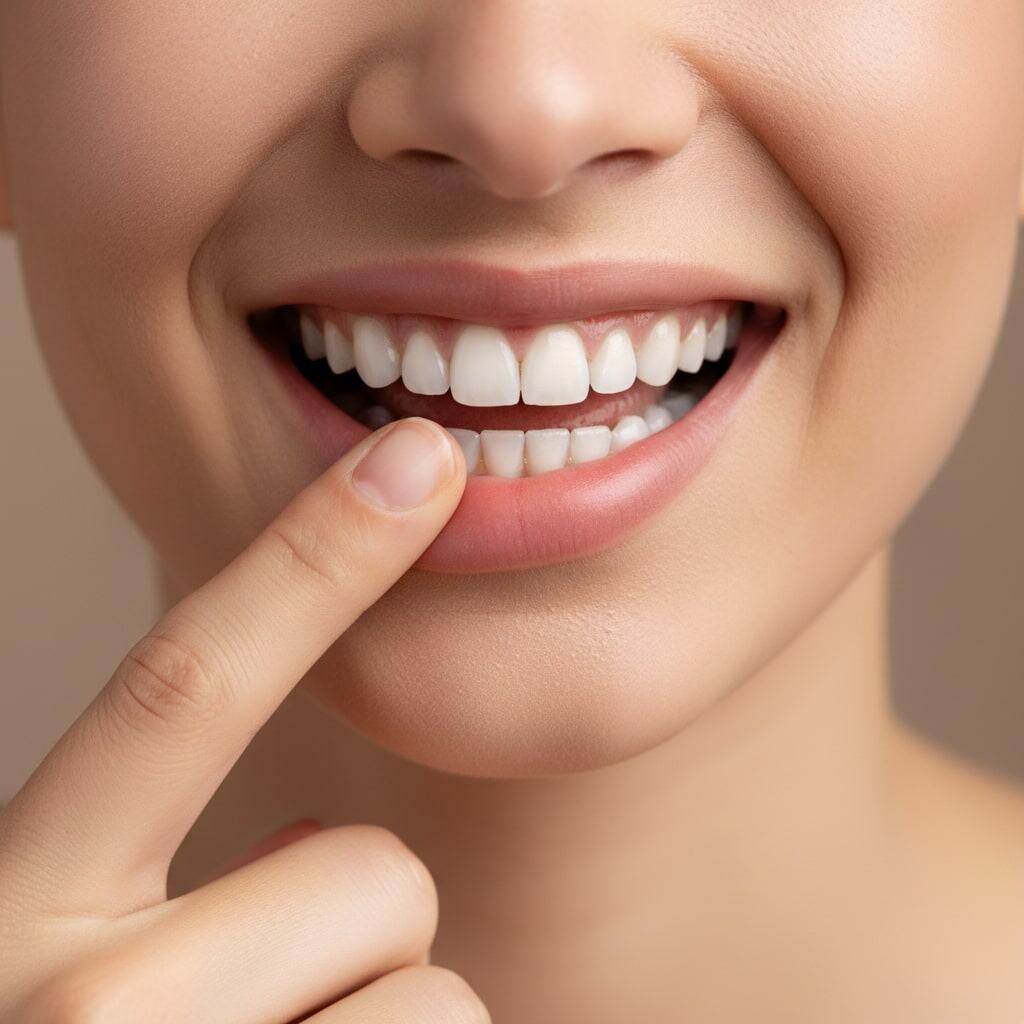

Restoring your smile and oral function after tooth loss is essential for overall well-being, and dental bridges in Edmonton offer a highly effective solution. These custom-crafted prosthetics are designed to fill gaps left by missing teeth, improving both the aesthetics and the practicality of your smile. Understanding your options is the first step towards regaining confidence and enjoying your favorite foods again.
This guide will walk you through everything you need to know about dental bridges, from their different types and the procedure involved to their cost and how they compare to other tooth replacement options like implants. We aim to provide you with comprehensive information to help you make an informed decision for your oral health, and this is especially important when considering options for younger patients, as our pediatric guide discusses baby fang teeth first eruption for more.
Whether you are considering a bridge for the first time or exploring alternatives, learning about dental bridges is crucial for achieving a complete and healthy smile. Explore the possibilities for your smile enhancement and consult with our dental professionals to determine the best path forward.
What Are Dental Bridges?
Dental bridges are fixed prosthetic devices used to replace one or more missing teeth. They consist of artificial teeth, called pontics, anchored to the surrounding teeth or dental implants. A bridge can help restore your bite, prevent remaining teeth from shifting, and improve the appearance of your smile. For a comprehensive overview, you can explore our dental bridges overview which details their function and benefits.
A dental bridge is a fixed dental restoration used to replace one or more missing teeth by joining an artificial tooth definitively to adjacent teeth or dental implants. They are designed to look, feel, and function like your natural teeth, thereby restoring your bite, improving your ability to chew and speak, and preventing remaining teeth from drifting out of position. For more information on this restorative option, you can explore our dental bridges overview.
For more detailed information on the different types of bridges and their applications, you can refer to our comprehensive dental bridges overview.
Cantilever Bridges
Cantilever bridges are used when there are teeth on only one side of the gap. This type of bridge is supported by a dental crown placed on the adjacent tooth or teeth, with the pontic extending over the gap. They are less common than traditional bridges and are typically used in situations where there are no back teeth to support a traditional bridge. For more information on restorative options, consider our restorative dentistry services.
A cantilever bridge is used when there are natural teeth on only one side of the space where a tooth is missing. The pontic is attached to a crown that is cemented to the abutment tooth. While effective in certain situations, cantilever bridges are less frequently recommended due to the potential strain they can place on the supporting abutment tooth over time.
Maryland Bridges
Also known as a Maryland dental or resin-bonded bridge, this type uses a metal or plastic framework that is bonded to the back surfaces of the adjacent teeth. The pontic is then fused to this framework. Maryland bridges are often a good option for the front teeth and require less modification of the adjacent teeth compared to traditional bridges. Proper oral hygiene is crucial to prevent issues like gum recession, which can be exacerbated by certain brushing techniques; understanding the differences between an electric toothbrush vs manual gum recession can help you choose the best tool for your needs. For more information on restorative options, consider learning about crowns vs veneers for more.
Implant-Supported Bridges
These bridges are surgically placed into the jawbone or onto the jawbone beneath the gum line, providing a strong foundation for the replacement teeth. Implant-supported bridges are often considered the most stable and durable option for replacing missing teeth. They also help to preserve jawbone density and prevent further bone loss. If you’re considering tooth replacement options, learning about implants vs bridges can help you make an informed decision.
For a more permanent and stable solution, implant-supported bridges are an excellent choice. These bridges are anchored by dental implants surgically placed into the jawbone, eliminating the need to alter adjacent healthy teeth. This option offers superior bone preservation and can provide a more natural feel and function, especially when you have a clear understanding of how to choose a dentist for complex procedures, which can help prevent issues like a stale mouth meaning.
The Dental Bridge Procedure in Edmonton
Understanding the different types of bridges is crucial when considering tooth replacement options; for a comprehensive overview, you can explore our guide to dental bridges for more.
Undergoing the dental bridge procedure typically involves several appointments to ensure a precise fit and comfortable restoration. Our team is dedicated to making your experience as smooth and stress-free as possible. Understanding the process helps set expectations and prepare for the journey to a restored smile. For more details on restorative options, explore our dental bridge services for more.
- Initial Consultation: The process begins with a thorough examination of your oral health, including X-rays, to determine if a dental bridge is the right option for you and to plan the treatment.
- Tooth Preparation: The abutment teeth (the teeth on either side of the gap) are prepared by removing a small amount of enamel to create space for the dental crowns that will support the bridge.
- Impression Taking: Precise impressions of your prepared teeth and the surrounding area are taken. These molds are sent to a dental laboratory where your custom bridge will be fabricated.
- Temporary Bridge Placement: A temporary bridge is often placed to protect the prepared teeth while the permanent bridge is being made.
- Final Placement: During your final appointment, the temporary bridge is removed, and the permanent dental bridge is carefully checked for fit, comfort, and bite alignment before being permanently cemented into place.
We encourage you to contact us with any questions you may have about the procedure or to schedule your consultation. Our professionals are committed to providing exceptional cosmetic dentistry services.
Cost of Dental Bridges in Edmonton
The cost of dental bridges in Edmonton can vary significantly depending on several factors. Understanding these elements can help you better budget for this restorative dental treatment. We strive to provide transparent pricing and discuss all financial considerations upfront during your consultation. For more information on restorative options, you can explore our guide to restorative dentistry for more. If you’re concerned about the cost of dental work, understanding your dental insurance plan can be very helpful.
- Number of Teeth Replaced: Replacing more missing teeth will naturally increase the overall cost of the bridge.
- Materials Used: Bridges can be made from various materials, including porcelain, ceramic, metal alloys, or a combination. The choice of material impacts durability and aesthetics, as well as price.
- Complexity of the Case: The condition of the abutment teeth, the extent of preparation required, and any additional procedures needed can influence the final cost.
- Dental Laboratory Fees: The fabrication of custom dental bridges involves specialized laboratory work, which contributes to the overall expense.
- Insurance Coverage: While many dental insurance plans offer coverage for bridges as a restorative procedure, the extent of coverage varies by policy. We recommend reviewing your specific plan details.
We understand that cost is an important consideration for our patients. Please visit our financial information page or contact our office to discuss payment options and insurance. For information on diagnostic procedures, you can review our dental X-ray safety guide for more.
Bridges vs. Implants: Which is Right?
When considering tooth replacement options, dental bridges and dental implants are two of the most common solutions. Both can effectively restore your smile, but they differ significantly in their procedure, longevity, cost, and impact on your oral health. Making an informed comparison is key to choosing the best option for your needs.
| Feature | Dental Bridges | Dental Implants |
|---|---|---|
| Longevity | Typically 5-15 years, depending on care and materials. | Can last a lifetime with proper care; considered a permanent solution. |
| Cost (Upfront vs. Long-term) | Lower upfront cost compared to implants. May require replacement over time, leading to additional costs. | Higher upfront cost. Generally more cost-effective long-term due to durability. |
| Procedure | Requires preparation of adjacent healthy teeth. Non-surgical placement of the bridge itself. | Surgical placement of the implant into the jawbone, followed by a healing period before the crown or bridge is attached. |
| Impact on Adjacent Teeth | Requires alteration (reduction) of healthy abutment teeth. | Does not affect adjacent natural teeth. |
| Bone Preservation | Does not stimulate the jawbone, potentially leading to bone loss over time. | Stimulates the jawbone, preventing bone loss and maintaining facial structure. |
For a detailed breakdown and to help you decide which option is best for your Edmonton smile, please refer to our comprehensive guide on implants vs. bridges for more. We also offer expert dental implant services. Understanding the differences between a dentist vs hygienist can also be helpful when seeking care, as can learning about the baby teeth eruption guide for more.
Benefits of Dental Bridges
Dental bridges are a common solution for missing teeth, offering a way to restore function and appearance. They are often chosen for their aesthetic appeal and the ability to chew normally again. If you’re considering this option, understanding the procedure and its benefits is key to making an informed decision about your oral health. For more information on this restorative option, explore our dental bridges overview for more.
Opting for a dental bridge can bring about significant improvements to your oral health and overall quality of life. These restorations are designed not only to fill gaps but also to enhance functionality and aesthetics, leading to a more confident and comfortable experience in your daily life. For more information on restoring your smile, explore our comprehensive dental bridges overview for more.
- Restores Your Smile: Bridges fill the empty space left by missing teeth, instantly improving the appearance of your smile and boosting your self-esteem.
- Improves Chewing Function: With a complete set of teeth, you can chew food more effectively and enjoy a wider variety of healthy meals without discomfort.
- Enhances Speech Clarity: Missing teeth can sometimes affect enunciation. Bridges help restore proper tongue and lip positioning, leading to clearer speech.
- Maintains Facial Structure: When teeth are missing, the surrounding facial structure can begin to collapse. Bridges help support your face and lips, preventing this change.
- Durability and Stability: Properly cared for, dental bridges are durable and provide a stable replacement for missing teeth, allowing you to eat and speak with confidence.
Having helped countless patients in the regional area achieve better oral health, we’ve found that dental bridges offer a reliable and aesthetically pleasing solution for many missing teeth. Our team is dedicated to providing top-tier cosmetic dentistry and patient care for more. When considering cosmetic dental work, it’s helpful to understand the differences between options like veneers and crowns, and our guide on veneers vs crowns can help.
Downsides and Risks of Dental Bridges
While dental bridges offer numerous advantages, it’s also important to be aware of potential downsides and risks. Understanding these aspects allows for proactive management and helps ensure the longevity and success of your dental restoration. Regular dental check-ups are vital for mitigating any potential complications.
One of the primary considerations is the preparation of the adjacent abutment teeth. These teeth need to have enamel removed to accommodate crowns, which can increase their susceptibility to decay or sensitivity over time. If a bridge fails or the abutment teeth develop issues, the entire bridge may need to be replaced. Furthermore, food particles and plaque can accumulate under the pontic of the bridge, making diligent oral hygiene crucial to prevent decay and gum disease. Maintaining excellent oral hygiene is paramount for the health of your gums and remaining teeth, which is why we emphasize preventative dentistry and care for gum health for more. For more information on how to choose the right dental professional for your needs, consider our guide to choosing a dentist for more.
Consult a Dental Professional
Deciding on the best method to replace missing teeth is a significant step towards improving your oral health and confidence. Dental bridges offer a proven and effective solution, but the optimal choice is always a personalized one. We encourage you to discuss your options, including dental bridges and implants, with our experienced dental professionals. If you experience nervousness about dental visits, we offer specific strategies for overcoming dental anxiety for more.
Our team at Heritage Dental Centre is committed to providing comprehensive care and tailored treatment plans. We invite you to schedule a consultation today to explore how dental bridges can benefit you. You can also book an appointment online and take the first step towards a healthier, more radiant smile.
Frequently Asked Questions
Understanding dental bridges can bring clarity to your tooth replacement journey. Here are some common questions patients often ask, designed to provide further insight into this restorative dental solution.
| Question | Answer |
|---|---|
| How long do dental bridges typically last? | With proper oral hygiene and regular dental check-ups, dental bridges can last anywhere from 5 to 15 years, and sometimes even longer. The lifespan depends on the materials used, the placement, and how well they are cared for. You can learn more about dental restoration longevity for more. |
| Do dental bridges require special care? | Yes, maintaining excellent oral hygiene is crucial. This includes brushing twice daily, flossing daily, and using a specialized floss threader or interdental brush to clean under and around the pontic and abutment teeth. Regular dental cleanings are also important. |
| Can dental bridges feel uncomfortable? | Initially, some patients may experience a slight adjustment period as they get used to the feel of the bridge. However, once properly fitted, dental bridges should feel comfortable and function naturally. Any persistent discomfort should be reported to your dentist. |
| Will getting a dental bridge hurt? | The procedure for placing a dental bridge typically involves local anesthetic to numb the area, minimizing discomfort. While the preparation of the abutment teeth may cause some sensitivity, it is generally well-tolerated. |
| Are dental bridges a permanent solution? | While dental bridges are a durable and long-lasting solution for missing teeth, they are not considered permanent in the same way as dental implants, which can last a lifetime. Bridges may need to be replaced or repaired over time. |