

Gentle Dental Anxiety Care Edmonton
Finding effective dental anxiety treatment in Edmonton is crucial for those who experience fear or nervousness around dental visits. Our practice near Edmonton is dedicated to providing a compassionate and understanding environment for all our patients. We believe that everyone deserves to receive dental care without unnecessary stress or discomfort.
Many individuals in the Edmonton area struggle with dental phobia, which can prevent them from seeking necessary oral healthcare. We recognize these challenges and are committed to offering gentle care that prioritizes your emotional well-being alongside your physical health. Our experienced team is trained to handle various levels of anxiety with patience and empathy.
At our clinic, we focus on creating a safe space where you can voice your concerns and feel heard. We employ strategies designed to make your experience as comfortable as possible, ensuring that dental anxiety doesn’t dictate your oral health. Learn more about how we approach manage dental anxiety with care.
Comprehensive Dental Services Offered
Our dental practice in Edmonton offers a wide spectrum of services designed to meet the diverse needs of our patients, including those who experience dental anxiety. We ensure that each service is delivered with the utmost care and consideration, making your comfort our top priority. From routine check-ups to more complex procedures, our team is equipped to provide a positive experience. If you’re struggling with dental anxiety, our team offers specific guidance on how to manage your fears for more.
| Service/Product Name | Description |
|---|---|
| Routine Check-ups & Cleanings | Essential for maintaining oral hygiene and catching potential issues early. We use gentle techniques to ensure comfort. |
| Pediatric Dental Care | Specialized care for children, designed to be fun and reassuring, helping young patients develop a positive relationship with dentistry. |
| Restorative Dentistry | Includes fillings, dental crowns, and bridges to repair damaged teeth, performed with minimal discomfort. |
| Cosmetic Dentistry | Enhance your smile with treatments like teeth whitening and veneers, all while ensuring a relaxing experience. |
| Sedation Dentistry | Various options available to help anxious patients feel completely at ease during their appointments. |
| Emergency Dental Services | Prompt and caring treatment for urgent dental needs, minimizing pain and anxiety. |
Our Commitment to the Edmonton Community
We are deeply committed to serving the residents of Edmonton and the surrounding areas with exceptional and compassionate dental care. Our practice understands the unique needs of the local community, and we strive to be a trusted resource for oral health for families near Edmonton.
- Local Understanding. Our team lives and works in the Edmonton area, giving us a unique perspective on the community’s needs and values.
- Community Focus. We actively participate in local events and initiatives, reinforcing our dedication to the well-being of Edmonton residents.
- Accessible Care. We aim to make quality dental care accessible to everyone in the Edmonton vicinity, offering a welcoming atmosphere for all.
- Empathetic Approach. We pride ourselves on providing dental care that is not only professional but also deeply empathetic, understanding the anxieties many patients face.
- Building Trust. Our goal is to build lasting relationships with our patients, fostering trust through consistent, gentle, and reliable service close to Edmonton. Whether you need a dental crown or are considering veneers, we can help you understand the differences and choose the best option for your smile, as detailed in our crowns vs veneers options for more.
Understanding Dental Anxiety
Many patients experience anxiety when visiting the dentist, and we are dedicated to making your experience as comfortable as possible. If you’re feeling apprehensive, our team offers strategies and support to help you manage your fears, and you can find more information on how Botox can help dental patients feel better to ease your concerns.
Dental anxiety is a common condition characterized by fear, nervousness, or phobia related to dental procedures and visits. This apprehension can range from mild unease to severe panic, often stemming from past negative experiences, fear of pain, or a feeling of helplessness. Recognizing and understanding these feelings is the first step toward effective treatment.
The manifestations of dental anxiety can vary greatly among individuals. Some may experience a racing heart, sweating, or trembling before an appointment, while others might delay or avoid dental care altogether. This avoidance can lead to more significant oral health problems down the line, making it essential to address these fears.
At our clinic, we are well-versed in the nuances of dental anxiety and are prepared to offer support. We aim to educate our patients about their treatment options and the steps we take to ensure their comfort, including through advanced techniques like botox in dentistry, which you can learn more about in our comprehensive guide to Botox in dentistry for more.
Physical Manifestations of Fear
Physical indicators of dental anxiety can include a racing heart, sweating, trembling, nausea, or shortness of breath. Some individuals may experience headaches or muscle tension. In severe cases, people might even faint. These bodily reactions are the body’s way of responding to perceived danger, and understanding them can be the first step toward managing your fear, perhaps by learning about how Botox can help dental patients feel better.
Physically, dental anxiety can trigger a range of responses. Common symptoms include a racing heartbeat, shortness of breath, sweating, and trembling. Some individuals may also experience nausea, dizziness, or even a gag reflex that is more pronounced due to nervousness. These physiological reactions are your body’s stress response, and understanding how to manage them can be aided by proper oral hygiene techniques, such as those discussed in our comparison of an electric toothbrush vs manual for gum health.
Behavioral Indicators
Behavioral signs of dental anxiety can include avoidance of dental appointments, fidgeting, or a tendency to postpone necessary treatments. If you find yourself exhibiting these behaviors, it may be beneficial to explore strategies for managing your fear, such as those found in our dental anxiety management tips for more. Understanding the potential costs associated with various dental solutions, like dentures in Alberta, can also alleviate some concerns.
Behavioral signs often involve avoidance patterns, such as repeatedly canceling appointments, arriving late, or making excuses to postpone dental visits. Anxious patients might also appear visibly tense, fidgety, or withdrawn during their appointment. They may also ask many questions about the procedure or request frequent breaks.
Past Traumatic Experiences
A history of negative dental experiences can significantly contribute to dental anxiety. If you have had a painful procedure, felt unheard by a dental professional, or experienced complications, these memories can create a strong aversion to future visits. It is important to communicate any past trauma to your dentist so they can tailor your treatment and ensure you feel comfortable and safe throughout your visit. For example, discussing the costs of dentures in Alberta can be one less thing to worry about.
A history of negative dental experiences, such as pain during a procedure or a perceived lack of care from a previous dental professional, can be a significant factor in developing dental anxiety. These past traumas can create lasting apprehension, making future visits challenging without proper support and understanding. Learning how to manage dental anxiety can help prevent future negative experiences and understand the importance of preventing gum disease by knowing the difference between plaque vs tartar.
Sensitivity to Sounds and Smells
For some individuals, the specific sounds of dental equipment, such as drills or suction devices, can be highly triggering. Similarly, the distinct smells associated with dental offices can evoke feelings of anxiety. Understanding the different roles of a dentist versus a hygienist can help alleviate some of these concerns during treatment near Edmonton, and learning about options like crowns vs veneers can also be informative.
Professional Dental Anxiety Support
For individuals experiencing significant dental anxiety, seeking professional help is a crucial step towards overcoming these fears. Many dental practices offer specialized support and techniques to help patients feel more comfortable and at ease during their appointments. If you’re looking for ways to manage your dental anxiety, exploring options for comfort and care can make a significant difference in your overall experience and oral health journey.
Our dental professionals in Edmonton are trained to provide comprehensive support for patients experiencing dental anxiety. We understand that fear can be a significant barrier to receiving essential oral care, and we are committed to making your visits as comfortable and stress-free as possible. Our approach is built on empathy, patience, and personalized care. For those with significant anxiety, we offer safe and effective sedation dentistry options to ensure a relaxed state, and you can learn more about managing dental anxiety through our helpful guide to dental anxiety help for more.
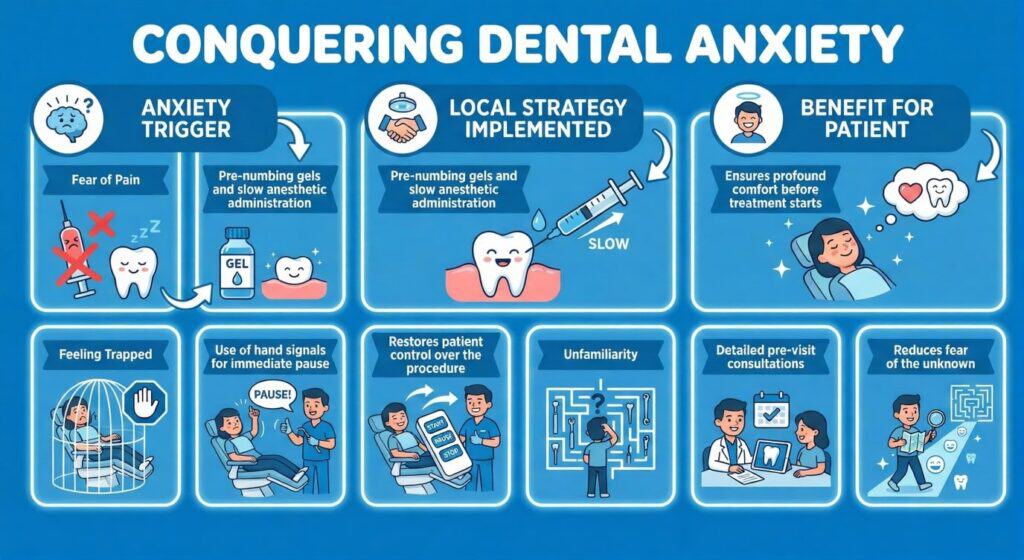
- Open Communication. We encourage patients to discuss their fears and concerns openly with us before and during their appointment.
- Gentle Examination. We begin with a gentle assessment, explaining each step of the process to demystify the experience.
- Paced Procedures. We allow patients to control the pace of treatment, offering breaks whenever needed.
- Distraction Techniques. We utilize various methods, such as music or visual aids, to help distract patients from any discomfort.
- Sedation Options. For those with significant anxiety, we offer safe and effective sedation dentistry options to ensure a relaxed state.
- Building Rapport. Our team focuses on building trust and a positive relationship, making each subsequent visit easier.
Having helped countless patients in the Edmonton area overcome their dental fears, our team at Heritage Dental Centre understands that anxiety is a valid concern. We are dedicated to providing a calm and reassuring environment, ensuring that your dental care is a positive experience. We offer resources to help you understand your options, such as our guide to managing dental anxiety, and information on procedures like a dental crown, which can be crucial for restoring damaged teeth. When considering your daily oral hygiene routine, understanding the impact of tools like an electric toothbrush on gum health can also be beneficial.
Sedation Dentistry for Anxious Patients
For individuals experiencing significant dental anxiety, we provide specialized care designed to ease your worries. Our approach includes offering safe and effective comfort measures for dental visits, ensuring a more relaxed and positive experience for everyone.
Sedation dentistry offers a safe and effective way to manage dental anxiety, allowing patients to receive necessary treatment in a relaxed and comfortable state. At our clinic, we provide various levels of sedation tailored to your specific needs and comfort level, ensuring a positive experience even for those with significant apprehension about dental procedures in Edmonton. Understanding related conditions like TMJ symptoms and causes can also help in managing overall oral health. For those seeking to overcome their fears, our comprehensive dental anxiety help guide offers practical strategies and support. When selecting a provider for your care, consider how to choose a dentist who prioritizes your comfort and addresses your specific needs.
- Nitrous Oxide (Laughing Gas). A mild sedative inhaled through a mask, it helps induce a state of relaxation and can be adjusted easily during treatment.
- Oral Sedation. Taken in pill form shortly before your appointment, this type of sedation can range from minimal to moderate, helping you feel drowsy and calm.
- IV Sedation. Administered intravenously, this option provides a deeper level of sedation, often leading to a state where you have little to no memory of the procedure.
- General Anesthesia. For extreme cases of anxiety or extensive procedures, general anesthesia can be used to render you completely unconscious for the duration of the treatment.
Managing Dental Anxiety: Tips
Effectively managing dental anxiety involves preparation and communication before and during your dental appointment. By employing various strategies, you can significantly reduce your apprehension and ensure a more positive and productive visit to your dentist in the Edmonton area. If you’re unsure about how to choose a dentist who can accommodate your needs, our guide on how to choose a dentist can help.
Open communication with your dental team is paramount. Let them know about your anxiety beforehand so they can make accommodations. During your visit, don’t hesitate to ask questions or request breaks. Techniques like deep breathing exercises, mindfulness, or listening to music can also be very effective in keeping you calm.
Consider bringing a trusted friend or family member for support. Planning your appointment during a less busy time of day might also reduce stress. Remember that seeking professional help for dental anxiety is a sign of strength, and our team is here to support you every step of the way.
Finding Your Dentist for Anxiety
Choosing the right dentist is a critical step in managing dental anxiety, especially in the Edmonton region. Look for a dental professional who demonstrates patience, empathy, and a willingness to discuss your fears. A dentist experienced in treating anxious patients will make you feel heard and understood. For guidance on selecting the right professional, check out your guide to choosing a dentist.
Consider visiting potential clinics for a consultation before booking a full appointment. This allows you to assess the environment and meet the staff, helping you gauge their approachability and comfort level. Reading online reviews from other patients who have experienced dental anxiety can also provide valuable insights into a dentist’s practice.
Don’t hesitate to ask about their specific methods for managing anxiety, such as sedation options or distraction techniques. A dentist who prioritizes your comfort and works collaboratively with you will make a significant difference in your overall dental experience. Explore how our team at Heritage Dental Centre caters to anxious patients, and learn more about cosmetic options like dental veneers.
Benefits of Addressing Dental Anxiety
Addressing dental anxiety offers numerous benefits that extend far beyond simply making dental appointments more tolerable. By confronting and managing your fears, you open the door to improved oral health, enhanced overall well-being, and a greater sense of control over your health decisions. For more information on managing these feelings, explore our dental anxiety help guide.
One of the most significant advantages is the ability to receive regular preventive dental care. This proactive approach helps catch and treat dental issues in their early stages, preventing more serious and costly problems down the line. Consistent care leads to a healthier mouth and a more confident smile, and can also help prevent issues like inflamed gums and tooth sensitivity. For cosmetic improvements, you might consider options like dental veneers near Edmonton.
Furthermore, overcoming dental anxiety can boost your self-esteem and reduce overall stress. Knowing you can face your fears and manage them effectively empowers you in various aspects of your life. It allows you to experience the relief and satisfaction that comes with maintaining excellent oral hygiene and a healthy, functional smile.
Your Next Steps to a Calmer Visit
Taking the first step towards a more comfortable dental experience is easier than you might think. Our team is ready to welcome you and guide you through the process, ensuring that your journey towards overcoming dental anxiety is supported every step of the way. We are here to make your visits to our Edmonton clinic as pleasant as possible. For more information on managing your fears, check out our dental anxiety help guide, and remember to explore these 5 tips to ensure a beautiful and healthy smile for your kids. You can find more information on how to achieve this by reviewing our kids smile tips for more.
- Contact Us. Reach out to our office by phone or through our website to discuss your concerns.
- Schedule a Consultation. Book an initial visit to meet our team and discuss your dental history and anxieties.
- Develop a Plan. We will work with you to create a personalized treatment plan that addresses your dental needs and comfort level.
- Explore Sedation Options. If needed, we can discuss and arrange for appropriate sedation dentistry techniques.
- Attend Your Appointment. Come in for your scheduled appointment, knowing you are in caring and capable hands.
- Provide Feedback. Share your experience so we can continue to refine our approach to patient care.
Achieve Dental Comfort in Edmonton
Achieving dental comfort is a realistic goal for everyone, regardless of their past experiences or level of anxiety. Our dedicated team in Edmonton is committed to providing a supportive and understanding environment where your fears are acknowledged and addressed with professional care and empathy. We offer a variety of services to help you achieve this, including options for restoring damaged teeth, such as learning more about dental crowns for more. We also offer treatments that can help manage conditions like bruxism, which you can learn about in our bruxism treatment guide for more.
We believe that quality dental care should be accessible and comfortable for all members of the Edmonton community. By implementing gentle techniques, offering various anxiety-management strategies, and fostering open communication, we help transform dental visits from stressful events into positive experiences.
Don’t let dental anxiety prevent you from maintaining optimal oral health. Take the first step today towards a calmer, more confident dental experience. We are here to help you achieve a healthy smile and peace of mind. Learn more about dental anxiety help and comfort strategies.
Frequently Asked Questions
Understanding common questions about dental anxiety treatment can help ease your concerns and prepare you for your visit. Our team has compiled answers to frequently asked questions to provide clarity and support for our patients near Edmonton. For instance, if you experience a dry mouth, understanding 6 reasons your mouth is dry can be helpful. Knowing when to schedule your next appointment is also important; our guide on when to see the dentist can offer valuable insights.
| Question | Answer |
|---|---|
| What causes dental anxiety? | Dental anxiety can be caused by a variety of factors, including past negative experiences, fear of pain, fear of needles, or a feeling of helplessness and loss of control during dental procedures. |
| How can I tell if I have dental anxiety? | Signs include extreme nervousness before appointments, physical symptoms like sweating or nausea, avoiding dental visits, and a strong desire to escape the dental environment. |
| What is the first step to overcoming dental anxiety? | The first step is acknowledging your anxiety and communicating it to your dental team. Scheduling an initial consultation to discuss your fears and learn about the practice’s approach is also crucial. |
| Does sedation dentistry hurt? | No, sedation dentistry is designed to make the experience comfortable and pain-free. Sedatives help you relax, and local anesthetics are used to numb the area during procedures. |
| Can a dentist help me manage my anxiety? | Yes, dentists experienced with dental anxiety are trained to use various techniques, such as gentle communication, distraction methods, and sedation options, to help patients feel more at ease. |
| How much does dental anxiety treatment cost? | The cost varies depending on the specific treatments required and any sedation methods used. We recommend discussing your concerns with our team at Heritage Dental Centre to get a personalized estimate. |