
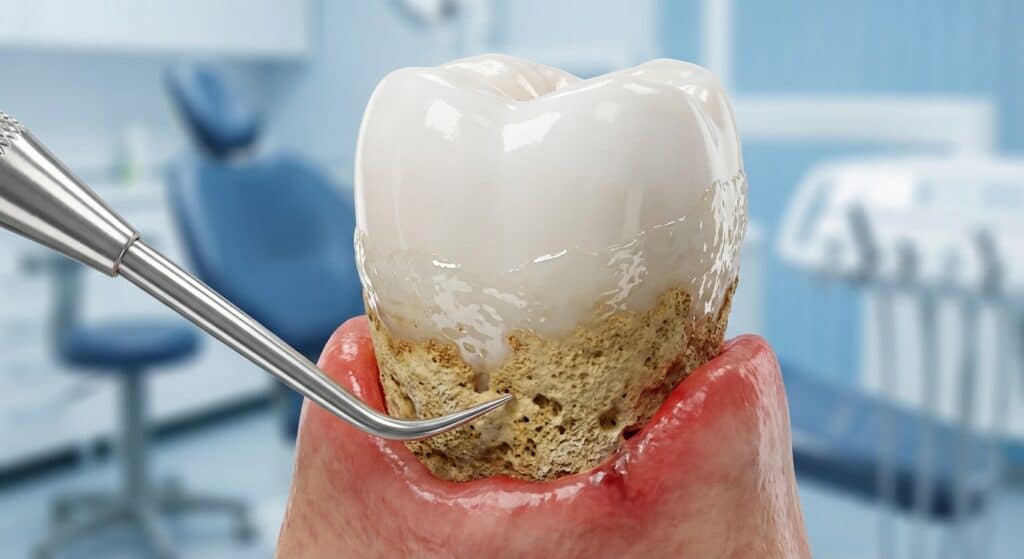

Understanding Plaque: The Sticky Film
Plaque is a sticky, colorless or pale yellow film that constantly forms on your teeth. It’s composed primarily of bacteria, along with food debris and saliva. This persistent film is the root cause of many common dental problems, making its understanding crucial for maintaining good oral hygiene.
The formation of plaque is a natural process. Bacteria in your mouth feed on sugars and starches from the food and drinks you consume. As they metabolize these substances, they produce acids and stick to the tooth surface, creating the plaque layer. Without regular removal, this bacterial colony thrives.
Effectively managing plaque requires consistent daily effort. Understanding how it forms is the first step towards preventing its buildup and protecting your smile. For more insights into maintaining oral health, you can explore our plaque vs tartar guide for more information on dental hygiene practices.
What is Tartar? Hardened Plaque Explained
When plaque is not removed through regular brushing and flossing, it can harden and calcify, transforming into tartar. Also known as calculus, tartar is a much harder deposit that adheres firmly to the tooth surface, often appearing yellowish or brown.
The transition from soft plaque to hard tartar occurs when minerals from your saliva deposit into the plaque matrix. This process makes tartar significantly more difficult to remove than plaque. It can form both above and below the gum line, posing a serious threat to your oral health. Understanding early dental development, such as when baby teeth first erupt, is also key to maintaining good oral hygiene from a young age. For those interested in advanced cosmetic treatments, learning about botox in dentistry can be informative.
The Calcification Process
Tartar forms when minerals, primarily calcium phosphate, present in saliva crystallize within the plaque. This mineralization process happens over time, typically within 24 to 72 hours if plaque isn’t removed. The rough surface of tartar then provides an even more hospitable environment for new plaque to accumulate, and understanding how to best clean your teeth can help prevent this, as discussed in our article on electric toothbrush vs manual gum recession for more.
Appearance and Texture
Unlike the soft, sticky film of plaque, tartar is hard and rough. It can vary in color from white to yellow or brown, depending on its age and staining from food and beverages. Tartar deposits are often found along the gum line, particularly on the inner surfaces of lower front teeth and the outer surfaces of upper molars. If you’re looking for a professional to help manage these issues, our guide on how to choose a dentist can provide valuable insights. For more information on restorative options, understanding the differences between crowns vs veneers can be helpful. Some patients also find that Botox can help dental patients feel better by addressing related issues.
Risks Associated with Tartar
Untreated tartar buildup can lead to several serious oral health issues, including gingivitis, periodontitis, and tooth decay. Regular dental cleanings are essential for removing tartar and preventing these problems. If you’re looking for a dentist, our guide on how to choose a dentist can help you find the right professional for your needs.
The presence of tartar significantly increases the risk of gum disease. Its rough surface harbors more bacteria, leading to inflammation of the gums (gingivitis) and potentially more severe periodontitis. Tartar also makes effective cleaning of teeth more challenging, creating a cycle of bacterial growth and irritation.
Key Differences: Plaque vs. Tartar
While both plaque and tartar are harmful to oral health, they are distinct in their composition, texture, and how they can be removed. Understanding these differences is vital for effective oral hygiene practices. Regular dental check-ups, which may include professional cleanings, are crucial for managing these issues and maintaining a healthy smile.
Ignoring tartar buildup can lead to serious dental issues, including tooth loss. Regular dental check-ups are essential for professional cleaning and early detection of problems, and you can learn more about preventing gum disease for maintaining optimal oral health.
The accumulation of plaque and tartar poses a significant threat to your overall oral health. These bacterial deposits can lead to a cascade of dental problems if left unaddressed, affecting not only your teeth but also your gums and supporting bone structures.
- Gingivitis: The earliest stage of gum disease, characterized by red, swollen, and bleeding gums.
- Periodontitis: A more severe form of gum disease where inflammation extends below the gum line, potentially damaging the bone that supports teeth.
- Cavities (Dental Caries): Acids produced by bacteria in plaque erode tooth enamel, leading to tooth decay.
- Tooth Loss: Advanced gum disease and severe decay can result in the loss of one or more teeth.
- Bad Breath (Halitosis): Bacteria in plaque and tartar release foul-smelling compounds.
Regular professional dental cleaning is essential for removing tartar and preventing these issues. If you notice any signs of gum irritation or decay, it’s important to schedule an appointment with our team at Heritage Dental Centre for more.
How to Prevent and Remove Plaque and Tartar
Preventing plaque and tartar buildup is the cornerstone of maintaining excellent oral health. While tartar requires professional removal, plaque can be managed effectively through diligent daily care and regular dental visits. Consistent habits are key to preventing plaque buildup, a principle our dental professionals emphasize, and understanding the roles of a dentist vs hygienist can help you navigate your oral care journey, including what a stale mouth meaning might indicate. For those considering tooth replacement options, understanding Alberta denture costs is also important.
- Brush your teeth thoroughly twice a day for at least two minutes each session. Use a fluoride toothpaste and a soft-bristled brush, ensuring you clean all surfaces of your teeth.
- Floss daily to remove plaque and food particles from between your teeth and under the gum line, areas that toothbrushes often miss.
- Use an antimicrobial mouthwash to help reduce bacteria in your mouth and supplement your brushing and flossing routine.
- Eat a balanced diet and limit sugary snacks and drinks, as sugar feeds the bacteria that cause plaque.
- Visit your dentist regularly for professional cleanings and check-ups, typically every six months, to remove hardened tartar and assess your oral health.
Effective Brushing Techniques
Mastering proper brushing technique is crucial for plaque removal. Angle your toothbrush bristles towards the gum line at a 45-degree angle. Use gentle, short strokes, moving the brush back and forth or in a circular motion. Remember to brush the outer, inner, and chewing surfaces of all your teeth, and understanding the difference between plaque and tartar can help with preventing plaque and tartar buildup for a smile makeover. Don’t forget to gently brush your tongue to remove bacteria and freshen your breath.
The Importance of Daily Flossing
Flossing is an indispensable part of plaque removal. It reaches areas that toothbrushes cannot, effectively dislodging plaque and food debris from between teeth and beneath the gum line. If you find traditional string floss challenging, consider using interdental brushes or water flossers as alternatives for effective cleaning. For those who experience nervousness about dental visits, exploring options for dental anxiety treatment in Edmonton can make maintaining this crucial hygiene habit much easier.
Dietary Choices for Oral Health
What you eat significantly impacts plaque formation. Limiting your intake of sugary and starchy foods and beverages is paramount, as these provide the fuel for plaque-producing bacteria. Opting for a diet rich in fruits, vegetables, and lean proteins, along with plenty of water, supports healthier teeth and gums. Staying hydrated helps rinse away food particles and bacteria. If you’re considering dental restorations, understanding the difference between options like crowns versus veneers can help you make an informed decision.
When to See a Dentist for Plaque and Tartar
While daily oral hygiene is effective for managing plaque, tartar buildup requires professional intervention. Recognizing when to seek dental care is crucial for preventing serious oral health complications. Regular dental check-ups, typically recommended every six months, allow our dental professionals to identify and address any buildup of plaque and tartar before it causes significant damage.
You should consider scheduling an appointment with your dentist if you notice persistent bad breath, red or swollen gums that bleed easily, or visible hardened deposits on your teeth, especially near the gum line. These are common signs that professional dental cleaning is needed, and in some cases, may help prevent the need for a dental crown for more. Don’t hesitate to reach out to us at Heritage Dental Centre for a comprehensive examination and cleaning.
Understanding Plaque and Tartar: A Guide
This guide aims to provide a clear understanding of plaque and tartar, two primary culprits behind common dental ailments. Plaque, a soft bacterial film, is the initial stage of concern, while tartar represents its hardened, more problematic form. Recognizing the nature and impact of both is essential for maintaining a healthy smile and preventing more serious dental issues.
Our focus is on empowering you with the knowledge to combat these dental adversaries effectively. From daily prevention strategies to understanding the necessity of professional care, this article covers key aspects of plaque and tartar management. For more detailed oral health tips, please visit our blog, where you can also learn about TMJ symptoms and causes, and how to choose a dentist for your needs.
Maintaining a Healthy Smile
Prioritizing your oral health is a vital step toward overall well-being. By consistently practicing good oral hygiene habits, such as regular brushing and flossing, and attending your scheduled dental check-ups, you can effectively prevent the buildup of plaque and tartar. These preventive measures are the most effective way to safeguard your smile against common dental problems, and for more information on specific treatments, you can explore our guide to plaque and tartar prevention for more.
We encourage you to integrate these practices into your daily routine. Should you have any concerns or require professional cleaning and advice, our dedicated team at Heritage Dental Centre is here to help. For those interested in cosmetic improvements, learn more about what are dental veneers to enhance your smile’s appearance. Understanding dental x-ray safety is also crucial for your well-being. If you’re looking for a new dental provider, our guide on how to choose a dentist can offer valuable insights. Please feel free to contact us to schedule your next appointment or discuss any dental health questions you may have. Taking proactive steps today ensures a healthier smile for years to come.
Frequently Asked Questions
Understanding plaque and tartar can sometimes lead to questions about their differences, effects, and management. Here are answers to some common inquiries to further clarify these important aspects of oral health, including common dental problems and prevention for more. Additionally, for those seeking advanced treatments, understanding botox in dentistry can offer new possibilities for therapeutic and cosmetic applications.
| Question | Answer |
|---|---|
| What is the main difference between plaque and tartar? | Plaque is a soft, sticky film of bacteria that forms daily and can be removed by brushing and flossing. Tartar (calculus) is hardened plaque that has calcified, making it difficult to remove without professional dental tools. |
| Can tartar be removed at home? | No, tartar is too hard to be removed by at-home brushing and flossing. It requires specialized instruments used by dental professionals during a cleaning appointment. |
| How often should I get a dental cleaning? | For most individuals, a professional dental cleaning every six months is recommended to remove plaque and tartar, and to check for any signs of oral health issues. Your dentist may recommend more frequent cleanings based on your specific needs. Learn more about adult dental cleanings for more. |
| What happens if plaque and tartar are left untreated? | Untreated plaque and tartar can lead to gingivitis, periodontitis (gum disease), cavities, tooth decay, persistent bad breath, and eventually tooth loss. |
| Can I prevent plaque and tartar buildup? | Yes, you can significantly reduce plaque buildup through consistent daily brushing and flossing. Regular professional dental cleanings are essential for removing tartar and preventing its further accumulation. |