
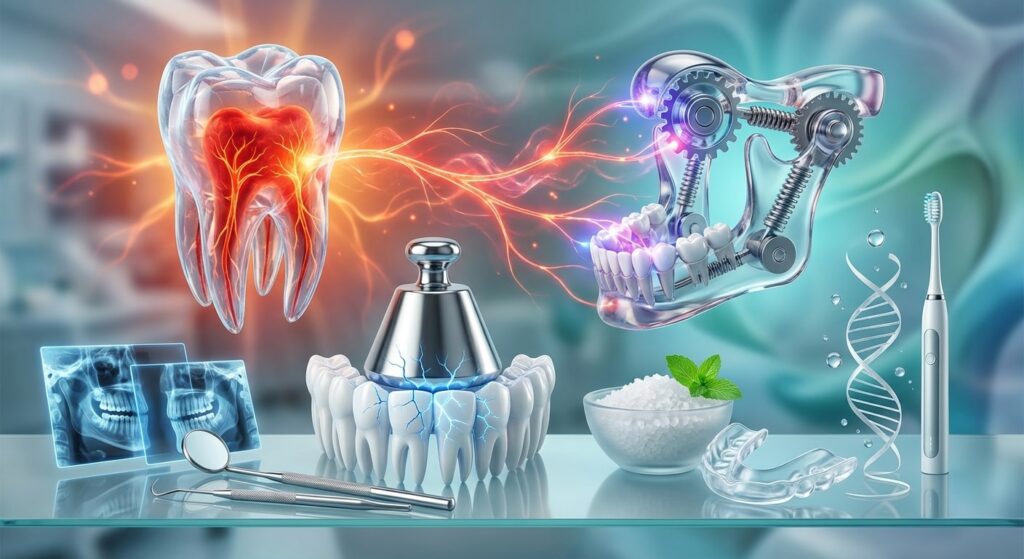

This guide aims to provide you with comprehensive information on gum and jaw pain, covering its various causes, effective relief strategies, and critical indicators that necessitate professional dental care. Whether you’re dealing with mild soreness or severe agony, understanding your options is key to regaining your comfort and well-being. For urgent concerns, consider reaching out to our bruxism treatment guide.
Common Causes of Gum & Jaw Discomfort
The discomfort experienced in the gums and jaw can stem from a variety of sources, ranging from routine dental hygiene lapses to more complex underlying conditions. Identifying the precise cause is essential for effective treatment and pain management. These issues can impact daily life significantly, making it important to understand potential origins.
Common culprits include dental caries (cavities), which can lead to deep infections that radiate pain, and periodontal disease, an infection of the gums and bone that supports the teeth.Bruxism, or teeth grinding, is another frequent cause, leading to jaw muscle fatigue and pain. Furthermore, issues with the temporomandibular joint (TMJ) or even referred pain from other parts of the head and neck can manifest as gum and jaw discomfort. For specialized care, our periodontics services address gum-related issues.
Understanding the specific symptoms associated with each potential cause can help in seeking the right dental care. The following table outlines common causes and their typical presentations to assist you in identifying the source of your discomfort. If you suspect a problem, our bruxism treatment team can help diagnose and treat many common dental issues. For example, understanding what you need to know about botox in dentistry can offer alternative solutions for jaw pain.
A serious infection at the root of a tooth or in the gums requiring immediate attention.
When to Seek Professional Dental Care
While some mild gum or jaw discomfort might resolve on its own, certain signs indicate that professional dental intervention is necessary. Recognizing these critical indicators can prevent minor issues from escalating into more severe and complex problems. Prompt attention from a dental professional ensures accurate diagnosis and effective treatment. For example, severe, throbbing pain with swelling could indicate a dental abscess, a condition that requires immediate attention and is detailed further in our guide to dental emergencies for more.
You should seek immediate professional dental care if you experience any of the following: severe, persistent pain that interferes with daily activities; swelling in the gums, face, or jaw; difficulty opening or closing your mouth; fever accompanying oral pain; or pain following a dental injury. Delaying care in these situations can lead to serious complications, including infection spread and permanent damage. Our emergency dental services are available for urgent needs.
Do not hesitate to contact your dentist if your symptoms worsen or do not improve within a few days. Early intervention is key to successful outcomes and maintaining optimal oral health. Regular check-ups, including professional dental hygiene appointments, are vital for preventing many of these issues. For those experiencing jaw pain or TMJ issues, exploring options like Botox for dental patients may offer relief.
Signs of Urgent Dental Issues
Certain symptoms associated with gum and jaw pain are red flags that demand immediate attention from a dental professional. These urgent signs often point to serious infections or injuries that could have significant consequences if left untreated. If you are unsure about the severity of your symptoms, it is always best to consult with a dentist; our guide on how to choose a dentist can help you find the right professional for your needs.
- Sudden, intense, or unbearable pain in the jaw or teeth.
- Significant swelling of the gums, face, or jaw area.
- Difficulty breathing or swallowing due to oral swelling.
- A visible injury to the mouth, teeth, or jaw.
- A bad taste or pus discharge from the gums.
Recognizing Persistent Discomfort
While acute pain often signals an emergency, persistent, nagging discomfort should not be ignored either. Ongoing pain, even if mild, can be indicative of a chronic condition that requires management and treatment to prevent further deterioration and maintain oral function. For younger patients, understanding the typical eruption patterns, such as when baby teeth first appear, can help differentiate normal development from concerning issues.
- Pain that lasts for more than a few days without improvement.
- Recurrent episodes of jaw soreness or tooth sensitivity.
- Changes in bite alignment or the way your teeth feel together.
- Increased sensitivity to hot or cold temperatures.
- Bleeding gums that do not stop with gentle brushing or flossing.
The Importance of Regular Dental Check-ups
Preventative dental care is your first line of defense against many causes of gum and jaw pain. Regular examinations allow dentists to detect problems in their earliest stages, often before symptoms become noticeable, making treatment simpler and more effective. If you’re looking for a new dental provider, our guide on how to choose a dentist can help you find the right fit for your needs. Understanding the nuances between an electric toothbrush vs manual gum recession can also inform your daily hygiene choices. For more complex restorative needs, learning about the differences between crowns vs veneers can be beneficial. For jaw pain specifically, exploring how Botox can help dental patients feel better may offer relief.
- Routine examinations help identify early signs of gum disease and cavities.
- Professional cleanings remove plaque and tartar, crucial for gum health.
- Dentists can assess for signs of bruxism and recommend protective measures.
- Early detection of TMJ issues can lead to more effective management strategies.
- Regular visits ensure overall oral health is maintained, reducing risks of pain.
Home Remedies for Gum & Jaw Discomfort
While professional dental care is paramount for diagnosing and treating the root cause of gum and jaw pain, several home remedies can offer significant temporary relief. These strategies are particularly useful for managing mild discomfort, reducing inflammation, and soothing irritated tissues while you await your dental appointment or as a supplement to professional treatment. For instance, rinsing with warm salt water can help cleanse the mouth and reduce swelling, and applying a cold compress can numb pain and decrease inflammation, offering a simple way to manage discomfort before your next dental cleaning.
Having worked with patients experiencing discomfort in the local area for years, our team has found that consistent saltwater rinses can offer significant relief. This simple remedy helps to cleanse the mouth, reduce inflammation, and promote healing. Other effective home care strategies include applying cold compresses to reduce swelling and pain, and practicing gentle oral hygiene to avoid further irritation. For ongoing comfort, consider how regular managing bruxism supports overall oral health, and for information on tooth replacement options, review the Alberta denture costs guide.
Incorporating these practices into your routine can make a noticeable difference in managing discomfort. Remember, these remedies are intended for temporary relief and should not replace professional dental evaluation and treatment for persistent or severe pain. If pain persists, consult with our dental care experts.
- Saltwater Rinse: Mix half a teaspoon of salt in a glass of warm water. Swish the solution gently in your mouth for 30 seconds, then spit it out. Repeat several times a day, especially after meals.
- Cold Compress: Apply a cold pack wrapped in a thin cloth to the outside of your cheek over the painful area for 15-20 minutes at a time. This can help reduce swelling and numb the pain.
- Gentle Oral Hygiene: Continue to brush and floss gently, using a soft-bristled toothbrush and avoiding direct pressure on sore areas. Maintaining cleanliness is crucial for healing.
- Over-the-Counter Pain Relievers: Non-prescription pain relievers like ibuprofen or acetaminophen can help manage pain and reduce inflammation. Always follow dosage instructions.
- Dietary Adjustments: Stick to soft foods and avoid chewing on the painful side of your mouth. Hot or cold foods and beverages may also exacerbate discomfort, so opt for lukewarm options.
The Link Between Gum Health & Jaw Pain
Understanding the connection between gum health and jaw pain is essential for comprehensive oral care. Issues like inflamed gums can sometimes be linked to broader dental problems, and exploring causes of tooth sensitivity can offer further insight into what bleeding gums signal for more.
Understanding the connection between your gums and jaw pain is essential for comprehensive oral care. Issues like gum disease can sometimes manifest as jaw discomfort, highlighting the importance of maintaining good oral hygiene and seeking professional advice when needed. If you’re experiencing persistent jaw pain, it’s worth exploring potential causes and solutions, such as those discussed in our guide on TMJ symptoms and causes.
The health of your gums and the stability of your jaw are intimately connected, often influencing each other in ways that can lead to significant discomfort. When gum health deteriorates, it can create a cascade of issues that impact the supporting structures of the teeth, including the jawbone itself. For more information on preventing gum issues, explore our guide to bleeding gums and what they signal.
Advanced gum disease, such as periodontitis, involves inflammation and infection that can break down the bone tissue holding your teeth in place. As this bone loss progresses, it can lead to tooth mobility and affect the alignment of your bite, putting undue stress on the temporomandibular joint (TMJ) and surrounding jaw muscles. This chronic stress can manifest as jaw pain, headaches, and clicking sounds. Addressing gum health through dedicated periodontics is therefore crucial for maintaining jaw comfort and function.
Furthermore, infections originating in the gums can sometimes spread to the jawbone, causing more severe pain and requiring extensive treatment. Maintaining excellent oral hygiene and seeking regular professional care, such as through thorough dental hygiene, is essential for preventing these interconnected problems. If you are looking for a new dental provider, our guide on how to choose a dentist can help you make an informed decision.
- Bone Loss: Periodontitis leads to the destruction of the jawbone that anchors teeth, weakening the foundation and potentially altering bite mechanics.
- Bite Misalignment: As teeth become loose or shift due to gum disease, the way your upper and lower teeth fit together can change, straining the jaw joint.
- Inflammation Spread: Inflammation from severe gum infections can sometimes extend to the jawbone or surrounding tissues, causing direct pain.
- Increased Sensitivity: Gum recession, often a consequence of gum disease, exposes tooth roots, leading to sensitivity that can feel like jaw pain.
- TMJ Stress: Compromised dental structures and altered bite can place abnormal stress on the temporomandibular joint, contributing to TMJ disorders and related jaw pain.
TMJ Disorders and Jaw Pain
Temporomandibular Joint (TMJ) disorders represent a significant category of conditions specifically affecting the jaw joint, leading to pain and dysfunction. The TMJ is a complex hinge mechanism that connects your jawbone to your skull, allowing for movement like chewing, speaking, and yawning. When this joint is not functioning correctly, it can cause a wide range of symptoms.
Symptoms of TMJ disorders can include pain or tenderness in the jaw, difficulty chewing, clicking or popping sounds when opening or closing the mouth, and even locking of the jaw. These issues can arise from various factors, including injury to the jaw, arthritis, or teeth grinding (bruxism). Proper diagnosis is key, and our TMJ treatment services are designed to address these specific conditions.
Management of TMJ disorders often involves a combination of treatments, ranging from conservative self-care and physical therapy to more involved dental interventions like custom mouthguards or restorative dentistry to correct bite issues. For immediate relief or severe pain, an emergency dentist can provide urgent care. Understanding dental x-ray safety is also important for overall oral health, as is knowing about the differences between plaque and tartar for more. For those experiencing teeth grinding, learning about bruxism treatment can offer relief.
When Gum & Jaw Pain Signal Serious Issues
While most instances of gum and jaw pain can be attributed to common dental issues or strain, certain symptoms may indicate more serious underlying health conditions that require prompt medical or dental intervention. Recognizing these critical signs is vital for ensuring your overall health and well-being. If you’re unsure about the best dental professional for your needs, our guide on how to choose a dentist can help you make an informed decision.
Persistent or severe jaw pain, especially when accompanied by other symptoms like unexplained weight loss, fever, earaches, or difficulty swallowing, could be indicative of more systemic problems. These might include infections that have spread beyond the oral cavity, autoimmune disorders, or even neurological issues. It is crucial not to delay seeking professional help if you experience these concerning symptoms. Our dental emergency services are equipped to handle urgent and serious oral health concerns.
Conditions such as osteomyelitis (bone infection), certain types of cancer, or even cardiovascular issues can sometimes present with jaw pain as a symptom. Therefore, a thorough examination by dental and medical professionals is essential for accurate diagnosis. If you suspect a serious underlying cause, prompt consultation with specialists is highly recommended. Early detection through services like periodontics or endodontics can be critical, and understanding options such as dental crowns can be part of your treatment plan.
Infections Beyond the Oral Cavity
For example, conditions like TMJ disorders can manifest with jaw pain, and understanding TMJ symptoms and causes is a crucial first step in seeking appropriate treatment.
Sometimes, pain felt in the gums or jaw is not directly caused by a local oral issue but is a symptom of a deeper infection elsewhere in the head or neck. These can include sinus infections, tonsillitis, or even more serious conditions like meningitis, which can present with referred pain. For example, understanding the difference between cosmetic dental solutions like veneers and crowns can help you achieve your desired smile. Learn more about dental crowns and their purpose, and when you need dental work, consider how to choose a dentist who fits your needs.
- Severe sinus infections can cause pressure and pain that radiates to the upper jaw and teeth.
- Deep tissue infections in the neck or throat can sometimes manifest as jaw discomfort.
- Rarely, symptoms resembling dental pain can be associated with more serious infections requiring immediate medical attention.
Systemic Health Conditions
A variety of systemic health conditions can have oral manifestations, including pain in the gums and jaw. Conditions affecting the immune system, metabolism, or even blood circulation can present with these symptoms, underscoring the importance of a holistic approach to health. For those experiencing significant discomfort or fear related to dental visits, exploring options for overcoming dental anxiety can be a crucial first step toward addressing these issues.
Pain in the jaw and facial region can also stem from neurological issues, where nerves become irritated or compressed. These conditions often require specialized diagnosis and treatment by neurologists or dentists experienced in managing neuropathic pain. If you are experiencing persistent jaw pain, it is important to consult with a professional to understand the underlying cause and explore treatment options, such as those for TMJ disorders or when a dental crown might be needed to address underlying structural issues.
- Trigeminal neuralgia is a condition causing severe facial pain, often described as stabbing or electric shock-like, which can affect the jaw.
- Nerve damage from injury or dental procedures can sometimes lead to chronic pain in the jaw area.
- Conditions affecting the central nervous system can alter pain perception, leading to discomfort that may be felt in the jaw.
Conclusion: Prioritizing Your Comfort
Managing gum and jaw pain effectively requires understanding its diverse origins and knowing when to seek professional help. From simple home remedies for mild discomfort to the necessity of advanced dental treatments for complex issues, a proactive approach to your oral health is paramount. Prioritizing your comfort means not ignoring persistent or severe pain.
This comprehensive guide has explored the common causes, home care strategies, and critical warning signs associated with gum and jaw discomfort. Remember that persistent pain, significant swelling, or difficulty with jaw function are strong indicators that you should consult with dental professionals. If you are looking for a dentist, our guide to choosing a dentist can help you make an informed decision.
By staying informed and attentive to your body’s signals, you can take crucial steps towards relief and long-term oral wellness. Whether it’s a routine dental hygiene visit or an urgent need addressed by our emergency dentist, seeking timely care is always the best course of action for maintaining comfort and health. If you’re looking to understand more about specific dental procedures, our guide to electric toothbrush gum care can offer valuable insights.
Frequently Asked Questions
Understanding the nuances of gum and jaw pain can be complex, and many patients have common questions regarding their symptoms and treatment options. Here, we address some frequently asked questions to provide clearer guidance and reinforce the importance of professional dental care. For instance, if you’re experiencing persistent jaw pain, understanding TMJ symptoms and causes can be a crucial first step toward relief, and exploring options like botox for dental patients may offer additional therapeutic benefits.
What should I do if my toothache radiates to my jaw?If a toothache radiates to your jaw, it indicates the pain is significant and may involve deeper structures. It’s crucial to see a dentist promptly, as this could signify a serious infection or dental issue requiring treatment, potentially from our root canal therapy services.