
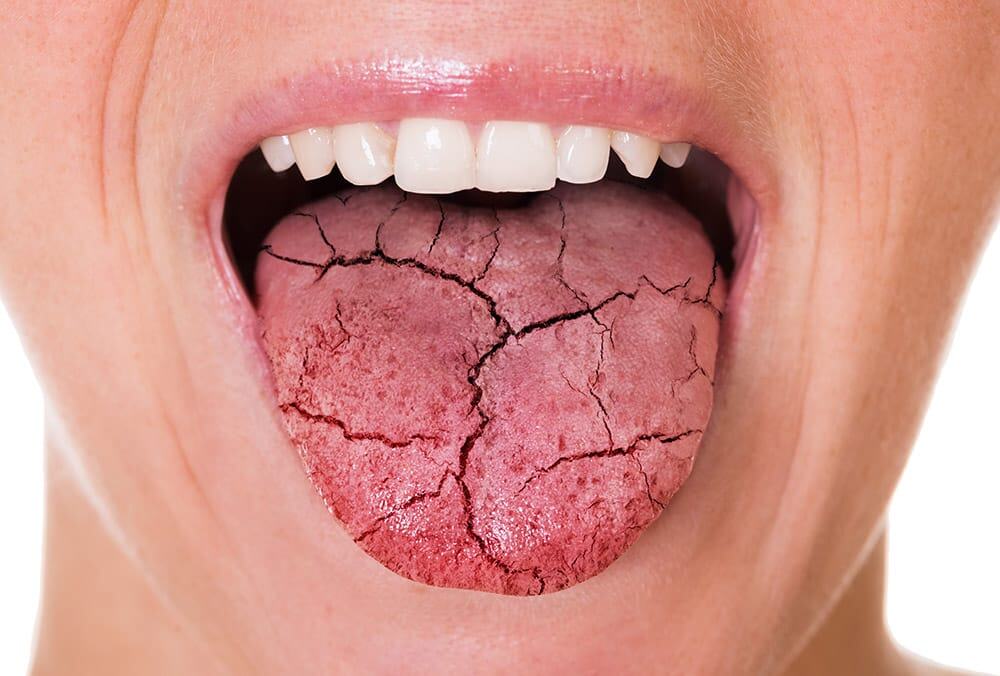

Understanding Dry Mouth Discomfort
Understanding the common dry mouth causes is crucial because dry mouth, medically known as xerostomia, is more than just a fleeting discomfort; it can significantly impact your oral health and overall well-being. This condition occurs when your salivary glands don’t produce enough saliva to keep your mouth moist, leading to a persistent feeling of dryness.
Beyond the unpleasant sensation, insufficient saliva can disrupt the natural balance in your mouth, making it more vulnerable to various dental issues. Recognizing the underlying reasons for dry mouth is the first step toward effective management and preventing potential complications. Our team at Heritage Dental Centre is dedicated to helping you understand these causes and find relief.
Exploring the various dry mouth causes is essential for maintaining good oral hygiene and comfort. Whether it stems from lifestyle habits, medications, or underlying health conditions, addressing the root issue can lead to significant improvements. This guide aims to shed light on these factors to empower you with knowledge and solutions. For those seeking cosmetic improvements, understanding the benefits of dental veneers can also be informative.
Common Dry Mouth Causes
Dry mouth, also known medically as xerostomia, is a condition where the salivary glands in your mouth do not produce enough saliva to keep your mouth moist. This can range from a bothersome feeling to a significant health issue, impacting speech, taste, and overall oral comfort. Understanding the various dry mouth causes is the first step toward finding relief and preventing complications.
Many factors can lead to dry mouth, with some being more common than others. These can often be managed or mitigated once identified. Dehydration is perhaps the most straightforward cause, simply meaning your body lacks sufficient fluid. However, a persistent feeling of dryness often points to other underlying issues that require attention, such as those discussed in our guide to stale mouth for more.
- Dehydration. Not drinking enough fluids throughout the day is a primary reason for dry mouth. When your body is dehydrated, it conserves water, which can reduce saliva production.
- Aging. As people age, they may experience changes in their body that can lead to dry mouth. This can be due to the natural aging process, changes in metabolism, or the increased likelihood of taking multiple medications.
- Stress and Anxiety. Feeling nervous or anxious can cause a temporary dry mouth sensation. This is your body’s “fight or flight” response, which can divert blood flow away from salivary glands.
- Mouth Breathing. Breathing through your mouth, especially during sleep, can dry out oral tissues. This is often associated with nasal congestion or certain sleep conditions.
- Certain Foods and Habits. Consuming too much caffeine, alcohol, or salty foods can contribute to dry mouth. Smoking or chewing tobacco also irritates oral tissues and reduces saliva flow.
Medications Affecting Saliva
Many common medications can cause dry mouth as a side effect. It’s important to discuss any concerns with your doctor or dentist, as they can help you explore alternatives or management strategies. For example, some antihistamines, decongestants, pain relievers, diuretics, and antidepressants are known to reduce saliva flow, and understanding these effects is key to managing your oral health.
Many medications can cause dry mouth as a side effect; if you are experiencing this, it is important to discuss it with your doctor or pharmacist to explore potential solutions or alternative treatments, such as those that can help with teeth grinding for more.
Many prescription and over-the-counter medications can cause dry mouth as a side effect. These include drugs for high blood pressure, depression, allergies, and pain. If you suspect your medication is causing dry mouth, consult your doctor about potential alternatives or dosage adjustments. For more information on managing medication side effects, you can explore our guide to common dental procedures for more.
Many common medications can cause dry mouth as a side effect, impacting saliva production. If you are experiencing persistent dry mouth, it’s important to discuss your current prescriptions with your doctor or dentist to explore potential solutions, such as adjusting dosages or considering alternative treatments like cosmetic dental crowns if tooth damage is a concern.
Many common medications can cause dry mouth as a side effect. These include antihistamines, decongestants, pain relievers, diuretics, and medications for high blood pressure, depression, and Parkinson’s disease. If you suspect your medication is causing dry mouth, consult your doctor about potential alternatives or dosage adjustments; for more information on dental restorations, explore our dental restoration life guide for more.
Many prescription and over-the-counter medications can cause dry mouth as a side effect. These include antihistamines, decongestants, pain relievers, diuretics, and medications for high blood pressure, depression, and Parkinson’s disease. If you suspect your medication is causing dry mouth, consult your doctor about potential alternatives or dosage adjustments; for instance, understanding why you may need a dental crown can be important if dry mouth leads to other oral health issues.
Many common medications can significantly impact saliva production, leading to dry mouth. These drugs can interfere with the signals that tell your salivary glands to produce saliva, or they may affect the composition of saliva itself. Understanding which medications are most likely to cause this side effect is crucial for managing oral health.
The effects of these medications are a leading cause of dry mouth for many individuals. It is essential to discuss any persistent dry mouth symptoms with your healthcare provider, as they may be able to adjust your prescription or suggest alternative treatments. For more information on managing oral health, you can explore our guide to stale mouth meaning and its relief.
| Common Medication Types | Potential to Cause Dry Mouth |
|---|---|
| Antihistamines and Decongestants | High |
| Antidepressants and Anti-anxiety Medications | High |
| Pain Relievers (some types) | Moderate |
| Diuretics | Moderate |
| Blood Pressure Medications | Moderate |
| Muscle Relaxants | Moderate |
| Medications for Parkinson’s Disease | Moderate |
| Chemotherapy Drugs | High (often temporary but can be severe) |
| Medications for Overactive Bladder | High |
This table highlights some of the most common culprits. If you are taking any of these medications and experiencing dry mouth, it is important to inform your doctor. They can assess whether the dry mouth is a direct side effect and explore potential solutions. Ignoring these dry mouth causes can lead to more significant oral health problems.
Lifestyle Factors in Dry Mouth
Beyond medications and underlying health conditions, everyday habits and lifestyle choices can significantly contribute to dry mouth. Understanding these factors is crucial for identifying and mitigating common dry mouth causes. Factors ranging from what you drink to how much water you consume can all play a role in your body’s saliva production. For those experiencing significant anxiety around dental visits, exploring options for dental anxiety management can also indirectly help reduce stress-related dry mouth symptoms.
Hydration and Dietary Habits
Adequate hydration is fundamental for maintaining sufficient saliva flow. When your body is dehydrated, it prioritizes essential functions, often leading to reduced saliva production. Dehydration is one of the most straightforward dry mouth causes that can often be remedied with simple adjustments. Learn more about foods that impact oral health and how they relate to saliva.
- Sip water consistently throughout the day rather than consuming large amounts at once.
- Limit intake of caffeinated beverages and alcohol, as these can have a diuretic effect and contribute to dehydration.
- Be mindful of your sodium intake, as high-sodium foods can exacerbate dry mouth symptoms.
- Choose moist foods when possible and consider adding broths or gravies to drier meals.
Substance Use and Habits
Certain habits and the use of specific substances can directly impact saliva production and lead to dry mouth. These lifestyle choices are often overlooked dry mouth causes but can have a substantial effect on oral comfort and health. For instance, severe dry mouth can sometimes necessitate dental work, such as a dental crown, to protect damaged teeth, and understanding the benefits of these restorations is important.
- Smoking and tobacco use can significantly reduce saliva flow and irritate oral tissues.
- Chewing or dipping tobacco is also linked to increased risk of dry mouth and oral health problems.
- Using recreational drugs, particularly marijuana and methamphetamine, is strongly associated with severe dry mouth.
- Breathing through your mouth, especially while sleeping, can lead to increased oral moisture loss.
Dietary Triggers and Oral Care
Certain foods and drinks can trigger or worsen dry mouth symptoms. Understanding these triggers is key to managing your oral comfort. For example, sugary drinks and acidic foods can contribute to enamel erosion, and if you have dry mouth, your risk for cavities increases significantly. If you’re considering cosmetic improvements, understanding the difference between crowns versus veneers can help you make informed decisions about your smile.
The foods and drinks you consume, along with your daily oral hygiene routine, can also influence your experience with dry mouth. Some items can irritate oral tissues, while others can help stimulate saliva production. Addressing these dietary triggers is key to managing various dry mouth causes. For example, understanding the best and worst foods for your teeth can help you make informed choices.
- Spicy, salty, or acidic foods can irritate an already dry mouth.
- Sugary snacks and beverages can contribute to tooth decay, which is a risk for those with dry mouth.
- Using alcohol-based mouthwashes can further dry out oral tissues; opt for alcohol-free alternatives.
- Regular, gentle brushing and flossing are essential to prevent complications associated with reduced saliva flow.
Medical Conditions & Dry Mouth
Numerous medical conditions can significantly impact saliva production, leading to persistent dry mouth. These underlying health issues often represent crucial dry mouth causes that require careful management. Recognizing these connections is vital for effective treatment and preventing secondary complications.
Having worked with Edmonton patients for years, our team has observed how conditions like Sjögren’s syndrome, diabetes, and HIV frequently manifest as dry mouth. These chronic conditions can directly affect the salivary glands or disrupt the body’s fluid balance, making dry mouth a noticeable symptom.
Other systemic diseases can also contribute to reduced saliva flow. For instance, conditions affecting the nervous system or hormone levels might indirectly influence salivary gland function. It’s important to understand that dry mouth can sometimes be an early indicator of a more serious health concern, and managing dental anxiety can help ensure you seek necessary treatment. Understanding the difference between routine care and cosmetic procedures, like knowing the difference between dental cleaning vs whitening, can help you manage your oral health effectively.
- Diabetes: Poorly controlled blood sugar levels can lead to dehydration, a primary contributor to dry mouth.
- Sjögren’s Syndrome: This autoimmune disorder specifically targets moisture-producing glands, including salivary and tear glands.
- HIV/AIDS: This condition can affect the salivary glands directly or indirectly through opportunistic infections.
- Parkinson’s Disease: Changes in motor control and medication side effects can lead to reduced saliva production.
- Alzheimer’s Disease: Cognitive changes and medication use are often linked to dry mouth in individuals with Alzheimer’s.
- Stroke: Damage to nerves controlling salivary glands after a stroke can result in significant dry mouth.
- Anxiety and Stress: While often temporary, severe anxiety can trigger a fight-or-flight response that reduces saliva flow.
If you are experiencing persistent dry mouth, it is essential to consult with a healthcare professional. Identifying the specific medical conditions that may be contributing to your dry mouth causes is the first step toward finding relief and maintaining your overall health. Addressing these underlying issues can significantly improve your quality of life and oral health.
When to Seek Dental Help
While occasional dry mouth can be a temporary inconvenience, persistent symptoms warrant professional attention. If you find yourself struggling with ongoing dry mouth, it’s crucial to consult with a dental professional. They can help identify the underlying dry mouth causes and recommend appropriate treatment to protect your oral health.
Understanding when to seek dental help is key to managing dry mouth effectively. Persistent dry mouth can lead to more significant dental issues if left unaddressed. Your dentist can provide personalized advice and solutions tailored to your specific situation. Don’t hesitate to reach out if you experience any of the following signs, such as a stale mouth, which can indicate underlying issues and is a symptom worth investigating further.
- Persistent Thirst and Dryness: Experiencing a constant feeling of thirst and a dry sensation in your mouth, even after drinking fluids, is a strong indicator that professional evaluation is needed. This can be a sign of underlying issues contributing to dry mouth causes.
- Difficulty Chewing, Swallowing, or Speaking: When dry mouth becomes severe, it can interfere with basic oral functions. If you notice difficulty chewing food, have trouble swallowing, or experience changes in your speech due to lack of saliva, it’s time to see a dentist.
- Sore Throat or Hoarseness: A dry mouth can lead to irritation of the throat, causing persistent soreness or hoarseness. This symptom, especially if it occurs regularly, should be discussed with your dental care team.
- Burning Sensation in the Mouth: Some individuals with dry mouth report a burning or tingling sensation on their tongue or within their mouth. This discomfort can be a symptom of irritation caused by reduced saliva flow.
- Changes in Taste or a Metallic Taste: Saliva plays a role in how we perceive taste. If you notice changes in your sense of taste, or a persistent metallic taste in your mouth, it may be linked to dry mouth causes.
- Mouth Sores or Infections: Reduced saliva flow can compromise the mouth’s natural defense mechanisms, making it more susceptible to sores, infections like thrush, or an increase in cavities.
- Rough or Dry Tongue: Your tongue may feel rough, sticky, or appear unusually dry. This is a direct sign that your salivary glands are not producing enough moisture.
Managing Dry Mouth Symptoms
Understanding the various dry mouth causes is the first step toward finding relief. Fortunately, several practical strategies can help alleviate the discomfort and improve your oral health when experiencing xerostomia.
Implementing consistent management techniques can significantly reduce the negative impacts of dry mouth. These methods aim to keep your mouth moist and protect your teeth from the increased risk of decay associated with reduced saliva flow. Exploring these options can lead to a more comfortable and healthier oral environment.
Here are effective strategies for managing dry mouth symptoms:
- Stay Hydrated: Sip water frequently throughout the day. Carrying a reusable water bottle is a great habit to maintain consistent hydration. Consider sugar-free juices, herbal teas, or club soda as alternatives if plain water becomes monotonous.
- Stimulate Saliva Flow: Chew sugar-free gum or suck on sugar-free candies or lozenges. Look for products containing xylitol, which can also help prevent cavities.
- Moisturize Your Mouth: Over-the-counter saliva substitutes, available as sprays, gels, or rinses, can provide immediate relief. Biotene products are often recommended for their effectiveness in moisturizing the mouth.
- Adjust Your Diet: Avoid dry, salty, or spicy foods that can further irritate a dry mouth. Opt for moist, softer foods that are easier to swallow. Limit caffeine and alcohol, as these can contribute to dehydration.
- Use a Humidifier: Running a humidifier at night can add moisture to the air, preventing your mouth from drying out while you sleep. This is particularly helpful in dry climates or during winter months.
- Practice Good Oral Hygiene: Brush and floss regularly, but use alcohol-free mouthwashes. Alcohol can exacerbate dryness. Your dentist can recommend specific oral hygiene products suitable for managing dry mouth, and you can learn more about stale mouth meaning and its relief.
Addressing the root cause of your dry mouth is crucial for long-term management. If medications are a contributing factor, discuss potential alternatives with your doctor. For dry mouth causes related to medical conditions, managing the underlying illness is paramount.
Oral Health with Dry Mouth
Understanding the various dry mouth causes is crucial for maintaining good oral health. When saliva production is insufficient, it can significantly impact your teeth, gums, and overall oral well-being. Saliva plays a vital role in washing away food particles, neutralizing acids produced by plaque bacteria, and aiding in the initial stages of digestion.
Without adequate saliva, the risk of developing common dental issues increases. These can range from cavities and gum disease to more serious conditions like oral thrush and persistent bad breath. Recognizing the connection between reduced saliva flow and these potential problems underscores the importance of addressing the root causes of dry mouth, and you can learn more about the best toothbrush for gums and its implications.
- Cavities (Tooth Decay): Reduced saliva means less protection against the acids that erode tooth enamel.
- Gum Disease (Periodontitis): Bacteria can thrive more easily in a dry mouth environment, leading to inflammation and infection of the gums.
- Oral Thrush (Candidiasis): A fungal infection that can occur when the natural balance of microorganisms in the mouth is disrupted by dryness.
- Bad Breath (Halitosis): Bacteria that cause unpleasant odors can multiply more rapidly in a dry mouth.
The ongoing lack of saliva can also lead to discomfort, such as a burning sensation on the tongue, difficulty swallowing, and altered taste perception. For individuals experiencing persistent dry mouth, consulting with dental professionals is essential to identify specific dry mouth causes and implement effective management strategies. Our team at Heritage Dental Centre can help diagnose the underlying issues and recommend personalized solutions.
Conclusion: Own Your Oral Health
Understanding the various dry mouth causes is the crucial first step toward managing this condition and protecting your oral health. By recognizing the contributing factors, whether they stem from lifestyle choices, medications, or underlying health issues, you can take informed actions to alleviate discomfort and prevent potential complications. If you’re concerned about your oral health, learning about ways to beat bad breath can be a helpful part of your overall strategy.
Taking proactive steps is essential for maintaining a healthy mouth when experiencing dry mouth. This involves consistent hydration, practicing good oral hygiene, and consulting with dental professionals to address persistent symptoms. Prioritizing your oral well-being means actively seeking solutions and understanding how to manage the challenges associated with dry mouth.
Here are some key takeaways for taking ownership of your oral health:
- Identify potential dry mouth causes in your daily life, from hydration habits to medications.
- Explore effective management strategies, such as increased water intake and specialized oral care products.
- Recognize when to seek professional dental advice for persistent or severe dry mouth symptoms.
- Understand the link between dry mouth and overall oral health, including the risk of cavities and other issues.
- Empower yourself with knowledge to actively combat the effects of dry mouth and maintain a healthy smile.
By consistently applying these principles and seeking professional guidance when needed, you can effectively manage dry mouth and safeguard your oral health for the long term. Remember that addressing the root causes and symptoms of dry mouth is vital for preventing further dental problems and ensuring your overall comfort and well-being.
Effectively managing dry mouth involves understanding its many causes and adopting consistent care practices. If you are experiencing persistent dry mouth, seeking professional dental advice can provide personalized solutions and strategies for relief.
Learn more about the common reasons for dry mouth and how to address them by exploring our comprehensive guide to stale mouth meaning and relief.