
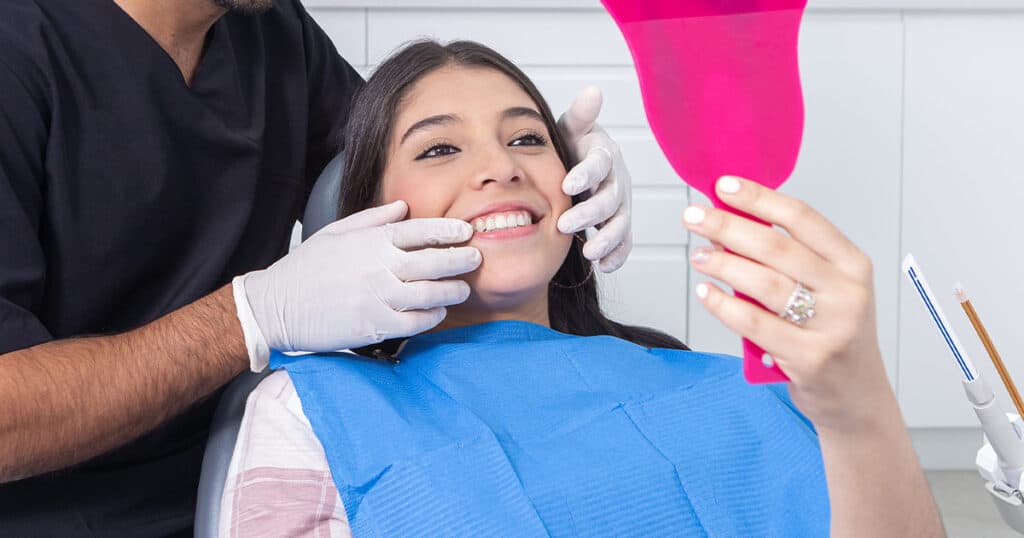

Enhancing Oral Health with Heritage Dental Hygiene
Maintaining optimal oral health extends far beyond the daily ritual of brushing. A comprehensive approach to dental hygiene involves understanding the intricate connection between oral wellness and overall bodily health. By embracing specialized practices and professional care, individuals can significantly improve their long-term health outcomes.
At Heritage Dental Centre, we are dedicated to providing advanced dental hygiene services that go above and beyond standard care. Our focus is on preventative measures and early intervention, ensuring your smile remains healthy and vibrant for years to come. Discover how our tailored approach can elevate your oral health.
Exploring the full spectrum of dental care, from essential preventative treatments to transformative cosmetic procedures and vital restorative solutions, forms the cornerstone of our patient-centered philosophy. We also offer specialized pediatric dentistry to ensure lifelong oral health habits, including guidance on baby teeth eruption for more. We also provide treatments for conditions like bruxism, which you can learn more about in our bruxism treatment guide for more.
What is Heritage Dental Hygiene?
Heritage dental hygiene represents a specialized approach to oral care, distinguishing itself from general dental practices through its dedicated focus on in-depth assessment and preventative strategies. This specialized care emphasizes tailored treatments and education designed to foster optimal oral health and prevent future issues. Understanding the roles of a dental hygienist versus a dentist can help patients appreciate the collaborative effort in maintaining their oral health.
A dedicated dental hygiene clinic offers a unique advantage by concentrating solely on the health of your gums, teeth, and surrounding oral structures. This focused expertise allows for a more thorough examination and a personalized treatment plan, setting it apart from the broader scope of services typically found in a general dental practice.
Scaling, root planing, polishing, fluoride treatments, sealantsFillings, crowns, extractions, root canals, dentures, and hygiene services
Patient EducationIntensive focus on home care techniques and personalized adviceGeneral advice on brushing and flossingTechnology UseAdvanced diagnostic tools for periodontal health, ultrasonic scalersGeneral dental technology, including X-rays, drills
Choosing a specialized clinic for your dental cleanings and oral health assessments ensures that you receive highly focused care dedicated to the long-term health of your mouth. Our preventative dental care strategies are designed to catch issues early and maintain your oral well-being, and we can also discuss options like restorative dental crowns if needed. Understanding how to choose a dentist is also crucial for your overall oral health journey.
Comprehensive Dental Hygiene Assessment
A thorough dental hygiene assessment is the cornerstone of effective and personalized dental care. It involves a detailed examination of your entire oral cavity to identify any potential issues, from early signs of gum disease to other oral health concerns, ensuring a proactive approach to your well-being. Understanding the roles of a dentist versus a hygienist can help you navigate your dental visits effectively. For instance, knowing why you may need a dental crown can help you discuss treatment options with your dentist. For more information on the differences, you can review our guide on the dentist vs hygienist roles explained.
- Medical History Review: Understanding your overall health, medications, and dental history is crucial for tailored treatment.
- Oral Cancer Screening: A visual and tactile examination to detect any abnormalities or suspicious lesions in the mouth and throat.
- Gum Health Evaluation: Assessing gum tissue for inflammation, bleeding, pocket depths, and signs of periodontal disease.
- Tooth Examination: Checking for cavities, enamel wear, cracks, and the condition of existing dental work.
- Plaque and Tartar Assessment: Identifying areas of buildup that require professional cleaning.
- Bite and Jaw Assessment: Evaluating the alignment of your teeth and the function of your temporomandibular joint (TMJ).
During your visit, we meticulously examine each aspect of your oral health to develop a preventative dental care plan suited to your unique needs. This comprehensive oral health assessment is vital for maintaining your smile’s integrity and preventing future problems, complementing services like professional dental cleanings and even restorative dentistry if needed. For instance, understanding the impact of brushing techniques, such as the difference between an electric toothbrush vs manual and gum recession, is key to long-term oral health. For more on this topic, see our guide on electric toothbrush vs manual gum recession for more.
Detecting Early Signs of Gum Disease
Early detection of gum disease is paramount to preventing its progression and subsequent damage to your oral structures. Our assessments meticulously look for subtle indicators such as slight redness, swelling, or bleeding gums, which are often the first signs that require professional attention. If you’re looking for a new provider, understanding how to choose a dentist can help you find someone who prioritizes this kind of thoroughness.
By identifying these early markers during a routine dental cleaning, we can implement targeted treatments to halt the disease’s advancement. This proactive approach is far more effective and less invasive than addressing advanced periodontal issues, such as those requiring dental crowns or other restorative work.
Evaluating Existing Dental Restorations
Regular assessments include a careful inspection of any existing dental work, such as fillings, crowns, or bridges. We check for signs of wear, leakage, or damage that could compromise the restoration’s integrity and potentially lead to secondary decay or other complications. If you’re wondering about the different types of restorations, our guide on dental crowns can provide more information. Additionally, for patients experiencing discomfort or seeking enhanced comfort during treatment, learning about how Botox can help dental patients feel better might offer valuable insights.
Ensuring the longevity and functionality of prior treatments is a key component of comprehensive restorative dentistry. Our detailed examinations help safeguard your investment in your smile and prevent further issues.
Personalizing Your Oral Hygiene Plan
Based on the findings from your comprehensive assessment, we craft a personalized oral hygiene plan. This plan is specifically designed to address your individual needs, whether it involves enhanced home care techniques, targeted preventative dental care, or specific treatment recommendations, and we also consider factors like how Botox can help dental patients feel better.
Your personalized plan ensures you have the knowledge and tools necessary to maintain optimal oral health between professional visits, making your journey toward a healthy smile both effective and sustainable.
Services Offered for Optimal Oral Health
Our clinic offers a comprehensive suite of specialized dental hygiene services meticulously designed to promote and maintain your peak oral health. We understand that regular professional care is essential for preventing common dental ailments and contributing to your overall well-being. If you’re looking for a new dental provider, our guide on how to choose a dentist can help you make an informed decision.
- Professional Dental Cleaning (Scaling and Polishing): Removal of plaque and tartar above and below the gum line, followed by polishing to create a smooth tooth surface resistant to plaque buildup.
- Fluoride Treatments: Application of concentrated fluoride to strengthen tooth enamel and enhance its resistance to decay, particularly beneficial for children and individuals at higher risk of cavities.
- Dental Sealants: A protective coating applied to the chewing surfaces of back teeth to prevent food particles and bacteria from getting trapped in the grooves, thus avoiding decay.
- Periodontal Therapy: Non-surgical treatments such as scaling and root planing to manage and treat gum disease, aiming to restore gum health and prevent tooth loss.
- Oral Cancer Screenings: Regular examinations performed during hygiene appointments to detect early signs of oral cancer, significantly improving treatment outcomes.
These essential hygiene treatments, alongside our commitment to preventative dental care, are crucial for maintaining a healthy mouth. We also cater to younger patients with our dedicated pediatric dentistry services, ensuring smiles of all ages receive the best possible care through regular dental cleanings. Understanding what happens during a routine dental cleaning can help alleviate any concerns you might have about the procedure.
Importance of Regular Dental Cleanings
Understanding the importance of regular dental check-ups is key to long-term oral health, and our clinic offers comprehensive services to meet your needs.
Consistent professional dental cleanings are indispensable for preventing a wide range of dental problems, including cavities and gum disease. These appointments are not just about aesthetic improvement; they are a critical component of maintaining your overall health by catching potential issues early. Learn more about dental veneer options and why they are important.
- Cavity Prevention: Professional cleanings remove plaque and tartar that daily brushing may miss, significantly reducing the risk of tooth decay.
- Gum Disease Management: Regular removal of harmful bacteria and buildup helps prevent gingivitis and more severe periodontal disease, protecting your gums and supporting structures.
- Early Detection of Oral Issues: Dentists and hygienists can identify early signs of cavities, gum disease, and even oral cancer, allowing for timely intervention and more effective treatment.
- Fresher Breath: Thorough cleaning removes odor-causing bacteria and food particles, leading to fresher breath and improved confidence.
- Overall Health Improvement: Research indicates a link between oral health and systemic conditions like heart disease and diabetes; maintaining good oral hygiene contributes positively to overall well-being.
Scheduling regular dental cleanings is a fundamental aspect of preventative dental care. Beyond preventing common dental issues, these visits are vital for the early detection of more serious oral health concerns, supporting your general health through thorough oral health assessments. If you’re wondering about the differences between various restorative options, our guide to dental crowns and veneers can provide clarity.
Advanced Technology in Dental Hygiene
Modern dental technology significantly enhances the effectiveness, efficiency, and comfort of dental hygiene procedures. These advancements allow our team to provide a superior level of care, ensuring a more thorough and pleasant experience for every patient.
From advanced diagnostic tools that provide clearer insights into oral health to innovative instruments that gently yet effectively remove plaque and tartar, technology plays a vital role in modern dental hygiene. This commitment to cutting-edge equipment ensures that you receive the most advanced preventative dental care available.
We integrate state-of-the-art tools into our practice, including ultrasonic scalers for efficient plaque and tartar removal and digital radiography for detailed imaging with reduced radiation exposure. These technologies not only improve the quality of dental cleanings but also aid in the precise diagnosis for inlays and other restorative treatments.
Meet Our Dental Hygiene Team
Our team of dedicated dental hygienists is at the heart of the exceptional care we provide at Heritage Dental Centre. They are highly skilled professionals committed to ensuring your comfort and promoting your long-term oral health.
- Experienced Professionals: Our hygienists possess extensive training and experience in all aspects of dental hygiene, from preventative care to periodontal therapy.
- Patient-Centered Approach: Each member of our team prioritizes your individual needs, offering personalized attention and compassionate care during every visit.
- Commitment to Education: They are passionate about educating patients on proper oral hygiene techniques and the importance of regular dental care for overall well-being.
- Skilled in Advanced Techniques: Our professionals are adept at using the latest technologies and methods to provide thorough and effective dental hygiene services.
We invite you to get acquainted with our caring professionals, who are dedicated to providing you with the best possible oral health experience. Understanding the specific role of a dental hygienist can be helpful, and our page on the dentist vs hygienist roles explains their distinct responsibilities. For information on early dental development, you can explore our guide to https://heritagedentaledmonton.ca/baby-fang-teeth-first/ eruption timelines. If you are considering restorative options, understanding Alberta denture costs is important, and our financial guide can help. You can learn more about our team on our About Us page and feel free to reach out via our Contact Us page.
Booking Your Dental Hygiene Appointment
Understanding the difference between a dentist and a hygienist can help you know who to see for specific needs; our guide to the dental hygienist vs dentist roles explains their distinct responsibilities.
Scheduling your next dental hygiene visit is a simple and straightforward process designed for your convenience. We offer multiple options to ensure you can book an appointment that fits seamlessly into your life. For those considering cosmetic enhancements, understanding options like veneers versus crowns can be helpful; our article on veneers vs crowns details their differences. Additionally, for optimal oral care at home, learning about the benefits of an electric toothbrush versus manual can be insightful, especially concerning gum health, and you can find more details on this topic in our guide to electric toothbrush gum care. Understanding the difference between plaque and tartar is also key to preventing gum disease, and our guide to plaque vs tartar explains their impact.
- Online Booking System: Visit our website and use our secure online portal to select your preferred date and time for an appointment.
- Phone Call: Contact our friendly reception team directly by phone to discuss availability and book your appointment.
- In-Person Inquiry: Feel free to stop by our clinic during business hours to speak with a team member and arrange your next visit.
- Confirmation and Reminders: Once booked, you will receive confirmation and timely reminders to help you prepare for your appointment.
Taking proactive steps towards enhanced oral health is made easy with our accessible booking system. Whether you prefer the ease of online booking or a personal conversation over the phone, our team is ready to assist you in scheduling your next dental cleaning or contact us for more information.
Your Journey to Optimal Oral Health
Embarking on a journey toward optimal oral health is a rewarding commitment to your overall well-being. Prioritizing specialized dental hygiene practices ensures that your smile receives the comprehensive care it deserves, going beyond the basics of daily brushing. Learn more about dental veneers and how they can enhance your smile.
We are passionate about empowering our patients with the knowledge and resources needed for lasting oral health. By integrating regular professional care with effective home practices, you can achieve and maintain a healthy, radiant smile.
We encourage you to connect with our dedicated professionals to explore our comprehensive dental solutions. Let us partner with you to begin your journey toward lasting oral health, supported by exceptional preventative dental care and understanding our pediatric dentistry options for more. If you experience nervousness, our approach to dental anxiety treatment can help you feel more comfortable. Choosing the right dental professional is a crucial first step, and our guide on how to choose a dentist can assist you. Please visit our contact page to schedule your appointment.
Frequently Asked Questions
We understand you may have questions about dental hygiene and our services. Here are some common inquiries to help you better understand how we can support your oral health journey.
| Question | Answer |
|---|---|
| How often should I have a professional dental cleaning? | Typically, a professional dental cleaning is recommended every six months. However, your dental hygienist may suggest a different schedule based on your individual oral health needs, such as if you have a history of gum disease or other risk factors. |
| What is the difference between a dental hygienist and a dentist? | A dentist focuses on diagnosing and treating diseases, performing restorative and cosmetic procedures, and overseeing overall dental health. A dental hygienist specializes in preventative care, cleaning teeth, examining patients for signs of oral diseases, and educating patients on proper oral hygiene techniques. Learn more about the specific roles in our dentist vs hygienist comparison. |
| Can regular dental cleanings prevent all dental problems? | While regular dental cleanings are highly effective in preventing common issues like cavities and gum disease, they are part of a comprehensive oral health strategy. Consistent home care and a healthy diet also play crucial roles in maintaining optimal oral health. |
| Is a dental hygiene assessment painful? | Most patients find dental hygiene assessments to be comfortable. We use modern techniques and instruments, including ultrasonic scalers, which are gentle yet effective. If you have any concerns about discomfort, please discuss them with your hygienist, and we can explore options for your comfort. |
| What are dental sealants and who needs them? | Dental sealants are thin, protective coatings applied to the chewing surfaces of back teeth (molars and premolars) to prevent decay. They act as a barrier, sealing the deep grooves and pits where food particles and bacteria can easily get trapped. Sealants are particularly beneficial for children and teenagers, but adults can also benefit. |