
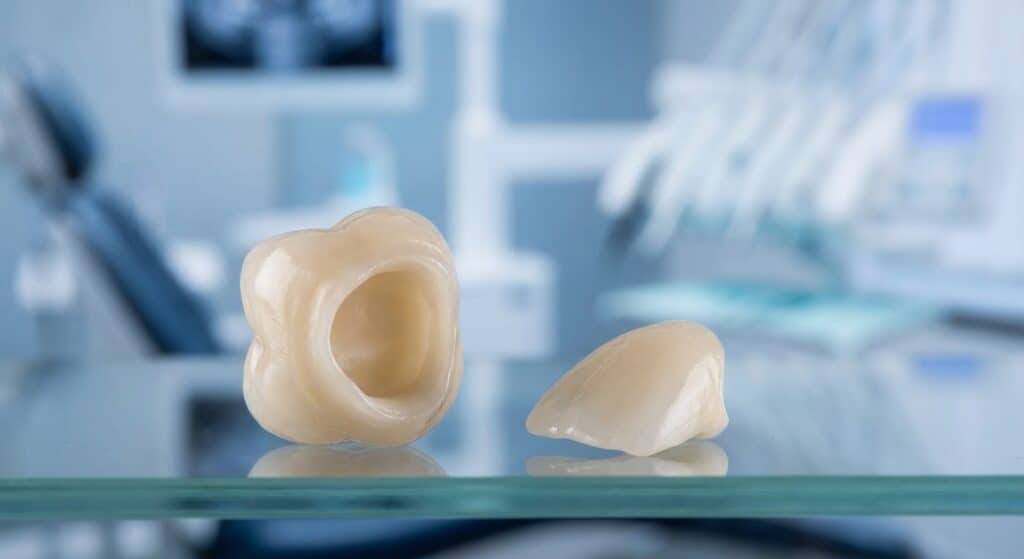

Dental Crowns Veneers Edmonton Options
When considering cosmetic or restorative dental work in Edmonton, understanding the differences between crowns vs. veneers is crucial. These advanced treatments offer distinct solutions for enhancing smile aesthetics and repairing damaged teeth, with local dental professionals providing expert guidance. Deciding between these options involves assessing your specific dental needs and desired outcomes.
Our team in Edmonton is dedicated to helping you navigate your choices, whether you’re seeking to improve the appearance of discolored or misshapen teeth or need to strengthen a weakened tooth. Both dental crowns and veneers are highly effective, but their application and benefits vary.
Exploring your options for dental crowns and veneers in Edmonton allows you to make an informed decision about your oral health and smile. We are committed to providing comprehensive cosmetic dentistry and restorative dentistry services tailored to your unique situation.
What Are Dental Crowns and Veneers?
Dental crowns and veneers are popular restorative and cosmetic dental treatments designed to improve the appearance and function of teeth. While both can dramatically enhance your smile, they serve different primary purposes and have distinct characteristics. Understanding these differences is key to choosing the right solution for your dental needs.
| Feature | Dental Crowns | Dental Veneers |
|---|---|---|
| Purpose | To cover, protect, and restore the shape, size, and strength of a damaged or weak tooth. Often used after root canals, for severe decay, or to support a dental bridge. | To improve the appearance of teeth, covering minor imperfections like chips, stains, or slight misalignments. Primarily a cosmetic solution. |
| Material | Can be made from porcelain, ceramic, metal alloys, or a combination (e.g., porcelain-fused-to-metal). | Typically made from thin shells of porcelain or composite resin. |
| Coverage | Covers the entire visible portion of the tooth above the gum line. | Covers only the front (facial) surface of the tooth. |
| Durability | Very durable and can last for 10-15 years or more with proper care. Provide significant structural support. | Durable, especially porcelain veneers, which can last 5-10 years or more. They are less structurally reinforcing than crowns. |
| Preparation | Requires significant removal of tooth enamel to make space for the crown. | Requires minimal removal of tooth enamel, often just a thin layer from the front surface. |
| Comparison | While both can enhance a smile, dental crowns offer more extensive restoration than veneers. | Veneers are primarily for cosmetic improvements, addressing surface-level issues. |
Choosing between these options depends on the condition of your tooth and your aesthetic goals. For significant damage or weakness, a crown offers robust protection, while veneers provide a more conservative aesthetic enhancement for minor imperfections. We offer comprehensive cosmetic dentistry and restorative dentistry to address all your smile concerns. Learn more about cosmetic dental crowns and their benefits.
Benefits of Crowns and Veneers in Edmonton
For residents in Edmonton, both dental crowns and veneers offer transformative benefits, significantly improving both the aesthetics and functionality of your smile. Our team has extensive experience in delivering these advanced restorations, helping countless patients regain confidence and enjoy optimal oral health.
- Enhanced Aesthetics: Both crowns and veneers can correct discoloration, chips, cracks, and minor misalignments, creating a brighter, more uniform, and attractive smile.
- Restored Strength and Function: Crowns are particularly effective at reinforcing weakened teeth, restoring their structural integrity, and allowing for normal chewing and biting.
- Increased Confidence: A beautiful, healthy-looking smile can dramatically boost self-esteem and improve social interactions.
- Long-Term Solution: With proper care and maintenance, both crowns and veneers are durable restorations that can last for many years.
- Protection for Damaged Teeth: Crowns offer a protective cap for teeth that are severely decayed, worn down, or damaged, preventing further deterioration.
We pride ourselves on achieving natural-looking results that our patients love, as evidenced by our smile gallery and patient testimonials for more. Our commitment to quality ensures that your experience with cosmetic dentistry and restorative dentistry in Edmonton is exceptional. For those experiencing jaw pain, exploring options like dental Botox for TMJ can also provide relief.
Improved Aesthetics and Smile Makeovers
The primary allure of both crowns and veneers lies in their ability to dramatically enhance your smile’s appearance. For those dealing with persistent stains, chips, or minor imperfections, these treatments offer a pathway to a flawless smile. We meticulously craft each restoration to blend seamlessly with your natural teeth, ensuring a beautiful and harmonious result. Additionally, for patients experiencing discomfort, exploring options like botulinum toxin for dental pain may offer relief.
Restoring Damaged or Weakened Teeth
When teeth are compromised by decay, fractures, or wear, their structural integrity is often threatened. Dental crowns excel in these situations, encasing the damaged tooth to restore its strength, shape, and function. This prevents further damage and allows you to eat and speak with confidence, utilizing our expertise in restorative dentistry and exploring options like dentures if needed, as detailed in our guide to Alberta denture costs for more.
Long-Term Durability and Confidence
Investing in dental crowns or veneers provides a lasting solution for dental concerns. With diligent oral hygiene and regular dental check-ups, these restorations can maintain their beauty and function for many years. Understanding the difference between plaque and tartar is key to maintaining healthy gums and supporting your dental work; the confidence gained from a revitalized smile is a profound benefit that enhances overall quality of life.
Are You a Candidate for Crowns or Veneers?
Determining candidacy for dental crowns or veneers involves a thorough assessment by a dental professional. This evaluation ensures that the chosen treatment will provide the best possible outcome for your specific oral health condition and aesthetic desires. Our team in Edmonton performs detailed examinations to guide you toward the most suitable option. For a comprehensive overview of these procedures, you can explore our guide on veneers vs crowns.
- Overall Oral Health: A prerequisite for both crowns and veneers is good gum health and the absence of active decay or significant periodontal disease.
- Tooth Condition: The extent of damage, decay, or wear on the tooth dictates whether a crown or veneer is more appropriate. Crowns are for more severely compromised teeth, while veneers address surface-level aesthetic issues.
- Jaw Alignment and Bite: Your bite pattern and jaw alignment are assessed to ensure the restoration will function correctly and not cause undue stress.
- Patient Goals and Expectations: We discuss your desired aesthetic outcomes to ensure they are realistic and achievable with the proposed treatment.
- Commitment to Oral Hygiene: Candidates must be willing and able to maintain excellent daily oral hygiene practices to ensure the longevity of the restoration.
If you’re considering cosmetic enhancements or require significant tooth repair, we encourage you to schedule a consultation for more. Understanding your candidacy is the first step towards achieving your dream smile through our comprehensive dental health services.
The Procedure: What to Expect
The process for receiving dental crowns or veneers is carefully managed to ensure comfort and precision. From the initial consultation to the final placement, our team guides you through each stage, demystifying the journey and preparing you for the transformative results. We utilize advanced dental technology to ensure accuracy and efficiency. We also address concerns like stale breath causes and solutions to ensure overall oral health.
- Consultation and Planning: We begin with a thorough examination, discussing your goals and determining the best treatment option. Digital imaging may be used to visualize the potential results.
- Tooth Preparation: For a crown, a significant portion of the tooth enamel is reshaped. For veneers, a minimal amount of enamel is removed from the front surface. Local anesthetic ensures comfort during this stage.
- Impressions: Precise impressions of your prepared teeth are taken, which are then sent to a dental laboratory for the custom fabrication of your crown or veneer. Temporary restorations may be placed while you wait.
- Fitting and Bonding: Once the permanent restoration is ready, it is carefully fitted and adjusted for optimal appearance and bite. It is then permanently bonded to your tooth using specialized dental cement.
- Final Check-up: We ensure you are comfortable and satisfied with the appearance and feel of your new crown or veneer, providing instructions for care.
We strive to make your experience as smooth and comfortable as possible, from your initial contact with our office to the completion of your treatment.
Crowns vs. Veneers vs. Bonding
When considering cosmetic dental treatments to improve your smile, dental crowns, veneers, and bonding are often discussed. Each offers unique advantages and
Maintaining Your New Smile: Care and Longevity
Ensuring the longevity and beauty of your dental crowns and veneers requires consistent care and attention. Proper daily hygiene practices, combined with regular professional dental check-ups, are essential for preserving the integrity and appearance of your restored smile. Our goal is to help you maintain your results for years to come.
- Regular Brushing: Brush your teeth gently twice a day using a soft-bristled toothbrush and fluoride toothpaste. Pay attention to the gum line where the restoration meets the tooth.
- Flossing Daily: Floss at least once a day to remove plaque and food particles from between teeth and under the edges of crowns and veneers.
- Avoid Abrasive Toothpastes: Steer clear of abrasive toothpastes or harsh brushing techniques that could potentially scratch or damage the surface of your restorations.
- Mindful Eating Habits: Avoid biting down on very hard objects like ice, candy, or pens. While durable, extreme force can still cause damage.
- Regular Dental Check-ups: Visit your dentist for routine examinations and professional cleanings, typically every six months. These appointments allow us to monitor your restorations and overall oral health.
Adhering to these simple practices, alongside your regular preventative care routine, will help ensure your crowns and veneers remain in excellent condition. Understanding the difference between a dentist and a hygienist can also help you navigate your appointments and ensure you receive the right care from a dental professional for more. Our focus on dental hygiene supports long-term oral health.
Protecting Against Wear and Tear
While dental restorations are designed for durability, protecting them from excessive wear is key. This includes being mindful of habits like teeth grinding (bruxism) or chewing on hard objects. If bruxism is a concern, we may recommend a custom-fitted night guard to safeguard your investment, and understanding the differences between options like veneers vs crowns can help you make informed decisions about your smile.
The Role of Professional Cleanings
Professional dental cleanings are vital for maintaining the health of your gums and the longevity of your restorations. Our hygienists can reach areas that are difficult to clean at home, removing plaque and tartar buildup that could compromise your gums and the margins of your crowns or veneers. Understanding the difference between plaque and tartar can help you maintain better oral hygiene; our guide on plaque vs tartar explains this further.
Dietary Considerations
Certain dietary choices can impact the appearance and integrity of your dental work. Limiting consumption of staining foods and beverages, such as coffee, tea, red wine, and dark berries, can help maintain the brightness of veneers. For crowns, avoiding excessively hard foods reduces the risk of chipping or fracture, and understanding the causes of jaw pain can also be beneficial for overall oral health.
Cost of Dental Crowns and Veneers Edmonton
The investment in dental crowns and veneers in Edmonton can vary based on several factors, including the materials used, the complexity of the case, and the specific dental practice. Our team is committed to providing transparent pricing and discussing all available options to make these transformative treatments accessible.
Understanding the costs associated with cosmetic dentistry and restorative dentistry is an important part of the decision-making process. We encourage patients to explore their financing options and insurance benefits, and to learn more about potential causes of tooth sensitivity for more.
For personalized cost estimates and to discuss your treatment plan, we invite you to schedule a consultation. We are dedicated to helping you achieve your smile goals within your budget.
Achieve Your Dream Smile Today
Dental crowns and veneers offer remarkable solutions for enhancing your smile’s appearance and restoring its function. Whether you are seeking to correct aesthetic imperfections or repair damaged teeth, these advanced treatments can provide lasting results and boost your confidence.
Our experienced dental professionals in Edmonton are passionate about helping you achieve your ideal smile. We encourage you to take the next step and explore how dental crowns or veneers can transform your oral health and overall appearance.
Ready to begin your smile transformation? Contact us today to schedule a consultation and discover the best options for your unique needs. We look forward to welcoming you to our practice and helping you achieve the smile you’ve always dreamed of. If you’re considering cosmetic enhancements, our guide to cosmetic dental procedures can help you understand your choices.
Frequently Asked Questions
| Question | Answer |
|---|---|
| How long do dental crowns and veneers typically last? | With proper care, dental crowns can last 10-15 years or more, while porcelain veneers typically last 5-10 years or more. Regular dental check-ups and good oral hygiene are crucial for longevity. |
| Is the procedure for crowns or veneers painful? | The procedures are generally not painful. Local anesthesia is used during tooth preparation to ensure patient comfort. Most patients experience minimal discomfort during and after the treatment. |
| Can I choose the shade and shape of my crown or veneer? | Yes, shade selection is a critical part of the process. Our dental team works with you to choose a color that matches your natural teeth or achieves your desired aesthetic outcome. The shape can also be customized to enhance your smile. |
| Do crowns and veneers require special cleaning? | They do not require special cleaning beyond standard daily brushing and flossing. It’s important to use a soft-bristled brush and fluoride toothpaste and to clean gently around the gum line. |
| What is the main difference between crowns and veneers? | The main difference lies in coverage and purpose. Crowns cover the entire tooth structure above the gum line to restore strength and function, often for significantly damaged teeth. Veneers are thin shells bonded to the front surface of teeth primarily to improve aesthetics by masking minor imperfections. For more details on these options, see our guide to Edmonton crowns & veneers. |