
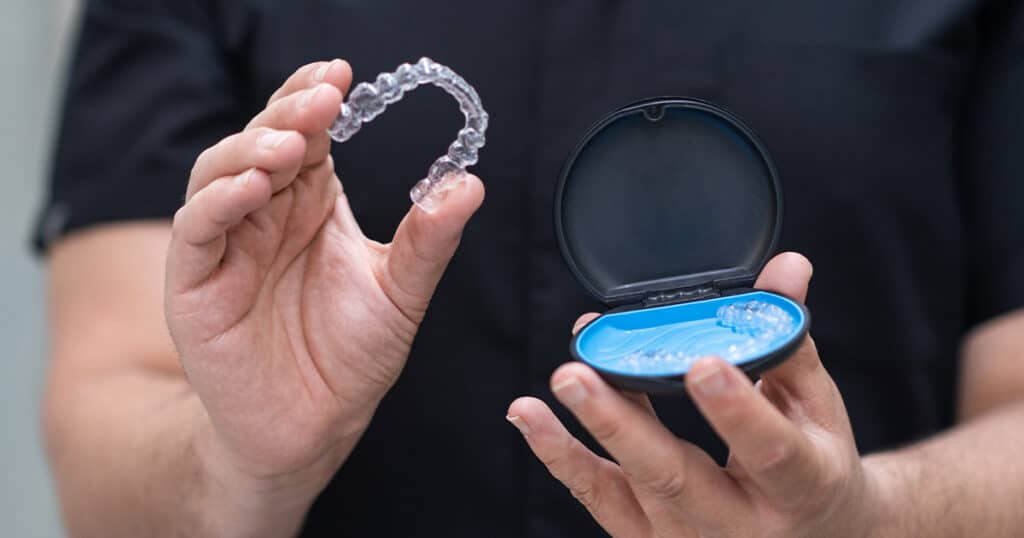

Understanding Mouthguard Night Sleep
Many individuals wonder about the role and effectiveness of a mouthguard night sleep. These devices are primarily designed to protect your teeth from damage during sleep, rather than for orthodontic purposes like straightening teeth. Understanding their true function is key to appreciating their value in maintaining oral health.
A night mouthguard serves as a crucial barrier, shielding your teeth from the harmful effects of grinding or clenching, a condition often referred to as bruxism. While not an orthodontic tool, its protective capabilities are vital for preventing wear and tear on your dental enamel. This proactive measure can save you from future dental complications, and for cosmetic enhancements, you might consider learning about dental veneer costs and benefits for more.
This guide aims to clarify common misconceptions surrounding night mouthguards and delve into their essential protective role. By understanding what a mouthguard night sleep truly entails, you can better assess its potential benefits for your specific oral health needs and make informed decisions about your dental care.
What is a Mouthguard for Night Sleep?
A mouthguard for night sleep is a custom-fitted or over-the-counter device worn while sleeping to prevent damage from teeth grinding or clenching. If you’re experiencing symptoms of bruxism, it’s important to explore solutions like bruxism treatment to protect your teeth.
A mouthguard for night sleep is a custom-fitted or prefabricated dental appliance designed to be worn while sleeping. Its primary purpose is to create a protective barrier between the upper and lower teeth. This barrier helps to shield your teeth from damage caused by grinding or clenching during sleep, a condition often referred to as bruxism.
These devices are specifically engineered to absorb the forces generated by bruxism, preventing wear and tear on your enamel. While they are often confused with sports mouthguards, a mouthguard night sleep is tailored for nocturnal protection and is not intended for use during athletic activities. Understanding the distinct types available can help you choose the most effective solution for your needs, and learning about bruxism treatment can offer further relief.
| Feature | Custom-Fitted Mouthguards | Over-the-Counter (OTC) Mouthguards |
|---|---|---|
| Fit and Comfort | Professionally crafted by a dentist to precisely match the contours of your mouth, offering superior comfort and fit. | Boil-and-bite or pre-formed, these are less precise and may require trimming. Comfort can vary significantly. |
| Protection Level | Offer the highest level of protection against grinding and clenching due to their precise fit and durable materials. | Provide basic protection but may not be as effective for severe bruxism or may cause jaw discomfort. |
| Durability | Generally more durable and longer-lasting due to high-quality materials and professional construction. | Can wear down more quickly, especially with heavy grinding, and may need frequent replacement. |
| Cost | Higher initial cost, reflecting the custom nature and professional expertise involved. | Significantly less expensive upfront, making them an accessible option for many. |
| Availability | Requires a dental visit and professional fitting. | Readily available at pharmacies, drugstores, and online retailers. |
The Purpose of Mouthguard Night Sleep: Protection, Not Teeth Straightening
Mouthguards are essential for protecting your teeth from damage caused by grinding or clenching, especially during sleep. While they don’t straighten teeth, they play a crucial role in maintaining oral health. If you’re considering options, understanding the differences between custom-fitted and over-the-counter mouthguards is key to making an informed decision about your dental care.
Mouthguards are essential for protecting your teeth from damage caused by grinding or clenching, especially during sleep. While OTC options offer basic protection, custom-fitted mouthguards provide superior comfort and effectiveness for individuals experiencing bruxism. For more information on managing dental health, explore our guide to protecting your smile with mouthguards for more.
Mouthguards are essential for protecting your teeth and jaw from the damaging effects of teeth grinding and clenching, a condition known as bruxism. While OTC options offer basic protection, a custom-fitted mouthguard provides superior comfort and defense, addressing the specific needs of your bite and jaw. If you’re experiencing symptoms of bruxism, understanding the benefits of professional dental care can lead to better oral health outcomes and relief from jaw pain, as detailed in our guide to TMJ symptoms and causes for more.
A mouthguard for night sleep is primarily designed to protect your teeth from damage, not to realign them. While some people might mistakenly believe that wearing a night guard could lead to teeth straightening, this is not its intended function. Instead, these devices act as a crucial barrier against various forms of dental harm that can occur while you sleep.
The main goal of a mouthguard night sleep is to prevent issues arising from grinding and clenching your teeth. This subconscious activity, known as bruxism, can exert significant force on your teeth and jaw. A well-fitted mouthguard absorbs this impact, safeguarding your oral structures from excessive wear and tear. For more information on managing this condition, explore our guide to bruxism treatment.
Several common dental problems can be effectively prevented or mitigated by using a mouthguard at night. These issues often stem from nocturnal bruxism or other habits that put undue stress on the teeth and surrounding tissues. Understanding these potential problems highlights the essential protective role of a night mouthguard.
- Enamel wear and erosion: The hard outer layer of your teeth, enamel, can be significantly worn down by constant grinding, leading to sensitivity and increased risk of decay.
- Tooth chipping and cracking: The immense pressure from clenching can cause teeth to chip or even crack, potentially requiring extensive dental treatment.
- Jaw joint pain and TMJ disorders: Bruxism can strain the temporomandibular joint (TMJ), leading to pain, clicking sounds, and difficulty opening or closing the mouth.
- Tooth sensitivity: As enamel erodes, the underlying dentin is exposed, making teeth more sensitive to hot, cold, and pressure.
- Damage from teeth grinding (bruxism): This is the overarching issue that a mouthguard night sleep directly addresses, preventing the destructive cycle of grinding that harms teeth and jaw structures.
Who Needs a Mouthguard for Night Sleep?
Understanding the causes and symptoms of bruxism is the first step toward finding relief. If you experience jaw pain, headaches, or notice increased tooth wear, it’s important to consult with a dental professional. They can diagnose the issue and recommend appropriate treatments, such as a custom-fitted mouthguard, to protect your teeth and alleviate discomfort. For more information on jaw pain and its causes, you can explore TMJ disorders symptoms and causes.
Not everyone requires a mouthguard for night sleep, but certain signs and symptoms can indicate a need for one. If you experience discomfort upon waking or notice damage to your teeth, it’s wise to consider this protective measure. A consultation with a dental professional can help determine if a mouthguard is the right solution for your specific situation. Understanding these indicators is the first step toward safeguarding your oral health.
Identifying the signs that suggest a need for a mouthguard is crucial for preventing further dental issues. These symptoms often point to conditions like bruxism, or teeth grinding, which can occur unconsciously during sleep. Addressing these issues promptly can save you from more significant problems down the line. Learning to recognize these signals is key to proactive dental care, and exploring options for bruxism treatment can offer relief.
Several indicators might suggest that you would benefit from a mouthguard for night sleep. These signs range from physical discomfort to visible damage to your teeth and jaw. Paying attention to these cues can help you decide if seeking professional advice about a night guard is necessary. Early detection and intervention are vital for maintaining healthy teeth and a comfortable jaw.
- Jaw Pain or Soreness. Waking up with a stiff or aching jaw is a common sign that you might be clenching or grinding your teeth during sleep. This discomfort can radiate to other areas of the face and head.
- Worn or Damaged Teeth. Noticeable chips, flattened surfaces, or worn enamel on your teeth are often direct results of grinding. Over time, this can lead to increased sensitivity and structural weaknesses.
- Frequent Headaches. If you frequently wake up with tension headaches, especially around your temples, it could be linked to the strain on your jaw muscles from grinding or clenching.
- Teeth Grinding Sounds. If your partner or family members report hearing loud grinding or clenching noises while you sleep, it’s a strong indication of nocturnal bruxism.
- Tooth Sensitivity. An increase in tooth sensitivity, particularly to hot or cold temperatures, can be a consequence of enamel wear caused by grinding.
- Tight or Fatigued Jaw Muscles. You might feel a persistent tightness or fatigue in your jaw muscles, making it difficult to open or close your mouth comfortably.
For instance, having worked with residents in various communities for many years, our team has learned that persistent jaw discomfort is often linked to nocturnal bruxism. This condition, where individuals grind or clench their teeth unconsciously during sleep, can lead to a range of dental problems if left unaddressed. Recognizing these symptoms is the first step toward finding relief and protecting your teeth, and you can learn more about stopping teeth grinding.
Choosing the Right Mouthguard Night Sleep
Selecting the correct mouthguard for night sleep is crucial for effective protection and comfort. Several factors come into play, including whether you opt for a custom-fitted device or an over-the-counter option, the materials used, and how well it fits your individual needs. Understanding these elements will help you make an informed decision for your oral health, similar to how understanding the benefits of a dental crown can improve your smile.
Custom vs. Over-the-Counter Options
The primary distinction in night mouthguards lies between custom-fitted and over-the-counter (OTC) varieties. Custom mouthguards are fabricated by dental professionals based on an impression of your teeth, ensuring a precise and comfortable fit. This personalized approach can significantly enhance effectiveness and reduce potential irritation.
Over-the-counter mouthguards, while more accessible and affordable, are typically one-size-fits-all or can be molded at home. While they offer immediate protection, their fit may not be as secure, and they can sometimes feel bulky or cause discomfort during sleep. For those seeking the best protection against bruxism and related issues, a custom mouthguard is often recommended by dental professionals, and understanding the difference between treatments like dental cleaning vs whitening can also be beneficial.
Material Considerations
The materials used in night mouthguards directly impact their durability, comfort, and effectiveness. Common materials include soft plastics, hard plastics, or a combination of both. Soft guards are generally more comfortable and suitable for mild grinding, while hard guards offer greater durability for more severe cases of bruxism.
Some mouthguards are made from dual-laminate materials, combining a soft inner layer for comfort with a hard outer layer for durability. When considering materials, think about your specific needs. If you have a sensitive gag reflex, a thinner, more flexible material might be preferable. For heavy teeth grinding, a more robust material is essential to prevent the guard from wearing down quickly, and to avoid issues like a stale mouth meaning.
Comfort and Fit
A well-fitting mouthguard is crucial for comfort and effectiveness, especially for those experiencing bruxism treatment and clenching.
Ultimately, the most effective mouthguard for night sleep is one that you will wear consistently. Comfort and a proper fit are paramount to ensuring you don’t remove the guard during the night or avoid wearing it altogether. A well-fitting mouthguard should feel secure without being too tight, and it should not impede your breathing or speech excessively.
When evaluating comfort and fit, consider the following:
- Edge smoothness: Rough edges can cause irritation to the gums and cheeks.
- Thickness: An overly thick guard can feel cumbersome and affect sleep quality.
- Retention: The guard should stay in place without needing to be clenched.
- Coverage: Ensure the guard adequately covers the biting surfaces of your teeth.
If an over-the-counter mouthguard does not provide a comfortable fit, it is advisable to consult with a dental professional to explore custom options. A proper fit is essential for preventing dental damage and ensuring a restful night’s sleep, making the investment in a well-fitting mouthguard a wise choice for long-term oral health. For more information on protecting your smile, consider exploring our resources on bruxism treatment and early canine development.
Benefits of Using a Mouthguard Night Sleep
Consistently using a mouthguard designed for nighttime wear offers a range of significant advantages for your oral health and overall well-being. These protective devices are crucial for individuals experiencing issues like bruxism (teeth grinding or clenching) during sleep, preventing a host of dental problems before they start.
The primary role of a mouthguard night sleep is to create a physical barrier between your upper and lower teeth. This barrier prevents direct contact, thereby mitigating the damaging effects of grinding and clenching. This protective action is fundamental to maintaining the integrity of your smile, and you can learn more about soothing the storm of bruxism.
- Prevents Tooth Damage: A mouthguard effectively shields your teeth from the excessive force associated with grinding and clenching, preventing chips, cracks, and fractures.
- Reduces Jaw Strain: By cushioning the impact of nocturnal bruxism, it alleviates strain on the jaw muscles and the temporomandibular joint (TMJ), potentially reducing associated pain and discomfort.
- Protects Enamel: The hard outer layer of your teeth, enamel, is vital for dental health. A mouthguard prevents excessive wear on this crucial protective layer, preserving your teeth’s natural strength and appearance.
- Alleviates Headaches and Facial Pain: Many individuals who grind their teeth at night experience tension headaches or facial pain. A night mouthguard can help reduce the muscle tension contributing to these symptoms.
- Improves Sleep Quality: By reducing the discomfort and pain often associated with teeth grinding, a mouthguard can lead to more restful and uninterrupted sleep, enhancing your overall quality of life.
Investing in a mouthguard for night sleep is a proactive step towards safeguarding your dental health. It addresses the damaging consequences of nocturnal bruxism and contributes to a healthier, more comfortable sleep experience. For personalized advice on the best mouthguard options for your specific needs, consulting with our dental professionals is highly recommended.
Mouthguard Night Sleep: Maintenance and Care
Proper maintenance of your mouthguard night sleep is crucial for its longevity, hygiene, and effectiveness. Regular cleaning prevents the buildup of bacteria and ensures the device remains comfortable and safe to use each night. Neglecting care can lead to unpleasant odors, potential oral health issues, and a reduced lifespan for your mouthguard.
To keep your mouthguard in optimal condition, follow these essential care steps. These practices will help preserve the integrity of the material and ensure it continues to provide the best protection against teeth grinding and clenching during sleep. Adhering to a consistent cleaning routine is as important as wearing the mouthguard itself for overall oral health, and understanding the roles of a dental hygienist vs dentist can also be beneficial.
Daily Cleaning Instructions
- Rinse your mouthguard thoroughly with cool or lukewarm water after each use. Avoid hot water, as it can warp the material.
- Gently brush the mouthguard with a soft-bristled toothbrush and non-abrasive toothpaste. This removes any food particles or plaque, and helps maintain its condition, similar to how you’d care for a tooth needing a dental crown for more.
- Rinse again thoroughly after brushing to remove all traces of toothpaste.
Weekly Deep Cleaning
Once a week, consider a more intensive cleaning to ensure complete hygiene. This can involve soaking the mouthguard in a specialized cleaning solution designed for dental appliances or a mild denture cleaner, which can be helpful if you experience symptoms of tmj disorders. Ensure you follow the product’s instructions carefully.
Storage Guidelines
When not in use, store your mouthguard in a clean, dry, and well-ventilated case. This prevents contamination and damage. Do not wrap it in a paper towel or tissue, as this can lead to breakage or loss. Ensure the case is also cleaned regularly, much like you would maintain your smile after cosmetic procedures such as getting dental veneers.
When to Replace Your Mouthguard
Your mouthguard will eventually need replacing. Factors such as wear and tear, changes in your bite, or damage can indicate it’s time for a new one. If you notice any of these issues, it’s best to consult your dentist about restoring your smile and oral health.
Even with diligent care, mouthguards have a lifespan. Look for signs of wear and tear, such as thinning, tears, holes, or a change in fit. If your mouthguard no longer fits snugly or shows significant damage, it’s time to consider a replacement to ensure continued protection. Discussing replacements with your dental professional is a good practice to maintain optimal defense for your teeth during sleep. Learn more about why you may need a dental crown for more.
The effectiveness of your mouthguard night sleep relies heavily on how well you maintain it. By incorporating these simple cleaning and storage habits into your routine, you can extend the life of your device and ensure it continues to protect your smile effectively. If you have any concerns about the condition or fit of your current mouthguard, seeking professional advice is always recommended.
When to Consult a Dentist About Your Mouthguard Night Sleep
While a mouthguard for night sleep offers significant protection, it’s crucial to know when to seek professional dental advice. Changes in your symptoms, discomfort with the appliance, or new oral health concerns are all valid reasons to schedule an appointment with your dentist. If you’re experiencing persistent jaw pain or headaches, understanding TMJ disorder symptoms and causes can help you communicate effectively with your dentist.
Persistent pain or discomfort that doesn’t subside after initial use of a night guard is a clear indicator that something may be wrong. Your dentist can assess the fit and function of the mouthguard to ensure it’s not causing more harm than good. Ignoring these signals can lead to more complex dental issues down the line, affecting your overall oral health, and potentially exacerbating issues like the causes of tooth sensitivity.
It is also important to consult a dentist if you notice any damage to your mouthguard, such as cracks or chips, as these can become breeding grounds for bacteria or cause injury. Additionally, if you experience increased jaw pain, headaches, or new or worsening symptoms of teeth grinding, a professional evaluation is necessary. They can help determine if the mouthguard is still appropriate or if adjustments are needed.
If your nighttime mouthguard is no longer fitting properly, feels loose, or is causing irritation to your gums or cheeks, it’s time to see your dentist. A poorly fitting mouthguard can be ineffective and potentially harmful. Our team can help ensure your mouthguard for night sleep is functioning optimally.
Regular dental check-ups are essential for maintaining oral health and ensuring your mouthguard night sleep is serving its purpose effectively. During these visits, your dentist can examine your mouthguard, check for any signs of wear or damage, and assess its impact on your dental alignment and bite. This proactive approach helps prevent potential problems before they become serious.
Your Guide to Mouthguard Night Sleep
Understanding the role of a mouthguard night sleep is crucial for safeguarding your oral health. These custom or over-the-counter devices offer vital protection against the damaging effects of teeth grinding and clenching during sleep, ensuring your teeth remain healthy and intact. If you’re experiencing issues with teeth grinding, learning about bruxism treatment can provide further relief.
A mouthguard night sleep acts as a physical barrier, preventing direct contact between your upper and lower teeth. This protective measure is essential for anyone experiencing bruxism, a condition characterized by involuntary grinding or clenching of the teeth. By wearing a mouthguard, you significantly reduce the risk of enamel wear, tooth fractures, and other dental injuries that can occur unknowingly while you sleep.
When considering a mouthguard for night sleep, it’s important to recognize the benefits it offers. These include preventing jaw pain, reducing headaches often associated with bruxism, and protecting existing dental work. Ultimately, a properly fitted mouthguard night sleep is an investment in your long-term dental wellness.
For personalized advice and to determine the best mouthguard solution for your specific needs, consulting with dental professionals is highly recommended. They can assess your condition and guide you towards the most effective type of mouthguard night sleep, offering solutions for bruxism treatment.