
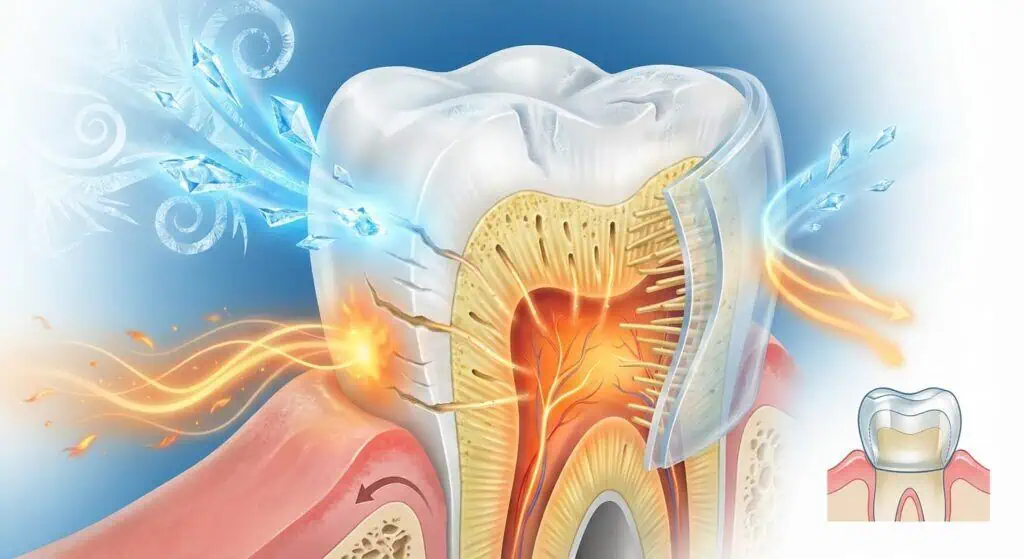

Understanding Exposed Dentin
Exposed dentin is a common dental concern where the protective outer layer of your teeth, enamel, has worn away, revealing the softer layer beneath called dentin. This condition can lead to significant discomfort and increase the risk of further tooth damage.
The dentin layer contains microscopic tubules that lead directly to the tooth’s nerve center. When these tubules are exposed, external stimuli like hot or cold temperatures, sweet or acidic foods, and even physical touch can trigger sharp, sudden pain. For children, understanding the eruption of their first teeth, sometimes referred to as baby fang teeth, is also important for their developing oral health.
Understanding what exposed dentin is and its implications is the first step towards effective management and prevention. Addressing this issue promptly is crucial for maintaining overall oral health and preventing more serious dental problems.
What Causes Exposed Dentin?
Dentin is a porous, calcified tissue that makes up the bulk of a tooth, located beneath the enamel. Unlike enamel, which is the hardest substance in the human body, dentin is softer and more susceptible to wear and damage when exposed. Its structure, containing thousands of microscopic tubules, is responsible for transmitting sensations to the pulp and nerve. For sensitive teeth, exploring tips for managing sensitivity can provide much-needed relief.
| Feature | Enamel | Dentin |
|---|---|---|
| Location | Outermost layer of the tooth crown | Layer beneath enamel and cementum, surrounding the pulp |
| Composition | Highly mineralized (96% inorganic hydroxyapatite crystals) | Less mineralized (70% inorganic hydroxyapatite crystals), with organic collagen and water |
| Function | Provides a hard, protective outer surface for chewing and biting | Provides structural support to enamel, transmits sensory stimuli to the pulp |
| Susceptibility to Damage | Prone to acid erosion and mechanical wear | Softer, more porous, and sensitive to stimuli when exposed |
The primary reason for dentin exposure is the loss of enamel. This can occur through various mechanisms, including aggressive brushing, acidic dietary habits, or conditions like bruxism (teeth grinding). Once enamel is compromised, the underlying dentin becomes vulnerable to irritation and decay.
Recognizing Exposed Dentin Symptoms
Identifying the signs of exposed dentin is essential for seeking timely treatment. Recognizing these symptoms can help prevent further damage and alleviate discomfort. If you are experiencing significant discomfort or decay, consider exploring options for dental crowns to restore your smile.
- Tooth Sensitivity: Sharp, sudden pain triggered by hot or cold beverages, foods, or even cold air.
- Pain with Sweet or Acidic Foods: Aching or throbbing sensation when consuming sugary or acidic items.
- Discomfort When Brushing or Flossing: Pain upon direct contact with the teeth, particularly in areas where enamel may be thinner.
- Visible Tooth Discoloration: Exposed dentin can appear yellowish compared to the white enamel.
- Rough Tooth Edges: In some cases, the edges of teeth may feel rough or chipped due to enamel wear.
Tooth Sensitivity Explained
The hallmark symptom of exposed dentin is tooth sensitivity, often referred to as dentin hypersensitivity. This occurs because the microscopic tubules within the dentin are open pathways to the nerve. When hot or cold fluids, or acidic foods, enter these tubules, they stimulate the nerve endings, resulting in a sharp, quick pain that can be quite startling. For more information on managing this, see our sensitive teeth tips for better oral hygiene.
The Impact of Diet on Dentin Exposure
Diet plays a significant role in the erosion of tooth enamel, which subsequently leads to dentin exposure. Acidic foods and beverages, such as citrus fruits, sodas, and vinegar-based products, can directly attack and dissolve enamel over time. Frequent consumption of these items without adequate oral hygiene practices can accelerate enamel loss, making it crucial to know how to choose a dentist who can guide you on preventative measures.
Oral Hygiene Practices and Dentin Exposure
While good oral hygiene is crucial, improper techniques can paradoxically contribute to dentin exposure. Aggressive brushing, especially with abrasive toothpaste, can wear down enamel over time. Similarly, brushing too soon after consuming acidic foods can further damage weakened enamel. Choosing the right tools and techniques is paramount, and understanding the difference between an electric toothbrush vs manual can be a good starting point.
Common Causes of Dentin Exposure
Several factors can lead to the wearing away of protective enamel, ultimately exposing the sensitive dentin layer. Understanding these causes is key to implementing effective prevention strategies. For instance, understanding the necessity of dental imaging can help in early detection of issues that might lead to dentin exposure, as detailed in our Dental X-Ray Safety Guide.
- Enamel Erosion: This is a gradual process caused by frequent exposure to acids. Acids can come from acidic foods and drinks, stomach acid (due to conditions like acid reflux or bulimia), or even environmental factors.
- Gum Recession: When gums pull away from the teeth, they expose the root surfaces, which are covered by cementum, a softer layer than enamel. Beneath the cementum is dentin, making the root highly susceptible to sensitivity and decay.
- Tooth Grinding (Bruxism): The constant clenching and grinding of teeth, often occurring during sleep, can wear down enamel surfaces, leading to thinning and eventual exposure of dentin.
- Aggressive Brushing: Using a hard-bristled toothbrush or applying excessive pressure while brushing can abrade enamel over time, particularly along the gum line.
- Dental Procedures: While less common, certain dental procedures or the wear and tear of dental restorations can sometimes contribute to enamel thinning or exposure.
Exposed Dentin Treatment Options
Fortunately, various treatments are available to manage the discomfort and address the underlying causes of exposed dentin. These range from at-home care to professional interventions. For instance, if aggressive brushing is the culprit, exploring options like electric vs manual toothbrushes can help mitigate further damage. Understanding the roles of a dentist versus a dental hygienist can also help you get the right care for your specific needs.
- Desensitizing Toothpaste: These toothpastes contain compounds that block the transmission of sensation from the tooth surface to the nerve. Regular use can significantly reduce sensitivity over time.
- Fluoride Treatments: Professional application of high-concentration fluoride varnishes or gels can help strengthen remaining enamel and reduce dentin sensitivity.
- Dental Bonding: For areas where enamel has significantly worn away, a tooth-colored resin material can be applied to cover the exposed dentin and protect the tooth.
- Gum Grafts: If gum recession is the primary cause, a periodontist may perform a gum graft to cover exposed root surfaces, protecting the dentin.
- Root Canal Treatment: In severe cases where sensitivity cannot be managed by other means, a root canal may be recommended to remove the tooth’s nerve and pulp, eliminating pain.
Can Exposed Dentin Be Reversed?
While lost enamel cannot regenerate, the symptoms of exposed dentin can often be managed, and the progression of enamel loss can be slowed or halted. The key is to address the underlying causes and protect the remaining tooth structure. For more information on managing sensitivity, consult our sensitive teeth tips.
For mild cases, diligent oral hygiene, the use of desensitizing toothpastes, and fluoride treatments can help remineralize the dentin surface and reduce sensitivity. In more advanced situations, dental treatments like bonding or sealants can effectively cover the exposed dentin, providing a barrier against stimuli. For more permanent solutions, consider options like veneers vs crowns, which cosmetic solution will perfect your smile.
It’s important to consult with a dental professional to determine the best course of action for your specific situation. They can identify the root cause of the dentin exposure and recommend the most appropriate treatment to restore comfort and protect your teeth’s long-term health.
Preventing Exposed Dentin
Preventing exposed dentin focuses on protecting your tooth enamel and maintaining healthy gums. By adopting good oral hygiene habits and making mindful lifestyle choices, you can significantly reduce your risk.
Our experience serving the Edmonton area has shown that consistent use of soft-bristled toothbrushes significantly reduces gum recession and subsequent dentin exposure. Educating patients on proper brushing techniques and the importance of gentle care is a cornerstone of our preventative approach, especially for those who may experience dental anxiety during treatments.
Mindful Eating Habits
Choosing foods that are beneficial for your teeth and avoiding those that can cause damage is crucial. For instance, acidic foods and drinks can erode enamel, while sugary items feed bacteria that produce harmful acids. Understanding which foods to eat and avoid can make a significant difference in maintaining strong enamel and preventing dentin exposure.
Be conscious of your diet and its impact on your enamel. Limit your intake of acidic foods and beverages like sodas, fruit juices, and sports drinks. If you consume them, do so with meals rather than sipping throughout the day, and rinse your mouth with water afterward. Avoid brushing immediately after consuming acidic items, as this can further damage softened enamel.
Proper Brushing Techniques
Use a soft-bristled toothbrush and gentle, circular motions. Avoid scrubbing vigorously, especially along the gum line, as this can lead to enamel abrasion and gum recession. Ensure you are using a toothpaste that contains fluoride, which helps strengthen enamel and protect against decay. For more on this, see our guide to fluoride and dental health for more.
Regular Dental Check-ups
Visiting your dentist regularly for check-ups and professional cleanings is crucial. Dentists can identify early signs of enamel erosion or gum recession before they become significant problems. They can also provide professional fluoride treatments and offer personalized advice on maintaining optimal oral health, including when you might need to consider a dental crown.
When to See a Dentist
It is advisable to seek professional dental care if you experience persistent tooth sensitivity, pain when eating or drinking, or notice visible signs of enamel wear or gum recession. These symptoms can indicate underlying issues that require prompt attention to prevent further damage.
A dentist can accurately diagnose the cause of your discomfort and recommend the most effective treatment plan. Early intervention is key to managing exposed dentin and safeguarding your long-term oral health. Don’t hesitate to schedule an appointment if you have concerns about your teeth or gums, or consider reading our guide on how to choose a dentist for more.
Ignoring symptoms of exposed dentin can lead to more severe problems such as increased tooth decay, root infections, and even tooth loss. A timely visit to the dental office ensures that you receive the appropriate care to alleviate pain and protect your smile.
Conclusion & Next Steps
Exposed dentin can cause significant discomfort and compromise the health of your teeth. By understanding its causes, recognizing its symptoms, and implementing effective prevention strategies, you can protect your smile.
The journey to managing exposed dentin involves a combination of diligent at-home care, mindful lifestyle choices, and regular professional dental visits. Taking these proactive steps will help preserve your enamel, maintain healthy gums, and ensure lasting oral comfort. This is also important to consider if you experience issues like TMJ symptoms and causes, which can impact your overall oral health.
We encourage you to prioritize your oral health by scheduling regular dental check-ups and discussing any concerns about tooth sensitivity with our team. Taking action today can lead to a healthier, more comfortable smile for years to come.
Frequently Asked Questions
Here you can find answers to common questions regarding exposed dentin, its causes, and how to manage it for optimal oral health. For more detailed information on specific dental concerns, explore our comprehensive oral anatomy and dental problem prevention guide.
| Question | Answer |
|---|---|
| What exactly is exposed dentin? | Exposed dentin occurs when the protective enamel layer of a tooth wears away, revealing the softer layer beneath, called dentin. This can lead to sensitivity and pain. |
| Can exposed dentin be reversed? | While lost enamel cannot grow back, the sensitivity associated with exposed dentin can often be managed and reduced through various treatments and preventative measures. |
| What are the most common causes of dentin exposure? | Common causes include enamel erosion from acidic foods and drinks, gum recession, aggressive brushing, and teeth grinding (bruxism). You can learn more about relieving the consequences of teeth clenching and grinding for more. |
| How can I prevent exposed dentin? | Prevention involves using a soft-bristled toothbrush with gentle techniques, limiting acidic food and drink intake, using fluoride toothpaste, and attending regular dental check-ups. |
| Is tooth sensitivity always a sign of exposed dentin? | Tooth sensitivity can be a primary symptom of exposed dentin, but it can also be caused by other dental issues. A professional dental examination is necessary for an accurate diagnosis. |
