

Night Guards: More Than Protection
Night guards serve a crucial role in safeguarding your oral health, extending beyond mere protection. While commonly associated with preventing damage from grinding, their impact on overall oral well-being is multifaceted. Understanding their true purpose is key to appreciating their value in your dental care regimen.
Many individuals wonder if a night guard can indeed straighten teeth. This article aims to clarify that misconception and delve into the actual benefits and functions of these dental appliances. We will explore what they are, how they work, and what they are not designed to do.
For comprehensive dental care that includes protecting your smile, consider the services offered by our practice. We are dedicated to ensuring your oral health is at its best, whether through preventative measures like bruxism treatment or specialized treatments.
What is a Night Guard?
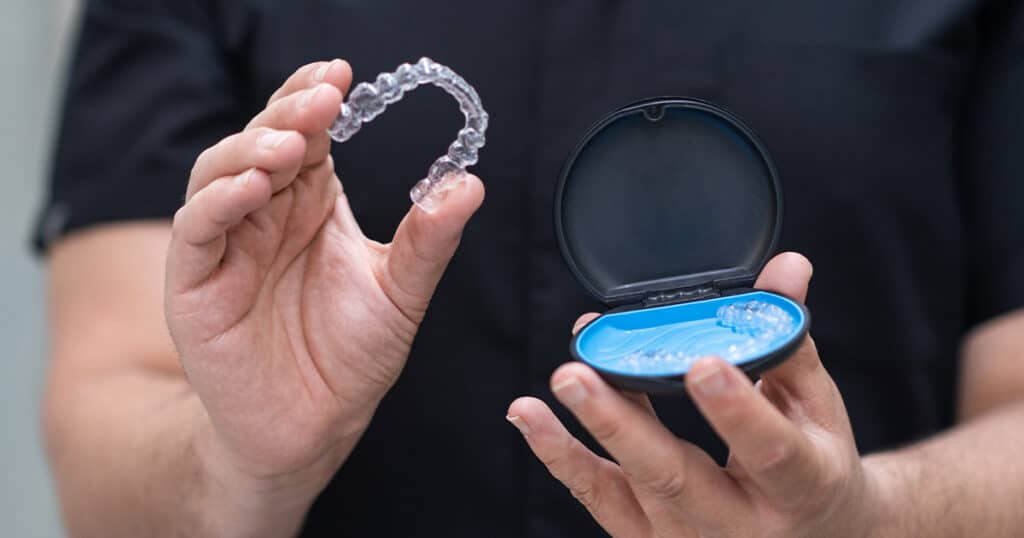
A night guard is a custom-fitted oral appliance designed to be worn during sleep. Its primary function is to create a physical barrier between the upper and lower teeth, preventing direct contact and the associated damage from involuntary grinding or clenching (bruxism).
These guards are typically made from durable materials such as acrylic or hard acrylic, chosen for their resilience and ability to withstand the forces exerted during sleep. Understanding the core function of a night guard is the first step to proper dental care, and knowing about early dental development, such as children’s first dental visits, is also important for parents. For those experiencing jaw pain or muscle strain, exploring options like Botox for dental issues may offer relief.
The table below outlines the primary functions and materials used in creating effective night guards, distinguishing them from other dental appliances.
| Primary Function | Typical Materials |
|---|---|
| Preventing tooth-on-tooth grinding (bruxism) | Hard Acrylic |
| Protecting enamel from wear | Durable Acrylic Resin |
| Reducing jaw muscle strain and pain | BPA-Free Polymers |
| Shielding dental restorations (fillings, crowns) | Custom-Molded Acrylic |
Can Night Guards Straighten Teeth?
It is a common question whether night guards possess the ability to straighten teeth. The short answer is no; night guards are not designed for orthodontic purposes. Their function is protective, not corrective, in terms of tooth alignment. For information on how different dental tools can affect your oral health, consider this article on electric toothbrush vs manual gum recession.
- Protect teeth from damage caused by grinding and clenching.
- Reduce jaw pain and muscle tension associated with bruxism.
- Prevent further wear on tooth enamel.
- Safeguard dental work such as comparing crowns and veneers for more.
The Mechanics of Tooth Movement
Orthodontic treatments, such as braces or clear aligners, are specifically designed to shift teeth into their correct positions over time. Night guards, on the other hand, are primarily for protection and relief from issues like bruxism, which you can learn more about in our guide to TMJ symptoms and causes for more.
Tooth straightening, or orthodontic treatment, relies on applying precise, controlled forces over extended periods to gradually move teeth into a more desirable position. This process involves understanding bone remodeling and root movement, which requires specialized appliances like braces or clear aligners. For patients experiencing discomfort, exploring options like Botox for dental relief may offer additional benefits.
Night Guards: A Protective Barrier
Night guards act as a buffer, absorbing the forces of grinding and clenching. They do not exert the sustained, directed pressure needed to shift teeth. Their design is focused on preventing damage, not on initiating or guiding tooth movement. If you’re looking for a dentist who can help with this, consider our guide on how to choose a dentist, or learn more about Alberta denture costs.
Orthodontic Appliances vs. Night Guards
Orthodontic appliances are engineered for movement. They utilize brackets, wires, or precisely shaped aligners to apply consistent force to specific teeth, encouraging them to move. A night guard, conversely, is passive and aims to stop forces, not to generate them for repositioning teeth. If you are considering options for clear aligner treatment, consulting a dental professional is essential.
Why Night Guards Don’t Straighten Teeth
The fundamental design and purpose of night guards make them entirely unsuitable for straightening teeth. They are built to resist force, not to generate the specific, controlled pressures required for orthodontic correction. If you are concerned about teeth grinding, it’s important to understand the safety protocols around diagnostic tools like dental x-rays, which can help identify underlying issues. For information on early dental development, you can consult our baby fang teeth first eruption guide. Understanding the difference between plaque and tartar is also crucial for overall oral health, as preventing gum disease is key. For more information on this topic, please see our plaque vs tartar guide for more.
- Lack of Controlled Force: Night guards are passive. They do not have the mechanisms to apply the targeted, continuous forces needed to move teeth.
- Passive Design: Their primary role is to cushion and prevent contact, acting as a shield rather than an active agent for repositioning.
- Not Intended for Movement: They are manufactured to protect teeth from the destructive forces of grinding and clenching, not to manipulate their position within the jaw.
Risks of Using Night Guards for Straightening
Attempting to use a night guard for teeth straightening can lead to unintended and potentially harmful consequences. Since they are not designed for this purpose, their use in such a manner can disrupt the natural bite and cause discomfort. For proper alignment, consider exploring options like clear aligners in Edmonton, which are specifically designed for teeth movement, or consult with a professional about the differences between a dentist vs hygienist. Understanding how to properly care for your teeth is also crucial, and comparing an electric vs manual toothbrush can help you make informed decisions about your oral hygiene routine. For more information on dental restorations, you can review our article on crowns vs veneers.
- Altered Bite: Improper use could inadvertently change your natural bite pattern, leading to discomfort or jaw problems.
- Jaw Discomfort: Using a device not meant for tooth movement can put unnatural stress on the temporomandibular joint (TMJ), causing pain and dysfunction.
- Tooth Damage: While designed to prevent damage from grinding, misusing a night guard could potentially lead to uneven pressure, increasing the risk of tooth sensitivity or damage.
- Ineffectiveness: Most significantly, you will not achieve the desired teeth straightening results, leading to wasted time and potential complications.
Alternatives for Straightening Your Teeth
If you are looking for effective teeth straightening solutions, there are several options available that are specifically designed for this purpose. These include clear aligners like Invisalign, which offer a discreet and comfortable way to achieve a straighter smile. For more complex alignment issues or when considering other cosmetic enhancements, exploring options such as porcelain veneers or dental crowns might be beneficial. It is always recommended to discuss your specific needs with a dental professional to determine the best course of treatment for your smile, and you can learn more about crowns versus veneers for your smile.
For those seeking to straighten their teeth, a variety of effective orthodontic treatments are available. These options are specifically designed to safely and efficiently move teeth into their correct positions, addressing alignment concerns and improving both aesthetics and function.
Professional orthodontic solutions include traditional braces, ceramic braces, lingual braces, and clear aligner systems like Invisalign. Each method is tailored to different needs and preferences, ensuring a personalized approach to achieving a straighter smile. Consulting with a dental professional can help determine the best orthodontic treatment for you.
When to Consult a Dentist
It is advisable to consult a dentist if you experience any signs of teeth grinding, jaw pain, or if you are considering options for improving your smile’s alignment. Persistent discomfort, noticeable wear on your teeth, or a desire for a straighter smile are all valid reasons to seek professional guidance.
A dental examination can identify issues like bruxism and determine if a night guard is necessary for protection. Furthermore, if your goal is to straighten teeth, your dentist can assess your situation and discuss appropriate orthodontic treatments. Don’t hesitate to reach out to our dental team for an evaluation.
Night Guards vs. Orthodontic Treatments
Night guards and orthodontic treatments serve entirely different purposes in dental care. While both are important for oral health, they address distinct issues and employ unique mechanisms.
“Night guards are designed for protection, not orthodontic correction. If you’re seeking to straighten teeth, consult a dental professional for appropriate treatment options.”
Orthodontic treatments, such as braces or aligners, are specifically engineered to move teeth into their proper alignment, correcting bite issues and improving aesthetics. Night guards, on the other hand, are protective devices that prevent damage from grinding and clenching. Understanding this distinction is vital for choosing the right dental intervention for your needs, whether it’s for cosmetic enhancements like veneers or crowns or for functional protection. If you’re unsure about where to start, consider how to choose a dentist who can guide you through these decisions, and learn more about electric toothbrush vs. manual care for gum recession.
Key Night Guard Benefits
Wearing a professionally fitted night guard offers several significant benefits, primarily centered around protecting your teeth and alleviating discomfort associated with involuntary grinding and clenching. For those who experience significant discomfort or anxiety related to dental treatments, exploring options for managing dental anxiety can be a crucial step towards maintaining oral health.
- Prevents Enamel Wear: Protects your tooth enamel from being ground down by bruxism.
- Reduces Jaw Pain: Eases muscle tension and pain in the jaw and surrounding facial muscles.
- Protects Dental Work: Safeguards existing dental restorations like crowns, fillings, and veneers from damage.
- Minimizes Tooth Sensitivity: By preventing enamel erosion, it can help reduce tooth sensitivity to hot and cold.
- Prevents Headaches: Can alleviate tension headaches often triggered by nocturnal bruxism.
Night Guard & Teeth Straightening Truth
While orthodontic treatments focus on alignment, night guards address issues like bruxism. If you’re considering teeth straightening, it’s important to understand how these treatments differ and which might be best for your situation. For more information on choosing the right dental professional, consider our guide to choosing a dentist for more.
The truth is that night guards are not designed to straighten teeth. Their purpose is strictly protective, shielding your teeth from the damaging effects of grinding and clenching. If you are looking to align your teeth, orthodontic treatments are the appropriate solution.
For personalized advice and to explore your options for protecting your smile or achieving alignment, we encourage you to consult with our dental professionals. They can guide you toward the most effective dental services for your specific needs.
Night Guards vs. Orthodontic Treatments
It’s important to distinguish between night guards and orthodontic treatments like braces or clear aligners. While both are dental appliances, their functions and goals are vastly different. A night guard primarily serves to protect teeth from damage caused by grinding or clenching, a condition known as bruxism, and for more severe damage, you might need to explore options like a dental crown. Understanding the safety of diagnostic tools like dental x-rays is also crucial for your overall oral health. When seeking professional dental care, consider how to choose a dentist who can best address your specific needs.
| Feature | Night Guard | Orthodontic Treatment (Braces/Aligners) |
|---|---|---|
| Purpose | Protection against grinding/clenching (bruxism) | Straightening teeth, correcting bite issues |
| Mechanism | Passive barrier, absorbs force | Active force application for tooth movement |
| Outcome | Prevents tooth damage, reduces pain | Alters tooth position, improves alignment |
| Design | Custom-fit for comfort and protection | Engineered for controlled tooth movement |
Conclusion: Your Smile’s Best Path
In conclusion, night guards are invaluable tools for protecting your teeth from the damaging effects of bruxism, offering significant relief from jaw pain and preserving your oral health. However, they are not orthodontic devices and cannot straighten your teeth.
For any concerns regarding teeth alignment or straightening, it is essential to seek the expertise of dental professionals who can recommend appropriate orthodontic treatments. Understanding the distinct roles of these dental appliances ensures you pursue the correct path for maintaining and enhancing your smile’s health and appearance. It’s important to know the difference between a dentist and a hygienist, as each plays a unique role in your oral care, and understanding the dentist vs hygienist roles explained can help clarify this.
If you believe you might benefit from a night guard or are interested in orthodontic solutions, please do not hesitate to contact us at Heritage Dental Centre. We are dedicated to providing comprehensive relief for TMJ symptoms and causes tailored to your unique needs.
Frequently Asked Questions
Here are some common questions about night guards and teeth straightening. We aim to provide clear answers to help you understand your dental health options better. For cosmetic improvements, you might also consider learning about dental veneers for more.
| Question | Answer |
|---|---|
| Can a night guard move teeth? | No, night guards are designed for protection against grinding and clenching, not for moving teeth. Orthodontic appliances like braces or aligners are used for teeth straightening, and you can learn more about clear aligners for a straighter smile. |
| What is the main benefit of a night guard? | The main benefit is protecting your teeth from damage caused by bruxism (grinding or clenching), preventing enamel wear, and reducing jaw pain. |
| Are night guards custom-made? | Yes, for optimal comfort and effectiveness, custom-fitted night guards are recommended and are typically made by dental professionals. |
| How long should I wear a night guard? | If prescribed for bruxism, you will likely need to wear your night guard every night. Your dentist will advise on the duration based on your specific condition. |
| Can I use a night guard if I have braces? | Generally, night guards are not used with traditional braces. If you have concerns about grinding while undergoing orthodontic treatment, discuss it with your orthodontist. |