
Understanding Dental Benefits: Use It or Lose It
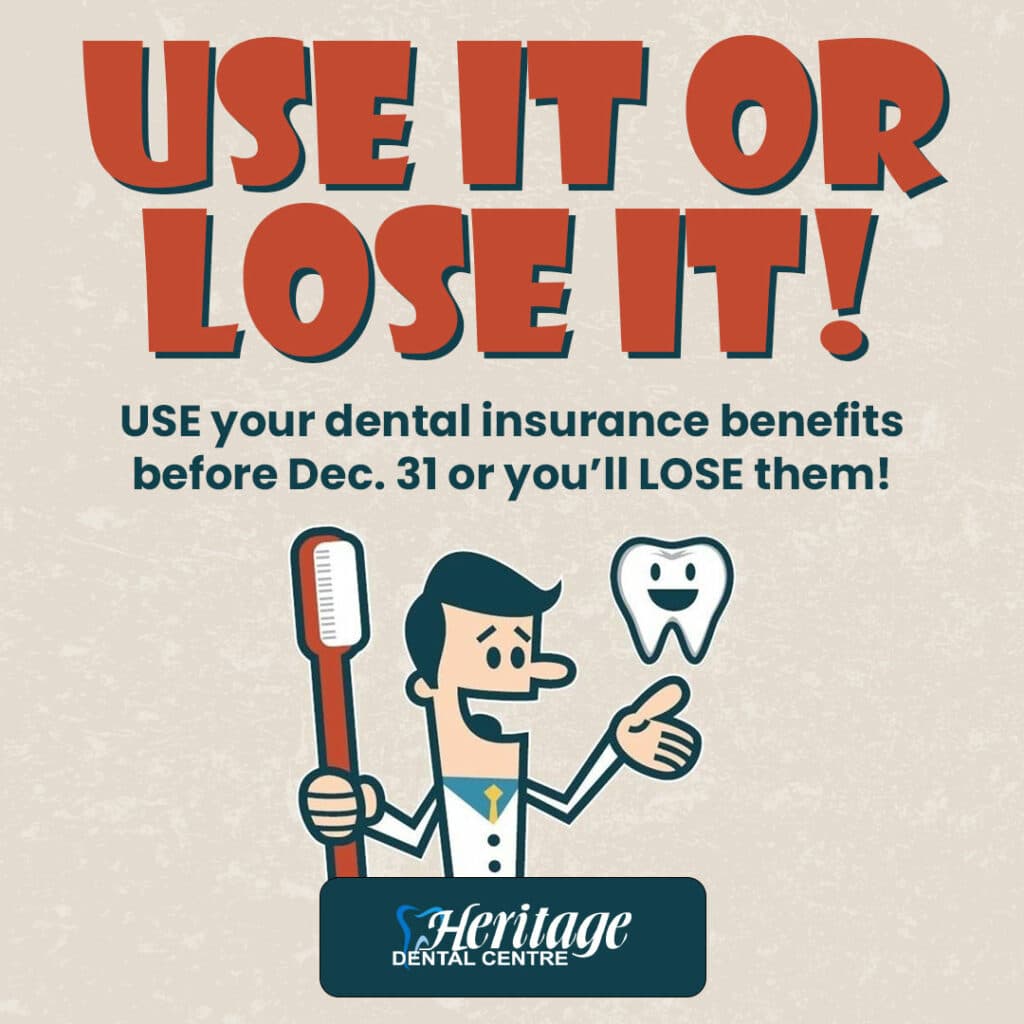
Dental insurance plans often come with a “use it or lose it” clause, which means that any unused benefits at the end of the plan year will expire. Understanding this concept is crucial for maximizing your oral health investments and ensuring you receive the full value of your dental coverage. Proactive management of your benefits can prevent unexpected out-of-pocket expenses and encourage consistent, preventive dental care.
This principle is a key aspect of many employer-sponsored and individual dental plans. Failing to utilize these benefits can lead to missed opportunities for essential dental treatments and hygiene appointments, ultimately impacting both your oral health and your finances. Familiarizing yourself with your specific plan details is the first step toward effective benefit utilization.
Our team at Heritage Dental Centre is dedicated to helping patients navigate their dental coverage, ensuring they understand how to make the most of their benefits. We encourage you to explore resources like our guide on navigating your dental insurance plan to better manage your oral healthcare needs, and consider our advice on how to choose a dentist for more.
What ‘Use It or Lose It’ Means for Dental Coverage
The term ‘use it or lose it’ in dental insurance policies signifies that your annual maximum benefit allowance, or a portion thereof, resets each year. If you don’t use the allocated funds for eligible dental services by the plan’s renewal date, those remaining benefits are typically forfeited. This contrasts with plans that might offer a rollover option, allowing a limited amount of unused benefits to carry over to the next year, though this is less common.
Understanding this expiration policy is vital for financial planning and ensuring you receive necessary dental care without incurring additional costs. It serves as a motivator to schedule appointments and address any pending treatments before the year concludes. For a deeper dive into plan types, you can review our information on cosmetic dental procedures for more.
| Feature | ‘Use It or Lose It’ Policy | Rollover Benefit Policy |
|---|---|---|
| Benefit Expiration | Unused benefits expire at the end of the plan year. | A portion of unused benefits can be carried over to the next year. |
| Financial Impact | Potential forfeiture of allocated funds if not used. | Reduced risk of losing benefits, potential for smoother long-term care planning. |
| Encourages | Timely utilization of annual benefits for immediate needs. | Consistent care throughout the year, with flexibility for unexpected treatments. |
| Commonality | More prevalent in many standard dental plans. | Less common, often with specific limits on the rollover amount. |
It is essential to know your specific plan’s rules to avoid surprises. Our comprehensive dental services can help you utilize your benefits effectively.
Why Dental Benefits Have ‘Use It or Lose It’ Policies
The ‘use it or lose it’ policy in dental benefits is largely driven by administrative and financial reasons for insurance providers. These policies are designed to encourage patients to engage in regular, preventive dental care rather than waiting for significant issues to arise. Most standard dental plans operate on an annual cycle, meaning benefit allowances are typically designed to be used within a 12-month period. Understanding the differences between various dental procedures, such as crowns versus veneers, can help you make informed decisions about your oral health investments.
This structure helps insurance companies manage risk and predict payouts more effectively. By incentivizing preventive services, such as routine check-ups and cleanings, plans aim to promote better long-term oral health outcomes for their members. Understanding these underlying reasons can help patients appreciate the importance of their dental coverage, from early childhood care for baby teeth first to adult treatments, and whether to consider options like crowns vs veneers.
Encouraging Preventive Care
A primary goal of dental benefit plans with a ‘use it or lose it’ structure is to promote a proactive approach to oral health. By setting an annual maximum and encouraging its use, insurers motivate individuals to attend regular dental appointments for cleanings, exams, and early detection of problems. This focus on prevention can lead to fewer complex and costly treatments down the line, benefiting both the patient and the insurer, and can even help avoid issues like gum recession from improper brushing techniques. For example, understanding electric toothbrush vs manual gum recession can help patients make informed choices about their oral hygiene tools.
Administrative Efficiency
Annual benefit maximums simplify the administrative processes for insurance companies. They create a predictable financial framework, allowing for more straightforward budgeting and claims processing. Managing benefits that roll over indefinitely would introduce significant complexity and actuarial challenges for insurers. Therefore, fixed annual allowances are a common feature designed for operational efficiency, and understanding these can help when you are choosing a dentist, especially if you have concerns about things like a stale mouth meaning, which is why we offer a guide to defining oral health signs for more. For those interested in advanced cosmetic procedures, learning about Botox in dentistry can also be beneficial.
Typical Plan Structures
Understanding how dental insurance works is key to maximizing your benefits. For more details on navigating your plan, you can refer to our patient guide to dental insurance.
Most dental insurance plans are designed with annual limits to manage costs and encourage routine care. This includes benefits for various procedures, from basic cleanings and exams to more complex restorative work. It’s important to consult your plan documents or speak with your provider to understand the specifics of your coverage, including deductibles, co-pays, and annual maximums. For information on our range of treatments, explore our preventive dentistry services and our blog on the importance of regular dental checkups for more. If you’re looking for a new dental provider, our guide on how to choose a dentist can help. Additionally, some patients find relief from jaw pain through treatments like Botox, and you can learn more about how Botox can help dental patients feel better for more.
Alignment with Calendar Year
Many dental benefit plans align their renewal with the calendar year, making the ‘use it or lose it’ deadline a familiar one for most individuals. This alignment often makes it easier for patients to remember to schedule appointments before the end of December. Planning your dental visits around this timeframe can ensure you fully leverage your available coverage each year, and understanding topics like denture costs in Alberta is also important.
Maximize Unused Dental Benefits Before Year-End
As the end of the year approaches, it’s crucial to take stock of any remaining dental benefits. These benefits are a valuable part of your healthcare package, designed to help you maintain optimal oral health. Failing to use them means forfeiting funds that could have been applied to necessary treatments or preventive care.
Our team at Heritage Dental Centre is committed to helping you make the most of your dental insurance. We encourage you to reach out to us to discuss your treatment needs and how we can help you utilize your remaining benefits before they expire. As local dental professionals, we’ve guided countless patients in our community to effectively use their benefits, ensuring they receive the care they need before the end of the year. For more information on how to navigate your plan, please see our guide to choosing a dentist for more.
- Schedule a Dental Check-up: If you haven’t had your regular check-up and cleaning, book an appointment as soon as possible. Many plans cover preventive services at 100%.
- Address Pending Treatments: If you have outstanding treatments like fillings, crowns, or root canals that have been recommended, now is the time to schedule them. Your insurance may cover a significant portion.
- Consult Your Dental Office: Contact our office to review your treatment history and discuss any recommended procedures. We can help you understand what your insurance will cover and plan accordingly.
- Explore Additional Services: Consider if other services, such as teeth whitening or sealants, might be covered and align with your oral health goals. You can learn more about our restorative dentistry options.
- Verify Your Benefits: Double-check your specific dental insurance policy details or contact your provider to confirm your remaining benefit amount and the exact expiration date.
Taking these proactive steps can ensure you receive the dental care you need and maximize the value of your insurance investment. Don’t hesitate to contact us with any questions.
Common Dental Treatments Covered by Benefits
Dental insurance plans typically cover a wide range of treatments designed to maintain and restore oral health. Understanding which services are commonly included can help you plan your dental visits effectively and utilize your benefits before they expire. From routine preventive measures to more involved restorative procedures, your insurance can provide significant financial support. For more details on specific procedures, you can review our restorative dentistry guide for more.
- Preventive Care: This includes routine dental check-ups, professional cleanings, X-rays, and fluoride treatments. These services are often covered at a high percentage, sometimes 100%, to encourage regular visits.
- Basic Restorative Treatments: Fillings for cavities, simple extractions, and emergency dental care are usually considered basic restorative procedures and have a standard co-insurance percentage.
- Major Restorative Treatments: Services like crowns, bridges, dentures, and root canals fall under major restorative care. These typically have a higher co-insurance percentage and may be subject to annual maximums. Learn more about dental crowns for more.
- Periodontal (Gum) Care: Treatment for gum disease, including scaling and root planing, is often covered, though it may have specific limitations or require prior authorization.
- Cosmetic Dentistry: While some cosmetic procedures like teeth whitening or veneers may not be fully covered, certain plans might offer partial coverage or discounts. Explore our cosmetic dentistry options.
Remember that coverage details can vary significantly between plans. Always refer to your specific policy or consult with our team for clarification on what is covered under your plan. Our preventive dentistry services are a great starting point for utilizing your benefits.
What Happens to Unused Dental Benefits?
If you don’t utilize your dental benefits by the end of your plan’s coverage period, the unused portion is typically forfeited. This means that any remaining funds from your annual maximum allowance simply expire and cannot be carried over to the next year, unless your plan specifically allows for rollovers. It’s a crucial aspect of ‘use it or lose it’ policies that underscores the importance of timely dental care.
Unused dental benefits typically expire at the end of the plan year, meaning the funds allocated for your care are forfeited. This forfeiture highlights the importance of scheduling necessary dental appointments and treatments within the coverage period. For patients in our community, understanding this can be the key to maximizing their dental insurance. Consider the importance of regular dental checkups to stay ahead.
It’s essential to be aware of your plan’s renewal date and actively plan your dental care around it. Our range of dental services is designed to meet diverse oral health needs, ensuring you can take full advantage of your coverage. Knowing the difference between a dentist and a hygienist can also help you utilize your benefits effectively, as explained in our guide to dentist roles for more.
Planning for Next Year: Dental Insurance Cycles
Proactive planning is key to effectively managing your dental benefits year after year. Understanding your dental insurance cycle, including renewal dates and benefit maximums, allows you to schedule appointments strategically and budget for potential out-of-pocket expenses. By staying informed and communicating with your dental provider, you can ensure consistent oral care and maximize the value of your insurance plan.
As your dental provider, we are here to assist you in navigating your insurance coverage and planning for future dental needs. Understanding your plan’s renewal is just as important as utilizing your current benefits. If you have questions about financing options for treatments not fully covered, we offer resources on dental financing options for more. For cosmetic concerns, consider exploring the differences between veneers versus crowns for more. Learning about preventing gum disease, such as understanding plaque vs tartar, is also crucial for long-term oral health.
Understanding Plan Renewals
Dental insurance plans typically renew on an annual basis, often coinciding with the calendar year. It is vital to know your specific renewal date, as this marks the expiration of your current year’s benefits and the beginning of a new allowance. This knowledge is fundamental for effective benefit utilization and planning future dental appointments, especially if you have concerns about managing your dental anxiety or need to understand the differences between crowns vs veneers for more.
Setting Realistic Dental Goals
Based on your current oral health and your insurance plan’s structure, setting realistic dental goals for the upcoming year is beneficial. This could involve prioritizing regular check-ups, addressing any lingering dental concerns, or even considering cosmetic enhancements like a dental crown. Understanding the impact of brushing technique, such as with an electric vs manual toothbrush, on gum health can also inform your goals, and learning about the differences in gum care between an electric toothbrush and a manual one is a great place to start. Aligning your goals with your insurance coverage can help you achieve better oral health outcomes.
Communicating with Your Dental Provider
Maintaining open communication with your dental team is paramount. We can help you understand your treatment options, estimate costs, and navigate insurance claims. By working together, we can ensure you are making informed decisions about your dental care and maximizing your benefits. For instance, understanding issues like TMJ symptoms and causes can help you discuss specific concerns with your provider. If you’re looking for a new practice, our guide on how to choose a dentist can offer valuable insights. Feel free to contact us with any questions.
Budgeting for Dental Care
While insurance covers a significant portion of dental care, some out-of-pocket expenses like deductibles, co-pays, or treatments exceeding the annual maximum may still apply. Planning your budget to accommodate these potential costs can prevent financial strain and ensure you can proceed with necessary treatments without delay, whether for routine check-ups or cosmetic procedures like dental veneers for more.
Conclusion: Prioritize Your Dental Health
Actively managing and utilizing your dental benefits is essential for maintaining consistent oral health and preventing the loss of valuable coverage. The ‘use it or lose it’ nature of many plans serves as a reminder to prioritize regular dental check-ups and address any pending treatments promptly. By understanding your benefits and working closely with your dental team, you can ensure you receive the care you need and deserve.
We encourage you to take advantage of your dental insurance this year. Don’t let your hard-earned benefits go to waste. Schedule your next appointment with us today to ensure you receive optimal oral care and maximize your investment in your health. Visit our guide to dental insurance for comprehensive care, and explore these 5 tips for your kids’ healthy smiles.
Taking proactive steps towards your oral health is an investment in your overall well-being. We are here to support you every step of the way, from understanding your insurance to providing high-quality dental treatments. If you’re looking for a new provider, our guide on how to choose a dentist can offer valuable insights. Please contact us to schedule your appointment and discuss your dental needs.
Frequently Asked Questions
Understanding your dental benefits is key to ensuring you receive the maximum value and maintain optimal oral health. Here are some common questions regarding ‘use it or lose it’ dental benefits and related topics, such as navigating your dental insurance plan, which our guide to choosing a dentist can help clarify.
| Question | Answer |
|---|---|
| What does ‘use it or lose it’ mean for dental benefits? | It means that if you do not use your annual dental benefit allowance by the end of your plan year, the remaining amount typically expires and cannot be carried over to the next year. |
| When do most dental benefits reset? | Most dental insurance benefits reset at the beginning of the calendar year, on January 1st, but it’s important to check your specific plan details as some may have different renewal dates. |
| Why should I care about using my dental benefits? | Using your dental benefits ensures you receive necessary preventive and restorative care, which is crucial for maintaining good oral health and can prevent more serious and costly issues down the line. It also means you are getting the full value of the insurance you are paying for. Sometimes, dry mouth can be a symptom of underlying issues, and understanding common dry mouth causes is important for overall well-being. |
| Can I use my benefits for cosmetic procedures? | Coverage for cosmetic procedures like teeth whitening or veneers varies greatly by plan. Some plans may offer partial coverage or discounts, while others may not cover them at all. Always check your policy details, as understanding dental veneers can help you determine if they are a covered option. |
| What should I do if I haven’t used most of my benefits by the end of the year? | Contact your dental office immediately to schedule any recommended treatments or preventive care appointments before your benefits expire. Discuss your options with the dental team to make the most of your remaining coverage. |