
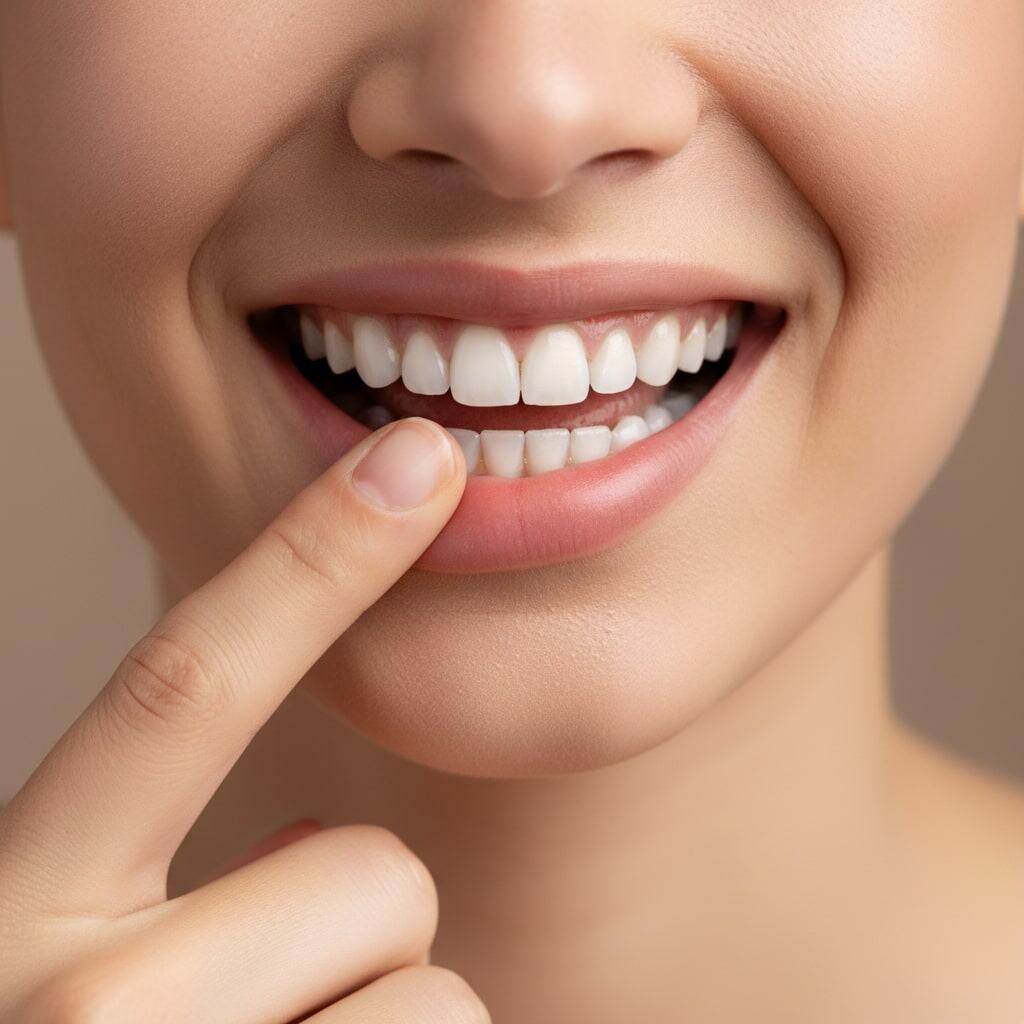
Clear healthy white teeth smiling woman pointing at lower teeth dental health dental care dentistry.

Dry Mouth Dangers & Treatment

Searching for dry mouth causes? Discover potential reasons for xerostomia and learn how to find relief. Get started today!

Understanding Dry Mouth Dangers

Dry mouth, medically known as xerostomia, is more than just a feeling of thirst; it’s a condition that can significantly impact your oral health and overall well-being. Ignoring the persistent lack of saliva can lead to a cascade of dental problems, making it crucial to understand the potential dangers associated with this common ailment. Early recognition and management are key to preventing more serious complications.

When salivary glands don’t produce enough saliva, the mouth becomes a breeding ground for harmful bacteria. This imbalance disrupts the natural protective mechanisms that keep your teeth and gums healthy. Understanding the potential risks is the first step towards seeking effective solutions and safeguarding your smile.

This comprehensive guide will explore the various facets of dry mouth, from its underlying causes and noticeable symptoms to the serious dangers it poses and the effective treatments available. We aim to equip you with the knowledge needed to address dry mouth proactively and maintain optimal oral hygiene, much like understanding when baby teeth first erupt for more.

What is Dry Mouth (Xerostomia)?

Dry mouth can be caused by various factors, including certain medications, medical conditions, and lifestyle choices. If you’re experiencing persistent dry mouth, learning about the underlying causes and relief is essential for maintaining good oral health.

Xerostomia, commonly referred to as dry mouth, is a condition characterized by a significant reduction in saliva production by the salivary glands. Saliva plays a vital role in maintaining oral health, acting as a natural cleanser, aiding digestion, and protecting teeth from decay. When saliva flow diminishes, these essential functions are compromised, leading to a dry sensation in the mouth. If you are experiencing persistent dry mouth, understanding the various causes and potential relief options is crucial, and our guide to dry mouth causes and relief can offer valuable insights.

Normal Saliva ProductionDry Mouth (Xerostomia)
Moist and comfortable oral environment.Feeling of dryness, stickiness, or burning in the mouth.
Aids in breaking down food and swallowing.Difficulty chewing, swallowing, and speaking.
Neutralizes acids produced by plaque bacteria.Increased risk of tooth decay and gum disease due to lack of acid neutralization.
Keeps the tongue and oral tissues lubricated.Soreness or irritation of the tongue and oral tissues.
Helps prevent bad breath.Halitosis (bad breath) can become more prominent.

Recognizing the symptoms of dry mouth is essential for seeking timely intervention. While a dry feeling is the most obvious sign, other indicators can include persistent thirst, a burning sensation, difficulty speaking or swallowing, and changes in taste perception. Our team often encounters patients who initially overlook these symptoms, unaware of the potential long-term consequences. Exploring dental problems and their causes can help identify the root of the problem.

The Serious Dangers of Dry Mouth

The lack of adequate saliva can lead to a cascade of oral health issues, significantly impacting your well-being. This condition increases the risk of cavities, gum disease, and oral infections. If you’re experiencing persistent dry mouth, it’s crucial to consult with a dental professional to understand the underlying causes and explore treatment options. Learning more about common dental problems and prevention can help you address these concerns proactively.

The lack of adequate saliva can lead to a cascade of oral health issues, significantly impacting your well-being. This condition can accelerate tooth decay, increase the likelihood of gum disease, and even affect your ability to taste and enjoy food. If you’re experiencing persistent dry mouth, it’s crucial to consult with a dental professional to understand the underlying causes and explore treatment options; learning more about TMJ symptoms and causes can also be beneficial for overall oral health management.

Prolonged or severe dry mouth can lead to a host of serious oral health complications, significantly impacting your quality of life. The absence of adequate saliva compromises the mouth’s natural defense mechanisms, creating an environment ripe for dental issues. It’s imperative to address xerostomia promptly to avert these escalating problems, such as increased risk of gum recession from improper brushing techniques, which our guide on electric toothbrush vs manual gum recession details.

Increased Risk of Tooth Decay

Saliva is a natural buffer against the acids produced by bacteria in the mouth. When saliva flow is reduced, these acids are not effectively neutralized, leading to the erosion of tooth enamel. This makes teeth much more susceptible to cavities and rapid decay, often in areas that are typically less prone to cavities in individuals with healthy saliva flow. Regular dental cleanings are crucial for early detection and prevention, and knowing how to choose a dentist can help ensure you receive the best care.

Impact on Dentures and Dental Appliances

Loose or ill-fitting dentures can be a significant problem, especially for those experiencing dry mouth. Reduced saliva can cause dentures to stick to the gums, making them difficult to remove and potentially leading to irritation or sores. For those with other dental appliances, such as retainers or mouthguards, dry mouth can also cause discomfort and affect their fit and function. If you’re experiencing issues with your dentures, consider exploring denture options.

For individuals who wear dentures or other dental appliances, dry mouth can present additional challenges. Reduced saliva can affect the adhesion of dentures, making them unstable and uncomfortable. It can also lead to irritation of the gums and underlying bone where the appliances rest.

Common Causes of Dry Mouth

Understanding the root causes of dry mouth is fundamental to finding effective management strategies. Our dental professionals frequently help patients in the South Edmonton area identify these triggers, which can range from everyday habits to underlying medical conditions. It’s a complex issue with a variety of potential origins; for more information, you can explore our guide on dry mouth causes and relief.

  1. Medications: Hundreds of prescription and over-the-counter drugs list dry mouth as a side effect. Common culprits include antihistamines, decongestants, pain relievers, diuretics, antidepressants, and medications for high blood pressure and Parkinson’s disease.
  2. Medical Conditions: Certain systemic diseases can directly affect salivary gland function. These include Sjögren’s syndrome, diabetes, HIV/AIDS, cystic fibrosis, and Alzheimer’s disease. Neurological disorders can also play a role.
  3. Medical Treatments: Radiation therapy to the head and neck, particularly for cancer treatment, can damage salivary glands, leading to permanent or temporary dry mouth. Chemotherapy can also cause temporary changes in saliva production.
  4. Nerve Damage: Injury to the head or neck from trauma or surgery can damage the nerves that control salivary gland function, resulting in reduced saliva flow.
  5. Dehydration: Insufficient fluid intake is a common and often overlooked cause of temporary dry mouth. Conditions like fever, vomiting, or diarrhea can also lead to significant dehydration and subsequent xerostomia.
  6. Lifestyle Factors: Habits such as smoking or chewing tobacco, and heavy alcohol consumption can contribute to or exacerbate dry mouth. Mouth breathing, often due to nasal congestion, can also dry out the oral tissues.

Understanding the various causes of dry mouth is the first step toward finding relief. For more detailed information on this and other oral health topics, explore our comprehensive dry mouth causes and relief guide.

If you’re experiencing persistent dry mouth, it’s important to discuss your medications and medical history with your doctor and dental team. Discovering more about dry mouth causes is a crucial step in finding relief.

Symptoms and Signs of Dry Mouth

Recognizing the various symptoms and signs of dry mouth is key to seeking timely diagnosis and treatment. While the feeling of dryness is the most apparent indicator, several other changes in your oral environment can signal a lack of sufficient saliva. Pay attention to these common manifestations:

  • Persistent Dryness: A constant feeling of dryness, stickiness, or a cotton-like sensation in the mouth.
  • Difficulty Swallowing: Trouble initiating a swallow or a feeling of food sticking in the throat.
  • Chewing Problems: Dry mouth can make it difficult to chew food properly, especially dry or solid items.
  • Speech Difficulties: A dry tongue can impede articulation, leading to speech that sounds rough or faltering.
  • Sore Throat and Hoarseness: Reduced saliva can lead to irritation of the throat tissues, causing soreness or a raspy voice.
  • Burning Sensation: Some individuals report a burning or tingling sensation on the tongue or in the mouth.
  • Changes in Taste: Saliva plays a role in taste perception; its absence can lead to a diminished or altered sense of taste.
  • Bad Breath (Halitosis): Dry mouth creates an environment where bacteria thrive, often leading to persistent bad breath.
  • Mouth Sores and Irritation: The dry oral tissues are more susceptible to cracking, leading to painful sores or ulcers.
  • Tongue Issues: The tongue may appear dry, red, and fissured.

If you are experiencing several of these symptoms, it may be an indication of xerostomia. Understanding the dangers of dry mouth highlights the importance of addressing these signs.

When to Seek Professional Help

While occasional dry mouth can be managed with simple remedies, persistent or severe symptoms warrant professional attention. If you find that your dry mouth is interfering with your daily life, causing significant discomfort, or leading to other oral health issues, it’s time to consult a healthcare professional. Dentists are often the first point of contact for diagnosing and managing dry mouth, as it directly impacts oral health. Understanding the difference between a dentist and a dental hygienist can help you know who to see.

A dentist can help identify the underlying cause of your dry mouth, whether it’s medication-related, a symptom of a medical condition, or due to lifestyle factors. They can assess the extent of any resulting damage, such as tooth decay or gum disease, and recommend appropriate treatment strategies. Don’t hesitate to seek advice if you experience difficulty eating, swallowing, or speaking due to dryness, or if you notice frequent mouth sores or infections. Early intervention can prevent the more serious complications associated with prolonged xerostomia.

Managing and Treating Dry Mouth

Fortunately, there are numerous strategies and treatments available to manage and alleviate the discomfort of dry mouth. By implementing a combination of lifestyle adjustments, over-the-counter aids, and, in some cases, prescription solutions, individuals can significantly improve their oral comfort and protect their teeth. For more information on restorative dental options, consider learning about veneers vs crowns.

Lifestyle Adjustments for Relief

Making conscious changes to your daily habits can have a profound impact on managing dry mouth. These adjustments focus on increasing moisture levels and reducing irritants in the oral cavity. Remember to stay hydrated by sipping water or sugar-free beverages throughout the day. Sucking on sugar-free candies or chewing sugar-free gum, especially those containing xylitol, can stimulate saliva flow. If you experience significant discomfort or anxiety related to dental care, exploring options for dental anxiety treatment in Edmonton can also be beneficial.

Over-the-Counter (OTC) Dry Mouth Products

A variety of OTC products are available to provide immediate relief and hydration. These include special mouthwashes designed for dry mouth, which are alcohol-free to avoid further irritation. Saliva substitutes, available as sprays, gels, or lozenges, can help keep the mouth moist for extended periods. Look for products that specifically address xerostomia symptoms, and consider if you might need a dental crown to restore your smile.

Prescription Medications and Treatments

In more persistent or severe cases of dry mouth, prescription medications or treatments may be necessary. These can include saliva-stimulating drugs or specific therapies tailored to the underlying cause of dry mouth. Consulting with a healthcare professional or dentist is crucial to determine the most effective course of action, and they can discuss various treatment options, including those for dry mouth causes and relief.

In cases where OTC remedies are insufficient, a dentist or physician may prescribe medications to stimulate saliva production. Pilocarpine and cevimeline are examples of drugs that can help increase salivary gland output. Your healthcare provider will determine if prescription treatment is appropriate based on your specific condition and overall health, and may also explore related issues like TMJ symptoms and causes.

Maintaining Excellent Oral Hygiene

Consistent and thorough oral hygiene is paramount when dealing with dry mouth. Because your mouth is more vulnerable to decay and gum disease, diligent brushing and flossing are essential. Your dentist may recommend specific fluoride toothpastes or rinses to help strengthen enamel and prevent cavities, and for cosmetic concerns, you might explore options like https://heritagedentaledmonton.ca/what-are-dental-veneers/ to enhance your smile’s appearance. Regular dental check-ups and professional cleanings are also vital for monitoring your oral health and addressing any developing issues promptly.

Dietary Considerations

What you eat and drink can significantly affect dry mouth symptoms. Avoiding sugary drinks, acidic foods, and alcohol can help prevent further irritation and decay. Opt for a balanced diet rich in fruits and vegetables, which can help keep your mouth moist. If you’re experiencing issues with chewing, consider softer foods or moistening your meals with broths or gravies, and remember these 5 tips for a healthy kids smile.

Conclusion: Addressing Dry Mouth

Managing dry mouth involves a multi-faceted approach, including medical treatments, diligent oral hygiene, and careful dietary choices. If you are experiencing persistent dry mouth, it is important to consult with a healthcare professional to identify the underlying cause and develop an effective management plan. Understanding the various causes of dry mouth can help you seek appropriate relief, and our guide to common dry mouth causes offers further insight.

Dry mouth, or xerostomia, is a condition that requires attention due to its potential to cause significant oral health problems. From increased risk of cavities and gum disease to discomfort in chewing and speaking, the consequences of untreated dry mouth can be substantial. Understanding the diverse range of causes, from medications to medical conditions, empowers individuals to work with their healthcare providers to find effective solutions. Learn more about the causes and relief for dry mouth.

Managing dry mouth involves a multi-faceted approach, including lifestyle changes, appropriate hydration, the use of specialized oral care products, and meticulous oral hygiene practices. Seeking professional guidance from your dentist is crucial for identifying the specific triggers and developing a personalized treatment plan. By taking proactive steps, you can effectively manage dry mouth and safeguard your oral health for years to come.

Frequently Asked Questions

Here you can find answers to some of the most common questions regarding dry mouth, its causes, and management strategies. Understanding these points can help you better address your oral health needs.

QuestionAnswer
What are the main dangers of dry mouth?The primary dangers include a significantly increased risk of tooth decay, gum disease, oral infections like thrush, mouth sores, and difficulty with eating and speaking.
Can dry mouth be cured?While some causes of dry mouth, like dehydration, are easily remedied, others, such as those related to Sjögren’s syndrome or radiation therapy, may be chronic. Management focuses on alleviating symptoms and preventing complications.
How can I stimulate saliva production?Chewing sugar-free gum, sucking on sugar-free candies (especially those with xylitol), and staying well-hydrated by sipping water throughout the day can help stimulate saliva flow.
Are there specific mouthwashes for dry mouth?Yes, alcohol-free mouthwashes formulated for dry mouth can help moisten the mouth and provide relief without causing further irritation.
When should I see a dentist about dry mouth?You should see a dentist if your dry mouth is persistent, severe, interferes with eating or speaking, causes frequent mouth sores, or if you suspect it might be related to your medications or a medical condition. For more information on when to seek professional help, you can review urgent dentist visits for more.

Sign Up for an Appointment

It just takes a few minutes to book a visit online.

"*" indicates required fields

Name*
MM slash DD slash YYYY
Dental Blog

More Dental Blog Posts

Keep reading some of our latest articles about all things dental.