
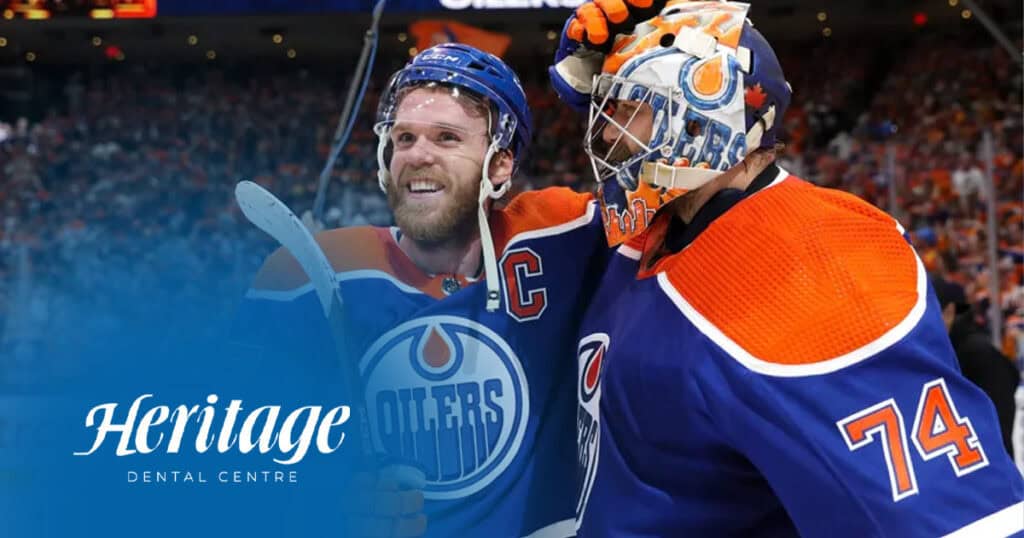

Oilers Cheer Dental Health Essentials
Prioritizing dental health is paramount for Oilers cheerleaders, whose demanding routines require consistent oral care to support their physical activities and overall well-being. A strong, healthy smile not only enhances their appearance but also prevents discomfort and potential setbacks during critical training and performance periods. Addressing common dental issues early can prevent minor problems from escalating, allowing cheerleaders to focus on their routines.
The high-energy nature of cheerleading presents unique oral health challenges, including the risk of impacts and potential dehydration from intense activity. Understanding these factors is the first step toward effective prevention and care. Exploring resources on common dental issues and their treatments can provide valuable insights into proactive oral hygiene practices essential for athletes.
Maintaining optimal oral health for cheerleaders includes understanding the benefits of fluoride treatments in strengthening teeth and the importance of regular dental check-ups and cleanings to prevent plaque buildup. Learning about the difference between plaque and tartar is also key to effective at-home care, ensuring teeth remain strong and healthy throughout their demanding season.
The Link Between Oilers Cheer and Dental Health
The energetic routines of Oilers cheerleading involve significant physical exertion that can impact oral health. High-impact movements, sudden actions, and dehydration can pose risks to a cheerleader’s smile. Understanding these connections is crucial for maintaining optimal dental well-being while performing.
Intense physical demands can lead to specific dental concerns. The increased risk of oral impacts from falls or collisions necessitates protective measures. Additionally, the body’s response to strenuous activity, such as dehydration or consuming certain foods and drinks, can affect the oral environment. These factors highlight the importance of addressing oilers cheer dental health proactively, and knowing what to expect after a tooth extraction can be part of that preparation.
Maintaining a healthy mouth is integral to overall well-being, especially for athletes. Proper dental care ensures that discomfort or injury does not hinder performance. Recognizing the interplay between physical activity and oral health allows for targeted strategies to protect your smile, supporting both athletic achievement and long-term dental vitality.
Essential Dental Protection Strategies
Maintaining optimal oral health is crucial for Oilers cheerleaders, and implementing essential dental protection strategies ensures their smiles remain vibrant and strong throughout demanding routines. Consistent daily care, combined with professional oversight, forms the bedrock of preventing injuries and ensuring overall oral wellness. After helping countless individuals in our community maintain their smiles, our team has found that consistent daily routines are key to preventing common dental issues.
To safeguard your smile, a structured approach to dental hygiene is paramount. This involves not only diligent daily habits but also understanding when to seek professional intervention. Regular dental check-ups are vital for early detection of potential problems, preventing them from escalating, and you can learn more about the benefits of regular dental check-ups to keep your smile healthy.
- Brush Thoroughly Twice Daily: Use a soft-bristled toothbrush and fluoride toothpaste to clean all surfaces of your teeth for at least two minutes each session. This habit removes plaque and food debris that can lead to decay and gum disease.
- Floss Daily: Interdental cleaning is essential for removing plaque and food particles from between teeth and under the gumline, areas a toothbrush cannot reach. Daily flossing is a cornerstone of preventing issues like plaque buildup versus tartar for more.
- Schedule Regular Professional Cleanings: Visit your dentist for professional cleanings every six months, or as recommended, to remove hardened tartar and address any emerging concerns. Understanding your dental cleaning frequency ensures your teeth receive thorough care beyond your daily routine.
- Incorporate Advanced Oral Care: Consider using mouthwash to reduce bacteria and freshen breath, and explore other advanced techniques to complement your routine. Practices like those detailed in our guide on beyond brushing can significantly enhance your oral hygiene.
Maintaining a Healthy Smile Year-Round
Diet plays a crucial role in maintaining oral health, especially for individuals with active lifestyles. The foods and beverages consumed daily can significantly impact tooth enamel, gum health, and overall oral hygiene. Understanding which foods nourish your smile and which can cause harm is essential for sustained dental wellness.
Choosing nutrient-rich foods can strengthen teeth and gums, while excessive sugar intake can lead to cavities and other issues. Making informed dietary choices will support your smile’s resilience throughout the year, ensuring it remains bright and healthy. Explore the best and worst foods for your teeth to make educated decisions about your daily intake.
It’s important to recognize how sugar causes cavities and impacts overall oral health. Making informed choices about snacks and drinks can prevent many common dental problems, such as tooth sensitivity. Prioritizing a balanced diet is a fundamental aspect of protecting your smile, ensuring it remains healthy for all your energetic performances; learn more about how sugar causes cavities for more.
For tailored advice on creating a diet that supports optimal oral health, consulting with dental professionals is highly recommended. They can provide personalized guidance based on individual needs and lifestyle. Understanding the impact of your food choices is a key step towards achieving and maintaining a radiant, healthy smile throughout the year.
Your Partner in Dental Wellness
Achieving and maintaining optimal oral health is vital, particularly for those with demanding lifestyles like Oilers cheerleaders. Our dental team is committed to being your reliable partner in cultivating and preserving a radiant, healthy smile amidst your rigorous activities. We recognize the distinct obstacles you encounter and are prepared to offer the expert advice and attentive care necessary for your well-being.
Selecting the appropriate dental provider is a pivotal decision in safeguarding your oral wellness. We advise you to review the factors to consider when choosing a dentist to identify a practice that meets your requirements. Regular dental check-ups are essential, and understanding the signs that indicate a need for a dental visit will help you prioritize preventative care.
Understanding your dental insurance benefits can simplify accessing consistent care. Explore dental insurance options in Edmonton, including direct billing for more. Our practice provides a full spectrum of services, from routine cleanings to advanced restorative procedures, all delivered by experienced professionals dedicated to personalized care that aligns with your oral health objectives.
Protecting Your Smile, Game Day and Beyond
Sustaining optimal oral health is crucial for everyone, especially for dynamic individuals like Oilers cheerleaders. Consistent dental care ensures your smile remains bright and healthy, no matter the demands of your routine. By prioritizing preventative measures and being prepared for unexpected situations, you can safeguard your oral well-being throughout the season and beyond.
Proactive dental habits are your best defense against potential issues. Whether it’s routine check-ups, addressing sensitivity, or preparing for more significant procedures, maintaining a consistent relationship with your dental provider is key. Understanding how to handle dental emergencies or recovery periods is also vital for an active lifestyle.
- For immediate assistance during a dental emergency, having a clear dental emergencies plan is essential.
- In cases requiring surgical intervention, familiarizing yourself with a tooth extraction recovery guide can ease the process.
- When considering restorative options, a dental restorations comparison helps in understanding the available treatments.
- Don’t overlook the importance of regular dental cleaning frequency for preventative care.
- Understanding best and worst foods for teeth contributes to daily oral hygiene.