
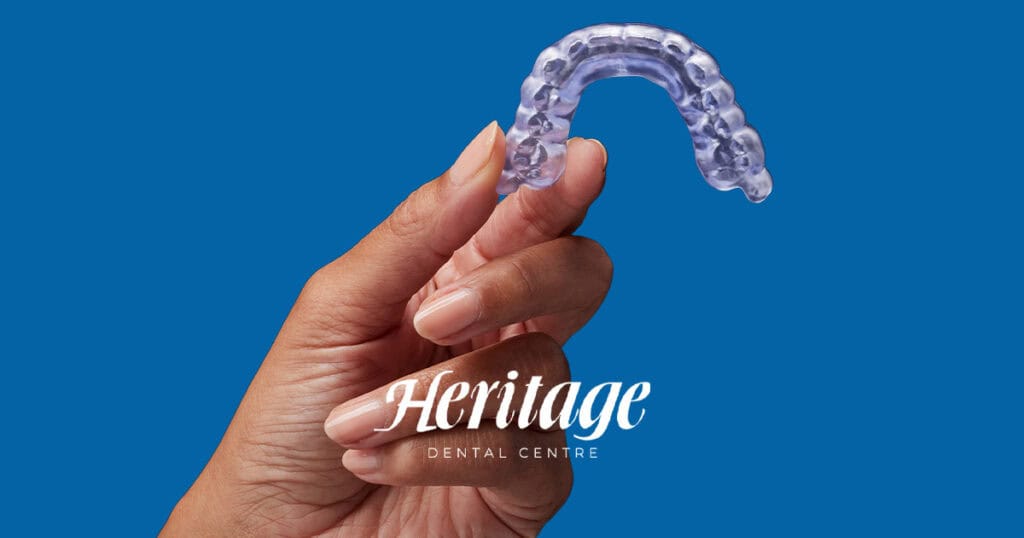

Understanding Night Guards
A night guard is a crucial dental appliance designed to shield your teeth from the damaging effects of grinding and clenching, a condition often referred to as bruxism. It acts as a protective barrier, absorbing the forces generated during sleep that can lead to significant wear and tear on your enamel.
Understanding the fundamental role of a night guard is the first step toward safeguarding your oral health from the silent threats of nocturnal bruxism. These devices are custom-fitted or generically shaped to cover your teeth, preventing direct contact and the subsequent damage that can occur.
For those experiencing symptoms of teeth grinding or clenching, a night guard is an essential tool for preserving the integrity of their smile. Discovering the importance of wearing your mouthguard at night is key to preventing long-term dental issues and maintaining comfort. You can find more details on night guard benefits for protecting your smile.
Types of Night Guards
When considering protection against teeth grinding, understanding the different types of night guards available is essential. The primary distinction lies between custom-made dental night guards and over-the-counter (OTC) options, each offering unique benefits and drawbacks. For more information on dental restorations, you can compare crowns versus veneers for more.
Custom-Fitted Dental Night Guards
Custom-fitted night guards are precisely crafted by dental professionals to perfectly match the contours of your unique bite. This personalized approach ensures a comfortable fit, superior protection, and durability, making them the preferred choice for long-term bruxism management. These guards are typically made from high-quality, dental-grade materials, and can help prevent issues like stale mouth meaning, and in some cases, may be complemented by treatments like botox in dentistry: what you need to know.
Over-the-Counter (OTC) Night Guards
Over-the-counter night guards are readily available at pharmacies and online retailers. While they offer a more accessible and less expensive initial solution, their generic fit can sometimes lead to discomfort, slippage, or inadequate protection. They may be suitable for mild cases or as a temporary measure, but they often lack the precise fit of custom guards, unlike the specialized care discussed in our how botox can help dental patients feel better for more.
Comparing Custom vs. OTC Options
The key differences between custom and OTC night guards lie in their fit, material, durability, and effectiveness. Custom guards offer a precise, comfortable fit that minimizes interference with speech or breathing, while OTC guards are one-size-fits-all and can sometimes be bulky or ill-fitting. For comprehensive and comfortable protection, exploring custom night guards is highly recommended, and understanding the potential investment involved, such as with Alberta denture costs, can help in your decision-making process.
Benefits of Using a Night Guard
Consistent use of a night guard offers a multitude of advantages for individuals suffering from teeth grinding and clenching. Our professionals have observed firsthand the significant positive impact these devices have on our patients’ oral health and overall well-being; learn more about the benefits of night guards and how they contribute to your overall health.
- Protection Against Tooth Wear: A night guard acts as a buffer, preventing the enamel of your teeth from being worn down by the constant grinding and clenching motion. This preserves the natural structure and strength of your teeth.
- Reduced Jaw Pain and Soreness: By cushioning the impact of grinding, night guards can alleviate the muscle strain and tension in your jaw, leading to a significant reduction in pain and soreness.
- Prevention of TMJ Disorders: Temporomandibular Joint (TMJ) disorders can develop from chronic jaw clenching. A night guard helps to relax the jaw muscles and prevent the excessive stress that contributes to these painful conditions. You can learn more about TMJ symptoms and causes for more.
- Protection Against Tooth Sensitivity: Worn enamel can expose the sensitive inner layers of your teeth, leading to increased sensitivity to hot, cold, or sweet stimuli. A night guard helps maintain enamel integrity, thus reducing sensitivity.
- Prevention of Chipped or Cracked Teeth: The immense force exerted during teeth grinding can lead to chips, cracks, or even fractures in teeth. A night guard absorbs this force, significantly lowering the risk of such damage.
Our experience serving the local area has shown that patients find significant relief from bruxism symptoms when consistently using a properly fitted night guard. For those seeking to understand the full scope of protection, reviewing the benefits of wearing a night guard is a valuable step, and understanding how different brushing tools can affect your gums is also important, as discussed in our article on electric toothbrush gum care for more.
Risks of Not Wearing a Night Guard
Ignoring the persistent issues of teeth grinding and clenching can lead to a cascade of serious dental and health complications. Proactive protection through a night guard is vital to avert these potentially irreversible problems.
| Risks of Untreated Grinding/Clenching | Consequences of Wearing a Night Guard |
|---|---|
| Accelerated tooth wear, flattening, and erosion of enamel. | Prevents accelerated tooth wear by providing a protective barrier. |
| Increased risk of chipped, fractured, or broken teeth. | Significantly reduces the risk of tooth damage from grinding forces. |
| Jaw pain, muscle fatigue, and potential development of TMJ disorders. | Alleviates jaw muscle tension and helps prevent TMJ-related pain. |
| Increased tooth sensitivity to hot, cold, and pressure. | Helps maintain enamel thickness, reducing tooth sensitivity. |
| Headaches, earaches, and facial pain originating from jaw tension. | Can reduce or eliminate associated headaches and facial pain. |
| Damage to dental restorations like crowns or fillings. | Protects existing dental work from the destructive forces of bruxism. |
The long-term consequences of untreated bruxism can be severe, impacting not only your oral health but also your overall quality of life. Choosing to invest in same-day custom night guards can prevent many of these issues.
How to Choose the Right Night Guard
Selecting the most suitable night guard involves considering your specific dental needs, the severity of your teeth grinding, material preferences, and the importance of a precise fit. A well-chosen guard ensures comfort and maximum effectiveness. When making these decisions, it’s also beneficial to consider the expertise of the dental professional you are working with; our guide to choosing a dentist can help you find the right fit for your oral health needs.
Assessing Your Grinding Severity
The first step is to accurately assess the severity of your teeth grinding or clenching. This often involves professional evaluation by a dentist who can examine signs of tooth wear, jaw tenderness, and other symptoms. Understanding the extent of bruxism will guide you towards the appropriate type of guard, and your dentist may also use diagnostic tools like dental x-rays to get a clearer picture of your oral health, including the difference between plaque and tartar.
Material and Fit Considerations
Night guards come in various materials, from soft, flexible plastics to hard, durable acrylics. The fit is paramount; a poorly fitting guard can cause discomfort, disrupt sleep, or even lead to further dental issues. Custom-made guards from a dental professional offer the best fit and material options tailored to your needs, providing superior comfort and protection compared to generic options found in stores. Understanding the differences between a dentist and a dental hygienist can help you navigate your oral healthcare choices by visiting our dentist vs hygienist guide.
Consulting with a Dental Professional
The most reliable way to choose the right night guard is by consulting with your dentist. They can assess your condition, recommend the best type of guard, and ensure a perfect fit. For those seeking immediate solutions or understanding their options, exploring custom night guards is a wise choice, and you can learn more about different cosmetic dental solutions like veneers vs. crowns, comparing structural vs cosmetic fixes.
Caring for Your Night Guard
For information on cosmetic dental solutions, explore veneers vs. crowns for more.
Proper care and maintenance are essential to ensure the longevity, hygiene, and effectiveness of your night guard. Following a consistent cleaning routine will protect your investment and maintain optimal oral health. If you experience discomfort or anxiety related to dental treatments, consider exploring options for dental anxiety help for more.
Daily Cleaning Routine
After each use, rinse your night guard thoroughly with cool water. Gently brush it with a soft-bristled toothbrush and non-abrasive toothpaste or mild soap to remove any plaque or debris. Avoid using hot water, as it can warp the material. If you have a damaged tooth that requires more extensive repair, consider options like a tooth crown, which can restore your smile. For optimal oral hygiene, understanding the benefits of an electric toothbrush for gum health can be very helpful.
Regular Disinfection
Periodically, it’s beneficial to disinfect your night guard to kill any bacteria that may accumulate. You can use a specialized night guard cleaning solution or a mild denture cleaner. Follow the product instructions carefully and rinse thoroughly afterward, especially if you experience symptoms related to TMJ disorders. If you’re experiencing discomfort, consider how to choose a dentist who can properly diagnose and treat your condition.
Proper Storage
When not in use, store your night guard in a clean, dry, and protective case. This prevents damage, contamination, and loss. Ensure the case is also kept clean and allows for some air circulation to prevent moisture buildup, which can encourage bacterial growth. Regularly inspecting your guard for any signs of damage is also recommended, and seeking replacements when needed.
Maintaining your night guard is a simple yet critical part of your oral hygiene routine. For detailed guidance on best practices, consult resources on protecting your smile and the care of your dental appliances, such as learning about dental veneers for more.
Consult a Dentist for Night Guard Needs
Seeking professional dental advice is crucial for addressing teeth grinding, clenching, and determining the best course of action for your oral health. A dentist can accurately diagnose bruxism and recommend the most effective solutions, including custom-fitted night guards.
If you experience jaw pain, headaches, worn teeth, or suspect you might be grinding your teeth at night, it is highly advisable to schedule a consultation. Dentists can perform a thorough examination, discuss your symptoms, and provide personalized recommendations. For those in need of a swift solution, exploring same-day custom night guards can be an efficient option.
Your dental professional is your best resource for understanding the nuances of bruxism and the benefits of various types of night guards, including the superior fit and comfort offered by custom night guards, which can help alleviate issues like inflamed gums and tooth sensitivity. Learn more about bruxism treatment and how a night guard can help.
Protect Your Smile with a Night Guard
In conclusion, a night guard is an indispensable tool for safeguarding your dental health against the pervasive effects of teeth grinding and clenching. By providing a protective barrier, it preserves your natural teeth, alleviates jaw discomfort, and helps prevent more serious oral health complications.
Taking proactive steps to protect your smile is an investment in your long-term well-being. Whether you opt for a custom-fitted appliance or discuss options with your dentist, ensuring you have appropriate protection against bruxism is paramount. Explore the importance of wearing your mouthguard at night to fully appreciate its role in preserving your smile, and consider these 5 tips for a beautiful and healthy smile. Understanding the differences between a dentist and a hygienist can help you navigate your dental care options.
Don’t let teeth grinding compromise your oral health. Taking action now with the right night guard can ensure a healthier, more comfortable future for your smile. Consider the advantages of same-day custom night guards for prompt and effective protection.
Frequently Asked Questions
Understanding common questions about night guards can help clarify their purpose, benefits, and proper usage. Here are some frequently asked questions to provide further insight into these essential dental appliances. If you experience persistent dry mouth, exploring the causes and relief options can be beneficial. For information on other cosmetic dental options, consider learning about dental veneers.
| Question | Answer |
|---|---|
| What exactly is a night guard? | A night guard is a removable dental appliance, typically made of acrylic or specialized plastic, worn over the teeth during sleep to protect against damage caused by grinding (bruxism) and clenching. |
| Can a night guard actually fix teeth grinding? | Night guards do not cure teeth grinding itself, but they effectively manage and mitigate the damage caused by it. They prevent wear, chips, and fractures, and can help reduce jaw pain associated with bruxism. For more information on managing bruxism, see our bruxism treatment guide. |
| How do custom night guards differ from over-the-counter ones? | Custom night guards are made from dental impressions of your teeth, ensuring a precise fit, superior comfort, and optimal protection. Over-the-counter guards are generic, often bulkier, and may not fit as securely or effectively. |
| How often should I wear my night guard? | For individuals diagnosed with bruxism, wearing the night guard every night during sleep is generally recommended to consistently protect the teeth and jaw. |
| How long does a night guard typically last? | With proper care and maintenance, a custom night guard can last anywhere from 3 to 10 years. Over-the-counter guards may have a shorter lifespan due to their materials and fit. |