
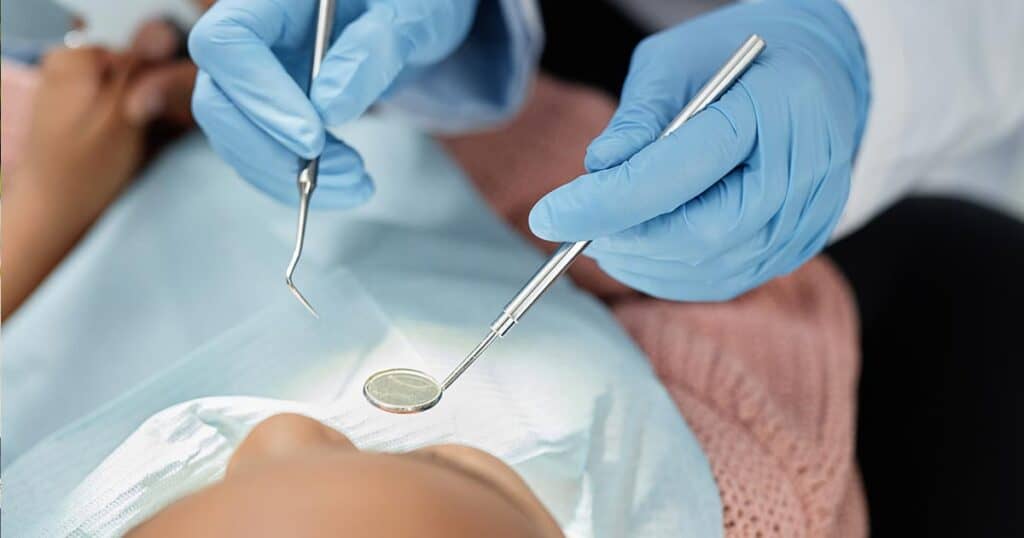

Understanding Dental Cleaning
A professional dental cleaning is a fundamental component of maintaining optimal oral health and preventing a range of dental issues. This essential preventive care procedure goes beyond daily brushing and flossing to ensure your smile remains healthy and vibrant. Understanding the role of a dental cleaning is the first step toward prioritizing your long-term dental wellness.
The primary goal of a dental cleaning is to meticulously remove plaque and tartar buildup that regular at-home care cannot eliminate. This buildup, if left unchecked, can lead to cavities, gum disease, and other serious oral health problems. Regular professional cleanings are therefore vital for a healthy smile and overall well-being.
Distinguishing between a dental cleaning and cosmetic procedures like whitening is important for managing expectations about your oral care. While whitening aims to brighten your smile, a dental cleaning focuses on the health of your teeth and gums, removing harmful bacteria and preventing disease. You can learn more about the differences in our guide on Dental Cleaning vs. Whitening: What’s the Difference?
What is a Dental Cleaning?
A professional dental cleaning is a vital procedure performed by dental hygienists to maintain optimal oral health. Its primary focus is the thorough removal of plaque and tartar, which are harmful bacterial deposits that brushing and flossing alone cannot eliminate. These cleanings are fundamental in preventing common dental issues like cavities and gum disease.
During a dental cleaning, specialized instruments are used to meticulously clean each tooth’s surface, both above and below the gum line. This process ensures that even hard-to-reach areas are addressed, preventing the buildup that can lead to more serious dental problems over time. Regular professional dental cleanings are a cornerstone of preventive dentistry.
The process typically involves several key steps to ensure comprehensive oral hygiene. These steps are designed to address plaque and tartar buildup effectively, polish the teeth, and check for any early signs of dental issues. Understanding what happens during a dental cleaning can help alleviate any concerns and highlight its importance, and you can learn more about cleaning versus whitening to further enhance your smile.
- Scaling: This involves using specialized tools to gently scrape away plaque and tartar from the tooth surfaces, including along the gum line.
- Polishing: After scaling, teeth are polished using a gritty toothpaste-like substance to remove surface stains and leave teeth feeling smooth. This also helps to create a surface that is more resistant to plaque buildup.
- Flossing: A professional flossing is performed to ensure that all plaque and tartar are removed from between the teeth and along the gum line.
- Rinsing: Patients typically rinse with an antiseptic mouthwash to help remove any loosened debris and freshen the mouth.
For those looking to understand how often these essential visits are needed, our guide on Adult Dental Cleanings Frequency provides personalized recommendations. It emphasizes that the ideal schedule can vary based on individual oral health needs.
A dental cleaning is more than just a surface-level polish; it’s a comprehensive treatment aimed at safeguarding your teeth and gums. It plays a critical role in preventing future dental complications and is an indispensable part of maintaining a healthy, radiant smile. If you’re considering cosmetic enhancements, understanding the benefits of dental crowns can be a valuable part of your smile journey.
The Importance of Regular Dental Cleaning
Regular professional dental cleanings are fundamental pillars of maintaining optimal oral health and preventing a host of dental issues. These appointments go beyond just a surface-level clean, acting as a crucial defense against problems that brushing and flossing alone cannot fully address. Committing to a consistent schedule for your dental cleaning ensures that your smile remains healthy and vibrant for years to come.
The significance of these routine visits cannot be overstated. They are vital for preventing common dental ailments, detecting potential problems early when they are most treatable, and contributing to your overall well-being. Understanding the specific benefits can further emphasize why making these appointments a priority is essential for everyone’s health, and for more on this topic, see our guide on why spring dental cleaning is essential for more.
- Gum Disease Prevention. Regular dental cleanings are highly effective in removing plaque and tartar buildup, the primary culprits behind gingivitis and periodontitis. By keeping these harmful deposits at bay, cleanings help maintain healthy gums and prevent the inflammation and infection associated with gum disease.
- Cavity Prevention. Even with diligent brushing and flossing, microscopic food particles and bacteria can accumulate, leading to tooth decay. Professional cleanings ensure that all surfaces of your teeth are thoroughly cleaned, significantly reducing the risk of cavities forming.
- Early Detection of Dental Issues. During a dental cleaning, your dental hygienist or dentist also performs a preliminary examination. This allows for the early detection of issues like cavities, gum disease, oral cancer, and other dental problems, often before you notice any symptoms. Early detection leads to simpler, less invasive, and more affordable treatments.
- Fresher Breath. Persistent bad breath, or halitosis, is often caused by bacteria that accumulate in the mouth, particularly in hard-to-reach areas and along the gum line. Professional cleanings remove these odor-causing bacteria, leaving your mouth feeling fresh and your breath noticeably improved; learn more about how to beat bad breath for more.
- Overall Health Connection. Emerging research continues to highlight the strong link between oral health and overall systemic health. Conditions like gum disease have been associated with serious health issues such as heart disease, diabetes, and respiratory problems. Maintaining good oral hygiene through regular dental cleanings is therefore an important part of your overall wellness strategy.
For many, understanding the recommended cadence for these vital appointments is key. While general guidelines exist, personalized advice is often best, and resources like Adult Dental Cleanings Frequency: Your personalized guide can offer valuable insights. Furthermore, recognizing the importance of seasonal dental care, as discussed in Spring Dental Cleaning Why it’s essential, can also be beneficial.
Ultimately, prioritizing a dental cleaning is an investment in your long-term oral and general health. It is a proactive step that safeguards your smile against common problems and contributes to your overall well-being. Consider how a professional dental cleaning contributes to a healthier you.
What Happens During a Dental Cleaning?
A professional dental cleaning is a thorough process designed to remove plaque and tartar that regular brushing and flossing can miss. This essential procedure goes beyond simple aesthetics, playing a vital role in preventing gum disease, cavities, and other oral health issues. Understanding the steps involved can help you feel more comfortable and informed during your appointment. For cosmetic enhancements, you might also consider learning about dental veneer costs and benefits.
The Initial Examination and Cleaning Process
Before any cleaning begins, your dental professional will conduct a thorough examination of your mouth. This initial assessment helps identify any potential problems and guides the cleaning process. The cleaning itself typically involves several key stages performed with specialized tools. For those who experience nervousness, learning about dental anxiety management can be very helpful.
- Visual Inspection: Your dentist or hygienist will carefully examine your teeth and gums for signs of decay, gum disease, or other abnormalities. They will also check for any changes since your last visit.
- Plaque and Tartar Removal: Using specialized instruments like scalers and ultrasonic devices, plaque (a sticky film of bacteria) and hardened tartar (calculus) are meticulously removed from the surfaces of your teeth, both above and below the gum line. This is a critical step in preventing periodontal disease.
- Gritty Toothpaste Cleaning: After the removal of plaque and tartar, your teeth will be polished using a special gritty toothpaste and a rotating rubber cup. This polishing removes any remaining surface stains and smooths the tooth surfaces, making it harder for plaque to adhere in the future.
Polishing and Final Checks
The polishing step is often followed by a final rinse and a check to ensure all debris has been removed. Your dental professional may also discuss at-home care recommendations, such as specific brushing techniques or the use of specialized dental products, to maintain your oral health between visits. For more information on maintaining your smile, you can explore our guide to enhancing your oral health for more.
Following the removal of plaque and tartar, the polishing stage not only enhances the appearance of your teeth but also contributes to their long-term health. This is often followed by a final examination to ensure all areas have been thoroughly addressed.
- Flossing: After polishing, your dental professional will floss between your teeth to ensure no plaque or tartar residue remains in these hard-to-reach areas. This step confirms the thoroughness of the cleaning.
- Rinsing: You will be asked to rinse your mouth, often with an antiseptic mouthwash, to remove any debris from the cleaning and polishing process. This leaves your mouth feeling fresh and clean.
- Fluoride Treatment (Optional): In some cases, a fluoride varnish or gel may be applied to your teeth. This treatment helps strengthen tooth enamel and protect against cavities, especially for those at higher risk.
The Importance of Professional Cleaning
Regular professional cleanings are essential for maintaining optimal oral health and preventing future dental issues, offering benefits far beyond what at-home care can achieve. If you’re curious about different cosmetic options, understanding the difference between a dental cleaning vs whitening can help you achieve your desired smile.
While at-home care is fundamental, professional dental cleanings are irreplaceable for maintaining optimal oral health. They offer a level of thoroughness that daily brushing and flossing cannot achieve, addressing areas prone to plaque and tartar buildup. These regular appointments are key to preventing more serious dental issues down the line and are a vital part of overall wellness. If you’re wondering about the difference between cleaning and other cosmetic procedures, understanding dental cleaning vs. whitening can clarify their distinct roles, as can learning about the https://heritagedentaledmonton.ca/dental-crown-benefits/ for restoring your smile.
Dental Cleaning Frequency: How Often is Enough?
Determining the ideal frequency for your dental cleaning appointments is crucial for maintaining optimal oral health. While the common recommendation is every six months, this can vary significantly based on individual oral hygiene habits, medical history, and specific dental conditions. Our professionals often tailor these suggestions to each patient’s unique needs.
Understanding how often you need a professional dental cleaning is key to preventing more serious dental issues down the line. For personalized advice, consult our detailed guide on Adult Dental Cleanings Frequency. This resource provides insights into creating a schedule that best suits your oral health requirements.
Generally, most adults benefit from a routine dental cleaning every six months. This standard frequency allows dental professionals to effectively remove plaque and tartar buildup before it can cause significant harm. However, certain factors may necessitate more frequent visits. These can include a history of gum disease, a tendency for rapid tartar accumulation, or conditions like diabetes that can impact oral health. For more on maintaining oral hygiene, consider reading about beyond brushing techniques.
- Standard Recommendation: For individuals with excellent oral hygiene and no history of significant dental problems, a dental cleaning every six months is typically sufficient.
- Increased Frequency (Every 3-4 Months): Patients with a history of gum disease (periodontitis), those who smoke, individuals with compromised immune systems, or those who tend to accumulate plaque and tartar quickly may need cleanings more often, potentially every three to four months.
- Less Frequent Visits (Every 9-12 Months): In rare cases, and only with explicit professional recommendation, individuals with exceptionally good oral health and a very low risk of dental issues might be advised to schedule cleanings less frequently. This is not common and requires careful monitoring.
- Specific Conditions: Patients undergoing orthodontic treatment, those with certain medical conditions, or individuals with dry mouth may also require adjusted cleaning schedules as advised by their dentist.
It’s important to remember that these are general guidelines. The most accurate recommendation for your specific dental cleaning frequency will come from your dental hygienist or dentist after a thorough examination. They can assess your risk factors and help you establish a personalized schedule to ensure your smile remains healthy and vibrant. Explore more about the fundamentals of a professional dental cleaning and understand the difference between cleaning and whitening.
Benefits of Professional Dental Cleaning
Professional dental cleanings offer a wealth of advantages that extend far beyond a visibly cleaner smile. They are a cornerstone of preventive care, actively working to safeguard your oral health and contribute to your overall well-being. By removing harmful plaque and tartar, these cleanings significantly reduce the risk of developing common dental issues.
Our team has witnessed firsthand the profound impact regular dental cleanings have on long-term oral health for countless patients. These routine visits are essential for preventing cavities, combating gum disease, and ensuring your breath stays fresh and pleasant. A professional dental cleaning is a proactive step towards maintaining a healthy mouth and a confident smile. If you’re considering cosmetic enhancements, understanding the benefits of dental crowns can also contribute to a healthier, more attractive smile.
Beyond the immediate benefits of a cleaner mouth, regular professional dental cleanings play a vital role in early detection of potential problems. During a cleaning, your dental hygienist can identify early signs of decay, gum disease, or even oral cancer, allowing for timely intervention. This proactive approach can prevent more serious and costly issues down the line, contributing to better overall health.
A professional dental cleaning helps prevent cavities by meticulously removing plaque and tartar, which harbor bacteria that cause tooth decay. This thorough cleaning reaches areas that brushing and flossing alone may miss, ensuring a comprehensive defense against decay. It’s a critical step in maintaining the integrity of your tooth enamel.
Fresh breath is another significant benefit derived from professional dental cleanings. The removal of plaque, tartar, and bacteria, which are often the culprits behind bad breath (halitosis), leaves your mouth feeling clean and revitalized. This not only boosts your confidence in social interactions but also indicates a healthier oral environment; learn more about how to beat bad breath and maintain freshness.
Understanding the distinction between a cleaning and other cosmetic procedures is important. For instance, a dental cleaning vs. whitening serves entirely different purposes; cleaning focuses on health and disease prevention, while whitening targets the aesthetic appearance of your teeth. Both are valuable for a healthy smile, but they address different needs.
The frequency of your dental cleanings is also a key factor in reaping these benefits. While general recommendations exist, your specific needs might vary. For personalized advice on how often you should schedule your dental cleanings, consider consulting our guide on adult dental cleanings frequency.
Ultimately, embracing regular professional dental cleanings is an investment in your health. It’s a fundamental practice that supports not just a beautiful smile, but also the overall well-being of your entire body. Don’t underestimate the power of these essential visits for maintaining optimal oral health.
Dental Cleaning vs. Whitening
While both dental cleaning and teeth whitening aim to improve the appearance of your smile, they serve fundamentally different purposes. A professional dental cleaning is a vital preventive health measure, focusing on removing harmful plaque and tartar to maintain the health of your teeth and gums. Teeth whitening, on the other hand, is a cosmetic procedure designed to lighten the shade of your teeth and remove surface stains.
Understanding the distinction between these two procedures is key to achieving your oral health and aesthetic goals. A thorough dental cleaning addresses underlying issues that could lead to decay or gum disease, ensuring a healthy foundation for your smile. Teeth whitening targets discoloration, making your smile appear brighter and more youthful. For those considering cosmetic enhancements, exploring crowns vs veneers can offer further options to perfect your smile.
| Feature | Dental Cleaning | Teeth Whitening |
|---|---|---|
| Purpose | Prevent cavities, gum disease, and other oral health issues; remove plaque and tartar. | Remove surface stains and lighten tooth color for a brighter appearance. |
| Procedure | Scaling (removal of plaque and tartar), polishing, flossing, and often an oral examination. | Application of bleaching agents (peroxide-based) directly to the teeth, often with light or laser activation. |
| Outcome | Healthier gums, cleaner teeth, fresher breath, and prevention of dental problems. | Whiter, brighter teeth; removal of extrinsic stains from food, drinks, and smoking. |
| Frequency | Typically recommended every six months, or as advised by your dental professional. | Frequency varies based on individual needs and the method used; often requires touch-ups. |
| Professional Involvement | Performed by a dental hygienist or dentist. | Can be performed by a dentist, dental hygienist, or through over-the-counter products. |
It’s important to note that teeth whitening is most effective on healthy teeth. If you have active gum disease or significant plaque and tartar buildup, your dental professional will likely recommend a professional dental cleaning first. This ensures that the whitening treatment is applied to a clean and healthy surface, maximizing results and minimizing any potential for irritation. Discussing your options with our team can help you determine the best course of action for your unique needs.
Choosing the Right Dental Professional
Selecting the right dental professional is a crucial step in ensuring you receive quality care for your dental cleaning. A skilled dentist or dental hygienist can make a significant difference in your oral health journey. Look for professionals who prioritize patient comfort and clear communication about procedures and findings.
When choosing a practice, consider their experience, the technology they utilize, and their approach to preventive care. It’s also beneficial to find a dental team that understands the unique needs of different age groups, as detailed in guides like the Adult Dental Cleanings Frequency: Your personalized guide. For instance, understanding early tooth development, such as with baby fang teeth, is important for pediatric care.
Factors to evaluate include the dentist’s qualifications, the cleanliness and organization of the office, and the overall atmosphere. Positive reviews and recommendations from trusted sources can also guide your decision. Ultimately, you want a dental professional who makes you feel confident and cared for during your visit, ensuring your regular dental cleaning is both effective and a positive experience.
Preparing for Your Dental Cleaning
A successful dental cleaning appointment begins with thoughtful preparation. By taking a few simple steps before your visit, you can help ensure a smooth and effective experience, allowing your dental team to provide the best possible care. This preparation also helps maximize the benefits of your routine dental cleaning.
Being prepared for your dental cleaning involves more than just showing up on time. It includes considering your medical history, any concerns you might have, and how to best communicate these with your dental hygienist. Understanding what to expect can alleviate any anxieties and contribute to a more positive outcome for your oral health. If you experience significant worry, exploring options for dental anxiety management can be very beneficial.
To ensure you are fully prepared for your upcoming appointment, consider the following tips:
- Review Your Medical History: Make sure your dental team is aware of any changes in your medical history, including new medications, allergies, or health conditions. This information is vital for your safety and the effectiveness of your dental cleaning.
- Note Down Questions or Concerns: If you have any specific questions about your oral health, previous treatments, or concerns about the procedure, write them down beforehand. This ensures you don’t forget to ask during your visit.
- Gather Insurance Information: Have your dental insurance card or relevant information ready to present to the office staff. This helps streamline the administrative process.
- Arrive on Time: Plan your journey to the dental clinic in advance to ensure you arrive a few minutes early. This allows time for check-in without feeling rushed.
- Maintain Good Oral Hygiene: Brush and floss your teeth thoroughly before your appointment. While the hygienist will clean your teeth, starting with a clean mouth can make the process more comfortable, and you can learn more about enhancing your oral health beyond just brushing.
Understanding the importance of regular visits is key to maintaining your smile. Whether you’re due for a routine check-up or a more specialized procedure, proper preparation for your dental cleaning is essential. For those looking to understand the best times for such visits, exploring the topic of spring dental cleaning can provide valuable insights into seasonal oral care.
When you visit for your dental cleaning, your hygienist will likely perform a thorough examination of your mouth. They will meticulously remove plaque and tartar buildup from your teeth and along the gum line. This process is crucial for preventing cavities and gum disease.
After the initial cleaning, your teeth will often be polished. This step uses a gritty toothpaste-like paste to remove surface stains and further smooth the tooth enamel. Following polishing, a fluoride treatment might be recommended to strengthen your teeth and protect against decay. The entire process of a professional dental cleaning is designed to leave your mouth feeling refreshed and significantly healthier.
It’s important to distinguish between different types of dental visits. A standard dental cleaning focuses on preventive care, whereas other treatments might address specific issues. If you are curious about the distinctions and purposes of various dental procedures, learning about dental cleaning can offer a broader perspective on oral hygiene practices.
Maintaining Oral Health Between Cleanings
Professional dental cleanings are a cornerstone of excellent oral hygiene, but the care you provide at home is equally vital. Maintaining a consistent at-home routine ensures that plaque and bacteria are managed effectively between your dentist’s visits. This proactive approach significantly contributes to the longevity of your dental health and the effectiveness of professional treatments.
Establishing a thorough at-home oral care regimen is essential for maintaining the results of your dental cleaning and preventing future issues. Consistent daily habits are the first line of defense against common dental problems like cavities and gum disease. By incorporating these practices into your daily life, you support the work done during your professional appointments and promote a healthier mouth overall. For instance, understanding why you may need a dental crown can highlight the importance of preventative care.
A fundamental aspect of at-home care is proper brushing and flossing. Brushing your teeth at least twice a day with fluoride toothpaste removes plaque and food particles from tooth surfaces. Flossing daily is crucial for cleaning the tight spaces between teeth and along the gumline where a toothbrush cannot reach, preventing the buildup of harmful bacteria.
Beyond brushing and flossing, consider incorporating these habits for enhanced oral health:
- Using an antimicrobial mouthwash can help reduce bacteria and freshen breath, complementing your brushing and flossing routine.
- Limiting sugary snacks and drinks is important, as sugar feeds the bacteria that cause tooth decay and gum disease.
- Staying hydrated by drinking plenty of water helps to rinse away food particles and bacteria, and it promotes saliva production, which naturally cleanses the mouth.
- Chewing sugar-free gum after meals can stimulate saliva flow, aiding in the removal of food debris and neutralizing acids.
For more comprehensive advice on maintaining excellent oral hygiene, explore our guide on beyond brushing techniques and practices.
Understanding how often you should schedule professional dental cleanings is also part of maintaining optimal oral health. For many adults, a routine visit every six months is recommended, but this can vary based on individual needs. Your dentist or hygienist can provide a personalized schedule, often detailed in guides like Adult Dental Cleanings Frequency: Your personalized guide, to ensure your specific oral health requirements are met.
The goal is to create a symbiotic relationship between professional care and daily habits. Think of your dental professional as your partner in oral health, providing expert interventions and guidance, while you diligently manage your daily hygiene. This integrated approach ensures that your smile remains healthy and vibrant for years to come. Proper care between visits is as critical as the dental cleaning itself. For instance, if you’re considering cosmetic improvements, understanding the benefits of dental crowns can be helpful, and our guide to dental crown benefits offers valuable insights.
Conclusion: Your Smile’s Best Friend
A professional dental cleaning is more than just a routine procedure; it’s a fundamental pillar of maintaining a healthy, vibrant smile and contributing to your overall well-being. By diligently removing plaque and tartar, dental professionals help prevent a myriad of oral health issues before they even begin to manifest.
Remember, consistent professional care complements your daily oral hygiene routine. Understanding the significance of regular visits, like those discussed in our guide on adult dental cleanings frequency, ensures you are on the best path to long-term oral health. Don’t underestimate the power of a clean smile; it reflects your commitment to your health and can boost your confidence significantly.
Whether it’s a routine check-up or considering the benefits of specific timing, such as a spring dental cleaning, prioritizing these appointments is an investment in your health. We encourage you to schedule your next dental cleaning appointment to experience the lasting benefits firsthand.