

Understanding Dental Crowns: Your Smile’s Best Friend
Dental crowns offer a powerful solution for a variety of dental problems, acting as a cap that covers a damaged tooth. They are designed to restore the tooth’s shape, size, strength, and improve its overall appearance. If you’re experiencing issues with a weakened, broken, or severely decayed tooth, exploring the benefits of dental crowns is a crucial step towards regaining your oral health and confidence.
The primary focus of this guide is to illuminate how dental crown benefits directly address common dental concerns. From protecting a tooth with a large filling to covering a discolored tooth or supporting a dental bridge, crowns provide a versatile and effective fix. We will delve into the specific ways these restorations solve problems and enhance your smile.
By understanding the purpose and advantages of dental crowns, you can make informed decisions about your dental care. Whether you need restorative dentistry or are considering cosmetic improvements, dental crowns serve as a cornerstone solution for many dental issues. Learn more about how they can help by visiting our page on restoring your smile with crowns.
What Are Dental Crowns and Why Are They Used?
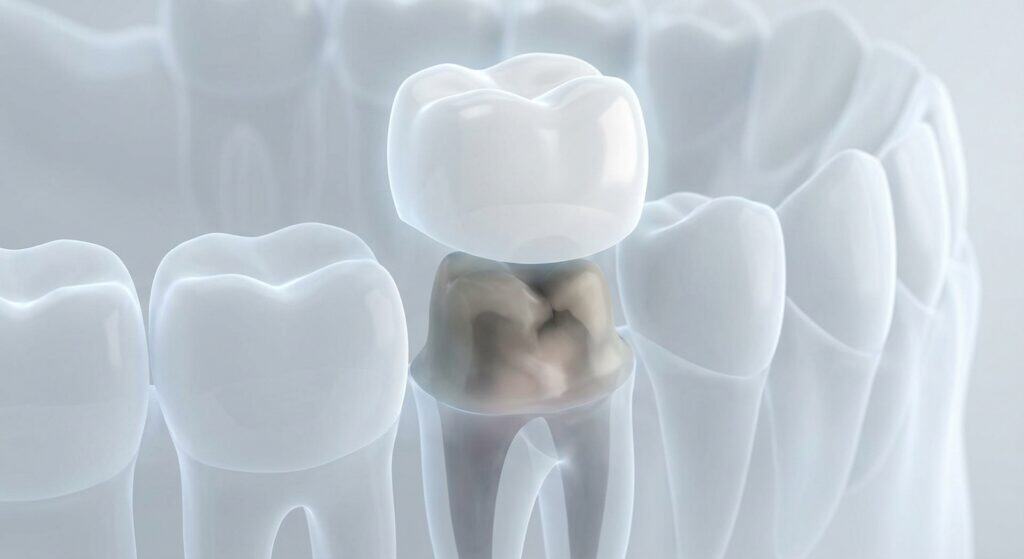
Dental crowns, often referred to as caps, are custom-made covers that fit snugly over an entire tooth, starting at the gum line. They are used when a tooth is too damaged to be repaired with a filling or other restorative treatments. The purpose of a crown is to strengthen a weak tooth, improve its appearance, or hold a dental bridge in place.
Common dental problems that necessitate crowns include severe tooth decay, a fractured tooth, a tooth with a large filling and little remaining tooth structure, or a tooth that has undergone root canal treatment. Crowns also address cosmetic issues such as severe discoloration or misshapen teeth. They are a fundamental part of restorative dentistry, offering a durable solution to save and enhance natural teeth.
When a tooth is significantly compromised, a dental crown acts as a protective shield, preventing further damage and restoring its original function. If you have a tooth that needs significant repair, explore our dental crowns services. For less severe decay, dental fillings might be an option, while extensive tooth loss may require dental bridges.
Key Benefits of Dental Crowns
Dental crowns offer a multitude of advantages, serving as an excellent solution for a wide array of dental concerns. They are instrumental in fortifying compromised teeth, enhancing their appearance, and restoring full oral function. The versatility of dental crowns makes them a cornerstone of modern restorative and cosmetic dentistry, providing fixes for problems ranging from structural weakness to aesthetic imperfections.
These restorations are crucial for teeth that have been weakened by decay, injury, or extensive dental work. By encasing the entire visible portion of the tooth, crowns provide the necessary strength to withstand chewing forces. This protective aspect is a significant benefit, ensuring the longevity of the natural tooth structure. Discover more about how our dental crowns can benefit you.
Beyond their restorative capabilities, dental crowns also offer significant aesthetic improvements. They can transform the appearance of discolored, misshapen, or worn-down teeth, leading to a more uniform and radiant smile. For those seeking cosmetic enhancements, crowns are often considered alongside options like teeth whitening or dental veneers to achieve desired results.
Solving Severe Tooth Decay and Damage
When tooth decay becomes extensive, or a tooth suffers significant physical damage such as a fracture or chip, its structural integrity is compromised. A dental crown is the ideal solution to cover and protect the remaining tooth structure. It effectively seals the tooth, preventing further decay and reinforcing it against breakage.
The process of placing a crown involves carefully shaping the damaged tooth to create a stable base. Once prepared, an impression is taken, and a custom crown is fabricated. This ensures a perfect fit and a natural look. This method is superior to large fillings when a substantial portion of the tooth has been lost, providing long-term stability.
The crown acts like a strong helmet for the tooth, restoring its original biting surface and shape. This allows you to chew and speak comfortably without fear of further damage. For more information on how crowns address decay, see our dental crown reasons page.
Restoring Teeth After Root Canals
Root canal treatment is often necessary for teeth with infected or inflamed pulp. While it saves the tooth, the procedure can leave the tooth brittle and more susceptible to fracture. A dental crown is a critical step in the restorative process after a root canal.
By covering the entire tooth, the crown provides the necessary reinforcement to prevent it from breaking under normal chewing forces. This is crucial for the long-term survival of the tooth. It also seals the tooth, protecting the treated root canal system from re-infection.
The restoration of function and protection offered by a crown after a root canal is invaluable. It ensures that the treated tooth can continue to serve its purpose effectively for many years. Learn more about this vital aspect of restorative dental care and its restorative phase.
Enhancing the Appearance of Discolored or Misshapen Teeth
Dental crowns are a powerful aesthetic solution for teeth that are discolored, stained, or have an irregular shape. While professional whitening can address some discoloration, severe staining or intrinsic stains may not respond. Similarly, congenital defects or damage can lead to misshapen teeth that impact smile aesthetics.
A custom-made crown is designed to match the color, shape, and size of your surrounding natural teeth, creating a seamless and attractive smile. This makes them an excellent choice for cosmetic makeovers, particularly when multiple teeth require improvement. Our dental crowns are crafted to provide beautiful and natural-looking results.
By opting for crowns, you can effectively mask imperfections and achieve the bright, symmetrical smile you desire. This can significantly boost self-confidence and improve your overall quality of life. Consider exploring options like cosmetic crowns or dental veneers in conjunction with crowns for comprehensive smile enhancement.
Providing Support for Dental Bridges
Dental crowns play a pivotal role in the construction and function of dental bridges. When one or more teeth are missing, a bridge is often used to fill the gap. This involves crowns being placed on the natural teeth adjacent to the gap, which then serve as anchors for the artificial tooth (or teeth) that replace the missing ones.
These supporting crowns, often called abutment crowns, must be strong and well-fitted to bear the load of the bridge. They are meticulously prepared to ensure the bridge is stable and comfortable for the patient. This application highlights the critical restorative function of dental crowns in replacing missing teeth.
Without the stability provided by these anchoring crowns, a dental bridge would not be secure. This makes dental crowns an indispensable solution in fixed prosthodontics. Explore how dental bridges work and the role crowns play in their success.
Strengthening Teeth with Large Fillings
Teeth that have undergone multiple or very large fillings can become structurally weakened. The remaining tooth structure may be insufficient to withstand the forces of biting and chewing, increasing the risk of fracture. In such cases, a dental crown is an excellent solution to provide the necessary strength and protection.
A crown encases the entire weakened tooth, distributing chewing forces more evenly and preventing it from breaking. This effectively restores the tooth’s function and longevity. It is a more robust option than a large filling alone when significant tooth structure has been lost.
Opting for a crown in these situations is a proactive measure to prevent more serious problems down the line, such as tooth loss. Our dental crowns offer a durable solution for teeth compromised by extensive fillings.
Restoring Strength and Functionality
Dental crowns are highly effective solutions for restoring the strength and chewing functionality of damaged or weakened teeth. When a tooth is fractured, worn down significantly, or has suffered from extensive decay, its ability to perform its basic functions is compromised. Crowns provide a robust cap that reinforces the tooth, allowing for normal eating and speaking without discomfort or risk of further damage.
The structural integrity provided by a crown is paramount. It recreates a strong biting surface and protects the underlying tooth structure from breaking. This restoration of function is a key benefit, enabling patients to enjoy their favorite foods and maintain clear speech. For teeth requiring significant repair, exploring dental crowns is a vital step.
This process ensures that the tooth can withstand the pressures of daily use. It’s a critical step in preventing the loss of a tooth that might otherwise be unsalvageable. While crowns are ideal for severe cases, less extensive damage might be addressed with dental fillings, and significant tooth loss might necessitate dental bridges.
- Assessment and Preparation: The dentist will examine the damaged tooth and prepare it by removing decay and shaping it to receive the crown.
- Impression Taking: A precise impression of the prepared tooth and surrounding teeth is taken to ensure a perfect fit for the custom crown.
- Temporary Crown Placement: A temporary crown is placed while the permanent crown is being fabricated by the dental lab.
- Permanent Crown Fitting: The custom-made permanent crown is fitted and adjusted for optimal comfort and bite, then permanently cemented into place.
- Follow-up Care: Regular dental check-ups and good oral hygiene are essential to maintain the health and longevity of the crowned tooth.
Aesthetic Improvements with Dental Crowns
Dental crowns are not only functional but also offer significant aesthetic improvements, serving as an excellent solution for enhancing the appearance of your smile. They can correct issues such as significant discoloration that professional whitening cannot resolve, misshapen teeth, or teeth that have been worn down over time. By encasing the entire visible portion of the tooth, crowns can transform its color, shape, and size for a harmonious and attractive look.
The ability of dental crowns to provide a uniform and natural-looking appearance is a major benefit. Our dental professionals meticulously design crowns to match the shade and translucency of your natural teeth, ensuring they blend seamlessly. This makes them a popular choice for patients seeking to correct aesthetic concerns and achieve a brighter, more confident smile. Consider our cosmetic crowns for a smile makeover.
Whether you’re looking to correct a single imperfect tooth or enhance multiple teeth for a complete smile transformation, crowns offer a durable and effective solution. They provide a lasting fix for aesthetic problems, giving you a reason to smile more. For comprehensive cosmetic results, crowns can be combined with treatments like teeth whitening or dental veneers.
- Color Correction: Crowns effectively mask deep stains or intrinsic discoloration that other treatments cannot address.
- Shape Restoration: They can correct irregularly shaped or misshapen teeth, creating a more pleasing and symmetrical appearance.
- Size Enhancement: Worn-down teeth can be restored to their original or desired size, improving the overall balance of the smile.
- Alignment Correction: While not an orthodontic treatment, crowns can create the appearance of straighter teeth by correcting minor alignment issues or gaps.
- Durability: Crowns provide a long-lasting aesthetic solution, resisting staining and wear better than natural enamel in some cases.
Protection After Dental Procedures (e.g., Root Canals)
Following dental procedures like root canals, teeth can become more fragile and susceptible to damage. Dental crowns serve as a vital protective solution in these situations, acting as a shield for the weakened tooth structure. This protection is crucial for preventing further fractures or complications, ensuring the long-term health and stability of the treated tooth. Learn more about dental crown reasons and how they can restore your smile.
A root canal often involves removing the pulp from the inner canals of a tooth, which can make the tooth brittle. By covering the entire tooth, a crown restores its strength and resilience, allowing it to withstand the forces of biting and chewing without risk. This restorative function is one of the most significant dental crown benefits for patients who have undergone endodontic treatment.
The application of a crown after a root canal is not just about aesthetics; it’s fundamentally about preserving the tooth and maintaining its function within the dental arch. Regular dental checkups are important to monitor the health of crowned teeth. Understanding the necessity of crowns after procedures like root canal treatment is key to successful restorative care.
Dental Crowns as Support for Bridges and Implants
Dental crowns are indispensable components in the placement of both dental bridges and implants, acting as crucial support structures. For dental bridges, crowns are placed on the natural teeth adjacent to the gap where teeth are missing. These crowned teeth, known as abutments, anchor the artificial teeth of the bridge, providing stability and restoring chewing function. If you are considering implants as a tooth replacement option, our guide to dental implants in Edmonton can provide further details.
In the case of dental implants, a crown is typically the visible, tooth-shaped restoration that attaches to the implant post. The implant acts as an artificial root, and the crown is the functional and aesthetic part that emerges from the gum line. This combination allows for a highly realistic and stable replacement for missing teeth, offering significant dental crown benefits in restorative dentistry.
The use of crowns in supporting bridges and implants highlights their versatility in addressing tooth loss. They ensure that replacements are secure, functional, and aesthetically pleasing, closely mimicking the appearance and feel of natural teeth. Explore options like dental bridges and dental implants to learn more about tooth replacement solutions.
Longevity and Durability of Dental Crowns
Dental crowns are renowned for their longevity and durability, offering a long-term solution for a wide range of dental problems. When properly cared for, a well-made dental crown can last for many years, often a decade or more. This enduring quality makes them a cost-effective and reliable option for restoring tooth strength, function, and appearance.
The lifespan of a dental crown is influenced by several factors, including the materials used, the skill of the dentist in placing it, and the patient’s oral hygiene habits. Regular brushing, flossing, and routine dental check-ups are essential to maintain the health of the surrounding gums and the crown itself. Factors influencing longevity include materials and oral hygiene. Understanding the factors that contribute to the longevity of dental restorations can help you make informed decisions about your oral health; our dental restoration longevity guide provides more details.
| Factor | Impact on Longevity |
|---|---|
| Material Quality | High-quality materials like porcelain-fused-to-metal or zirconia offer excellent durability and resistance to wear. |
| Placement Technique | Precise preparation and cementation by an experienced dentist ensure a secure fit, reducing the risk of failure. |
| Oral Hygiene | Consistent brushing and flossing prevent decay around the crown margin and gum disease, which can compromise the crown’s support. |
| Bite and Grinding Habits | Excessive grinding (bruxism) can wear down crowns prematurely; a night guard may be recommended. |
| Regular Dental Visits | Routine check-ups allow for early detection of any issues and professional cleaning, extending the crown’s life. Visit us for your next dental checkup. |
The investment in dental crowns is justified by their ability to provide lasting protection and restore full function to damaged teeth. For many, they represent a stable and predictable solution for years to come. Consider exploring dental crown reasons as a durable option for your dental needs.
Recap: Solving Your Dental Concerns with Crowns
In summary, dental crowns emerge as a highly effective and versatile solution for a broad spectrum of dental problems. From restoring the structural integrity of teeth weakened by decay or injury to enhancing the aesthetic appeal of a smile marred by discoloration or misshapen teeth, crowns address numerous concerns. They provide a robust, durable, and natural-looking fix, significantly improving both oral health and confidence.
The key dental crown benefits include their ability to protect vulnerable teeth after procedures like root canals, provide essential support for dental bridges and implants, and offer a long-lasting solution for compromised dentition. Their durability ensures that patients can enjoy restored function and aesthetics for many years with proper care. Whether your need is restorative or cosmetic, crowns offer a comprehensive answer.
If you are experiencing dental issues and are seeking effective solutions, consulting with our dental professionals about dental crowns is a valuable next step. We are dedicated to helping you achieve a healthy, beautiful smile that lasts. Contact us today to learn more about how our team can help you with solutions like dental crowns or dental veneers. For more information on restorative options, you can explore our guide on dental restoration longevity.