

Overview
When considering a dental restorations comparison, patients often seek solutions for damaged or missing teeth. Restorations improve oral health and the appearance of your smile, offering various options tailored to specific needs.
Selecting the proper restoration involves evaluating factors like durability, cost, and aesthetic goals. This article will help you understand the differences between common choices.
Your Dental Restoration Options
When considering a dental restoration, patients often encounter various options designed to repair, protect, or replace teeth. These procedures aim to restore both the health and aesthetic appearance of your smile, addressing issues from decay to missing teeth. Choosing the right restoration involves assessing your specific dental needs and desired outcomes.
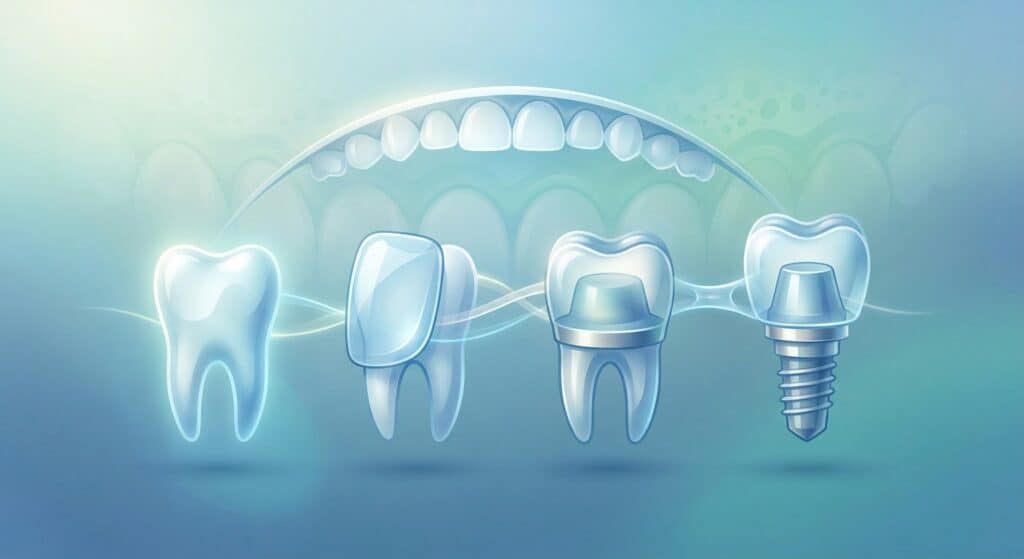
Common types of restorations include dental crowns, veneers, and implants, each serving distinct purposes. For example, dental crowns cap a damaged tooth, while veneers improve its front surface appearance. Dental professionals can help you select the best treatment plan to achieve your oral health goals.
Comparing Crowns, Veneers, and Implants
When considering options for smile improvement or tooth repair, a dental restorations comparison helps in selecting the right treatment. Each restorative solution offers distinct advantages based on the specific dental need. Whether addressing damage, decay, or cosmetic concerns, dentists recommend different approaches.
Crowns, veneers, and implants represent common methods for restoring dental health and appearance. Your choice depends on factors like the tooth’s condition, desired aesthetic outcome, and overall oral health. For example, a dental crown might be best for a severely damaged tooth, while porcelain veneers address cosmetic imperfections.
| Feature | Dental Crowns | Dental Veneers | Dental Implants |
|---|---|---|---|
| Material | Porcelain, ceramic, metal alloys, or a combination | Thin porcelain or resin composite shells | Titanium post with a ceramic crown |
| Durability | Typically 5-15 years or longer with proper care | Generally 7-15 years, depends on material and care | Can last a lifetime with good oral hygiene |
| Cost | Moderate to high, varies by material and tooth location | Moderate to high, varies by material and number of teeth | Highest initial cost, long-term value |
| Application | Covers entire tooth to restore shape, size, strength; often used after root canal therapy or for large cavities | Bonded to front surface for cosmetic improvements (discoloration, chips, minor gaps) | Replaces missing tooth root and crown; supports single crowns, dental bridges, or dentures |
Factors Influencing Restoration Choice
Choosing the right dental restoration involves several key considerations. These factors help determine the most suitable treatment for a patient’s oral health needs and aesthetic goals.
Material Properties and Lifespan
The materials used in dental restorations significantly impact their strength and longevity. Porcelain crowns, for example, offer durability and a natural appearance. Zirconia restorations provide exceptional longevity, especially for teeth that endure heavy chewing forces. Patients can learn more about crown procedures and discuss options during a dental consultation for more.
Appearance and Tooth Function
Aesthetics are crucial, particularly for teeth visible when smiling. Veneers are primarily cosmetic, enhancing the shape, size, and color of front teeth. Beyond looks, a restoration’s ability to restore proper chewing comfort and bite alignment is vital. Patients interested in improving their smile can explore porcelain veneers for more.
Maintaining Your Dental Restorations
Proper care is essential for extending the life and effectiveness of your dental work. Good oral hygiene habits help prevent issues that could affect your crowns, veneers, or implants. Our team recommends a consistent daily routine and regular professional care to keep your smile healthy and functional.
Daily Oral Hygiene
Protecting Your Restorations
- Avoid hard or sticky foods that could chip or dislodge restorations, especially veneers and crowns.
- Schedule routine dental examinations and cleanings every six months to monitor restoration condition and identify problems early.
- If you grind or clench your teeth, a custom night guard can protect restorations from excessive force and wear.
When to Consider Restorative Options
Recognizing the signs that you might benefit from dental care helps maintain oral health. Issues like persistent toothaches, discomfort when chewing, or visible damage indicate it is time to explore solutions. A dental restorations comparison can then guide you and your dentist to the proper procedure for your unique situation.
Our team helps patients understand when various procedures might be necessary to address concerns from minor chips to missing teeth. For instance, addressing minor damage promptly can prevent more extensive problems later. Regular dental check-ups are key for early detection of any issues.
Common Reasons for Restorative Treatment
- Chipped or Cracked Teeth: Accidents, hard foods, or teeth grinding can cause chips and cracks. Small chips may need bonding, while larger cracks could require dental crowns to restore strength.
- Significant Tooth Decay: When cavities become too large for traditional fillings, your dentist might suggest an inlay, onlay, or a crown. These options protect the tooth structure and prevent further decay.
- Missing Teeth: Gaps from missing teeth affect chewing, speech, and can lead to bone loss. Options like dental implants, bridges, or partial dentures can restore your smile’s completeness.
- Severe Discoloration or Stains: If professional whitening does not achieve desired results, options like veneers can significantly improve the aesthetic of your teeth. These cosmetic solutions cover deep stains that other treatments cannot remove.
Making Your Best Choice for Restorations
Selecting the best dental restoration involves considering several factors unique to your oral health and aesthetic goals. Options range from implants to crowns and veneers, each with specific applications and benefits. Your dentist helps determine which solution aligns with your needs for durability, appearance, and overall tooth health.
Weighing the different aspects of each restoration type helps you make an informed choice. It is always best to discuss your individual situation with a dental professional. They can provide tailored recommendations based on a thorough examination.
| Key Consideration | Guidance |
|---|---|
| Oral Health Status | Evaluate the current condition of your teeth and gums. Decay, damage, or missing teeth influence suitable restoration types. |
| Aesthetic Goals | Determine if you primarily seek to improve appearance or restore function. Veneers often focus on cosmetics, while crowns and implants offer both. |
| Long-Term Durability | Consider how long you expect the restoration to last and its resistance to wear. Implants provide a permanent solution for missing teeth. |
| Cost and Insurance | Review the financial investment required for each option and check your dental insurance coverage. Our team can help you understand payment options. |
| Treatment Process | Learn about the steps involved in each procedure, including the number of appointments and recovery time. Root canal therapy often precedes a crown. |
- Options: Discover the various types of your dental restoration available to address tooth concerns.
- Comparison: See a direct comparing crowns, veneers, of crowns, veneers, and implants.
- Influences: Explore the key factors influencing restoration for your dental work.
- Care: Learn how to maintain your maintaining your dental for lasting results.
- When to Act: Determine when to consider restorative procedures for your teeth.
- Decision: Make your making your best for dental restorations with confidence.
Your Dental Restoration Options
When considering a dental restoration, patients often encounter various options designed to repair, protect, or replace teeth. These procedures aim to restore both the health and aesthetic appearance of your smile, addressing issues from decay to missing teeth. Choosing the right restoration involves assessing your specific dental needs and desired outcomes.
Common types of restorations include dental crowns, veneers, and implants, each serving distinct purposes. For example, dental crowns cap a damaged tooth, while veneers improve its front surface appearance. Dental professionals can help you select the best treatment plan to achieve your oral health goals.
Comparing Crowns, Veneers, and Implants
When considering options for smile improvement or tooth repair, a dental restorations comparison helps in selecting the right treatment. Each restorative solution offers distinct advantages based on the specific dental need. Whether addressing damage, decay, or cosmetic concerns, dentists recommend different approaches.
Crowns, veneers, and implants represent common methods for restoring dental health and appearance. Your choice depends on factors like the tooth’s condition, desired aesthetic outcome, and overall oral health. For example, a dental crown might be best for a severely damaged tooth, while porcelain veneers address cosmetic imperfections.
| Feature | Dental Crowns | Dental Veneers | Dental Implants |
|---|---|---|---|
| Material | Porcelain, ceramic, metal alloys, or a combination | Thin porcelain or resin composite shells | Titanium post with a ceramic crown |
| Durability | Typically 5-15 years or longer with proper care | Generally 7-15 years, depends on material and care | Can last a lifetime with good oral hygiene |
| Cost | Moderate to high, varies by material and tooth location | Moderate to high, varies by material and number of teeth | Highest initial cost, long-term value |
| Application | Covers entire tooth to restore shape, size, strength; often used after root canal therapy or for large cavities | Bonded to front surface for cosmetic improvements (discoloration, chips, minor gaps) | Replaces missing tooth root and crown; supports single crowns, dental bridges, or dentures |
Factors Influencing Restoration Choice
Choosing the right dental restoration involves several key considerations. These factors help determine the most suitable treatment for a patient’s oral health needs and aesthetic goals.
Material Properties and Lifespan
The materials used in dental restorations significantly impact their strength and longevity. Porcelain crowns, for example, offer durability and a natural appearance. Zirconia restorations provide exceptional longevity, especially for teeth that endure heavy chewing forces. Patients can learn more about crown procedures and discuss options during a dental consultation for more.
Appearance and Tooth Function
Aesthetics are crucial, particularly for teeth visible when smiling. Veneers are primarily cosmetic, enhancing the shape, size, and color of front teeth. Beyond looks, a restoration’s ability to restore proper chewing comfort and bite alignment is vital. Patients interested in improving their smile can explore porcelain veneers.
Maintaining Your Dental Restorations
Proper care is essential for extending the life and effectiveness of your dental work. Good oral hygiene habits help prevent issues that could affect your crowns, veneers, or implants. Our team recommends a consistent daily routine and regular professional care to keep your smile healthy and functional.
Daily Oral Hygiene
- Brush at least twice daily for two minutes with a soft-bristle brush and fluoride toothpaste. Pay extra attention to areas around restorations.
- Floss once daily to clean between teeth and around restoration margins, preventing gum disease and decay.
- Consider an antimicrobial mouthwash to further reduce bacteria and protect your natural teeth and restorations.
Protecting Your Restorations
- Avoid hard or sticky foods that could chip or dislodge restorations, especially veneers and crowns.
- Schedule routine dental examinations and cleanings every six months to monitor restoration condition and identify problems early.
- If you grind or clench your teeth, a custom night guard can protect restorations from excessive force and wear.
When to Consider Restorative Options
Recognizing the signs that you might benefit from dental care helps maintain oral health. Issues like persistent toothaches, discomfort when chewing, or visible damage indicate it is time to explore solutions. A dental restorations comparison can then guide you and your dentist to the proper procedure for your unique situation.
Our team helps patients understand when various procedures might be necessary to address concerns from minor chips to missing teeth. For instance, addressing minor damage promptly can prevent more extensive problems later. Regular dental check-ups are key for early detection of any issues.
Common Reasons for Restorative Treatment
- Chipped or Cracked Teeth: Accidents, hard foods, or teeth grinding can cause chips and cracks. Small chips may need bonding, while larger cracks could require dental crowns to restore strength.
- Significant Tooth Decay: When cavities become too large for traditional fillings, your dentist might suggest an inlay, onlay, or a crown. These options protect the tooth structure and prevent further decay.
- Missing Teeth: Gaps from missing teeth affect chewing, speech, and can lead to bone loss. Options like dental implants, bridges, or partial dentures can restore your smile’s completeness.
- Severe Discoloration or Stains: If professional whitening does not achieve desired results, options like veneers can significantly improve the aesthetic of your teeth. These cosmetic solutions cover deep stains that other treatments cannot remove.
Making Your Best Choice for Restorations
Selecting the best dental restoration involves considering several factors unique to your oral health and aesthetic goals. Options range from implants to crowns and veneers, each with specific applications and benefits. Your dentist helps determine which solution aligns with your needs for durability, appearance, and overall tooth health.
Weighing the different aspects of each restoration type helps you make an informed choice. It is always best to discuss your individual situation with a dental professional. They can provide tailored recommendations based on a thorough examination.
| Key Consideration | Guidance |
|---|---|
| Oral Health Status | Evaluate the current condition of your teeth and gums. Decay, damage, or missing teeth influence suitable restoration types. |
| Aesthetic Goals | Determine if you primarily seek to improve appearance or restore function. Veneers often focus on cosmetics, while crowns and implants offer both. |
| Long-Term Durability | Consider how long you expect the restoration to last and its resistance to wear. Implants provide a permanent solution for missing teeth. |
| Cost and Insurance | Review the financial investment required for each option and check your dental insurance coverage. Our team can help you understand payment options. |
| Treatment Process | Learn about the steps involved in each procedure, including the number of appointments and recovery time. Root canal therapy often precedes a crown. |
- Key point: Brush at least twice daily for two minutes with a soft-bristle brush and fluoride toothpaste. Pay extra attention to areas around restorations — see your dental restoration.
- Key point: Floss once daily to clean between teeth and around restoration margins, preventing gum disease and decay — see comparing crowns, veneers,.
- Key point: Consider an antimicrobial mouthwash to further reduce bacteria and protect your natural teeth and restorations — see factors influencing restoration.
- Maintaining Your Dental Restorations: Maintaining Your Dental Restorations — see maintaining your dental.
- When to Consider Restorative: When to Consider Restorative Options — see when to consider.
- Making Your Best Choice: Making Your Best Choice for Restorations — see making your best.
- Your Dental Restoration Options: Your Dental Restoration Options — see your dental restoration.
- Comparing Crowns, Veneers, and: Comparing Crowns, Veneers, and Implants — see comparing crowns, veneers,.
- Factors Influencing Restoration Choice: Factors Influencing Restoration Choice — see factors influencing restoration.
- Maintaining Your Dental Restorations: Maintaining Your Dental Restorations — see maintaining your dental.
- When to Consider Restorative: When to Consider Restorative Options — see when to consider.
- Making Your Best Choice: Making Your Best Choice for Restorations — see making your best.
Your Dental Restoration Options
When considering a dental restoration, patients often encounter various options designed to repair, protect, or replace teeth. These procedures aim to restore both the health and aesthetic appearance of your smile, addressing issues from decay to missing teeth. Choosing the right restoration involves assessing your specific dental needs and desired outcomes.
Common types of restorations include dental crowns, veneers, and implants, each serving distinct purposes. For example, dental crowns cap a damaged tooth, while veneers improve its front surface appearance. Dental professionals can help you select the best treatment plan to achieve your oral health goals.
Comparing Crowns, Veneers, and Implants
When considering options for smile improvement or tooth repair, a dental restorations comparison helps in selecting the right treatment. Each restorative solution offers distinct advantages based on the specific dental need. Whether addressing damage, decay, or cosmetic concerns, dentists recommend different approaches.
Crowns, veneers, and implants represent common methods for restoring dental health and appearance. Your choice depends on factors like the tooth’s condition, desired aesthetic outcome, and overall oral health. For example, a dental crown might be best for a severely damaged tooth, while porcelain veneers address cosmetic imperfections.
| Feature | Dental Crowns | Dental Veneers | Dental Implants |
|---|---|---|---|
| Material | Porcelain, ceramic, metal alloys, or a combination | Thin porcelain or resin composite shells | Titanium post with a ceramic crown |
| Durability | Typically 5-15 years or longer with proper care | Generally 7-15 years, depends on material and care | Can last a lifetime with good oral hygiene |
| Cost | Moderate to high, varies by material and tooth location | Moderate to high, varies by material and number of teeth | Highest initial cost, long-term value |
| Application | Covers entire tooth to restore shape, size, strength; often used after root canal therapy or for large cavities | Bonded to front surface for cosmetic improvements (discoloration, chips, minor gaps) | Replaces missing tooth root and crown; supports single crowns, dental bridges, or dentures |
Factors Influencing Restoration Choice
Choosing the right dental restoration involves several key considerations. These factors help determine the most suitable treatment for a patient’s oral health needs and aesthetic goals.
Material Properties and Lifespan
The materials used in dental restorations significantly impact their strength and longevity. Porcelain crowns, for example, offer durability and a natural appearance. Zirconia restorations provide exceptional longevity, especially for teeth that endure heavy chewing forces. Patients can learn more about crown procedures and discuss options during a dental consultation for more.
Appearance and Tooth Function
Aesthetics are crucial, particularly for teeth visible when smiling. Veneers are primarily cosmetic, enhancing the shape, size, and color of front teeth. Beyond looks, a restoration’s ability to restore proper chewing comfort and bite alignment is vital. Patients interested in improving their smile can explore porcelain veneers for more.
Maintaining Your Dental Restorations
Proper care is essential for extending the life and effectiveness of your dental work. Good oral hygiene habits help prevent issues that could affect your crowns, veneers, or implants. Our team recommends a consistent daily routine and regular professional care to keep your smile healthy and functional.
Daily Oral Hygiene
- Brush at least twice daily for two minutes with a soft-bristle brush and fluoride toothpaste. Pay extra attention to areas around restorations.
- Floss once daily to clean between teeth and around restoration margins, preventing gum disease and decay.
- Consider an antimicrobial mouthwash to further reduce bacteria and protect your natural teeth and restorations.
Protecting Your Restorations
- Avoid hard or sticky foods that could chip or dislodge restorations, especially veneers and crowns.
- Schedule routine dental examinations and cleanings every six months to monitor restoration condition and identify problems early.
- If you grind or clench your teeth, a custom night guard can protect restorations from excessive force and wear.
When to Consider Restorative Options
Recognizing the signs that you might benefit from dental care helps maintain oral health. Issues like persistent toothaches, discomfort when chewing, or visible damage indicate it is time to explore solutions. A dental restorations comparison can then guide you and your dentist to the proper procedure for your unique situation.
Our team helps patients understand when various procedures might be necessary to address concerns from minor chips to missing teeth. For instance, addressing minor damage promptly can prevent more extensive problems later. Regular dental check-ups are key for early detection of any issues.
Common Reasons for Restorative Treatment
- Chipped or Cracked Teeth: Accidents, hard foods, or teeth grinding can cause chips and cracks. Small chips may need bonding, while larger cracks could require dental crowns to restore strength.
- Significant Tooth Decay: When cavities become too large for traditional fillings, your dentist might suggest an inlay, onlay, or a crown. These options protect the tooth structure and prevent further decay.
- Missing Teeth: Gaps from missing teeth affect chewing, speech, and can lead to bone loss. Options like dental implants, bridges, or partial dentures can restore your smile’s completeness.
- Severe Discoloration or Stains: If professional whitening does not achieve desired results, options like veneers can significantly improve the aesthetic of your teeth. These cosmetic solutions cover deep stains that other treatments cannot remove.
Making Your Best Choice for Restorations
Selecting the best dental restoration involves considering several factors unique to your oral health and aesthetic goals. Options range from implants to crowns and veneers, each with specific applications and benefits. Your dentist helps determine which solution aligns with your needs for durability, appearance, and overall tooth health.
Weighing the different aspects of each restoration type helps you make an informed choice. It is always best to discuss your individual situation with a dental professional. They can provide tailored recommendations based on a thorough examination.
| Key Consideration | Guidance |
|---|---|
| Oral Health Status | Evaluate the current condition of your teeth and gums. Decay, damage, or missing teeth influence suitable restoration types. |
| Aesthetic Goals | Determine if you primarily seek to improve appearance or restore function. Veneers often focus on cosmetics, while crowns and implants offer both. |
| Long-Term Durability | Consider how long you expect the restoration to last and its resistance to wear. Implants provide a permanent solution for missing teeth. |
| Cost and Insurance | Review the financial investment required for each option and check your dental insurance coverage. Our team can help you understand payment options. |
| Treatment Process | Learn about the steps involved in each procedure, including the number of appointments and recovery time. Root canal therapy often precedes a crown. |
- Options: Discover the various types of your dental restoration available to address tooth concerns.
- Comparison: See a direct comparing crowns, veneers, of crowns, veneers, and implants.
- Influences: Explore the key factors influencing restoration for your dental work.
- Care: Learn how to maintain your maintaining your dental for lasting results.
- When to Act: Determine when to consider restorative procedures for your teeth.
- Decision: Make your making your best for dental restorations with confidence.
Your Dental Restoration Options
When considering a dental restoration, patients often encounter various options designed to repair, protect, or replace teeth. These procedures aim to restore both the health and aesthetic appearance of your smile, addressing issues from decay to missing teeth. Choosing the right restoration involves assessing your specific dental needs and desired outcomes.
Common types of restorations include dental crowns, veneers, and implants, each serving distinct purposes. For example, dental crowns cap a damaged tooth, while veneers improve its front surface appearance. Dental professionals can help you select the best treatment plan to achieve your oral health goals.
Comparing Crowns, Veneers, and Implants
When considering options for smile improvement or tooth repair, a dental restorations comparison helps in selecting the right treatment. Each restorative solution offers distinct advantages based on the specific dental need. Whether addressing damage, decay, or cosmetic concerns, dentists recommend different approaches.
Crowns, veneers, and implants represent common methods for restoring dental health and appearance. Your choice depends on factors like the tooth’s condition, desired aesthetic outcome, and overall oral health. For example, a dental crown might be best for a severely damaged tooth, while porcelain veneers address cosmetic imperfections.
| Feature | Dental Crowns | Dental Veneers | Dental Implants |
|---|---|---|---|
| Material | Porcelain, ceramic, metal alloys, or a combination | Thin porcelain or resin composite shells | Titanium post with a ceramic crown |
| Durability | Typically 5-15 years or longer with proper care | Generally 7-15 years, depends on material and care | Can last a lifetime with good oral hygiene |
| Cost | Moderate to high, varies by material and tooth location | Moderate to high, varies by material and number of teeth | Highest initial cost, long-term value |
| Application | Covers entire tooth to restore shape, size, strength; often used after root canal therapy or for large cavities | Bonded to front surface for cosmetic improvements (discoloration, chips, minor gaps) | Replaces missing tooth root and crown; supports single crowns, dental bridges, or dentures |
Factors Influencing Restoration Choice
Choosing the right dental restoration involves several key considerations. These factors help determine the most suitable treatment for a patient’s oral health needs and aesthetic goals.
Material Properties and Lifespan
The materials used in dental restorations significantly impact their strength and longevity. Porcelain crowns, for example, offer durability and a natural appearance. Zirconia restorations provide exceptional longevity, especially for teeth that endure heavy chewing forces. Patients can learn more about crown procedures and discuss options during a dental consultation for more.
Appearance and Tooth Function
Aesthetics are crucial, particularly for teeth visible when smiling. Veneers are primarily cosmetic, enhancing the shape, size, and color of front teeth. Beyond looks, a restoration’s ability to restore proper chewing comfort and bite alignment is vital. Patients interested in improving their smile can explore porcelain veneers.
Maintaining Your Dental Restorations
Proper care is essential for extending the life and effectiveness of your dental work. Good oral hygiene habits help prevent issues that could affect your crowns, veneers, or implants. Our team recommends a consistent daily routine and regular professional care to keep your smile healthy and functional.
Daily Oral Hygiene
- Brush at least twice daily for two minutes with a soft-bristle brush and fluoride toothpaste. Pay extra attention to areas around restorations.
- Floss once daily to clean between teeth and around restoration margins, preventing gum disease and decay.
- Consider an antimicrobial mouthwash to further reduce bacteria and protect your natural teeth and restorations.
Protecting Your Restorations
- Avoid hard or sticky foods that could chip or dislodge restorations, especially veneers and crowns.
- Schedule routine dental examinations and cleanings every six months to monitor restoration condition and identify problems early.
- If you grind or clench your teeth, a custom night guard can protect restorations from excessive force and wear.
When to Consider Restorative Options
Recognizing the signs that you might benefit from dental care helps maintain oral health. Issues like persistent toothaches, discomfort when chewing, or visible damage indicate it is time to explore solutions. A dental restorations comparison can then guide you and your dentist to the proper procedure for your unique situation.
Our team helps patients understand when various procedures might be necessary to address concerns from minor chips to missing teeth. For instance, addressing minor damage promptly can prevent more extensive problems later. Regular dental check-ups are key for early detection of any issues.
Common Reasons for Restorative Treatment
- Chipped or Cracked Teeth: Accidents, hard foods, or teeth grinding can cause chips and cracks. Small chips may need bonding, while larger cracks could require dental crowns to restore strength.
- Significant Tooth Decay: When cavities become too large for traditional fillings, your dentist might suggest an inlay, onlay, or a crown. These options protect the tooth structure and prevent further decay.
- Missing Teeth: Gaps from missing teeth affect chewing, speech, and can lead to bone loss. Options like dental implants, bridges, or partial dentures can restore your smile’s completeness.
- Severe Discoloration or Stains: If professional whitening does not achieve desired results, options like veneers can significantly improve the aesthetic of your teeth. These cosmetic solutions cover deep stains that other treatments cannot remove.
Making Your Best Choice for Restorations
Selecting the best dental restoration involves considering several factors unique to your oral health and aesthetic goals. Options range from implants to crowns and veneers, each with specific applications and benefits. Your dentist helps determine which solution aligns with your needs for durability, appearance, and overall tooth health.
Weighing the different aspects of each restoration type helps you make an informed choice. It is always best to discuss your individual situation with a dental professional. They can provide tailored recommendations based on a thorough examination.
| Key Consideration | Guidance |
|---|---|
| Oral Health Status | Evaluate the current condition of your teeth and gums. Decay, damage, or missing teeth influence suitable restoration types. |
| Aesthetic Goals | Determine if you primarily seek to improve appearance or restore function. Veneers often focus on cosmetics, while crowns and implants offer both. |
| Long-Term Durability | Consider how long you expect the restoration to last and its resistance to wear. Implants provide a permanent solution for missing teeth. |
| Cost and Insurance | Review the financial investment required for each option and check your dental insurance coverage. Our team can help you understand payment options. |
| Treatment Process | Learn about the steps involved in each procedure, including the number of appointments and recovery time. Root canal therapy often precedes a crown. |