
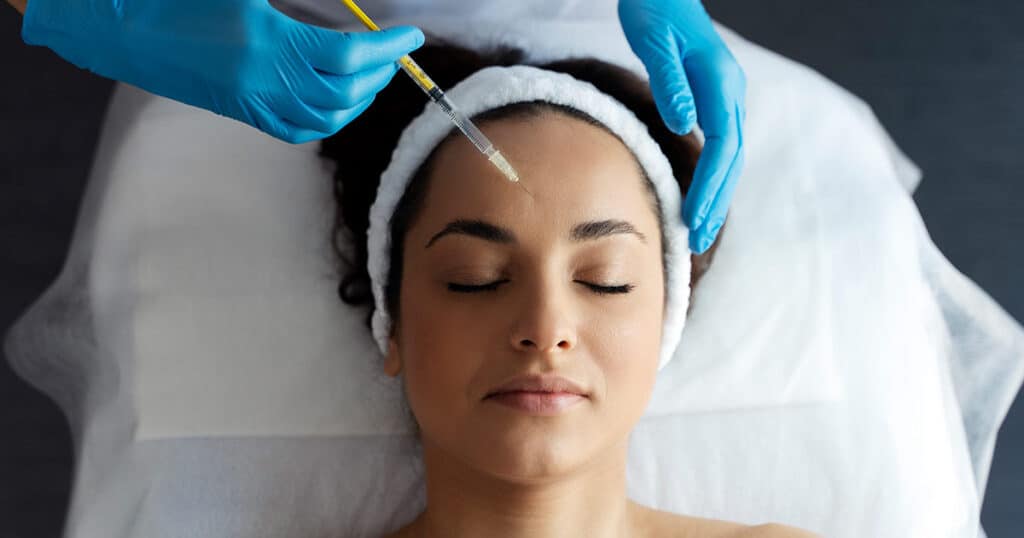

Understanding Dental Botox for Jaw Pain
Many patients experiencing jaw pain and related discomfort often wonder if Botox can offer relief. The answer is yes; therapeutic Botox is a recognized and effective treatment for various dental pain conditions, significantly improving a patient’s quality of life.
This advanced dental treatment targets the root causes of muscular pain and tension in the jaw, offering a non-invasive solution for conditions that traditional methods may not fully address. It is crucial to understand how these targeted injections can alleviate symptoms and restore normal function.
Exploring the benefits of Botox for dental pain opens up new possibilities for managing chronic issues. Our team is dedicated to providing comprehensive care, integrating innovative treatments like Botox into your overall oral health strategy. Learn more about Botox for TMJ and its applications.
What is Dental Botox?
Dental Botox refers to the therapeutic use of Botulinum toxin type A, a purified protein, administered by trained dental professionals. Unlike cosmetic applications, dental Botox focuses on alleviating pain and dysfunction by relaxing overactive muscles in the jaw, face, and neck.
The mechanism of action involves blocking nerve signals that cause muscle contractions. When injected into specific muscles, Botox temporarily reduces their activity, which can relieve tension, spasms, and pain associated with conditions like temporomandibular joint (TMJ) disorders and bruxism (teeth grinding). This targeted approach makes it a powerful tool in restorative dentistry. For more information on how Botox can help with TMJ issues, you can read about TMJ symptoms and causes for more.
| Aspect | Description |
|---|---|
| Active Ingredient | Botulinum toxin type A |
| Administration | Injected by a trained dental professional |
| Primary Use in Dentistry | Therapeutic relief of muscle-related pain and dysfunction |
| Mechanism | Temporarily blocks nerve signals to muscles, reducing contractions |
| Key Applications | TMJ disorders, bruxism, muscle spasms, facial pain |
| Contrast with Cosmetic Botox | Focuses on pain relief and function, not aesthetic enhancement |
Therapeutic Uses of Botox in Dentistry
Botox offers targeted relief for a range of dental and orofacial pain conditions by addressing underlying muscle hyperactivity. When administered by a skilled dental professional, it provides a safe and effective solution for patients suffering from chronic discomfort. If you’re interested in learning more about this treatment, our article on Botox for TMJ can provide further details.
Relief from TMJ Disorders
Temporomandibular joint (TMJ) disorders often stem from muscle tension and spasms in the jaw muscles. Botox injections into the masseter and temporalis muscles can significantly reduce the force of jaw clenching and grinding, thereby alleviating TMJ pain, clicking sounds, and limited jaw movement. This relaxation helps to normalize jaw function and reduce discomfort associated with the joint. For those exploring tooth replacement options, understanding Alberta denture costs is also important.
Managing Bruxism (Teeth Grinding)
Bruxism, or chronic teeth grinding and clenching, can lead to severe dental wear, headaches, and jaw pain. By reducing the activity of the masseter muscles, Botox effectively decreases the intensity of grinding, protecting teeth from further damage and providing relief from associated pain. This treatment can be a crucial part of a comprehensive plan for managing bruxism for more.
Alleviating Muscle Spasms and Facial Pain
Involuntary muscle spasms in the face and jaw can cause significant pain and discomfort. Botox can be used to treat these spasms, providing relief from conditions like blepharospasm (involuntary eyelid closure) or hemifacial spasm. It also helps manage various types of facial pain linked to muscle tension, contributing to improved comfort and well-being. Understanding the difference between plaque and tartar is also crucial for maintaining oral health and preventing related pain; our guide to plaque vs tartar explains the key distinctions. For those concerned about the financial aspects of dental care, understanding Alberta denture costs is also important.
Addressing Dental Anxiety and Phobias
While not a direct pain treatment, Botox can indirectly help patients with severe dental anxiety or phobias. By reducing the muscle tension often associated with stress and fear, some patients report feeling more relaxed during dental appointments, making necessary treatments, such as those for dental implants, more manageable. For more information on managing anxiety, review our guide on dental anxiety help for more.
Benefits of Dental Botox
Undergoing dental Botox treatment offers several compelling advantages for patients experiencing discomfort and functional issues related to their jaw and facial muscles. These benefits extend beyond simple pain reduction, contributing to an overall improvement in health and quality of life. For instance, it can be an effective treatment for TMJ disorders, helping to alleviate jaw pain and improve function. Many patients find that addressing these issues can also help prevent further dental problems, such as those discussed in our dental health and problem prevention guide for more.
- Significant Pain Reduction: Botox effectively targets and relaxes overactive muscles, providing substantial relief from TMJ pain, headaches, and muscle spasms.
- Improved Jaw Function: By reducing clenching and grinding forces, Botox helps restore normal jaw movement and reduces associated stiffness.
- Non-Surgical Solution: It offers a minimally invasive alternative to surgery for managing chronic muscle-related pain and dysfunction.
- Fast-Acting Relief: Patients often begin to notice a reduction in pain and tension within a few days to a week after treatment.
- Preventative Dental Care: For those with bruxism, Botox can help prevent further damage to teeth and dental work, preserving oral health long-term.
Our experience serving local patients has shown that dental Botox offers significant relief for chronic jaw discomfort. This treatment is a vital part of our comprehensive approach to patient care at Heritage Dental Centre, complementing other restorative procedures like dental crowns, which address structural issues. Learn more about dental crown options to restore your smile.
Is Botox Safe for Dental Procedures?
Botox has a well-established safety profile when administered by qualified and trained dental professionals for specific therapeutic purposes. The American FDA has approved Botox for indications that align with its use in dental pain management, such as treating chronic migraines and muscle spasticity, underscoring its safety for these applications. For more details on its dental applications, read our guide to dental Botox for more.
The FDA has approved Botox for several indications relevant to dental patients, including the treatment of chronic migraine, muscle spasticity associated with certain neurological conditions, and, more broadly, for temporary improvement in the appearance of moderate to severe frown lines between the eyebrows. While not explicitly approved for TMJ or bruxism in all regions, its efficacy in treating muscle-related pain in the head and neck area is widely recognized and utilized by dental professionals based on extensive clinical evidence and experience.
When performed by a dentist experienced in facial anatomy and Botox administration, the procedure carries minimal risks. Proper training ensures that injections are delivered precisely to the target muscles, maximizing effectiveness while minimizing the chance of side effects. Patients seeking Botox for dental pain options should feel confident in discussing Botox with their trusted dental team, and can learn more about Botox for TMJ to understand its applications.
The Botox Treatment Process
Receiving Botox treatment for dental pain involves a clear, straightforward process designed for patient comfort and optimal results. From initial consultation to post-treatment care, our team ensures you are well-informed and comfortable every step of the way. Understanding proper oral hygiene, such as the benefits of an electric toothbrush, can also complement your overall dental health and is a key part of maintaining good oral hygiene. For more information on how Botox can help with specific dental issues, you can explore our page on Botox for TMJ. Learning about the difference between plaque and tartar can also contribute to your understanding of overall dental health by visiting our guide on plaque vs tartar for more.
- Consultation and Assessment: The process begins with a thorough consultation. Your dental professional will assess your condition, discuss your symptoms, medical history, and determine if Botox is the appropriate treatment for you.
- Treatment Planning: Based on your assessment, a personalized treatment plan is developed. This includes identifying the specific muscles to be injected and the precise dosage required.
- Injection Procedure: The injections are administered using fine needles directly into the targeted muscles. The procedure is generally quick, often taking only a few minutes, and discomfort is typically minimal.
- Post-Treatment Care: After the injections, you may receive specific instructions, such as avoiding strenuous activity or massaging the injection sites. You can usually resume normal activities immediately.
- Follow-up: A follow-up appointment may be scheduled to assess the effectiveness of the treatment and determine if any adjustments are needed.
Consultation and Diagnosis
The initial consultation is a crucial step where your dental professional will thoroughly assess your condition and discuss your medical history to determine if Botox is the right treatment for TMJ issues. Understanding TMJ symptoms and causes can help you prepare for this discussion; learn more about their potential causes and symptoms here.
The journey to relief begins with a detailed consultation. Our dental professionals will meticulously evaluate your symptoms, review your medical history, and conduct a physical examination of your jaw and facial muscles. This comprehensive assessment helps us accurately diagnose the cause of your pain and determine if Botox dental treatment is the most suitable option for your specific needs. If you’re unsure about finding the right provider, our guide on how to choose a dentist can offer valuable insights.
The Injection Procedure
During the injection phase, fine needles are used to deliver small amounts of Botox directly into the identified overactive muscles, such as the masseter or temporalis. The procedure is typically brief, often completed within 10-20 minutes. Most patients experience only mild, temporary discomfort, similar to a pinprick. We prioritize your comfort throughout the process, and our team includes highly trained professionals, whether you’re seeing a dentist or a hygienist for your care, and we can also help with issues like stale mouth meaning. For more information on restorative dental work, you can explore our comparison of crowns versus veneers for more.
Post-Treatment and Expected Results
Following the injections, you can generally resume your daily activities without significant downtime. While initial results may vary, many patients start to experience a reduction in muscle tension and pain within a few days, with full effects typically noticeable within two weeks. The results of Botox treatment generally last for three to six months, after which the muscles regain their activity, and repeat treatments may be considered. For smile enhancements, understanding the difference between options like veneers and crowns is important; our guide to crowns vs. veneers explains the distinctions.
Botox vs. Other Dental Treatments
When considering treatments for conditions like TMJ disorders or bruxism, Botox presents a distinct option compared to traditional dental approaches. While therapies like custom night guards, physical therapy, or occlusal adjustments address symptoms or protect teeth, Botox directly targets the muscle overactivity causing the issue. To understand more about TMJ symptoms and causes, you can explore our guide to TMJ relief.
The primary advantage of Botox lies in its ability to relax muscles non-surgically, providing relief from pain and spasms that other methods might not fully resolve. However, unlike a night guard which offers continuous protection, Botox’s effects are temporary. Patients seeking long-term management may require ongoing treatments or a combination of therapies. Consulting with our team can help determine the most effective approach to dental anxiety plan.
Consult for Botox Relief
If you are experiencing persistent jaw pain, headaches, or discomfort due to muscle tension or grinding, it is time to explore the benefits of dental Botox. Our dedicated team at Heritage Dental Centre is ready to provide expert care and personalized treatment plans designed to bring you significant relief.
We encourage you to schedule a consultation to discuss your specific condition and learn how therapeutic Botox can effectively manage your symptoms. Discover a path to comfort and improved oral function by contacting us today. You can schedule your appointment or reach out with any questions you may have about this innovative treatment.
Frequently Asked Questions
| Question | Answer |
|---|---|
| What is the main goal of Botox in dental treatment? | The primary goal of dental Botox is to provide therapeutic relief from pain and dysfunction caused by overactive jaw and facial muscles, such as in TMJ disorders and bruxism. You can learn more about TMJ symptoms and causes on our site. |
| How long do the effects of dental Botox last? | The effects of Botox injections typically last for three to six months. After this period, muscle activity gradually returns, and patients may opt for repeat treatments to maintain relief. |
| Is dental Botox painful? | Discomfort during Botox injections is generally minimal, comparable to a pinprick. Fine needles are used, and the procedure is quick. Many patients tolerate it well, and topical anesthetic can be used if needed. |
| Can Botox help with teeth grinding (bruxism)? | Yes, Botox is highly effective in treating bruxism by relaxing the masseter muscles, reducing the intensity of teeth grinding and clenching, and thereby alleviating associated pain and preventing dental damage. |
| How quickly can I expect to see results from dental Botox? | Many patients begin to notice a reduction in muscle tension and pain within a few days to a week after treatment. The full effects usually become apparent within two weeks. |