
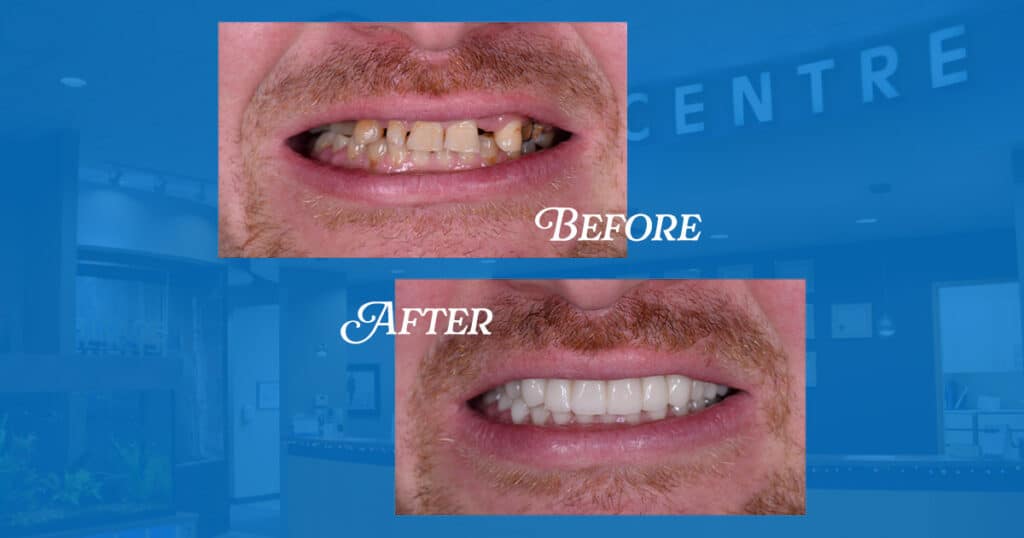

Restore Your Smile with Dental Crowns
Cosmetic dental crowns offer a transformative solution for enhancing your smile’s appearance and restoring compromised teeth. These custom-made caps are designed to perfectly fit over damaged or aesthetically displeasing teeth, providing a natural look and renewed function. At Heritage Dental Centre, we specialize in creating beautiful, durable cosmetic crowns that help our patients regain their confidence.
When teeth are discolored, misshapen, chipped, or worn down, cosmetic dental crowns act as a protective shell, improving both the form and health of your smile. Our team is dedicated to providing personalized care, ensuring that your new crowns blend seamlessly with your existing teeth for a radiant, natural-looking result. We understand the impact a beautiful smile can have, and cosmetic crowns are a key part of achieving that goal.
Investing in cosmetic dental crowns is an investment in your oral health and overall well-being. They not only enhance aesthetics but also strengthen vulnerable teeth, preventing further damage and restoring full chewing capability. Explore how our advanced techniques in cosmetic dentistry can revitalize your smile at Heritage Dental Centre.
What is a Cosmetic Dental Crown?
A cosmetic dental crown is a custom-fabricated cap that completely encases a damaged or aesthetically flawed tooth, restoring its shape, size, strength, and appearance. Unlike traditional crowns primarily focused on function, cosmetic crowns prioritize aesthetic outcomes, utilizing high-quality materials and precise craftsmanship to achieve a natural and beautiful result. They are an excellent option for correcting imperfections and achieving a harmonious smile.
The primary goal of a cosmetic dental crown is to blend seamlessly with your surrounding teeth, enhancing your smile’s overall appearance. Whether a tooth is discolored, misshapen, or has a large filling, a cosmetic crown can provide a flawless finish. Our services in restorative dentistry ensure that both the function and beauty of your teeth are addressed.
When considering smile enhancements, it’s helpful to understand the nuances between different dental restorations. Cosmetic crowns are designed with aesthetics as a top priority, making them ideal for visible teeth. For more information on improving your smile, our cosmetic dentistry procedures are a great starting point.
Our commitment to personalized care means that each stage of the cosmetic dental crown procedure is tailored to your unique needs. We utilize advanced techniques to ensure a comfortable experience and a beautiful outcome. For more details on enhancing your smile, consider exploring our cosmetic dentistry options.
The journey to a restored smile with dental crowns involves several key phases. We ensure that you are informed and comfortable throughout the entire process. If you have questions about dental procedures, our electric toothbrush and gum recession offers valuable insights.
- Local anesthetic administration to ensure comfort during the procedure.
- Shaping the tooth by carefully removing a small amount of enamel to accommodate the crown.
- Creating precise dental impressions of the prepared tooth and surrounding teeth for accurate lab fabrication.
- Ensuring comfort and protecting the prepared tooth while the permanent crown is being made with a temporary crown.
Consultation and Treatment Planning
The initial consultation is crucial for understanding your aesthetic goals and assessing the health of the tooth requiring a crown. Our dental professionals will discuss your options, explain the procedure in detail, and answer any questions you may have. If you’re unsure about selecting a provider, our guide on how to choose a dentist can offer valuable insights. We take digital photographs and possibly X-rays to create a comprehensive treatment plan tailored to your needs, ensuring that the final result aligns with your vision for a perfect smile.
Tooth Preparation and Impression Taking
This stage involves carefully preparing the tooth to receive the crown and taking precise measurements. Understanding the reasons why you may need a dental crown can help in this planning phase. For example, if decay is extensive, we may need to take dental x-rays to assess the full extent of the issue, and you can learn more about Botox in dentistry during this process.
Once the treatment plan is established, the tooth designated for the crown will be prepared. This involves removing decay and reshaping the tooth structure to create the ideal foundation. Following preparation, precise impressions are taken using advanced digital scanning technology or traditional putty materials. These impressions are vital for the dental laboratory to accurately fabricate a crown that fits perfectly and matches your natural bite.
Temporary Crown Placement
While your permanent cosmetic crown is being custom-made by our trusted dental laboratory, a temporary crown will be placed. This temporary restoration protects the prepared tooth from sensitivity and maintains its position, ensuring your smile remains functional and aesthetically pleasing during the interim period. It’s important to handle the temporary crown with care and report any discomfort or issues promptly, and to understand the different roles of a dentist vs hygienist in your care, as well as the differences between crowns and veneers for more.
Permanent Crown Placement
Upon completion of your custom cosmetic crown, you will return for the final placement. Our dentist will carefully check the fit, color, and bite of the new crown. Once you and the dentist are completely satisfied with the aesthetics and comfort, the crown will be securely cemented into place. This final step restores the tooth’s strength, function, and beauty, completing your smile transformation. For patients experiencing discomfort, learning about how Botox can help dental patients may offer relief.
Types of Cosmetic Dental Crowns
Understanding the different types of crowns available can help you make an informed decision about your dental health. For more information on restorative options, explore our restorative dentistry services.
The choice of material for your cosmetic dental crown significantly impacts its appearance, durability, and cost. At Heritage Dental Centre, we offer a range of high-quality materials, each with unique properties to suit different needs and preferences. Understanding these options allows you to make an informed decision about the best restoration for your smile.
We use materials like porcelain, advanced ceramics, and zirconia, all chosen for their biocompatibility and aesthetic potential. Each material is expertly crafted to provide a natural look that complements your existing teeth. Our cosmetic dentistry team will guide you through selecting the ideal material for your specific requirements.
The aesthetic quality and longevity of your crown depend heavily on the material used. We are committed to using the finest dental materials available to ensure beautiful and lasting results. For more information on dental materials, you can explore our dental restoration care guide for more.
- Porcelain Crowns: Pros: Offer excellent aesthetics, closely mimicking the natural color and translucency of tooth enamel. They are a popular choice for front teeth where appearance is paramount. Cons: Can be more brittle than other materials and may be prone to chipping or wear over time, especially if subjected to excessive force.
- Ceramic Crowns (e.g., E-max): Pros: Provide a highly aesthetic and natural-looking result, with good durability and excellent biocompatibility. They are a strong option for both front and back teeth. Cons: While strong, they may not be as robust as zirconia for molars requiring significant chewing force.
- Zirconia Crowns: Pros: Extremely strong and durable, making them ideal for posterior teeth that endure substantial chewing forces. They can be milled for a highly precise fit and offer good aesthetics. Cons: Can sometimes appear more opaque than porcelain, potentially making them less natural-looking if not expertly crafted or layered with porcelain for enhanced aesthetics.
Benefits of Cosmetic Dental Crowns
Choosing the right type of crown depends on your specific needs and the tooth’s location. For a comprehensive understanding of your options, you can explore our detailed guide on crowns vs veneers for more.
Choosing the right type of crown is essential for both function and appearance. If you’re considering cosmetic dental work, understanding the options available is the first step. For more information on how to select the best dental professional for your needs, check out our guide on choosing a dentist for more.
Cosmetic dental crowns offer a multitude of benefits, extending beyond mere aesthetics to significantly improve the health, strength, and overall function of your teeth. They are a versatile restorative solution capable of transforming smiles and boosting self-confidence. Our goal at Heritage Dental Centre is to provide restorations that are as functional as they are beautiful.
One of the primary advantages is the dramatic improvement in appearance. Crowns can conceal discoloration, chips, cracks, and misshapen teeth, creating a uniform and radiant smile. Furthermore, they provide a protective layer that strengthens weak or damaged teeth, preventing further deterioration and restoring optimal chewing ability. Our smile makeovers often incorporate crowns for comprehensive results. If you’re wondering about the difference between crowns and veneers, our crowns vs veneers comparison can help.
Having helped numerous individuals in the Edmonton area achieve stunning smiles with cosmetic crowns, we’ve consistently seen how these restorations boost confidence and restore full chewing function. The durability and natural look of modern crowns make them an excellent long-term solution for many dental concerns. Discover how cosmetic dentistry can benefit you.
Are Cosmetic Crowns Worth It?
The investment in cosmetic dental crowns is often considered highly worthwhile due to their significant impact on appearance, oral health, and quality of life. These restorations provide a durable and aesthetically pleasing solution for a variety of dental imperfections, offering long-lasting results that can boost self-esteem and restore confidence in one’s smile. When considering the overall value, their longevity and transformative power are key factors.
The aesthetic improvements provided by cosmetic crowns can be profound, giving individuals the confidence to smile, speak, and eat without reservation. Beyond appearance, crowns strengthen and protect damaged teeth, preventing further decay and the need for more extensive treatments down the line. This proactive approach to oral health contributes to overall well-being. For those concerned about financing, exploring Alberta denture costs can make this investment more accessible.
Considering the longevity and the profound positive effect on a patient’s confidence and daily life, cosmetic crowns represent a valuable investment in oral health. They offer a comprehensive solution that addresses both functional and aesthetic concerns, leading to greater satisfaction and improved chewing function. Read our testimonials to see the impact they’ve had on our patients.
Caring for Your Cosmetic Dental Crowns
Maintaining the beauty and longevity of your cosmetic dental crowns requires consistent oral hygiene practices and mindful dietary choices. Proper care ensures that your crowns remain strong, stain-free, and seamlessly integrated with your natural smile for years to come. At Heritage Dental Centre, we provide comprehensive guidance to help you preserve your investment.
Daily brushing and flossing are paramount to keeping both your natural teeth and crowns clean and healthy. Avoiding excessively hard and sticky foods will prevent undue stress on the crowns, and understanding the best and worst foods for your teeth can further protect them. Regular dental check-ups are also essential for monitoring the condition of your crowns and ensuring optimal oral health. For tips on maintaining good oral hygiene, visit our family oral hygiene routine guide for more.
Adhering to these simple care routines will help protect your investment and keep your smile looking its best. Remember that crowns, while durable, can still be affected by poor hygiene or habits that damage natural teeth. Explore more about preserving your dental health on our preventative dental care page. For a comprehensive understanding of different restorative options, you can learn about dental crowns and their benefits. Understanding the difference between plaque and tartar is crucial for preventing gum disease, so be sure to review our plaque vs tartar guide for more.
- Daily Care: Brush twice daily with a soft-bristled toothbrush and fluoride toothpaste, paying attention to the gum line around the crown. Floss daily to remove plaque and food particles from between teeth and around the base of the crown. Use an antimicrobial mouthwash if recommended by your dentist to help control bacteria. Attend regular dental check-ups and professional cleanings every six months.
- Foods to Avoid or Limit: Hard candies and ice, as biting down on them can chip or fracture the crown. Sticky foods like caramel or chewing gum, which can potentially dislodge a crown. Chewing on very hard objects like pens, pencils, or fingernails. Highly acidic foods and beverages (e.g., citrus, soda) that can erode enamel and potentially affect the crown’s margin over time.
Cosmetic Crowns vs. Other Treatments
When considering dental restorations, it’s important to understand the differences between various options. For instance, cosmetic crowns offer a way to improve the appearance and function of a tooth, but other treatments like inlays or onlays might be more suitable depending on the extent of damage.
When considering smile enhancement, cosmetic dental crowns are often compared with other popular treatments like veneers and dental bonding. Each option offers unique benefits and is suited for different dental concerns, providing versatile solutions for improving aesthetics and function. Understanding these differences helps in choosing the most appropriate treatment for your specific needs. For instance, you can explore dental veneers to see which cosmetic solution will perfect your smile.
Cosmetic crowns offer a comprehensive solution by covering the entire visible portion of a tooth, making them ideal for severely damaged, discolored, or misshapen teeth. Veneers, on the other hand, are thin shells bonded to the front surface of teeth, primarily addressing aesthetic issues like minor chips, gaps, and discoloration on otherwise healthy teeth. Dental bonding involves applying a tooth-colored resin to repair chips, cracks, or fill cavities, offering a quicker and often more conservative approach.
The best choice depends on the extent of the dental issue and your aesthetic goals. For significant structural damage or extensive discoloration, crowns often provide the most durable and transformative results. For purely cosmetic concerns on healthy teeth, veneers might be preferred. Our cosmetic dentistry team can help you navigate these options, including specialized treatments like dental veneers and teeth bonding, to achieve your desired smile makeover.
Conclusion: Your Radiant Smile Awaits
Cosmetic dental crowns represent a powerful and effective solution for restoring both the health and beauty of your smile. They offer a durable, natural-looking way to repair damaged teeth, enhance aesthetics, and boost overall confidence. By understanding the procedure, materials, and benefits, you can feel more confident in choosing this transformative treatment. To help you decide, consider the differences between crowns and veneers for your dental needs.
At Heritage Dental Centre, our experienced team is dedicated to providing exceptional care and achieving outstanding results with cosmetic dental crowns. We combine advanced techniques with personalized attention to ensure your treatment is comfortable and your final smile exceeds your expectations. Taking the first step towards a more radiant smile is easy; simply reach out to us.
We invite you to contact us today to schedule a consultation and explore how cosmetic dental crowns can revitalize your smile. Let us help you achieve the confident, beautiful smile you deserve through our expert cosmetic dentistry services. If this is your first dental visit with us, we’ll make sure you feel comfortable and informed.
Frequently Asked Questions
Here you can find answers to common questions about cosmetic dental crowns. We aim to provide clear and concise information to help you understand this restorative and aesthetic treatment option. For instance, you may be interested in learning more about why you may need a dental crown for more. When selecting a dental professional for this procedure, consider how to choose a dentist who specializes in cosmetic procedures.
| Question | Answer |
|---|---|
| What is the main difference between a cosmetic crown and a regular crown? | A cosmetic dental crown prioritizes aesthetics, focusing on natural appearance, color, and shape to blend seamlessly with surrounding teeth. A regular or traditional crown focuses primarily on strength and function, often used for back teeth or to protect severely damaged teeth. |
| How long do cosmetic dental crowns typically last? | With proper care and regular dental check-ups, cosmetic dental crowns can last for 10 to 15 years, and often longer. Their longevity depends on factors such as material, oral hygiene habits, and bite forces. |
| Will a cosmetic crown look natural? | Yes, cosmetic dental crowns are designed to look as natural as possible. Materials like porcelain and advanced ceramics are chosen for their ability to mimic the translucency and color of natural tooth enamel, ensuring a lifelike appearance. |
| Is the procedure for a cosmetic crown painful? | The procedure typically involves local anesthesia to numb the area, making it comfortable. You may experience some mild sensitivity or soreness after the anesthesia wears off, but this is usually temporary and manageable with over-the-counter pain relievers. |
| Can I get a cosmetic crown on any tooth? | Cosmetic crowns are most commonly used on visible teeth in the front of the mouth due to their aesthetic focus. However, depending on the material and the specific needs of the tooth, they can also be used on back teeth where strength and appearance are both important. |