

Introduction to Baby's First Teeth
Navigating the journey of parenthood brings with it a myriad of exciting milestones, and the emergence of your baby's first teeth is certainly one of them. This period, often referred to as teething, marks a significant step in your child's development, laying the groundwork for their future oral health. Understanding when to expect these tiny pearly whites, how to care for them, and what symptoms might accompany their arrival can help parents feel more prepared and confident. At Heritage Dental Edmonton, we are committed to supporting families through every stage of their child's dental development, offering comprehensive guidance from your child's first dental visit to establishing routines for caring for your children's teeth. We believe that fostering a positive relationship with dental care from an early age is crucial, recognizing the profound link between oral health and overall health for a lifetime of healthy smiles.
Understanding Your Baby's Teeth Eruption Schedule
The eruption of a baby's first teeth is a natural process, and while there's a general timeline, it's essential to remember that every child is unique and will follow their own developmental pace. Typically, the first tooth makes its appearance between 6 and 12 months of age, though some babies might start earlier or later. This initial stage of dental development is an important time to begin implementing proper oral health for families practices, ensuring the emerging teeth are well-cared for. Our experience serving families in the Edmonton area has shown us that while guidelines exist, each child's dental development is a unique journey, and we're here to help parents understand common dental milestones and procedures. Learning about the importance of fluoride during this period can also be highly beneficial for protecting those new teeth. For more detailed information on this topic, parents can refer to reputable sources such as Baby's First Tooth Facts Parents Should Know.
The Typical Order of Baby Teeth Eruption
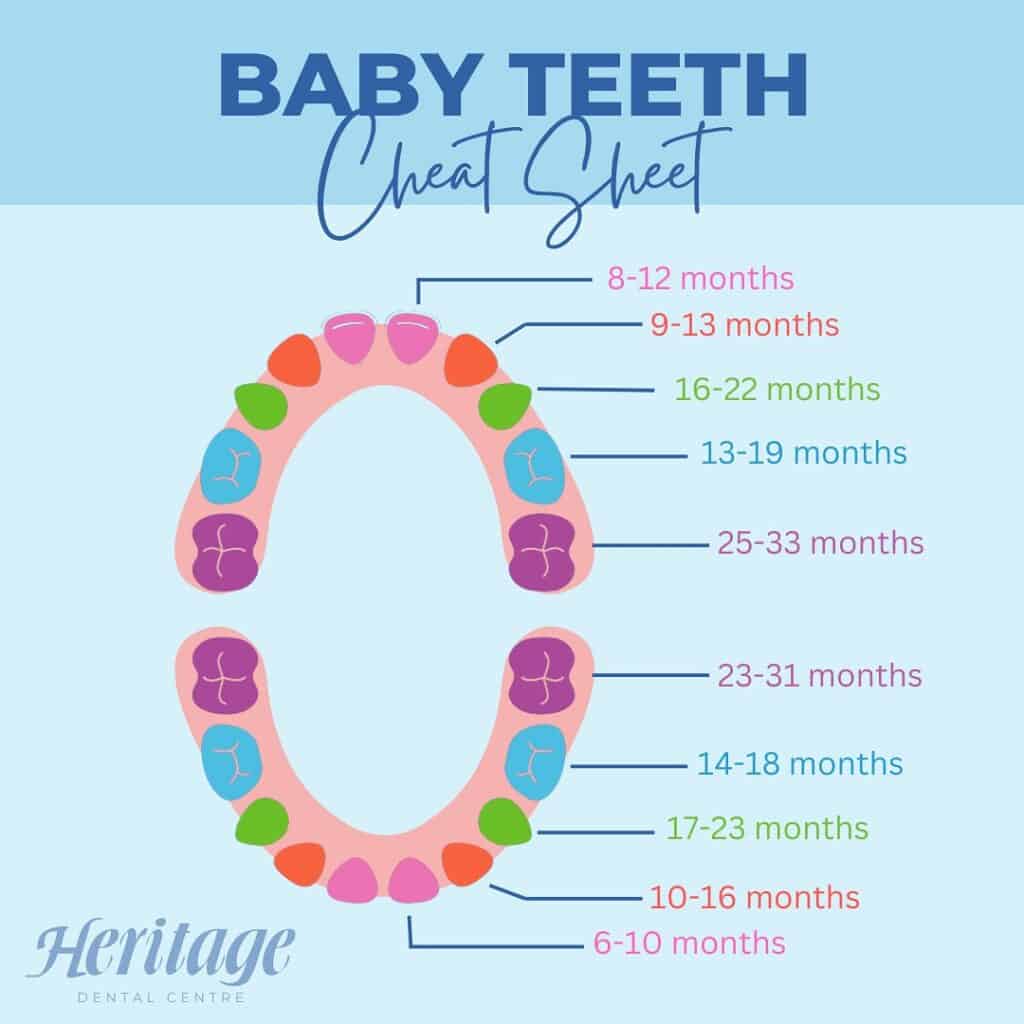
Understanding the normal order in which baby teeth emerge can help parents anticipate upcoming milestones and address any concerns with their dental professional. While individual variations exist, there's a general pattern to tooth eruption, with the lower central incisors typically appearing first, followed by their upper counterparts. This predictable sequence, combined with proper caring for your children's teeth, helps ensure a healthy foundation for their developing smile. Adhering to good dental health tips from an early age is crucial for preventing cavities and other issues. For a visual representation of this process, a baby teeth diagram can be a helpful resource.
Lower Central Incisors (Front Bottom Teeth)
The first teeth to typically make an appearance are the lower central incisors, which are the two front teeth on the bottom jaw. These usually emerge between 6 and 10 months of age. Their arrival is a significant milestone, marking the beginning of your child's dental development and the perfect time to start gentle oral hygiene practices.
Upper Central Incisors (Front Top Teeth)
Following closely behind the lower central incisors, the upper central incisors, the two front teeth on the top jaw, usually erupt between 8 and 12 months. These teeth, along with their lower counterparts, are crucial for biting and are among the most visible, making early care important for aesthetic and functional development.
Lateral Incisors (Adjacent to Central Incisors)
After the central incisors, the lateral incisors begin to emerge. The upper lateral incisors typically appear between 9 and 13 months, followed by the lower lateral incisors between 10 and 16 months. These teeth are important for widening the smile and assisting in tearing food.
First Molars (Back Teeth)
The first molars are usually the next set of teeth to erupt, making their appearance between 13 and 19 months for the upper jaw, and 14 and 18 months for the lower jaw. These larger teeth are vital for grinding food and require careful cleaning due to their chewing surfaces.
Canine (Cuspid) Teeth
Around 16 to 22 months, the canine teeth, also known as cuspids, will emerge. These pointed teeth, located between the lateral incisors and first molars, are essential for tearing food and play a role in maintaining the arch of the dental structure.
Second Molars (Farthest Back Teeth)
Finally, the second molars typically complete the primary dentition set. These usually erupt between 23 and 33 months for the lower jaw and 25 and 33 months for the upper jaw. These are the largest of the baby teeth and are critical for chewing, bringing the total number of primary teeth to 20.
What Age Do Baby Teeth Come In? A Detailed Breakdown
The typical age range for a baby's first tooth is usually between 6 and 12 months, although this can vary significantly from one child to another. Parents often wonder when specific teeth, like molars, typically emerge, as these can sometimes cause more discomfort during eruption. Understanding this timeline can help parents anticipate and prepare for these developmental stages, making the experience smoother for both child and caregiver. It's also an excellent time to schedule your child’s first visit to establish a baseline for their children's dental care and ensure they are on track with their dental development. Regular dental check-ups become increasingly important as more teeth emerge. For additional insights into this topic, parents can visit When Will My Baby Get His /Her First Tooth.
- Central Incisors (Front Teeth): Typically erupt between 6-12 months (lower first, then upper).
- Lateral Incisors (Adjacent to Front Teeth): Appear between 9-16 months (upper first, then lower).
- First Molars (Back Teeth): Erupt between 13-19 months (upper and lower can vary).
- Canine (Cuspid) Teeth (Pointy Teeth): Usually come in between 16-23 months (upper and lower can vary).
- Second Molars (Farthest Back Teeth): Emerge between 23-33 months (upper and lower can vary).
Signs and Symptoms of Teething
Teething can be a challenging period for both infants and their parents, marked by a variety of common indications that a baby is experiencing the discomfort of emerging teeth. Recognizing these signs, often referred to as first signs of teeth, can help parents provide appropriate comfort and care. These symptoms are a natural part of the developmental process, but understanding them can alleviate some parental stress. It is also important for parents to be aware of how to manage potential discomfort, which can be linked to managing dental anxiety later in life by creating positive early experiences. Educating oneself on these aspects is part of a broader commitment to dental health education and applying effective tips for parents during this time. For more comprehensive information on this topic, consult Teething (Teething Syndrome).
- Irritability and Fussiness: Babies may be more irritable or fussy than usual, especially at night, as the pressure of emerging teeth can be uncomfortable.
- Increased Drooling: Excessive drooling is a very common sign, as the salivary glands become more active in response to the teething process.
- Chewing on Objects: Babies often try to relieve pressure and discomfort by gnawing on toys, fingers, or anything else they can get their hands on.
- Swollen, Tender Gums: The gum area where a tooth is about to erupt may appear red, swollen, or tender to the touch.
- Changes in Eating or Sleeping Patterns: Discomfort can lead to a decreased appetite or interrupted sleep, particularly during feedings or at bedtime.
- Mild Fever: While not every baby experiences it, a slight elevation in body temperature (usually below 101°F or 38.3°C) can sometimes accompany teething.
- Facial Rash: Drooling can sometimes cause a mild rash around the mouth, chin, and neck due to constant moisture.
Caring for Your Baby's First Teeth
Once your baby's first teeth emerge, establishing a consistent oral hygiene routine is crucial for their long-term dental health. These primary teeth play a vital role in proper chewing, speech development, and maintaining space for permanent teeth, making their care just as important as that of adult teeth. Implementing effective strategies beyond just brushing, such as those outlined in our guide on beyond brushing, can significantly contribute to their oral well-being. Furthermore, understanding the benefits and appropriate use of fluoride for dental health can provide an extra layer of protection against cavities. Regular check-ups and early dental cleanings, much like what happens during a dental cleaning for adults, are also essential for monitoring development and addressing any concerns. Parents can find valuable resources on this topic, such as Taking Care of Your Baby's First Teeth.
When Do Baby Teeth Fall Out? The Primary Teeth Loss Schedule
Just as there's a general timeline for the eruption of baby teeth, there's also a predictable schedule for when these primary teeth fall out, making way for permanent ones. This natural progression is a crucial part of a child's dental development, and understanding when should baby teeth come out can help parents prepare for this transition. Generally, children begin to lose their baby teeth around age 6, a process that continues until about age 12 or 13. During this period, consistent children's dental health remains paramount, with regular visits to the dentist playing a key role in monitoring the eruption of permanent teeth and ensuring proper alignment. Familiarity with understanding dental procedures related to this transition, along with the benefits of regular check-ups, can help ensure a smooth transition. For additional information on this topic, consider consulting Baby Teeth information.
Conclusion: Prioritizing Your Child's Oral Health
The journey of your child's dental development, from their first tiny tooth to the emergence of their permanent smile, is a critical aspect of their overall health and well-being. By understanding the typical eruption schedules, recognizing teething symptoms, and committing to diligent oral care, parents can lay a strong foundation for a lifetime of healthy smiles. Remember, early intervention and consistent professional care are key to preventing potential issues and fostering a positive relationship with dental health. We encourage all parents to prioritize their child's oral health and not hesitate to seek professional guidance. If you have questions or wish to schedule an appointment, we invite you to contact our team at Heritage Dental Edmonton, where we are dedicated to supporting your family's dental needs. You can also explore our services or book a dental appointment for your little one today to ensure their smile shines brightly for years to come.
People Also Ask: Baby Teeth FAQs
| Question | Answer