
Overview
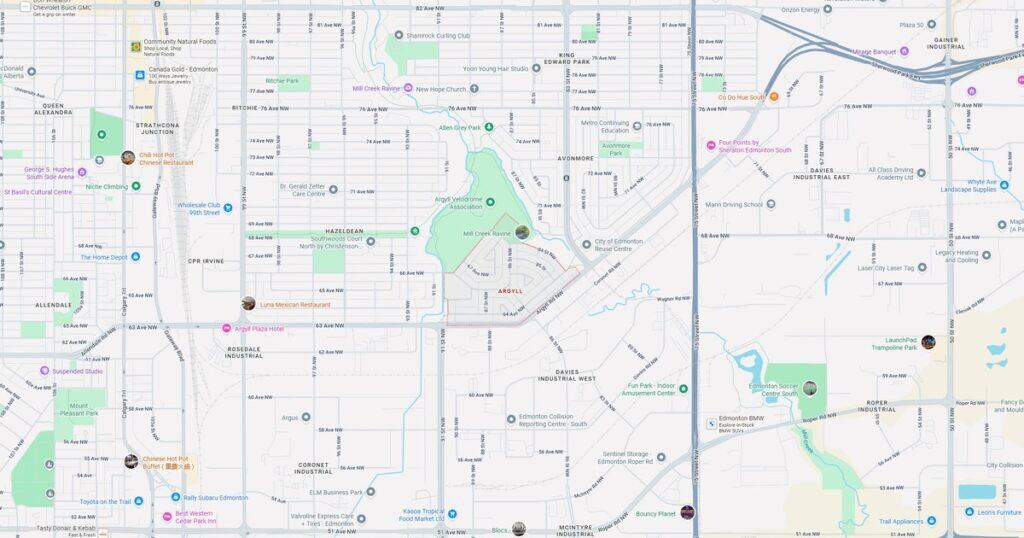
Finding a reliable Dental Clinic Argyll Edmonton AB is essential for maintaining optimal oral health for your entire family. This overview highlights key aspects of our practice, from the comprehensive services we provide to our commitment to the local community.
Discover why our clinic stands out, offering personalized care and advanced treatments designed to meet diverse dental needs.
- Location: Our clinic is conveniently situated to serve the Argyll community, providing easy access to local dental care.
- Services: We offer a broad spectrum of dental treatments, including general dentistry, cosmetic procedures, and restorative options for all ages.
- Community Focus: We are deeply committed to the well-being of the Argyll, Edmonton area, actively participating in local health initiatives and fostering strong patient relationships.
- Patient Experience: Our team prioritizes patient comfort and education, ensuring a positive and informed experience during every visit.
Your Dental Clinic Near Argyll, Edmonton
If you’re seeking a trusted Dental Clinic Argyll Edmonton AB, Heritage Dental Centre is dedicated to providing exceptional dental care to residents in the Argyll area and its surroundings. Our experienced team is committed to ensuring your oral health is in top condition, offering a comprehensive range of services designed for families and individuals alike. We pride ourselves on creating a welcoming environment where patients feel comfortable and confident in their treatment.
At Heritage Dental Centre, we understand the importance of accessible, high-quality dental services close to home for those living near Argyll, Edmonton. We are proud to be a leading choice for families seeking routine check-ups, advanced restorative treatments, and cosmetic enhancements. Explore how our dedication to patient well-being and our advanced dental solutions make us the ideal partner for your family’s dental needs, offering everything from essential general dentistry to specialized care.
What We Offer at Our Dental Clinic
We offer a wide array of services to meet your family’s dental needs, including routine check-ups, preventative care, and specialized treatments. To make your first visit as smooth as possible, you can conveniently fill out our new patient form online before you arrive.
Our comprehensive range of services ensures that your entire family can receive exceptional dental care close to home. From routine check-ups to advanced restorative treatments, our experienced team is dedicated to maintaining and enhancing your oral health. We strive to be the go-to dental clinic Argyll Edmonton AB residents trust for all their dental needs.
We provide a wide array of specialized dental treatments designed to meet the diverse needs of our patients. Whether you are seeking routine preventative care or more complex cosmetic and restorative procedures, our clinic offers solutions tailored to you. Explore our services to find the right treatment plan for your smile.
| Service/Product Name | Description |
|---|---|
| Dental Hygiene | Professional cleanings and personalized advice to maintain optimal oral health. |
| Restorative Dentistry | Repairing damaged or missing teeth with crowns, bridges, and fillings. |
| Cosmetic Dentistry | Enhancing the appearance of your smile with treatments like teeth whitening and veneers. |
| Pediatric Dentistry | Gentle and specialized dental care for children to ensure healthy smiles from an early age. |
| Orthodontics | Aligning teeth and correcting bite issues for improved function and aesthetics. |
| Dental Implants | Permanent solutions for missing teeth, restoring both function and natural appearance. |
We Care About Argyll, Edmonton
If you are a new patient, you can easily complete our new patient form before your visit to streamline the process.
As a dedicated Dental Clinic Argyll Edmonton AB, Heritage Dental Centre is deeply invested in the well-being of the Argyll community. Our team understands that providing excellent dental care goes beyond clinical procedures; it involves building relationships and actively participating in the local fabric of life here in Edmonton. We are proud to serve the residents of Argyll and strive to be a trusted partner in their oral health journeys.
Our commitment to the Argyll, Edmonton area is reflected in our approach to patient care and community engagement. We believe in fostering a welcoming environment where every patient feels heard and valued, and we tailor our services to meet the unique needs of those living in this vibrant part of the city. We understand the specific lifestyle and needs of Argyll residents, from families to seniors, and offer personalized dental plans.
We aim to provide convenient appointment times that accommodate busy schedules within the Edmonton area and actively participate in local community events to promote oral health awareness. Learn more about our philosophy of care on our About Us page.
Comprehensive Dental Services in the Argyll Area
For residents near Argyll, Edmonton, finding a comprehensive dental clinic means access to a wide array of treatments designed to maintain and enhance oral health. Our practice is dedicated to providing everything from routine check-ups to advanced restorative procedures, ensuring that your entire family can receive exceptional care close to home. We pride ourselves on being a leading Dental Clinic Argyll Edmonton AB, offering a patient-centered approach to all our services. If you are looking to understand more about your options, our dental restorations comparison can help.
Our commitment extends to offering various specialized services, including general dentistry for everyday needs, cosmetic procedures to improve aesthetics, and restorative treatments to repair damage and function. Whether you require a simple cleaning or more complex interventions, our experienced team is equipped to provide solutions tailored to your unique requirements. Explore the full spectrum of our dental offerings and discover how we can help you achieve your healthiest smile.
General Dentistry and Preventive Care
Preventive dentistry is the cornerstone of maintaining lifelong oral health, and our clinic near Argyll, Edmonton, offers a full suite of services focused on preventing dental issues before they start. This includes thorough dental examinations, professional cleanings, and personalized oral hygiene education. We also provide essential services like fluoride treatments and dental sealants, especially beneficial for younger patients in the Argyll area. If you’re ready to schedule your first appointment, you can book a consultation with our team.
- Regular dental check-ups to monitor oral health.
- Professional teeth cleanings to remove plaque and tartar.
- X-rays for early detection of cavities and other issues.
- Fluoride treatments to strengthen tooth enamel.
- Dental sealants to protect molars from decay.
Learn more about maintaining a healthy smile with our preventive dentistry services.
Cosmetic and Restorative Dentistry
Beyond essential care, our practice offers advanced cosmetic and restorative dentistry options to enhance the appearance and function of your smile. For those in the Argyll, Edmonton area looking to improve their smile’s aesthetics, we provide treatments such as teeth whitening, porcelain veneers, and cosmetic bonding. If dental issues have impacted your smile, our restorative services, including dental crowns, bridges, and implants, can bring back function and confidence. For a comprehensive overview of these options, explore our restorative dentistry guide.
Our goal is to help you achieve a beautiful and healthy smile you can be proud of. We utilize the latest techniques and materials to ensure optimal results for all cosmetic and restorative procedures. Discover the possibilities for a revitalized smile with our comprehensive cosmetic dentistry and restorative dentistry.
Why Choose Our Dental Clinic Near Argyll
When searching for a reliable Dental Clinic Argyll Edmonton AB, prioritizing a practice that offers exceptional care and a patient-centered approach is crucial. Our team is dedicated to providing a welcoming environment where your comfort and oral health are paramount. We understand the unique needs of the Argyll community and are committed to delivering personalized dental solutions.
Choosing the right dental provider ensures you receive the best possible care. Here are several key benefits that make our clinic an excellent choice for residents near Argyll, Edmonton. We encourage you to complete our new patient form to streamline your first visit and to book your next appointment online.
- Experienced and Compassionate Team: Our dental professionals bring years of experience and a genuine passion for dentistry. We are committed to continuous learning to stay abreast of the latest advancements in dental care.
- Comprehensive Range of Services: From routine check-ups and cleanings to advanced restorative and cosmetic procedures, we offer a full spectrum of dental services under one roof. This means you can address all your family’s dental needs without needing to visit multiple specialists; explore our full range of dental services for more details.
- Patient-Centric Approach: We believe in fostering strong relationships with our patients. Our team takes the time to listen to your concerns, explain treatment options thoroughly, and create a dental care plan tailored to your specific needs and budget.
- Commitment to Community: Having served the Argyll, Edmonton area for many years, our clinic is deeply invested in the well-being of its residents. We understand the local lifestyle and strive to provide dental care that supports a healthy, vibrant community.
For example, after helping countless families in the Argyll, Edmonton area with their dental needs, our team has learned the importance of preventative care. We often advise patients on simple at-home practices that can significantly improve long-term oral health. You can learn more about our philosophy and team by visiting our About Us page.
We are proud of the trust placed in us by our patients and are continually striving to exceed expectations. Our commitment to excellence is reflected in the feedback we receive, which you can explore on our patient testimonials page for more.
Ready for Your Appointment?
Taking the first step towards a healthier smile is simple. If you’re looking for a trusted Dental Clinic Argyll Edmonton AB, our team at Heritage Dental Centre is here to help you achieve your oral health goals. We’ve streamlined our booking process to ensure it’s as convenient as possible for our patients in the Argyll, Edmonton area and beyond. You can begin by filling out our new patient form to expedite your visit.
We are eager to welcome you and provide the exceptional care you deserve. Scheduling your visit is straightforward, and our friendly staff is ready to assist you every step of the way. Let us guide you through the simple process of becoming a patient and experiencing the difference dedicated dental care can make. You can explore our comprehensive https://heritagedentaledmonton.ca/services/ to see all that we offer.
Contact Us Directly: The quickest way to book your appointment is by calling our office at (780) 434-4408. Our reception team can answer any questions you may have and help you find a time that fits your schedule. You can also explore our comprehensive dental services online or fill out our secure online appointment request form on our contact page. Before your first appointment, we recommend reviewing our patient information to ensure a smooth check-in process. We look forward to seeing you soon!
Your Trusted Dental Partner in Argyll
Choosing the right dental care provider is a significant decision, and we are honored that you are considering Heritage Dental Centre as your trusted dental partner in the Argyll, Edmonton area. Our commitment extends beyond providing exceptional treatments; we aim to build lasting relationships based on trust, transparency, and personalized care. We invite you to explore our services further and learn more about our team’s dedication to your oral health and overall well-being.
We are passionate about serving the Argyll community and ensuring every resident has access to high-quality dental care. Whether you need routine check-ups, advanced restorative procedures, or cosmetic enhancements, our experienced professionals are here to help you achieve and maintain a healthy, beautiful smile. We encourage you to visit our about us page to understand our philosophy and meet our dedicated team. For more insights into maintaining excellent oral hygiene, our blog offers valuable tips and information, and we also provide comprehensive general dentistry services for all your needs.