

Overview
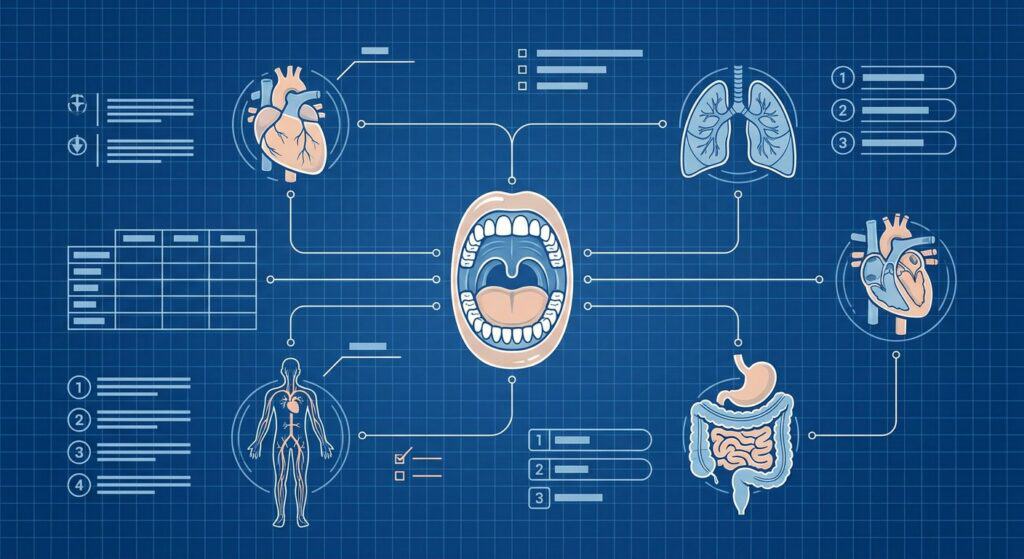
The connection between oral health and overall health is significant, as conditions in your mouth often reflect or influence your general physical well-being.
Maintaining proper dental hygiene extends beyond preventing cavities; it plays a role in preventing various systemic health issues. By keeping your mouth healthy, you contribute positively to your entire body’s functioning.
- Fundamental Link: Discover how the mouth’s condition directly influences systemic well-being.
- Systemic Conditions: Explore how oral issues affect various body systems.
- Diet Choices: Examine the influence of dietary habits on dental and body health.
- Daily Habits: Understand how lifestyle factors impact both oral and general health.
- Hygiene Practices: Learn about effective daily routines for mouth and body health.
- Proactive Steps: Reinforce the direct link and consider proactive health steps.
Oral Health Overall Health Connects
The connection between oral health and overall health is direct and significant. Your mouth acts as a gateway to your body, meaning that conditions here can reflect or influence your general well-being. Keeping your mouth healthy is part of maintaining your body’s wellness.
Bacteria from the mouth can enter the bloodstream, potentially affecting various systems and organs. Recognizing this oral health overall health link helps you make informed choices for your daily care. Proper dental care extends beyond just your teeth; it supports your entire body.
| Aspect of Oral Health | Impact on Overall Health |
|---|---|
| Gum Disease | Inflammation and bacteria from infected gums can contribute to heart disease, stroke, and diabetes complications. Addressing gum disease can help manage these systemic conditions. |
| Tooth Decay and Cavities | Untreated cavities can lead to infections that spread beyond the mouth, potentially causing pain and impacting the immune system. Preventing tooth decay is a key step for body wellness. |
| Oral Bacteria Balance | An imbalance of oral bacteria can affect digestion and contribute to respiratory infections. Maintaining a healthy balance supports digestive and respiratory functions. |
| Oral Cancer | Early detection of oral cancer improves treatment outcomes and survival rates. Regular screenings are part of a thorough health check. |
Oral Health’s Impact on Systemic Conditions
Issues starting in the mouth can affect various body systems. The connection between oral health overall health shows how dental problems extend beyond your smile. For instance, bacteria from oral infections can enter the bloodstream and travel throughout the body.
Maintaining good oral health helps lessen risks associated with these systemic conditions. Regular dental check-ups and hygiene practices play a large part in prevention. Addressing dental concerns promptly helps keep your body healthy.
| Oral Condition | Systemic Impact |
|---|---|
| Gum Disease (Periodontitis) | Linked to heart disease, stroke, and diabetes complications. Inflammation caused by gum disease can affect blood vessels and blood sugar control. |
| Tooth Decay and Abscesses | Untreated infections can spread to other areas of the body, potentially causing serious health problems. This reinforces the importance of oral health overall health. |
| Dry Mouth (Xerostomia) | Increased risk of cavities and gum disease, which can lead to further systemic issues. Often a side effect of medications for other health problems. |
| Bruxism (Teeth Grinding) | Can cause headaches, jaw pain, and damage to teeth, potentially affecting overall well-being. Treatment for teeth grinding can help. |
| Oral Cancer | Early detection is key for successful treatment. Regular screenings are important for identifying potential issues, reflecting the broader impact on your health. Oral cancer screenings are part of routine dental care. |
Diet, Oral Health, and Body Wellness
Dietary choices significantly affect both oral health and overall physical well-being. The foods and drinks we consume impact our teeth and gums directly, and they also influence systemic health conditions that can, in turn, affect our mouths. A balanced diet supports strong teeth and gums, contributing to better oral health overall health.
Making informed food choices helps prevent common dental issues like tooth decay and gum disease, while also supporting the body’s natural defenses. For advice on dental care for all ages, explore our family dentistry information for more.
Foods that Promote Good Oral and General Health
Certain foods can actively protect your teeth and contribute to your general health. These options often provide essential nutrients and help clean your mouth naturally. Dairy products, for instance, offer calcium and phosphates that help restore tooth enamel.
| Food Category | Benefits for Oral and General Health |
|---|---|
| Dairy Products | Rich in calcium and phosphates, which strengthen tooth enamel and bones. These minerals help balance pH levels in the mouth, protecting against acid erosion. |
| Crunchy Fruits & Vegetables | Apples, carrots, and celery increase saliva production, washing away food particles and neutralizing acids. Their fibrous texture also acts as a natural toothbrush. |
| Lean Proteins | Meats, fish, and beans provide phosphorus, which works with calcium to build strong teeth and bones. They also contribute to tissue repair throughout the body. |
| Water | Washes away food debris and acids, maintaining saliva flow and preventing dry mouth. Fluoridated water helps remineralize enamel. |
| Green Tea | Contains polyphenols that suppress bacteria, reducing plaque and fighting bad breath. It also offers antioxidants beneficial for overall health. |
Foods and Habits to Limit for Better Health
Just as some foods support health, others can harm your oral health overall health. Frequent consumption of sugary or acidic items creates an environment where harmful bacteria thrive, leading to cavities and gum inflammation. Sugary drinks are a primary cause of cavities for more.
| Food/Habit | Impact on Oral and General Health |
|---|---|
| Sugary Drinks | High sugar content fuels bacteria, producing acids that erode enamel and cause cavities. Contributes to weight gain and increased risk of diabetes. |
| Hard or Sticky Candies | Cling to teeth, providing a prolonged sugar source for bacteria. Can also cause dental emergencies like chipped teeth or fillings. |
| Acidic Foods & Drinks | Citrus fruits, soda, and sports drinks soften enamel, making teeth more susceptible to wear. Frequent exposure can lead to sensitivity and decay. |
| Processed Snacks | Often high in refined carbohydrates and sugars, which break down into simple sugars in the mouth, feeding decay-causing bacteria. Lack nutritional value. |
| Tobacco Use | Stains teeth, causes bad breath, and significantly increases the risk of gum disease and oral cancers. Impairs the body’s ability to heal. |
Lifestyle Factors: Oral and Body Health
Daily habits significantly influence both your mouth’s well-being and your body’s overall function. Smoking, stress, and sleep patterns directly affect the oral health overall health connection. Recognizing these connections helps you maintain better health across the board.
Our team sees how consistent good habits contribute to fewer dental concerns. Patients who prioritize proper sleep and effective stress management often show improved general well-being and healthier mouths. Regular dental check-ups are part of a good routine.
| Factor | Impact on Oral and Body Health |
|---|---|
| Smoking | Increases risk of gum disease, tooth loss, and oral cancers. It also affects lung and heart health. |
| Stress | Can lead to teeth grinding (bruxism), which causes wear and jaw pain. Stress also weakens the immune system, making you more prone to infections, including those in the mouth. Solutions for jaw pain can help. |
| Sleep | Poor sleep can contribute to inflammation throughout the body and may affect healing. Lack of sleep can also worsen stress-related oral issues. Addressing sleep apnea can improve both sleep and oral health. |
| Hydration | Drinking enough water helps wash away food particles and neutralize acids, protecting teeth from decay. Proper hydration supports all bodily functions. |
Daily Hygiene for Body and Mouth Health
Maintaining strong oral health requires consistent daily habits. These practices do more than just keep your smile bright; they actively support your overall body health. A regular routine helps prevent issues that could impact your well-being beyond your mouth.
Effective Daily Oral Care
Following a consistent oral hygiene routine helps protect your teeth and gums from common problems like cavities and gum disease. This daily effort contributes significantly to your general well-being. Starting good habits early sets a foundation for lifelong health.
- Brush Twice Daily: Use a soft-bristled toothbrush and fluoride toothpaste for at least two minutes, covering all surfaces of your teeth and your tongue.
- Floss Daily: Flossing removes food particles and plaque from between teeth and under the gumline, areas your toothbrush cannot reach.
- Use Mouthwash: An antiseptic mouthwash can help reduce bacteria in your mouth, offering an extra layer of protection against gum inflammation and bad breath.
Regular Dental Appointments
Beyond daily habits, consistent professional care is important for monitoring your oral health. Regular dental check-ups and cleanings allow our team to detect potential problems early, often before they become more serious. This proactive approach saves you discomfort and more involved treatments later.
- Check-ups Every Six Months: Schedule professional cleanings and examinations at least twice a year to remove stubborn plaque and tartar.
- Early Detection: Your dentist can spot signs of decay, gum disease, or other oral issues, including early indicators of systemic conditions.
- Professional Guidance: Receive personalized advice on brushing techniques, flossing methods, and product recommendations tailored to your specific needs.
Prioritize Health: The Oral-Body Link
Maintaining excellent oral health offers widespread benefits for your entire physical well-being. The direct relationship between your mouth and your body means that caring for one supports the other. Good dental care helps prevent systemic issues that can arise from poor oral hygiene.
Proactive steps in your daily routines and regular dental appointments are necessary for sustained oral health overall health. By committing to these practices, you invest in a healthier future for your whole body.
| Action Area | Benefit for Oral and Overall Health |
|---|---|
| Regular Dental Check-ups | Early detection of issues like cavities or gum disease prevents their progression, reducing the risk of systemic inflammation. These visits help keep your mouth clean and healthy. |
| Consistent Oral Hygiene | Brushing and flossing daily remove plaque and bacteria, stopping infections from forming in your mouth. This helps prevent bacteria from entering your bloodstream and affecting other organs. |
| Healthy Eating Habits | A balanced diet low in sugar supports strong teeth and gums while providing nutrients for your body’s functions. Proper nutrition also aids in tissue repair and immune response. |
| Preventative Dental Care | Sealants and fluoride treatments protect teeth from decay, minimizing the chances of oral infections spreading. This preventative approach supports long-term health. |
| Professional Guidance | Consulting with dental professionals provides personalized advice and treatments to maintain oral health overall health. They help tailor strategies to your specific needs. |