

Overview
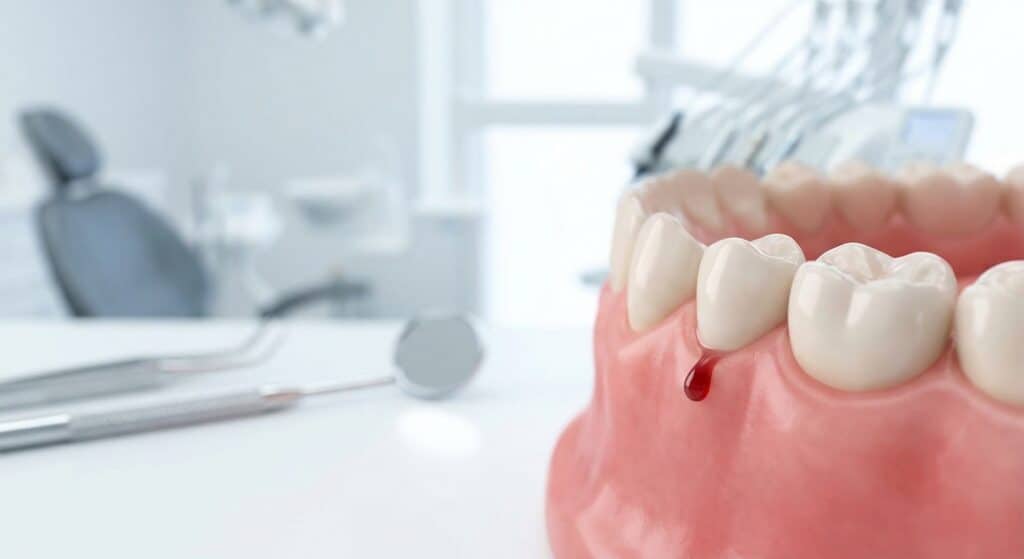
Many individuals experience bleeding gums, a common symptom that often signals underlying oral health concerns. Addressing this promptly helps maintain healthy teeth and gums, preventing more serious issues like periodontal disease.
This article explores the various aspects of gum health, from recognizing early indicators to understanding preventive measures, ensuring you have the information to protect your smile.
- Understanding Gums: Learn what causes gums to bleed and why addressing it matters for your oral well-being in gums explained.
- Common Triggers: Find out about the main reasons for bleeding gums, including conditions like gingivitis, by reviewing common causes.
- Spotting Problems: Identify the early signs of gum issues and more advanced symptoms to watch for in gum problem signs.
- When to See a Dentist: Discover when persistent gum bleeding or other symptoms require a professional dental evaluation by checking dental care timing.
- Preventing Issues: Get practical advice on effective oral hygiene and regular dental visits to avoid future gum problems with preventive steps.
- Action for Health: Take proactive measures for improved gum health and consistent care as outlined in healthier gums.
Bleeding Gums Explained
Bleeding gums signal an underlying issue that requires attention. While minor bleeding might seem harmless, it often indicates the presence of gum disease or other oral health concerns. Addressing bleeding gums early helps prevent more serious conditions from developing, such as advanced periodontal disease for more.
This common symptom frequently arises from plaque buildup, which irritates gum tissue and causes inflammation. Regular dental hygiene practices, including brushing and flossing, are key to preventing and managing this problem. Our team at Heritage Dental Centre can help identify the cause and recommend appropriate treatments to restore your gum health.
| Key Point | Explanation |
|---|---|
| Common Occurrence | Many people experience bleeding gums at some point, often during brushing or flossing. |
| Underlying Cause | Plaque accumulation is a primary reason for inflamed gums, leading to conditions like gingivitis for more. |
| Early Intervention | Early action can prevent progression to more severe forms of gum disease, protecting your oral health. |
Common Causes of Bleeding Gums
Bleeding gums often stem from plaque buildup along the gum line, which irritates the gum tissue. This irritation can result in inflammation and cause bleeding during brushing or flossing. Other factors include hormonal changes, certain medications, and systemic diseases.
| Condition | Description and Impact |
|---|---|
| Gingivitis | This mild form of gum disease causes inflammation, redness, and swelling, making gums prone to bleeding. It is reversible with proper oral hygiene. |
| Periodontitis | Untreated gingivitis can advance to periodontitis, a more severe infection damaging soft tissue and bone. This leads to gum recession and potential tooth loss. |
| Aggressive Brushing | Using a hard-bristled toothbrush or brushing too vigorously can injure delicate gum tissue, causing it to bleed. A softer brush and gentle technique are better. |
| Medications | Some medications, such as blood thinners, can increase the likelihood of bleeding gums. Always inform your dentist about any medications you are taking. |
| Hormonal Changes | Pregnancy, puberty, and menstruation can make gums more sensitive and prone to bleeding due to hormonal fluctuations. Expectant mothers should discuss oral health during pregnancy with their dentist. |
| Nutritional Deficiencies | A lack of certain vitamins, especially Vitamin C and K, can affect gum health and contribute to bleeding. A balanced diet supports overall oral well-being. |
| Poorly Fitting Dental Appliances | Dentures or other dental devices that do not fit correctly can rub against the gums, causing irritation and bleeding. Adjustments from a dentist can resolve this issue. |
Recognizing the Signs of Gum Issues
Identifying early signs of gum problems helps prevent more serious issues. Bleeding gums are often the first indicator, but other symptoms can also point to underlying concerns. Paying attention to these signals allows for timely intervention and better oral health outcomes.
Common Indicators of Gum Problems
- Red or Swollen Gums: Gums that appear darker red than usual or puffy often indicate inflammation.
- Tender Gums: Pain or sensitivity when brushing, flossing, or eating can be a warning sign.
- Persistent Bad Breath: Halitosis that does not go away with brushing or mouthwash can stem from bacteria associated with gum disease.
- Receding Gums: When gum tissue pulls back, teeth may appear longer, exposing roots and increasing sensitivity.
- Loose or Shifting Teeth: In later stages of gum disease, the bone supporting teeth can weaken, causing teeth to feel loose or change position.
- Pus Between Teeth and Gums: This indicates an infection and requires immediate professional attention.
Our team regularly sees patients presenting with bleeding gums, which can sometimes be a sign of gingivitis or periodontal disease for more. Addressing these initial signs with improved oral hygiene, including proper brushing and flossing techniques, can make a significant difference. In more advanced cases, further treatment plans are discussed to restore gum health and prevent future occurrences.
When to Seek Professional Dental Care
While occasional bleeding gums might result from aggressive brushing, persistent or recurring bleeding indicates a need for professional dental care. Ignoring these signs can lead to more serious oral health issues. Regular dental check-ups help identify and address concerns early, preventing complications.
If you experience swelling, redness, or pain along with bleeding gums, seeking a dentist’s opinion is a good step. Prompt attention can often resolve issues before they become harder to treat.
Key Indicators for Professional Consultation
- Frequent Bleeding: If bleeding occurs every time you brush or floss, or spontaneously, it signals a problem that needs evaluation.
- Additional Symptoms: Look for persistent bad breath, receding gums, loose teeth, or changes in your bite.
- Ineffective Hygiene Changes: If improving your oral hygiene doesn’t stop the bleeding, professional help is necessary.
- Schedule an Appointment: Contact your dentist for a thorough examination to diagnose the cause and recommend a treatment plan.
Preventing Future Gum Problems
Preventing bleeding gums requires consistent daily habits and regular dental visits. Proper oral hygiene stops plaque buildup, a main cause of gum irritation. By following simple steps, you can significantly reduce your risk of gum problems and maintain healthier gums.
Maintaining good oral hygiene at home is your first line of defense. This helps keep your gums firm and free from inflammation. Consider scheduling regular check-ups and cleanings with your dental team to address any issues early.
| Prevention Strategy | Description |
|---|---|
| Brush Effectively | Use a soft-bristled toothbrush and brush gently twice a day for two minutes. Focus on the gum line where plaque accumulates. An electric toothbrush can help clean more efficiently. |
| Floss Daily | Flossing removes food particles and plaque from between teeth and under the gum line, areas your toothbrush cannot reach. This stops bacteria from causing bleeding gums. |
| Use Mouthwash | An antiseptic mouthwash can help reduce bacteria in your mouth and fight gingivitis. Ask your dentist for a recommendation. |
| Eat a Balanced Diet | Foods rich in vitamins and minerals, especially Vitamin C, support gum health. Limit sugary snacks and drinks that promote bacterial growth. |
| Regular Dental Check-ups | Visit your dentist for professional cleanings and examinations every six months. This allows for early detection and treatment of any gum issues. |
| Avoid Tobacco Products | Smoking and chewing tobacco significantly increase your risk of gum disease and can mask symptoms like bleeding. Quitting improves gum health and overall well-being. Our team can offer additional oral hygiene tips for more. |
Taking Action for Healthier Gums
Addressing bleeding gums proactively helps maintain good oral health. Consistent oral hygiene practices and regular dental check-ups significantly reduce your risk of gum problems. By following recommended guidelines, you can prevent issues before they worsen and keep your smile healthy.
Making small changes to your daily routine can yield significant benefits for your gums. These steps support overall oral wellness and help stop bleeding gums from becoming a persistent concern.
| Action Steps | How It Helps |
|---|---|
| Brush twice daily | Removes plaque and food particles that irritate gums. For optimal results, brush correctly for more. |
| Floss every day | Reaches areas your toothbrush cannot, preventing plaque buildup between teeth. Regular flossing protects gums for more. |
| Use a soft-bristled toothbrush | Protects delicate gum tissue from damage during brushing. Ask your dentist about the right oral care tools for more. |
| Attend regular dental check-ups | Allows your dentist to identify and address early signs of gum disease. Schedule your next dental appointment promptly. |
| Maintain a balanced diet | Provides essential nutrients for strong gum tissue and overall health. Good nutrition supports your gum health for more. |