
Dental patient smiling during a routine checkup at Heritage Dental Centre Edmonton.

Oral Health Overall Health: A Window to Your Well-being

Discover how your oral health impacts your overall well-being. Learn essential tips for a healthier smile and body. Find out more!

Oral Health’s Link to Overall Well-being

Understanding the connection between oral health and overall health is paramount for a comprehensive approach to well-being. Your mouth serves as a gateway to the rest of your body, and the condition of your teeth and gums can significantly influence your general health status. Prioritizing good oral hygiene practices is therefore a crucial step in maintaining a healthy body.

The link between oral health and overall health is robust and well-documented by numerous studies. Issues originating in the mouth, such as gum disease or infections, can potentially spread or contribute to systemic conditions affecting other parts of the body. This intricate relationship highlights why dental care is not just about a beautiful smile, but a vital component of total body health, and cosmetic options like understanding dental veneer costs and benefits can also play a role in your overall confidence and well-being.

This vital connection means that neglecting your oral hygiene can have far-reaching consequences beyond tooth decay or bad breath. It underscores the importance of regular dental check-ups and consistent at-home care for preventing both oral and systemic health problems. By focusing on maintaining a healthy mouth, you are actively contributing to a healthier you.

The Crucial Link: Oral Health Overall Health Explained

When oral health issues arise, they can impact more than just your mouth. For instance, a damaged tooth might require a dental crown to restore its function and appearance, which is a common restorative procedure that also contributes to overall oral health. Understanding these procedures and their benefits is key to maintaining your well-being.

The connection between the health of your mouth and your overall physical well-being is profound and multifaceted. Oral health isn’t just about having a bright smile; it serves as a critical indicator of your general health. Issues that begin in the mouth can easily spread or contribute to problems elsewhere in the body, highlighting why maintaining good oral hygiene is essential for systemic health. For more information on common dental procedures, consult our guide to dental procedures and their benefits.

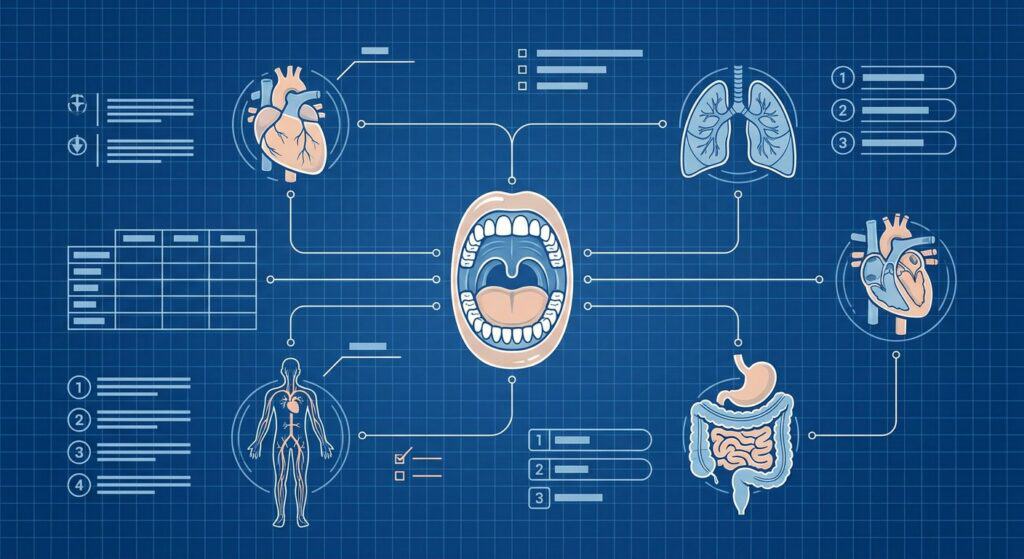
Poor oral health can lead to a variety of complications. Bacteria from infections in the mouth can enter the bloodstream and travel to other organs, potentially causing or exacerbating conditions like cardiovascular disease, diabetes, and respiratory infections. This bidirectional relationship means that managing oral health can positively impact your body’s overall health status. For those who experience fear, learning about dental anxiety management can make seeking necessary care much easier.

Several pathways illustrate how oral health affects overall health. Direct pathways involve the spread of bacteria and inflammation from oral infections to other parts of the body. Indirect pathways can include how pain or discomfort from dental issues might affect eating habits, sleep, and even mental well-being, all of which are integral to general health. Prioritizing your dental care is a key step in safeguarding your complete well-being.

Recognizing Signs: How Oral Health Impacts Your Body

Understanding the link between oral health and systemic conditions is crucial for preventative care. For instance, conditions like gum disease are increasingly linked to other health concerns, and addressing them can be part of a broader health strategy. If you’re experiencing persistent dental issues, exploring options like dental crown reasons can be beneficial.

Your mouth serves as a significant indicator of your overall health. Subtle changes or persistent issues within your oral cavity can be early warnings of systemic problems. Paying attention to these signs is crucial for proactive health management and understanding the profound connection between oral health and overall health.

When poor oral hygiene leads to imbalances, it can manifest in various ways that extend beyond discomfort in the mouth. These symptoms can affect your daily life and signal that underlying health conditions may be developing or worsening. Recognizing these observable signs is the first step toward addressing both oral and systemic health concerns.

Visible Indicators of Compromised Oral Health

For instance, persistent bad breath, also known as halitosis, can sometimes indicate underlying issues such as sinus infections or gastrointestinal problems, and understanding the causes of bad breath is key to addressing it effectively.

  • Persistent bad breath (halitosis) that doesn’t improve with brushing or flossing can signal bacterial overgrowth or underlying infections.
  • Bleeding gums, especially during brushing or flossing, are a common sign of gingivitis or more advanced periodontal disease, which has links to systemic inflammation.
  • Tooth sensitivity or pain, particularly to hot, cold, or sweet stimuli, may indicate enamel erosion, cavities, or gum recession, all of which can be influenced by overall health factors; learn more about the causes of tooth sensitivity for more.
  • Changes in the appearance of your tongue, such as a white coating, red patches, or sores, can sometimes point to nutritional deficiencies or oral infections.
  • Dry mouth (xerostomia) can increase the risk of cavities and gum disease, and can also be a side effect of certain medications or a symptom of underlying medical conditions.

Systemic Symptoms Linked to Oral Health Issues

The impact of poor oral health isn’t confined to the mouth. Bacteria from infections in the gums or teeth can enter the bloodstream, potentially affecting other parts of the body. This can lead to a range of symptoms that might not initially seem related to dental care. For instance, persistent bad breath can be a sign of underlying issues, and you can learn more about how to beat bad breath through proper care.

For instance, chronic inflammation from periodontal disease has been associated with an increased risk of cardiovascular problems. Individuals with compromised oral health may also experience fatigue, difficulty concentrating, or even changes in their immune response. Maintaining good oral hygiene is therefore a critical component of comprehensive well-being, supporting the body’s ability to function optimally.

It is essential to seek professional dental care if you notice any of these warning signs. Dentists can accurately diagnose the cause of oral health problems and help you understand how they might be affecting your general health. Early intervention is key to managing these conditions effectively and preventing more serious health consequences, such as the need for a dental crown to restore your smile.

Common Conditions Affected by Poor Oral Hygiene

Neglecting your oral hygiene can have far-reaching consequences, extending beyond the mouth to impact the health of your entire body. The bacteria that thrive in an unhealthy oral environment can enter the bloodstream and contribute to the development or worsening of various systemic conditions. Understanding these connections is vital for maintaining comprehensive well-being, and knowing the difference between a routine dental cleaning vs whitening can help you prioritize your oral health.

Cardiovascular Disease and Oral Health

The link between oral health and cardiovascular disease is well-documented; research suggests that the inflammation and bacteria associated with gum disease can contribute to heart conditions. For more information on how dental issues can affect your heart, consider exploring our resources on dental crown benefits and their role in restoring oral health.

There is a well-documented link between poor oral health, particularly gum disease, and an increased risk of cardiovascular issues. Bacteria from infected gums can enter the bloodstream and travel to the heart, potentially causing inflammation and contributing to conditions like atherosclerosis (hardening of the arteries), heart disease, and stroke. Maintaining good oral hygiene is therefore a crucial step in protecting your heart health.

Diabetes and Oral Health Complications

The relationship between diabetes and oral health is a two-way street. Individuals with diabetes are more susceptible to gum disease due to their body’s impaired ability to fight off infection. Conversely, severe gum disease can make it more difficult to control blood sugar levels, creating a challenging cycle for diabetic patients. Regular dental check-ups and diligent oral care are essential for managing both conditions effectively, and understanding the meaning of stale mouth can also be helpful.

Respiratory Infections and Oral Bacteria

Bacteria from the mouth can be inhaled into the lungs, leading to respiratory infections such as pneumonia and bronchitis. This risk is particularly elevated for individuals with compromised immune systems or underlying respiratory conditions. Practicing good oral hygiene helps to reduce the bacterial load in the mouth, thereby lowering the chance of these infections developing, and understanding early tooth development can also be helpful.

Preventative Care for Better Oral Health Overall Health

Maintaining excellent oral hygiene is paramount for supporting your overall well-being. Proactive preventative care not only keeps your teeth and gums healthy but also significantly reduces the risk of systemic health issues. By implementing consistent daily routines and seeking regular professional guidance, you actively contribute to a healthier you, reinforcing the crucial connection between oral health overall health.

Implementing a comprehensive preventative care strategy is a cornerstone of achieving and maintaining both optimal oral health and overall systemic well-being. These practices are designed to intercept problems before they escalate, saving you discomfort, time, and potential health complications down the line. Prioritizing these steps ensures that your mouth remains a healthy gateway, rather than a source of trouble for the rest of your body. For instance, understanding the differences between a dental hygienist and a dentist can help you navigate your preventative care appointments more effectively.

  1. Brush your teeth thoroughly at least twice a day for two minutes each time, using fluoride toothpaste. Ensure you reach all surfaces of your teeth and along the gumline to remove plaque and food debris effectively.
  2. Floss daily to clean between your teeth and under the gumline, areas that brushing alone cannot reach. This step is critical for preventing gum disease and cavities.
  3. Use an antiseptic mouthwash as recommended by your dentist to further reduce bacteria and freshen your breath, acting as an extra layer of defense.
  4. Limit your intake of sugary foods and drinks, as these contribute to tooth decay. Opt for water, milk, or sugar-free beverages instead. For more information on what to eat and avoid, consult our guide to best and worst foods for teeth for more.
  5. Avoid tobacco products, as smoking and chewing tobacco are major risk factors for gum disease, oral cancer, and other serious health problems.
  6. Visit your dentist for regular check-ups and professional cleanings, typically every six months. These appointments allow for early detection of issues and thorough removal of plaque and tartar.

Dietary Choices Impacting Oral and Overall Health

What you eat has a profound effect not only on your general health but also on the health of your mouth. The foods and beverages we consume can either nourish our bodies and teeth or contribute to decay and disease. Understanding this connection is a vital step in maintaining comprehensive well-being, linking dietary habits directly to oral health overall health.

Sugary snacks and acidic drinks are notorious culprits in damaging tooth enamel, leading to cavities and other dental problems. Conversely, a balanced diet rich in fruits, vegetables, and lean proteins can provide the essential nutrients needed for strong teeth, healthy gums, and a robust immune system capable of fighting off oral infections. Learn more about the best and worst foods for your teeth to make informed choices.

Making informed dietary choices is a powerful tool for managing your health. It’s not just about what you eat, but also how frequently you consume certain items. For instance, frequent snacking on sugary or starchy foods exposes your teeth to prolonged acid attacks.

Food TypeOral Health ImpactOverall Health Impact
Sugary Foods & Drinks (e.g., candy, soda, pastries)Promote tooth decay by feeding bacteria that produce acid; can lead to cavities and gum disease.Contribute to weight gain, diabetes, heart disease, and other chronic conditions.
Acidic Foods & Drinks (e.g., citrus fruits, sports drinks, wine)Erode tooth enamel, making teeth more susceptible to decay and sensitivity.Can aggravate conditions like acid reflux and may contribute to other digestive issues.
Starchy Foods (e.g., bread, crackers, chips)Can stick to teeth and break down into sugars, feeding cavity-causing bacteria.Can be a source of carbohydrates, but refined starches offer less nutritional value and can spike blood sugar.
Processed FoodsOften high in sugar, salt, and unhealthy fats, with low nutritional value, potentially weakening the immune system and increasing inflammation.Linked to obesity, heart disease, type 2 diabetes, and other chronic illnesses.
Nutrient-Rich Foods (e.g., fruits, vegetables, lean proteins, dairy)Provide essential vitamins and minerals that strengthen teeth and gums; stimulate saliva production, which helps neutralize acids.Support overall bodily functions, boost the immune system, and help maintain healthy weight and energy levels.
WaterEssential for saliva production, which cleanses the mouth and neutralizes acids; helps wash away food particles.Crucial for all bodily functions, hydration, and nutrient transport.

By prioritizing a diet rich in whole foods and limiting those known to harm oral and systemic health, you actively contribute to your overall well-being. This mindful approach to eating is a cornerstone of preventive health, supporting both your smile and your body’s vital functions, and can also influence your choice of toothbrush, such as understanding the differences between an electric and manual toothbrush for gum health.

Professional Dental Care in Total Well-being

Regular professional dental check-ups and cleanings are a cornerstone of maintaining not only a healthy mouth but also contributing significantly to your overall health. Dentists and hygienists are trained to detect early signs of dental issues that you might not notice yourself. Their expertise ensures that potential problems are addressed before they escalate, preventing discomfort and more complex treatments down the line.

These routine visits are crucial for preventing the progression of common oral health problems. During a cleaning, plaque and tartar buildup are removed, which is essential for preventing gum disease and tooth decay. Early detection of conditions like cavities, gum disease, and even oral cancer is paramount, as timely intervention can drastically improve outcomes and preserve your health. Understanding the difference between a cleaning and a whitening treatment can help you prioritize your dental hygiene goals, such as those discussed in our guide to dental cleaning vs whitening for more.

At Heritage Dental Centre, our team understands the profound connection between a healthy mouth and a healthy body. We utilize advanced diagnostic tools and our extensive experience to provide comprehensive care. For instance, a recent patient presented with persistent headaches that were not responding to typical treatments. Upon thorough examination, we identified severe bruxism (teeth grinding) exacerbated by underlying TMJ issues, which had been contributing to their discomfort. By providing a custom night guard and recommending specific exercises, we were able to significantly alleviate their pain, demonstrating our commitment to holistic patient well-being.

The benefits of consistent professional dental care extend far beyond a bright smile. These appointments allow for:

  • Thorough cleaning to remove plaque and tartar.
  • Early detection of cavities and gum disease.
  • Screening for oral cancer and other anomalies.
  • Assessment of bite alignment and jaw joint health.
  • Personalized advice on at-home oral hygiene practices.

Neglecting these appointments can have serious consequences for your general health. Bacteria from untreated gum infections can enter the bloodstream, potentially contributing to or worsening conditions such as cardiovascular disease, diabetes, and respiratory infections. Therefore, prioritizing your dental visits is an investment in your comprehensive well-being.

If you are experiencing jaw pain or discomfort, understanding the causes and symptoms of TMJ disorders can help you seek appropriate treatment.

The connection between your oral health and overall health cannot be overstated. Regular professional dental care is a vital component in maintaining both, ensuring your body functions optimally.

To schedule your next check-up and maintain your oral and total well-being, contact our dental professionals today.

Debunking Myths About Oral Health

Many people hold misconceptions about oral health, often underestimating its direct impact on their overall physical condition. These myths can lead to neglect of proper dental hygiene and a failure to recognize the significant connection between a healthy mouth and a healthy body. Understanding and dispelling these common myths is crucial for fostering accurate knowledge about dental care’s importance for overall well-being. For instance, many are unaware of the distinct roles a dental hygienist plays versus a dentist, a topic that our guide on the differences explains in detail.

Myth: Bleeding gums are normal during brushing.

It is a widespread misconception that bleeding gums are a normal occurrence, especially when brushing or flossing. In reality, gums should not bleed under normal circumstances. Persistent bleeding from the gums is often an early sign of gingivitis, the initial stage of gum disease. If left untreated, gingivitis can progress to more severe periodontal disease, which has been linked to systemic health issues. Prompt attention to bleeding gums can help prevent both oral and broader health complications, and learning about why you may need a dental crown can further clarify your oral hygiene routine.

Myth: Cavities are only a problem for children.

Another common myth is that dental cavities, or tooth decay, are exclusively a concern for children. While children are certainly susceptible, adults are equally at risk for developing cavities throughout their lives. Factors such as dry mouth, gum recession, certain medications, and dietary habits can contribute to cavity formation in adults. Furthermore, untreated cavities in adults can lead to more complex dental problems, including tooth loss and infections that can affect general health, and may even be related to jaw pain from tmj disorders for more.

Myth: Bad breath is always due to poor oral hygiene.

While poor oral hygiene is a frequent cause of bad breath (halitosis), it is not the only one. Persistent bad breath can sometimes be an indicator of underlying health conditions beyond the mouth. Issues such as sinus infections, tonsil stones, acid reflux, diabetes, and certain liver or kidney problems can all manifest as persistent halitosis. If good oral hygiene practices do not resolve bad breath, it is advisable to consult with a dentist or physician to explore other potential causes. You can learn more about how to beat bad breath by visiting our comprehensive guide, which also covers cosmetic options like dental veneers.

Achieving Optimal Oral Health for a Healthier You

Achieving and maintaining optimal oral health is a cornerstone of overall well-being. By implementing consistent practices and understanding the profound connection between your mouth and the rest of your body, you can significantly enhance your quality of life. Prioritizing your dental hygiene is a proactive step towards a healthier future, impacting everything from your confidence to your systemic health.

The journey to optimal oral health involves a combination of diligent home care and professional guidance. Focusing on preventative measures and making informed lifestyle choices are key. Understanding the direct impact of your oral condition on your general health empowers you to take control and make positive changes that benefit your entire body, and exploring options like dental crown benefits can further enhance your smile.

  • Brush Thoroughly Twice Daily. Use a fluoride toothpaste and a soft-bristled brush to clean all surfaces of your teeth for at least two minutes each session. This removes plaque and food particles that can lead to decay and gum disease.
  • Floss Daily. Flossing removes debris and plaque from between teeth and under the gumline, areas that brushing alone cannot reach. This is crucial for preventing gum disease and maintaining fresh breath.
  • Eat a Balanced Diet. Limit sugary drinks and snacks, as they feed the bacteria that cause cavities. Incorporate plenty of fruits, vegetables, and lean proteins to support both oral and general health.
  • Stay Hydrated with Water. Water helps rinse away food particles and bacteria. It also supports saliva production, which is essential for neutralizing acids and protecting teeth.
  • Avoid Tobacco Products. Smoking and chewing tobacco significantly increase the risk of gum disease, oral cancer, and tooth loss. Quitting is one of the best things you can do for your oral and overall health.
  • Consider Mouthwash. An antimicrobial mouthwash can help reduce bacteria and freshen breath, serving as a beneficial addition to your daily routine, though it should not replace brushing and flossing.
  • Schedule Regular Dental Check-ups. Professional cleanings and examinations are vital for early detection of issues. Dentists can identify problems like cavities or gum disease before they become severe, safeguarding your oral health overall health.

Making these simple yet effective habits a part of your daily routine is the most direct path to achieving and maintaining superior oral health. This commitment not only preserves your smile but also contributes significantly to your overall systemic well-being, reinforcing the essential link between the two.

Your Smile, Your Health: Embracing Oral Health

The connection between the health of your mouth and your body’s overall well-being cannot be overstated. Prioritizing your oral health is a direct investment in your general health, impacting everything from your ability to eat and speak comfortably to your risk of developing systemic diseases. By understanding this vital link, you empower yourself to take proactive steps toward a healthier and happier life.

Embracing a holistic approach to health means recognizing that your smile is a significant indicator of your body’s condition. Consistent care and attention to your oral hygiene practices contribute to a stronger immune system and a better quality of life. It’s a powerful reminder that taking care of your teeth and gums is fundamental to caring for your entire self.

Making oral health a priority involves a few key actions. These include maintaining a rigorous daily hygiene routine, making informed dietary choices, and attending regular professional dental check-ups. These steps, when consistently applied, create a strong foundation for both a healthy mouth and a robust body. By integrating these practices, you actively work towards enhancing your overall well-being and preventing potential health complications.

Your oral health is intrinsically linked to your overall health, serving as a crucial indicator of your body’s well-being. Prioritizing dental care is essential for a healthier, happier life.

Explore our dental services to learn how we can help you achieve optimal oral health, including options like dental crown benefits for restoring your smile. Understanding the impact of your food choices, such as learning about the best and worst foods for teeth, is also key.

Sign Up for an Appointment

It just takes a few minutes to book a visit online.

"*" indicates required fields

Name*
MM slash DD slash YYYY
Dental Blog

More Dental Blog Posts

Keep reading some of our latest articles about all things dental.