
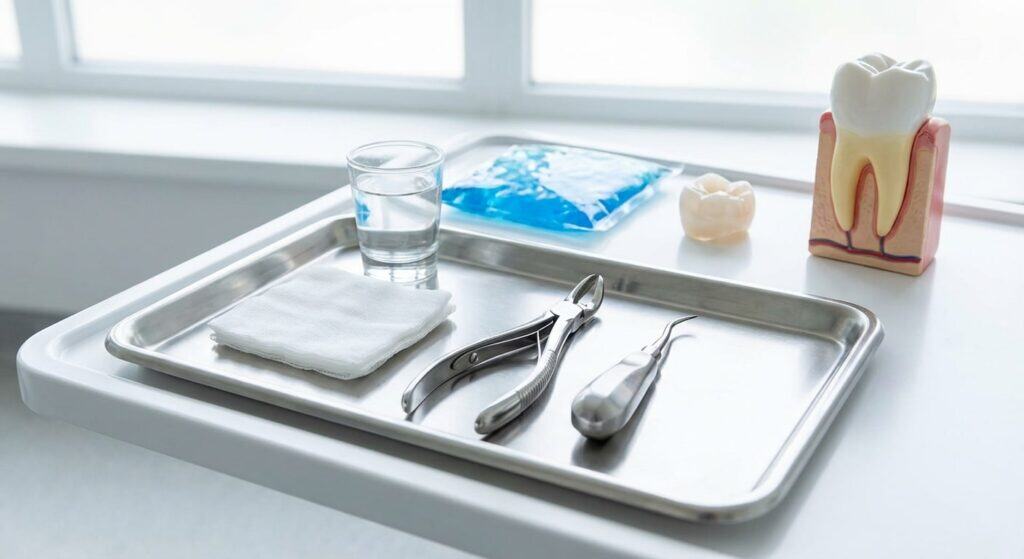

Overview
To prepare your tooth for extraction, patients need to follow specific pre-procedure guidelines provided by their dental team. These guidelines help ensure a safe and effective extraction process.
Following these steps can significantly reduce discomfort and aid in a quicker healing period. Your dentist will offer personalized instructions based on your specific health needs and the type of extraction planned.
- Preparation: Patients should learn about pre-extraction steps to promote a smoother experience.
- Actions: Review important actions such as consultations and medical history updates.
- Procedure Expectations: Understand the procedure and aftermath, which helps manage expectations.
- Healing Advice: Follow recovery tips for efficient healing and discomfort management.
- Ongoing Care: Maintain oral health after extraction to support recovery and avoid future issues.
- Confidence Guide: Use this guide for confidence during your recovery period.
Preparing Your Tooth for Extraction
To prepare your tooth for extraction, following specific pre-procedure advice helps ensure a smoother process and better healing. This preparation involves reviewing your medical history and discussing any concerns with your dental team to address them proactively.
Proper preparation minimizes complications and supports a quicker recovery. Your dental provider will offer specific guidance tailored to your needs, ensuring you feel confident about the procedure. You can learn more about our dental services for ongoing care.
| Action Before Extraction | Reasoning |
|---|---|
| Consult with your dentist | Discuss the procedure, potential risks, and expected recovery. This also helps plan for emergency dental care if needed. |
| Provide full medical history | Inform your dentist about all health conditions and medications, including any sedation options you might consider. |
| Ask about pre-operative instructions | Follow advice on eating, drinking, and medication adjustments before the appointment. |
| Arrange for transport | If you receive sedation, you will need someone to drive you home after the procedure. |
| Plan for post-procedure care | Stock up on soft foods and pain relief as recommended by your dentist to support your recovery at home for more. |
Key Steps Before Your Procedure
Taking specific actions before your procedure helps prepare your tooth for extraction and supports a smoother process. This preparation involves reviewing your health details, discussing the procedure with your dental team, and making necessary adjustments to your daily routine. Following these steps helps ensure your comfort and safety during the extraction.
Your dental team will provide personalized advice, but general guidelines apply to most patients. These preparations aim to minimize potential complications and set the stage for successful healing.
Consult with Your Dentist
Schedule a consultation to discuss the extraction. This meeting allows your dentist to examine the tooth, explain the procedure, and address any concerns you may have. You can also discuss anesthesia options and what to expect during your tooth extraction for more.
Update Medical History
Provide your dental office with an accurate and current medical history. Include all medications, allergies, and existing health conditions. This information helps your dentist tailor the extraction plan to your specific needs, especially if you have conditions like heart disease or diabetes for more.
Review Medications
Discuss all prescription and over-the-counter medications with your dentist. Some medications, such as blood thinners, may need adjustment before the procedure to reduce the risk of bleeding. Your dentist will provide specific instructions.
Arrange Transportation
If you receive sedation during the extraction, you will need someone to drive you home afterward. Make these arrangements in advance to avoid last-minute stress.
Plan Your Post-Procedure Care
Stock your pantry with soft foods and ensure you have any prescribed pain relief ready. This proactive approach helps you prepare your tooth for extraction and makes your recovery period more comfortable. Reviewing post-operative care instructions beforehand is also helpful.
What to Expect During and After Extraction
Before the extraction begins, your dentist will administer local anesthetic to numb the area around the tooth. This ensures you feel no pain, only pressure, during the process. For more detailed information on options, discuss sedation choices with your dental team.
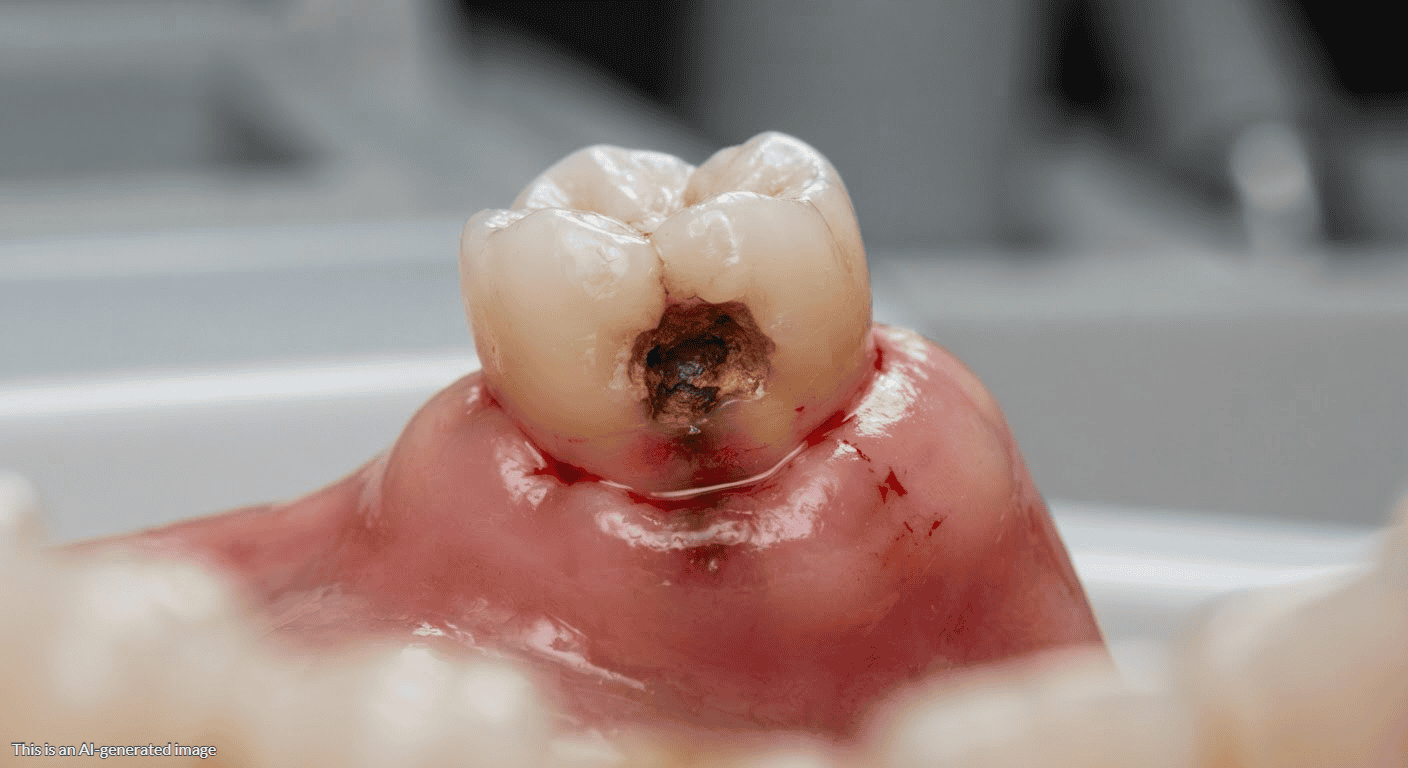
The dentist then carefully loosens the tooth from its socket before removal. Following the extraction, a gauze pad is placed over the area to control bleeding and aid clot formation. It is common to experience some swelling and discomfort after the anesthetic wears off, which can be managed with pain medication.
Immediate aftercare instructions are provided to ensure proper healing. Our team will guide you through essential post-operative steps for more.
| During the Procedure | After the Procedure |
|---|---|
| Local anesthetic numbs the area, preventing pain. | Some swelling and discomfort are normal. |
| Pressure may be felt as the tooth loosens. | Pain medication helps manage discomfort. |
| The tooth is carefully removed from its socket. | A gauze pad helps control bleeding and clot formation. |
| Minimal sensation beyond pressure should occur. | Immediate aftercare instructions are given. |
Recovery Tips for a Smooth Healing Process
After a tooth extraction, proper care speeds your recovery and helps prevent issues. Following these guidelines helps ensure a smooth healing journey. Your dentist will provide exact post-procedure instructions.
| Recovery Action | Benefit |
|---|---|
| Apply a cold compress | Reduces swelling and bruising during the first 24 hours. |
| Take prescribed or over-the-counter pain medication as directed | Manages discomfort effectively. |
| Avoid rinsing vigorously or spitting | Prevents dislodging the blood clot, which is important for healing. |
| Eat soft foods | Protects the extraction site and makes eating more comfortable. |
| Avoid strenuous activity | Minimizes bleeding and swelling by keeping blood pressure low. |
| Keep your head elevated while resting | Helps reduce swelling around the extraction site. |
| Follow up with your dentist as scheduled | Ensures proper healing and addresses any concerns promptly. |
| Do not smoke or use straws | Both actions create suction that can dislodge the blood clot. |
Managing Post-Extraction Discomfort
Pain and swelling are common after a tooth extraction, but you can manage them. Use an ice pack on your cheek for 15-20 minutes at a time during the first day. Pain medication, either over-the-counter or prescribed, should be taken as directed to control discomfort.
Gentle saltwater rinses can start 24 hours after the procedure to keep the area clean and aid healing. Mix half a teaspoon of salt in a glass of warm water and rinse gently, then let it drain from your mouth without spitting. Continue this several times a day, especially after meals.
Maintaining Oral Health Post-Extraction
After your tooth extraction, ongoing oral care supports healing and prevents new issues. Proper hygiene keeps the extraction site clean and free from complications. Following specific guidelines ensures your mouth heals correctly and maintains overall health. Your dentist will provide detailed instructions for recovery.
Daily routines will adjust temporarily as the area heals. Paying attention to these changes is key for a successful recovery. Regular dental visits remain important for long-term oral wellness, especially after an extraction. Routine dental check-ups allow your dentist to monitor healing and address concerns.
| Care Aspect | Pre-Extraction Practice | Post-Extraction Practice |
|---|---|---|
| Brushing | Normal brushing twice daily, including extraction area. | Gentle brushing away from the extraction site for the first few days. Avoid direct contact with the wound. |
| Rinsing | Regular mouthwash or water rinsing. | Warm salt water rinses (1/2 teaspoon salt in 8 ounces warm water) 24 hours after extraction; avoid forceful rinsing. |
| Flossing | Daily flossing of all teeth. | Floss all teeth except those immediately next to the extraction site for several days. Proper flossing technique reduces irritation. |
| Diet | Normal eating habits. | Soft foods for the first few days; avoid hard, chewy, or hot foods. Drink plenty of water and avoid straws. |
| Activity | No restrictions. | Avoid strenuous activity for at least 48-72 hours to prevent dislodging the blood clot. |
| Pain Management | Not applicable. | Over-the-counter pain relievers as directed by your dentist. Consult your dentist for stronger medication if needed. |
Your Guide to a Confident Extraction Recovery
Proper preparation and follow-up care significantly impact your recovery after a tooth extraction. Following all post-procedure instructions helps promote healing and reduce potential complications. Our team provides detailed guidance to support you through each step of the process. For more information on dental procedures, visit our dental services page.
Our experience shows that patients who follow preparation steps and post-care instructions generally recover more comfortably. Your health and comfort are our priority during every stage of your treatment. Explore more about our clinic and team.
| Aspect of Recovery | Benefit of Preparedness |
|---|---|
| Reduced Discomfort | Following pain management advice minimizes post-operative soreness. |
| Faster Healing | Adhering to dietary restrictions and oral hygiene promotes quicker tissue regeneration. |
| Fewer Complications | Diligent care helps avoid issues like dry socket or infection. |