

Overview
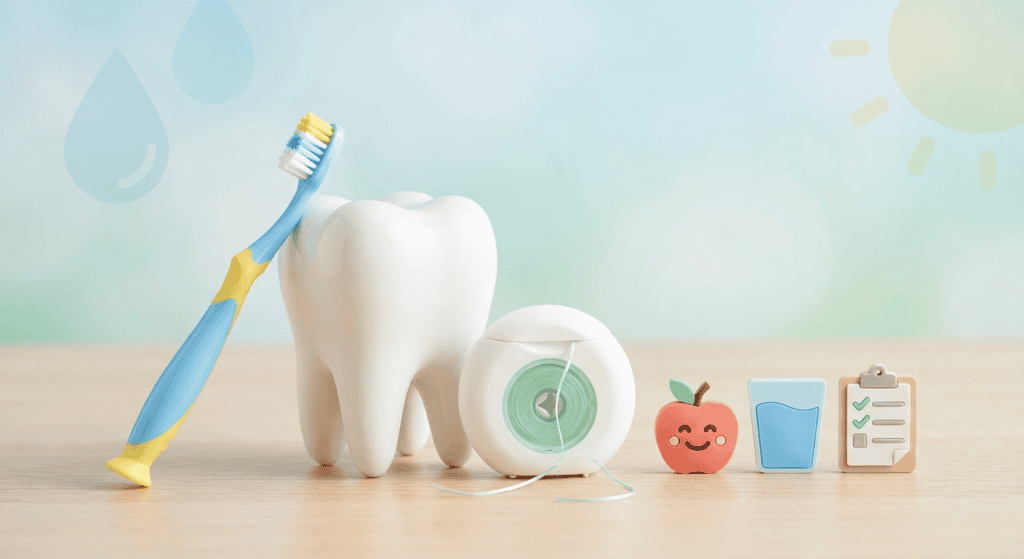
Kids dental care focuses on maintaining healthy teeth and gums from infancy through adolescence, establishing habits that support oral wellness for life. Early attention to a child’s dental needs helps prevent common issues like cavities and gum disease.
This guide offers practical advice for parents, covering everything from the first dental visit to nutritional guidance and preventive measures for lasting oral health.
- Essential Advice: Find foundational guidance for your child’s dental well-being, starting early with good habits for kids dental care.
- Good Habits Early: Discover practical steps to instill positive oral hygiene routines with dental habits.
- Nutrition and Health: Understand how diet impacts dental well-being and make informed food choices.
- Preventing Issues: Learn strategies to avoid common problems and keep teeth healthy through preventive care.
- Visit the Dentist: Get clear guidelines on scheduling regular appointments for dental check-ups.
- Summary of Tips: Review key recommendations for consistent application of oral hygiene practices.
Kids Dental Care: Essential Advice
Kids dental care focuses on promoting healthy teeth and gums from infancy through adolescence. Starting early helps children develop good oral hygiene habits that last a lifetime, preventing common problems like cavities and gum disease. Regular professional care, combined with at-home practices, sets the foundation for a bright smile.
Parents play a large part in establishing these habits. Guidance on brushing techniques, proper diet, and consistent dental check-ups are all part of this process. Prioritizing kids dental care means providing children with the tools and knowledge for strong, healthy teeth.
| Key Principle | Explanation |
|---|---|
| Early Introduction to Dental Visits | Schedule the first dental visit by age one or when the first tooth appears. This helps children become comfortable with the dental setting and allows for early detection of potential issues. Our first dental visit guide offers more details. |
| Consistent Home Care | Establish a routine of brushing twice daily with fluoride toothpaste and flossing once a day. Supervise young children to ensure effective cleaning. For tips on effective brushing, review our children’s brushing guide. |
| Balanced Nutrition | Limit sugary snacks and drinks. Encourage a diet rich in fruits, vegetables, and dairy products that support dental health. Learn about diet and oral health. |
| Preventive Treatments | Discuss sealants and fluoride treatments with a dentist. These can offer extra protection against cavities for developing teeth. |
| Address Habits | Address habits like thumb-sucking or pacifier use early to avoid potential dental alignment issues. Learn about managing pacifier use and dental health. |
Establishing Good Habits Early
Parents play a major role in teaching children about oral hygiene. Starting early helps establish routines that last a lifetime, setting a strong foundation for healthy teeth and gums. These early efforts make kids dental care a natural part of daily life.
Making oral care fun and consistent encourages children to adopt good habits. This involves more than just brushing; it also includes proper techniques and introducing flossing at the right age. Our team offers children’s dental services to support your family.
Key Habits for Early Oral Care
- Start Early: Begin cleaning your infant’s gums with a soft cloth even before teeth appear. Once the first tooth erupts, use a soft-bristled toothbrush designed for infants.
- Brush Twice Daily: Guide your child to brush their teeth for two minutes, twice a day, using a fluoride toothpaste. Supervise brushing until they are around seven or eight years old.
- Introduce Flossing: Once two teeth touch, begin flossing daily. Flossing removes food particles and plaque from between teeth where toothbrushes cannot reach. Many parents find flossers for children helpful.
- Lead by Example: Children often imitate their parents. Demonstrate good oral hygiene habits yourself by brushing and flossing regularly.
- Regular Dental Visits: Schedule routine check-ups and cleanings for your child. These visits allow a dental professional to monitor oral development and provide preventive treatments. Find out more about new patient information for more.
Nutrition and Dental Health
A child’s diet directly impacts their oral health. Sugary foods and drinks can lead to cavities, while nutritious options help strengthen teeth. Making smart food choices supports healthy development and reduces the risk of dental problems.
Parents can guide children towards foods that protect their smiles. Focusing on balanced meals and limiting frequent snacking on sugary items makes a big difference. For more details on protecting young teeth, our pediatric dentistry services offer additional guidance.
| Food Category | Impact on Dental Health |
|---|---|
| Fresh Fruits and Vegetables | High in water and fiber, which help clean teeth naturally. They also provide vitamins important for gum health. |
| Dairy Products | Milk, cheese, and yogurt contain calcium and phosphates that help rebuild tooth enamel. Cheese can also neutralize acids in the mouth. Learn about other dental health tips that include nutrition. |
| Water | The best beverage for teeth. It rinses away food particles and acids. Fluoridated water also helps strengthen enamel. |
| Sugary Snacks and Candies | Contribute to acid production that erodes enamel, causing cavities. Limit these items and encourage rinsing with water after consumption. For concerns about existing issues, explore our dental services for more. |
| Acidic Drinks (Juice, Soda) | High acidity can wear down tooth enamel, making teeth more susceptible to decay. Offer these sparingly and preferably with meals. |
| Sticky Foods | Dried fruits and gummy candies cling to teeth, allowing sugar to interact with bacteria for longer periods. Brushing immediately after eating these can help. Our team provides family dentistry advice for all ages. |
Preventing Common Dental Issues
Parents want to safeguard their child’s smile. This section provides practical strategies to prevent frequent dental problems in children, including advice on cavity prevention, maintaining gum health, and recognizing early signs of potential issues.
Proactive steps can significantly reduce the risk of common pediatric dental concerns. These measures help keep young teeth healthy and strong.
| Preventative Measure | How It Helps |
|---|---|
| Regular Brushing and Flossing | Removes food particles and plaque, preventing decay and gum inflammation. Effective brushing habits start early. |
| Limit Sugary Snacks and Drinks | Reduces the amount of sugar available for bacteria to produce acids that erode tooth enamel. This is a simple step for better kids dental care. |
| Fluoride Treatments | Strengthens tooth enamel, making teeth more resistant to acid attacks and cavity formation. Discuss fluoride options with your dentist for more. |
| Dental Sealants | Creates a protective barrier on chewing surfaces of molars, shielding them from food and bacteria that cause cavities. Learn about sealants for more. |
| Routine Dental Check-ups | Allows early detection and treatment of problems, often before they become severe. Regular visits are a cornerstone of good oral health. |
When to Visit the Dentist
Determining the right time for kids dental care appointments helps maintain their oral health. The first dental visit should happen by a child’s first birthday or within six months of their first tooth appearing. These early visits allow dental professionals to monitor development and offer advice to parents.
Regular check-ups are important for early detection and prevention of dental issues. Our team helps families with dental health for the whole family for more.
| Appointment Type | Guideline |
|---|---|
| First Dental Visit | By age one or within six months of the first tooth coming in. This establishes a “dental home” for the child. |
| Routine Check-ups | Generally every six months. This allows for cleanings, fluoride treatments, and regular dental exams for more. |
| Pain or Swelling | Schedule an immediate appointment if your child experiences toothache, gum swelling, or facial pain. |
| Injury or Trauma | Seek prompt dental attention for any chipped, fractured, or knocked-out teeth, or any injury to the mouth. For urgent situations, consider emergency dental services for more. |
Summary of Kids Dental Care Tips
Maintaining proper kids dental care involves consistent efforts from parents and regular professional support. By focusing on good habits, proper nutrition, and timely dental visits, you set your child up for a lifetime of healthy smiles. Remember, prevention is simpler than treatment.
Starting early with effective oral hygiene and making dental health a positive experience helps children develop positive attitudes toward their teeth. Consistent practice and support from parents make a significant impact on children’s oral health outcomes.
| Key Tip | Action for Parents |
|---|---|
| Start Early | Begin cleaning gums before teeth erupt, and introduce brushing when the first tooth appears. Schedule the first dental visit by age one for early guidance. first dental visit |
| Daily Habits | Brush twice daily with fluoride toothpaste for two minutes. Floss once teeth touch. Make these routines fun to encourage participation. brushing and flossing |
| Healthy Diet | Limit sugary snacks and drinks. Encourage water consumption and a balanced diet rich in fruits, vegetables, and dairy to support strong teeth. healthy diet |
| Regular Check-ups | Schedule routine dental appointments every six months. These visits allow for professional cleanings, fluoride treatments, and early detection of any concerns. dental check-ups |
| Protective Measures | Discuss sealants and fluoride treatments with your dentist to add extra protection against cavities for your kids dental care. preventive care |