
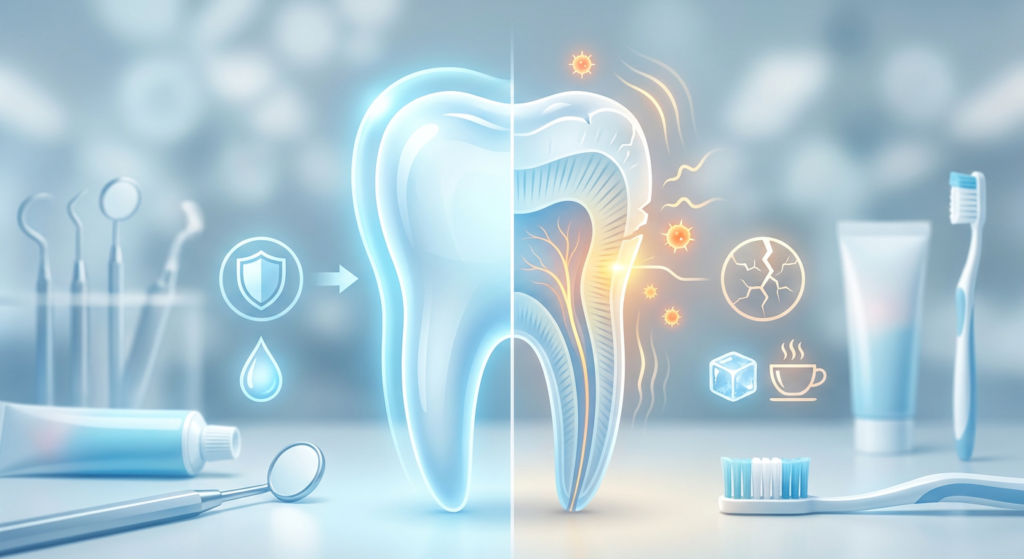
Understanding Sensitive Teeth Pain
Many individuals seek to pstop tooth pain caused by sensitive teeth, a common condition characterized by sharp, sudden discomfort. This sensitivity often arises from exposed dentin, the layer beneath tooth enamel, which contains tiny tubules leading to the nerve. When triggered by various stimuli, these tubules transmit sensations that are perceived as pain.
Understanding the nature of sensitive teeth pain is the first step toward finding effective relief and regaining comfort in daily activities. Whether it’s enjoying a hot beverage or simply brushing your teeth, the impact of sensitivity can be significant, affecting eating habits and overall quality of life. Our goal is to help you pstop tooth pain and enjoy your meals without discomfort.
Exploring solutions to pstop tooth pain involves recognizing the triggers and understanding the underlying causes of sensitivity. This guide aims to provide comprehensive insights into managing and preventing tooth sensitivity, ensuring you have the knowledge to address this common dental issue effectively. Maintaining good oral hygiene, such as through regular dental hygiene appointments, is crucial for understanding the 7 causes of tooth sensitivity, and for those seeking cosmetic improvements, understanding dental veneer costs and benefits can also be beneficial.
What Causes Tooth Sensitivity?
Tooth sensitivity, a common ailment, arises when the protective outer layers of your teeth wear down, exposing the underlying dentin. This exposed dentin contains microscopic tubules that lead directly to the nerve center of the tooth. When these tubules are stimulated by external factors, they transmit signals that register as pain, making it difficult to pstop tooth pain.
Several factors can contribute to the wearing away of enamel and dentin, ultimately leading to sensitivity. Understanding these causes is the first step toward effectively managing and preventing discomfort. Issues ranging from improper oral hygiene to certain dietary habits can all play a role in this painful condition. For a comprehensive overview of why your teeth might hurt, explore the common causes of tooth sensitivity for more.
The dentin layer is significantly softer than enamel and is rich in nerve endings. When the enamel thins or the gums recede, the dentin becomes vulnerable. This exposure means that stimuli like hot or cold temperatures, sweet or acidic foods, and even the pressure from brushing can trigger a sharp, often intense, pain that can make it challenging to pstop tooth pain.
Here are some of the primary reasons behind tooth sensitivity: This can be due to exposed tooth roots, enamel erosion, or even issues like bruxism, which you can learn more about in our guide to stop teeth grinding for more.
- Enamel Erosion: This is often caused by consuming acidic foods and drinks, aggressive brushing, or conditions like acid reflux. Over time, the enamel thins, exposing the dentin beneath.
- Gum Recession: When gums pull away from the teeth, the root surfaces become exposed. These root surfaces are not protected by enamel and are highly susceptible to sensitivity. Learn more about electric vs manual toothbrush gum impact.
- Tooth Decay: Cavities create holes in the enamel, directly exposing the sensitive inner parts of the tooth. Prompt treatment is essential to pstop tooth pain and prevent further damage.
- Cracked or Chipped Teeth: Fractures in the teeth, even small ones, can expose the dentin and pulp, leading to significant pain and sensitivity. Addressing these issues is crucial for maintaining dental health.
- Worn-Down Fillings: Old or worn fillings can lose their seal over time, allowing bacteria and temperature changes to reach the tooth’s inner structures.
- Teeth Grinding (Bruxism): The constant pressure from grinding can wear down enamel, making teeth more sensitive. This is a common issue that our team can help diagnose and manage.
- Recent Dental Procedures: Treatments such as fillings, crowns, or teeth whitening can sometimes cause temporary sensitivity as the teeth adjust. This usually subsides on its own, but persistent discomfort warrants a follow-up.
Identifying the specific cause of your tooth sensitivity is vital for determining the most effective treatment strategy. Our team is dedicated to diagnosing the root of your discomfort and providing solutions to help you pstop tooth pain and restore your comfort. If you are experiencing persistent sensitivity, exploring options for restorative dentistry might be beneficial, such as those detailed in our dental restoration life guide for more.
Furthermore, understanding common dental problems can help you recognize potential issues early on. Many of these issues, if left unaddressed, can lead to tooth sensitivity and pain. For more information on prevalent dental concerns, you can refer to our guide on common dental problems for more.
Common Triggers for Tooth Pain
Understanding the common triggers that can lead to tooth pain is a crucial step in managing and preventing discomfort. These everyday exposures can cause a sharp, unpleasant sensation when your teeth are sensitive. Identifying these culprits helps you take proactive measures to pstop tooth pain and maintain comfort throughout your day. For instance, consuming certain foods can exacerbate sensitivity, and our guide on best worst foods for teeth offers insights into dietary choices that impact oral health.
Several factors can exacerbate tooth sensitivity, turning a normal meal or drink into a source of discomfort. These triggers often exploit the exposed dentin, the layer beneath the enamel, which contains microscopic tubules leading to the tooth’s nerve. When these tubules are irritated, you experience that characteristic sharp pain. To understand more about what can cause this discomfort, review the common causes of tooth sensitivity.
Here are some of the most frequent triggers for tooth pain related to sensitivity:
- Hot and Cold Stimuli: Extremes in temperature are primary offenders. Consuming hot beverages like coffee or soup, or cold items such as ice cream or iced drinks, can send jolts of pain through sensitive teeth. Even inhaling cold air can sometimes cause discomfort.
- Sweet and Acidic Foods/Drinks: Sugary treats and acidic substances can also provoke sensitivity. Foods and beverages like candy, soda, citrus fruits, and even some types of wine can erode enamel over time, exposing the sensitive dentin and leading to pain. For a deeper dive into what to avoid, consider our guide on foods to avoid for dental health for more.
- Brushing and Flossing: While essential for oral hygiene, improper brushing techniques or using a hard-bristled toothbrush can cause pain. Aggressive brushing can wear down enamel and irritate the gums, leading to exposed roots and increased sensitivity. Regular professional dental hygiene appointments are key to learning proper techniques.
- Tooth Decay and Cavities: When decay progresses into the dentin, it creates an opening for stimuli to reach the nerve, causing pain.
- Cracked or Chipped Teeth: Fractures in the tooth, even small ones, can expose the inner layers and lead to significant sensitivity.
- Worn Fillings: Old or damaged fillings can lose their seal, allowing irritants to seep underneath and reach the sensitive parts of the tooth.
By recognizing these common triggers, you can better anticipate and avoid situations that might cause your teeth to ache. This awareness is fundamental to effectively pstop tooth pain and enjoying your meals and daily activities without worry. If dental visits themselves cause you distress, exploring strategies for managing dental anxiety can be very beneficial.
When to Seek Dental Help for Tooth Pain
While some tooth sensitivity can be managed at home, certain symptoms signal a more serious underlying issue that requires professional dental attention. Recognizing these signs is crucial for effectively managing discomfort and to pstop tooth pain before it escalates. Ignoring persistent or severe pain can lead to more complex dental problems and greater discomfort.
If you experience sudden, sharp, or intense tooth pain, especially when it doesn’t resolve quickly, it’s time to consult a dental professional. This is also true if the sensitivity is accompanied by other concerning symptoms like swelling, fever, or a persistent bad taste in your mouth. Early intervention is key to a successful outcome and to pstop tooth pain effectively.
Consider seeking immediate dental care if you notice any of the following indicators:
- Sudden onset of severe tooth pain.
- Pain that lasts for more than a few seconds after the trigger (like hot or cold) is removed.
- Pain when biting down, which could indicate a fracture or infection.
- Visible swelling of the gums or face.
- A fever accompanying tooth pain.
- A persistent bad taste or odor in the mouth.
- Any signs of a cracked or chipped tooth.
For urgent situations, particularly those involving severe pain or potential infection, contacting an emergency dentist can provide prompt relief. Our team at Heritage Dental Centre is equipped to handle dental emergencies and provide timely care. Don’t hesitate to reach out to us if you’re experiencing significant discomfort or suspect a serious dental issue. Visiting a dentist is the most reliable way to diagnose the cause and pstop tooth pain, and sometimes a dental crown can help restore a damaged tooth.
Home Remedies and Prevention Tips
Managing tooth sensitivity at home is achievable with the right approach to your daily oral hygiene and dietary habits. By incorporating gentle practices and making mindful adjustments, you can significantly reduce discomfort and pstop tooth pain. Understanding what triggers your sensitivity is the first step toward implementing effective prevention strategies, and knowing the difference between dental cleaning vs whitening can also be helpful.
Gentle Brushing and Cleaning Techniques
Proper brushing technique is crucial for managing sensitive teeth and preventing further irritation. Always use a soft-bristled toothbrush to avoid abrading the enamel and irritating the gums. When you brush, employ gentle, circular motions rather than aggressive scrubbing, focusing on cleaning without causing undue pressure. It’s also beneficial to use a fluoride toothpaste, as fluoride helps to strengthen tooth enamel and can reduce sensitivity over time. Regular, thorough cleaning is essential, and your dental professional can provide personalized advice on the best methods to stop tooth pain, including understanding what causes stale mouth.
Dietary Adjustments for Sensitivity Relief
What you eat and drink can have a direct impact on tooth sensitivity. Limiting your intake of sugary, acidic, and very hot or cold foods and beverages can make a substantial difference in preventing pain. Opting for foods that are less likely to cause sudden temperature changes or pH shifts in your mouth will aid in managing sensitivity. Consider incorporating more calcium-rich foods, which can support enamel health. Making these dietary adjustments is a proactive way to help stop tooth pain, and understanding when baby teeth emerge can also be helpful.
Over-the-Counter Relief and Preventive Measures
For immediate relief, consider using a desensitizing toothpaste, which contains compounds that block pain signals from reaching the tooth’s nerve. Rinsing with a fluoride mouthwash can also help strengthen enamel and reduce sensitivity. If sensitivity persists or is severe, consult your dentist. They can identify the underlying cause and recommend treatments such as fluoride varnishes or dental sealants, or discuss options like dental crown placement for more significant issues.
Several over-the-counter (OTC) products can provide relief for sensitive teeth. Desensitizing toothpastes contain ingredients that block the transmission of pain signals from the tooth’s surface to the nerve. Rinsing with a fluoride mouthwash can also strengthen enamel and reduce sensitivity. For immediate relief, some individuals find temporary solutions helpful, but it’s important to remember these are often symptomatic treatments. Consistent application of these preventive measures is key to helping pstop tooth pain effectively. You can learn more about the specific reasons for tooth sensitivity by reading about the causes of tooth sensitivity.
Professional Treatments for Sensitive Teeth
When at-home care and over-the-counter products aren’t enough to pStop tooth pain, professional dental treatments offer more robust solutions. Dentists can diagnose the underlying cause of your tooth sensitivity and recommend advanced procedures tailored to your specific needs. These treatments aim to address the root of the problem, providing lasting relief and preventing further discomfort.
Several advanced dental treatments are available to effectively manage and pStop tooth pain caused by sensitivity. These interventions are designed to protect exposed dentin, strengthen enamel, or repair damage that leads to hypersensitivity. Your dentist will assess the severity and cause of your sensitivity to determine the most appropriate course of action.
One common professional treatment involves applying sealants or bonding agents to exposed root surfaces or areas where enamel has worn away. These materials create a protective barrier, shielding the sensitive dentin from external stimuli. For more significant enamel erosion or damage, restorative treatments might be necessary. Services such as restorative dentistry can involve fillings, crowns, or veneers to cover sensitive areas and rebuild tooth structure.
In cases where sensitivity is a result of gum recession, a procedure called a gum graft might be recommended. This involves taking tissue from another part of your mouth and attaching it to the area where the gum has receded, covering the exposed tooth roots. Additionally, fluoride treatments, whether applied in-office or prescribed for home use, can significantly help strengthen enamel and reduce sensitivity, aiding your efforts to pStop tooth pain. Understanding the causes of tooth sensitivity can help you and your dentist find the best treatment plan, including advice on whether an electric or manual toothbrush is best for gum recession.
For severe sensitivity or pain that may indicate deeper issues like decay or cracks, more involved procedures may be required. Root canal therapy, while often perceived as a last resort, is highly effective at pStop tooth pain when the pulp of the tooth is inflamed or infected. Cosmetic procedures may also play a role if sensitivity is linked to issues like teeth grinding or misaligned bite, which can be addressed through treatments offered in cosmetic dentistry for more.
The choice of professional treatment depends heavily on the diagnosis. Factors such as the extent of enamel erosion, the presence of decay, gum health, and the overall condition of your teeth will guide your dentist’s recommendation. Working closely with your dental team ensures you receive the most effective treatment plan to achieve lasting comfort and pStop tooth pain.
Understanding Your Dental Exam
A thorough dental examination is crucial for accurately diagnosing the cause of tooth sensitivity and developing a targeted plan to pstop tooth pain. Dentists employ a systematic approach, combining patient history, visual inspection, and diagnostic tests to pinpoint the exact source of discomfort. This comprehensive evaluation ensures that treatment addresses the root issue, rather than just managing symptoms.
During your visit, your dentist will go through several key steps to understand your condition. They will ask about your symptoms, how often they occur, and what seems to trigger them. This information is vital for understanding the context of your tooth pain and guiding the diagnostic process. A professional dental cleaning may also be part of the initial assessment, as it can reveal underlying issues and prepare the teeth for further examination. For information on maintaining oral hygiene, exploring our dental hygiene services can provide valuable insights.
The steps involved in a dental examination for sensitivity aim to provide a clear picture of your oral health and identify potential problems. This methodical process helps ensure that all possible causes are considered before a treatment plan is recommended. Understanding these steps can help you feel more prepared for your appointment and better understand the diagnostic journey to pstop tooth pain. If sensitivity is a persistent issue, learning about the 7 causes of tooth sensitivity can offer further clarity.
- Medical and Dental History Review: Your dentist will begin by asking about your overall health, any medications you are taking, and your dental history. This includes inquiring about previous dental work, any existing conditions, and your diet. They will specifically ask about the nature of your tooth pain, including when it started, what makes it worse, and what provides relief.
- Visual Oral Examination: The dentist will carefully examine all surfaces of your teeth and gums using a dental mirror and explorer. They will look for signs of decay, cracks, wear on the enamel, gum recession, or any other visible abnormalities that could be contributing to sensitivity. This visual inspection is a critical first step in identifying potential problem areas.
- Percussion and Palpation Tests: Your dentist may gently tap on your teeth (percussion) to check for pain or tenderness, which can indicate inflammation in the nerve or surrounding tissues. Palpation involves feeling the gums and surrounding areas to detect any swelling or tenderness.
- Temperature Sensitivity Tests: To assess your teeth’s response to stimuli, your dentist might use air or cold water to briefly cool specific teeth. A sharp, immediate pain that quickly subsides might indicate dentin hypersensitivity, while lingering pain could suggest a more serious issue like pulpitis or nerve damage.
- Dental Radiographs (X-rays): X-rays are essential for visualizing areas not visible during a visual exam. They can reveal decay between teeth, bone loss due to gum disease, abscesses at the root tip, or other underlying problems contributing to tooth pain. These images provide a deeper look into the tooth’s structure and surrounding bone.
- Periodontal Probing: If gum disease is suspected, the dentist will measure the depth of the pockets between your teeth and gums. Deeper pockets can indicate gum recession, exposing the tooth roots and leading to sensitivity.
- Assessing Bite and Occlusion: Your dentist will check how your teeth come together when you bite down. An uneven bite or grinding (bruxism) can put excessive stress on certain teeth, leading to pain and sensitivity.
Understanding the various causes of tooth sensitivity can help you and your dentist pinpoint the source of your discomfort and develop an effective treatment plan.
Each of these examination steps plays a vital role in building a comprehensive understanding of your tooth sensitivity. By systematically assessing each aspect, your dental team can accurately diagnose the cause and formulate an effective treatment strategy to pstop tooth pain. This thorough approach ensures that you receive the most appropriate care for your specific needs. For more information on common dental issues, you can refer to our guide on common dental problems for more.
Benefits of Addressing Tooth Sensitivity
Actively addressing tooth sensitivity goes beyond simply managing discomfort; it unlocks a range of benefits that significantly enhance your overall quality of life. When you pstop tooth pain, you regain the freedom to enjoy food and drinks without apprehension, leading to better nutrition and increased pleasure in daily activities. If you’re considering cosmetic improvements, understanding the benefits of dental veneers can also boost your confidence.
Beyond immediate comfort, treating the underlying causes of sensitivity can prevent more serious dental issues from developing. Early intervention means less invasive and costly treatments down the line. This proactive approach also contributes to better oral hygiene practices, fostering a healthier mouth overall.
- Restored Enjoyment of Food and Drink. Alleviating tooth sensitivity allows you to savor hot, cold, sweet, and acidic foods and beverages without the sharp pain that often accompanies them. This means you can once again enjoy your favorite meals and drinks without hesitation.
- Improved Nutritional Intake. When pain is no longer a barrier, you’re more likely to consume a balanced diet. This ensures your body receives the necessary nutrients for overall health, which is crucial for maintaining a strong immune system and preventing other health complications.
- Enhanced Confidence and Social Engagement. The ability to smile freely and speak without discomfort can boost self-esteem. This confidence allows for more comfortable social interactions and a generally more positive outlook on life.
- Prevention of Further Dental Problems. Sensitivity can be a sign of underlying issues like enamel erosion or gum recession. Addressing these promptly can prevent conditions like cavities, gum disease, or even tooth loss, saving you from more extensive dental work in the future.
- Better Oral Hygiene Habits. Committing to treating sensitivity often involves adopting more effective brushing and flossing techniques. This focus on gentle yet thorough cleaning leads to improved long-term oral health and reduces the likelihood of future sensitivity flare-ups. You can learn more about the importance of consistent oral care by exploring our dental hygiene services.
- Reduced Dental Anxiety. For some, the fear of dental pain can lead to anxiety. Understanding that effective treatments are available to stop tooth pain can alleviate this worry and make visiting the dentist a less stressful experience. If you experience dental anxiety, our resources can help you manage it: dental anxiety guide for more.
Choosing the Right Toothpaste for Sensitivity
Selecting the correct toothpaste is a crucial step in managing tooth sensitivity and can significantly aid in your effort to pstop tooth pain. Not all toothpastes are created equal, and those formulated specifically for sensitive teeth contain ingredients designed to block pain signals or strengthen enamel. Understanding the active ingredients and how they work can help you make an informed choice for better oral comfort. For more information on why teeth might become sensitive, you can explore the causes of tooth sensitivity.
The primary goal of a sensitive teeth toothpaste is to create a barrier or desensitize the nerve endings within the tooth. When enamel wears down or gums recede, the underlying dentin becomes exposed. This dentin contains thousands of microscopic tubules that lead to the tooth’s nerve center. Toothpastes for sensitivity work by either blocking these tubules or calming the nerves, thereby reducing the sharp pain associated with triggers like cold air, hot drinks, or sweet foods.
For those seeking relief, consulting with dental professionals is always recommended. They can help identify the root cause of your sensitivity, which might require more than just a change in toothpaste. For instance, persistent sensitivity could indicate underlying issues like cavities, gum disease, or cracked teeth that need specific dental interventions. Our team at Heritage Dental Centre is dedicated to providing comprehensive care for all your dental needs, ensuring you receive the most effective solutions. Learn more about common causes of tooth sensitivity and how we can help.
| Toothpaste Type | Active Ingredients | How It Helps | Best For |
|---|---|---|---|
| Desensitizing Toothpaste | Potassium nitrate, Strontium chloride | Blocks nerve signals from the tooth surface to the nerve. | General sensitivity to hot, cold, and touch. |
| Enamel-Strengthening Toothpaste | Fluoride (stannous fluoride, sodium fluoride) | Helps remineralize and strengthen weakened enamel, preventing further erosion. | Sensitivity caused by enamel wear, minor erosion. |
| All-in-One Toothpaste | Potassium nitrate, Fluoride, sometimes gentle abrasives | Combines desensitizing agents with enamel protection and cleaning. | Multiple sensitivity concerns, daily oral care. |
When choosing a toothpaste, look for the American Dental Association (ADA) Seal of Acceptance, which indicates the product is safe and effective for its intended use. For more general information on maintaining excellent oral hygiene practices that complement your toothpaste choice, you can explore our comprehensive dental hygiene services.
It’s also important to use your chosen toothpaste correctly. Apply a small amount to a soft-bristled toothbrush and brush gently, focusing on the areas that are most sensitive. Avoid aggressive brushing, which can exacerbate the problem and damage enamel or gums. If you experience dental anxiety that makes visiting the dentist difficult, remember that we offer strategies and support to make your experience more comfortable; learn more about managing dental anxiety for more.
Dental Procedures and Their Role
Various dental procedures are designed to address the underlying causes of tooth sensitivity, helping to pStop tooth pain effectively. These interventions range from simple restorative work to more complex treatments aimed at protecting vulnerable tooth surfaces and alleviating discomfort. By targeting the specific reasons for your sensitivity, these procedures offer a pathway to more comfortable eating, drinking, and speaking. For instance, a dental crown can protect a weakened tooth from further damage and sensitivity.
Restorative dentistry plays a crucial role in managing tooth sensitivity. Procedures like fillings are essential when sensitivity arises from cavities or minor tooth damage. By filling cavities, dentists remove decay and seal the tooth, preventing further irritation to the nerve and helping to pStop tooth pain. Similarly, repairing cracked or chipped teeth can prevent pain caused by exposure of sensitive inner layers.
For sensitivity caused by worn enamel or exposed tooth roots, treatments that reinforce or cover these areas are often recommended. Sealants, for example, create a protective barrier over the chewing surfaces of back teeth, reducing the risk of decay and sensitivity. In cases of more significant enamel erosion, dental bonding or more extensive dental restoration procedures may be necessary to rebuild the tooth structure and provide lasting relief.
Cosmetic dentistry procedures can also contribute to resolving tooth sensitivity, particularly when sensitivity is linked to the appearance or shape of teeth. For instance, if worn or uneven tooth surfaces are contributing to discomfort, treatments like veneers or crowns can restore both the aesthetics and the protective outer layer of the teeth. These procedures not only enhance your smile but also provide a durable shield against common sensitivity triggers, helping to pStop tooth pain. To understand more about these options, explore dental crown benefits.
In some instances, gum recession is a primary cause of sensitive teeth, as it exposes the root surfaces. Procedures such as gum grafting can be performed to cover these exposed roots, effectively shielding them from stimuli that cause pain. This surgical approach aims to restore the natural gum line, preventing further recession and significantly reducing or eliminating sensitivity in the treated areas.
The choice of dental procedure depends entirely on the diagnosed cause of your tooth sensitivity. Our team at Heritage Dental Centre carefully evaluates each patient’s situation to recommend the most appropriate and effective treatment. Whether it’s a simple filling, a protective sealant, or a more advanced cosmetic or restorative treatment, the goal is always to pStop tooth pain and restore your comfort.
Maintaining Oral Health Long-Term
Consistent and diligent oral hygiene practices are fundamental to preventing the recurrence of tooth sensitivity and to pStop tooth pain. Establishing a thorough daily routine ensures that your teeth and gums remain healthy, which is the first line of defense against discomfort. This proactive approach not only helps manage existing sensitivity but also safeguards against future issues.
A cornerstone of long-term oral health is regular professional dental care. Visiting your dentist for check-ups and cleanings, typically every six months, allows for early detection of potential problems. These visits are crucial for maintaining optimal oral health and can help prevent sensitivity from developing or worsening, thereby supporting your efforts to pStop tooth pain.
Effective daily care involves more than just brushing. It includes proper flossing techniques to remove plaque and food particles from between teeth, areas often missed by brushing alone. Additionally, considering a therapeutic dental cleaning appointment can provide a deeper clean and personalized advice.
Certain lifestyle choices can also significantly impact your oral health and contribute to or alleviate tooth sensitivity. Understanding these factors and making informed decisions is key to maintaining a healthy smile and achieving lasting relief to pStop tooth pain.
- Manage stress, as it can sometimes manifest in habits like teeth grinding, which can lead to sensitivity. For those experiencing dental anxiety, finding ways to cope can indirectly support better oral hygiene habits.
Your dentist may recommend specific products or techniques tailored to your individual needs. This personalized approach ensures that your oral hygiene routine is as effective as possible in preventing sensitivity and maintaining comfort.
The Role of Diet in Tooth Sensitivity
What you eat and drink significantly impacts tooth sensitivity, and making mindful choices can be a crucial part of learning how to pstop tooth pain. Certain foods and beverages can erode enamel or irritate exposed dentin, leading to discomfort. Understanding these dietary connections is key to managing and preventing sensitivity.
Acidic foods and drinks are primary culprits that can worsen tooth sensitivity. These include citrus fruits, sodas, and vinegars, which can wear down tooth enamel over time. When enamel thins, the underlying dentin becomes more exposed, making teeth vulnerable to pain from various stimuli. For guidance on what to avoid, our blog on foods to avoid for dental health offers valuable insights.
Sugary foods and drinks can also contribute to tooth sensitivity, not directly by eroding enamel, but by feeding bacteria that produce acids. These acids can then attack enamel, potentially leading to decay and increased sensitivity. Limiting sweets and maintaining excellent oral hygiene are essential steps to help pstop tooth pain. For more information on the causes of tooth sensitivity, check out our guide to 7 causes of tooth sensitivity.
Conversely, some foods can actually help strengthen teeth and reduce sensitivity. Dairy products like cheese, milk, and yogurt are rich in calcium and phosphates, which can help remineralize tooth enamel. Chewing sugar-free gum after meals can also stimulate saliva production, which neutralizes acids and washes away food particles, aiding in the prevention of tooth pain.
Incorporating foods rich in vitamins and minerals is beneficial for overall oral health, which in turn supports your efforts to pstop tooth pain. Crunchy fruits and vegetables, such as apples and carrots, can help clean teeth naturally as you chew. Lean proteins and healthy fats also contribute to a balanced diet that supports strong teeth and gums, essential for maintaining comfort.
Maintaining a balanced diet and practicing good oral hygiene are fundamental to managing tooth sensitivity. Regular professional cleanings and check-ups are also vital. For comprehensive oral care that can help address sensitivity, consider exploring our dental hygiene services.
Consulting Your Dentist: Next Steps
When dealing with tooth sensitivity, understanding when and how to consult your dentist is crucial for effective treatment and to pStop tooth pain. Your dental professional is equipped to diagnose the underlying cause of your discomfort and recommend the most appropriate solutions.
Preparing for your dental appointment can ensure a more productive visit. By gathering information about your symptoms and any potential triggers, you can help your dentist pinpoint the issue more quickly. Don’t hesitate to reach out if you’re experiencing sudden or severe pain; our team is here to help you find relief, and you can contact us to schedule an appointment.
If your tooth sensitivity is accompanied by intense pain or lasts for extended periods, it may indicate a more serious condition. In such cases, seeking immediate professional care is essential to pStop tooth pain and prevent further complications. For urgent situations, consider our emergency dentist services.
Here’s a guide to what you can expect and how to prepare for your dental consultation regarding tooth sensitivity:
- Document your symptoms: Keep a record of when your sensitivity occurs, what triggers it (hot, cold, sweet, brushing), how long it lasts, and its intensity. Understanding the 7 causes of tooth sensitivity can help you identify potential triggers.
- Note your oral hygiene habits: Be prepared to discuss your daily brushing and flossing routine, including the type of toothbrush and toothpaste you use.
- Mention any recent dental work or injuries: Changes in your mouth, such as new fillings or a blow to the mouth, can be relevant.
- List current medications: Some medications can affect oral health or cause dry mouth, which can contribute to sensitivity.
- Prepare questions: Write down any questions you have about your condition, potential causes, treatment options, and preventative measures.
During your visit, your dentist will likely perform a thorough examination. This typically involves:
- Visual Inspection: Examining your teeth and gums for signs of decay, cracks, gum recession, or wear.
- Probing: Gently measuring the depth of the gum pockets to check for gum disease.
- Temperature Tests: Applying cold or air to specific teeth to gauge their sensitivity response.
- X-rays: To detect issues not visible to the naked eye, such as decay between teeth or problems with the tooth roots.
Based on the findings, your dentist will discuss personalized treatment options to effectively stop tooth pain. These might range from desensitizing agents and special toothpastes to more involved procedures if necessary. Scheduling a consultation is the vital next step in achieving lasting comfort and maintaining optimal oral health, and understanding the causes of tooth sensitivity can help. Jaw pain can also manifest as tooth sensitivity, so learning about TMJ symptoms and causes may also be beneficial.
Finding Lasting Relief from Tooth Pain
Achieving lasting relief from tooth pain and sensitivity involves a multifaceted approach, integrating consistent home care with timely professional intervention. Understanding the underlying causes of your discomfort is the first step toward developing an effective strategy. By combining preventive measures with appropriate treatments, you can significantly improve your comfort and enjoy everyday activities without fear of pain.
The journey to pstop tooth pain for good relies on a few key pillars. These include diligent daily oral hygiene, mindful dietary choices, and proactive engagement with dental professionals. When these elements work in harmony, they create a robust defense against sensitivity and promote overall oral health. For personalized advice and treatment plans, consulting with your dental team at Heritage Dental Centre is essential.
To summarize the path to enduring comfort and effectively pstop tooth pain, consider these essential takeaways:
- Consistent Oral Hygiene: Regular, gentle brushing and flossing are paramount to removing plaque and preventing further enamel erosion. Using a soft-bristled brush and a desensitizing toothpaste can make a significant difference in daily comfort.
- Dietary Awareness: Limiting intake of highly acidic, sugary, or extremely hot/cold foods and beverages can prevent sudden painful responses.
- Professional Guidance: Regular dental check-ups allow for early detection and management of issues that contribute to sensitivity. Your dentist can offer tailored solutions to pstop tooth pain.
- Targeted Treatments: From special toothpastes and varnishes to more advanced procedures, professional treatments address the root causes of sensitivity.
Taking these steps empowers you to manage and prevent tooth sensitivity effectively. If you are experiencing persistent discomfort, do not hesitate to reach out to our dedicated team. You can schedule an appointment or discuss your concerns by visiting our contact us page.