
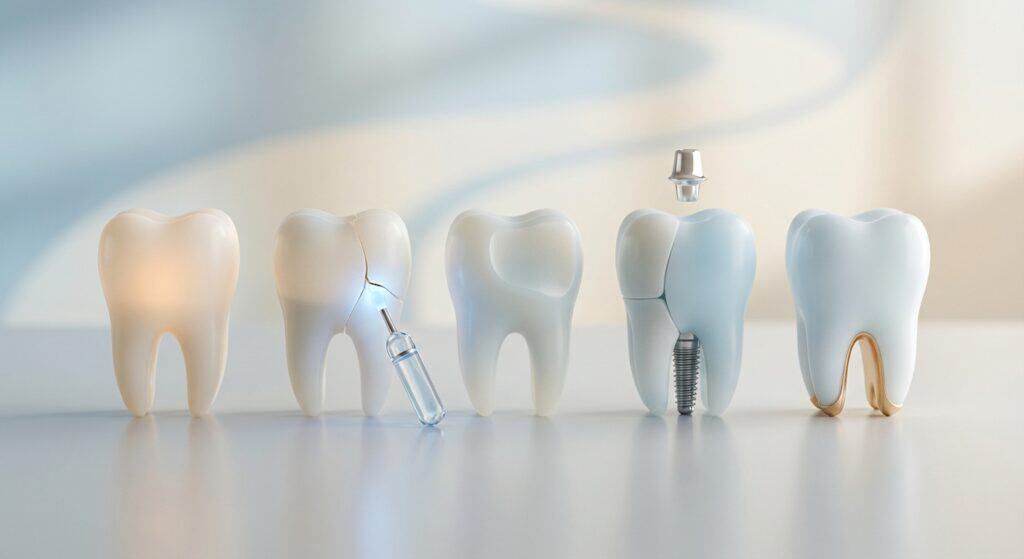

Understanding Dental Implant Needs
Recognizing indicators that suggest you might need dental implants is crucial for maintaining oral health. Addressing common dental issues promptly can prevent more significant problems, ensuring your smile remains healthy and vibrant.
Your oral health is linked to your overall well-being, and understanding when dental implants are a suitable solution is key. Whether it’s due to missing teeth, discomfort with existing prosthetics, or difficulty with daily activities, exploring the signs that point towards dental implants can guide you toward a more confident and functional smile. Discovering the best common dental issues and their treatments explained is the first step.
Sign 1: Persistent Tooth Sensitivity
Persistent tooth sensitivity can be a significant indicator that you might need dental implants. This discomfort often arises from exposed tooth roots or damage to the tooth enamel, signaling underlying issues that could worsen over time. If you experience sharp, sudden pain when consuming hot, cold, sweet, or acidic foods and drinks, it’s crucial to seek professional dental advice. Ignoring this persistent sensitivity can lead to more severe problems, potentially necessitating advanced restorative treatments, or even a tooth extraction if the damage is too severe; learn about tooth extraction recovery for more.
This sensitivity can be a sign of problems like gum recession or tooth decay, which can compromise the tooth’s structure and the bone supporting it. Understanding the causes of tooth sensitivity is the first step in addressing the issue effectively. Sometimes, what feels like simple sensitivity is a precursor to more serious dental conditions that, if left untreated, could eventually lead to tooth loss. Paying attention to these signals and visiting a dentist promptly is important to avoid more extensive procedures.
When simpler treatments for sensitivity are insufficient, it may suggest a more profound problem, such as cracks in the tooth or significant decay. In such cases, exploring options like dental implants becomes a sensible consideration for long-term oral health. Regularly attending dental check-ups is vital for early detection and identifying issues before they become painful, making it easier to find practical solutions. These appointments are part of the essential reasons to visit the dentist regularly.
If your tooth sensitivity is severe or persistent, it might indicate advanced tooth decay or damage that cannot be resolved with conventional methods. In these situations, extraction followed by a dental implant offers a durable and functional replacement. This solution eliminates pain and prevents further jawbone deterioration and the shifting of adjacent teeth. For long-term solutions to persistent dental issues, considering implants can be a wise choice.
Sign 2: Loose or Shifting Teeth
Loose or shifting teeth are a significant warning sign that your oral health may be compromised. This symptom often indicates underlying issues such as advanced gum disease (periodontitis) or significant jawbone loss. When the bone and gum tissues that support your teeth weaken, your teeth can begin to feel unstable and even move out of their normal positions. If you’re experiencing this, exploring options like dental implants can provide a stable and lasting solution.
If you notice your teeth becoming loose or shifting, it’s crucial to seek professional dental advice promptly. This could be a sign that your current dental restorations are no longer adequate or that you might be a candidate for more permanent solutions. Exploring options like dental restorations comparison can help you understand the various ways to address these problems and achieve a healthier, more stable smile. For instance, learning about dental crowns might offer insights into one such solution. Addressing these concerns early can prevent further damage and lead to more effective treatment outcomes.
- Loose teeth: A noticeable wobble or movement in one or more teeth.
- Shifting teeth: Teeth moving from their original alignment, potentially affecting your bite.
- Increased gaps: New spaces appearing between teeth that were previously close together.
- Changes in bite: A feeling that your teeth don’t fit together properly when you close your mouth.
These symptoms often signal a need to explore advanced solutions. Dental implants are designed to replace missing teeth and provide a stable foundation, preventing further shifting and bone loss. Understanding the differences between various implant options and other solutions is key; for example, comparing dental bridges vs. implants can offer valuable insights into making the right choice for your specific needs.
Sign 3: Difficulty Chewing or Speaking
When you experience significant difficulty chewing or speaking, it can be a clear indicator that underlying dental problems are impacting your quality of life. This often stems from issues like missing teeth, which can affect bite alignment and the ability to articulate words properly. Addressing these functional impairments is crucial for both your oral health and overall well-being.
Having worked with local area residents for over a decade, our team has learned that difficulty with basic functions like chewing can significantly impact quality of life, prompting many to explore solutions like dental implants. These advanced restorative options can provide a stable and natural-feeling solution, allowing you to enjoy a wider range of foods and speak with confidence. For example, choosing to replace missing teeth with implants can prevent issues that might otherwise lead to problems like bad breath, as food particles are less likely to get trapped. It also means you can once again enjoy your favorite foods without discomfort.
| Tooth Replacement Option | Pros | Cons |
|---|---|---|
| Dental Implants | Durable, stable, preserves jawbone, natural feel and appearance. | Higher upfront cost, requires surgery, longer treatment time. |
| Dental Bridges | Faster treatment, less invasive than implants, can improve appearance. | Requires altering adjacent teeth, does not stimulate jawbone, can be prone to decay. |
| Dentures | Most affordable option, removable for cleaning, can replace multiple teeth. | Can be unstable, may affect taste and speech, bone loss can occur, requires adhesives. |
Sign 4 & 5: Jawbone Loss and Gum Problems
Jawbone loss and recurring gum problems are critical indicators that you may need dental implants. When teeth are lost, the underlying jawbone no longer receives stimulation, leading to gradual resorption. This can cause facial changes and affect the stability of remaining teeth.
Gum disease, often a precursor to bone loss, presents several warning signs that should not be ignored. Addressing these issues promptly is crucial for maintaining oral health and considering restorative options like dental implants. Understanding the progression from gum issues to potential bone loss helps in recognizing the urgent need for professional intervention. If you are experiencing bleeding gums, it is important to understand the causes and potential treatments, so please review our guide to bleeding gums for more information.
- Persistent bleeding gums, especially after brushing or flossing, indicating inflammation.
- Receding gums that expose more of the tooth or tooth root, signaling potential bone loss.
- Chronic bad breath that persists despite regular oral hygiene, often linked to bacterial buildup.
- Loose teeth or teeth that feel like they are shifting, a sign of compromised support structures.
- Tenderness or soreness in the gums, which can be an early sign of infection or irritation.
Recurring gum problems, such as gingivitis or periodontitis, can significantly impact the health of your jawbone and the stability of your teeth. If you experience bleeding gums frequently, it’s a clear signal that professional treatment is necessary. This type of inflammation can lead to tissue damage and eventual bone loss, making it difficult to retain natural teeth or even conventional dentures. If you are dealing with advanced gum disease or significant bone loss, exploring dental implants in Edmonton might be the most effective long-term solution to restore function and aesthetics.
Understanding the difference between plaque and tartar is also key to preventing gum disease and jawbone loss. Plaque is a sticky film of bacteria that can be removed with daily brushing and flossing, but if left untreated, it hardens into tartar. Tartar buildup can only be removed by a dental professional and contributes significantly to gum irritation and infection. Recognizing these signs emphasizes the importance of consistent oral hygiene and professional care to safeguard your smile and oral health. Learn more about plaque vs tartar and how to manage them effectively.
Next Steps for a Confident Smile
If you’ve recognized signs indicating a need for dental implants, the next step is to explore your restorative dentistry options. Our team is dedicated to helping you navigate this process and receive the best care for a lasting, functional smile.
Taking proactive steps can prevent further dental complications and improve your quality of life. Schedule a consultation to discuss your specific needs and explore how dental implants or other restorative treatments can benefit you. Making informed decisions about your dental health is essential for achieving the radiant smile you deserve.
- Consult with our dental professionals for a thorough assessment.
- Discuss available dental restorations, including implants, bridges, and dentures.
- Learn about the benefits and process of getting dental implants at our clinic.
- Understand how to choose a dentist who is the best fit for your needs.